
Ningbo, China (Dongqian Lake): Hidden Lakeside Temples, Ancient Tea & Water Town Charm (2025)
Sunrise over Dongqian Lake reveals what makes this destination extraordinary: China’s largest freshwater lake surrounded by mist-shrouded temples rather than high-rises. As fishing boats glide across waters that have inspired poets since the Song Dynasty, you’ll hear temple bells echoing from nearby Fuhu Temple while the scent of blooming lotus flowers fills the air. This is authentic Zhejiang province at its most serene—a landscape where ancient traditions continue uninterrupted just 15 kilometers from Ningbo’s modern city center.
Why Ningbo, China (Dongqian Lake) Stands Out

Brown wooden house near green trees and river during daytime, Ningbo, China (Dongqian Lake)
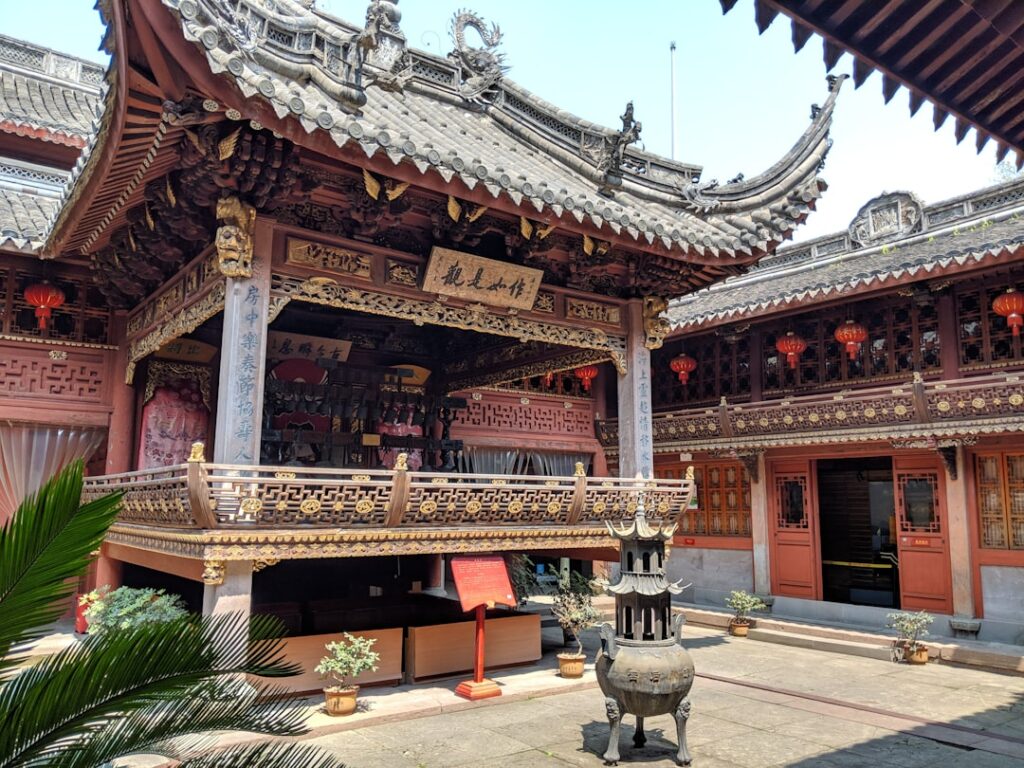
- Historic Architecture: Xiaoputuo Temple (built 960 AD) floats dramatically on the lake, connected to shore by elegant stone bridges that create perfect photo opportunities at golden hour.
- Cultural Scene: The annual Dragon Boat Festival transforms the lake with colorful races where teams row to traditional drumbeats and spectators feast on zongzi (sticky rice dumplings).
- Local Specialties: Ningbo’s famous yellow croaker fish, steamed with Shaoxing wine and ginger, delivers the region’s signature fresh-from-the-lake flavors you won’t find elsewhere.
Pro Tip: Visit mid-week in late September when summer crowds have dispersed, lotus flowers still bloom, and the autumn light creates spectacular reflections on the lake—arrive at Xiaoputuo Temple by 7 AM to have the iconic bridges completely to yourself.
Map of Ningbo, China (Dongqian Lake)
Use these interactive maps to explore Ningbo, China (Dongqian Lake) and plan your route:
📍 View Ningbo, China (Dongqian Lake) on OpenStreetMap
🗺️ Open Ningbo, China (Dongqian Lake) in Google Maps
Planning Your Trip: Practical Essentials
Getting There and Around
- By Air: Ningbo Lishe International Airport (NGB) serves domestic flights from Beijing, Shanghai, and Guangzhou plus international routes from Seoul and Taipei. The airport shuttle to Dongqian Lake takes 45 minutes and costs ¥40. Book flights at Skyscanner for best deals.
- By Train: High-speed trains from Shanghai Hongqiao Station reach Ningbo in 2 hours, with comfortable business class seats costing ¥288. From Ningbo Station, take bus 906 directly to the lake. Reserve tickets at Trainline or the national railway website.
- By Car: The G15 Shenhai Expressway connects Shanghai to Ningbo in 3 hours. Parking at Dongqian Lake costs ¥10 per hour, with the main lot near the Visitor Center. Compare car rentals at RentalCars.com.
- Local Transport: Bus 966 circles the lake every 20 minutes (¥2 per ride), while electric sightseeing boats cost ¥60 for a 45-minute lake tour. Taxis from Ningbo city center to the lake cost approximately ¥80.
Best Time to Visit
Spring and autumn deliver ideal conditions with comfortable temperatures and vibrant natural scenery, while summer offers lush greenery despite higher humidity. Winter visits reward you with dramatic misty landscapes and minimal crowds.
| Season | Weather | Highlights |
|---|---|---|
| Summer (Jun–Aug) | 28-35°C, humid with afternoon thunderstorms | Lotus flowers in full bloom, boat activities, lively atmosphere but crowded |
| Winter (Dec–Feb) | 3-10°C, occasional light snow | Mystical foggy landscapes, temple ceremonies, 50% fewer visitors |
| Shoulder (Apr–May/Sep–Oct) | 15-25°C, mild with clear skies | Perfect hiking weather, photographic conditions, local festivals |
Budgeting for Ningbo, China (Dongqian Lake)

Stunning view of pagodas by the serene Shanhu Lake in Guilin, China., Ningbo, China (Dongqian Lake)
| Category | Budget | Mid-range | Luxury |
|---|---|---|---|
| Accommodation | ¥150-300 (hostels/guesthouses) | ¥400-800 (boutique hotels) | ¥1,200+ (lakeside resorts) |
| Meals | ¥50 (street food/local canteens) | ¥120 (restaurants with lake views) | ¥300+ (fine dining with wine) |
| Transport | ¥30 (public buses only) | ¥100 (taxis between sites) | ¥300 (private car with driver) |
| Activities | ¥50 (free temples + one paid attraction) | ¥150 (boat tour + entrance fees) | ¥500 (private guided experiences) |
| Daily Total | ¥280-430 | ¥770-1,170 | ¥2,300+ |
Top Attractions and Must-See Sights
| Attraction | Description | Hours | Entry Fee |
|---|---|---|---|
| Xiaoputuo Temple | Song Dynasty water temple featuring nine connected pavilions that appear to float on the lake at high tide | 8 AM-5 PM | ¥50 |
| Dongqian Lake Cycling Path | 30-kilometer paved trail circling the lake with rental stations every 5km and scenic viewpoints | 24 hours | Bike rental ¥20/hour |
| Fuhu Temple | Ming Dynasty Buddhist complex nestled in tea hills with active prayer halls and resident monks | 7 AM-6 PM | Free (donations welcome) |
| Southern Song Stone Carvings Park | Open-air museum showcasing 800-year-old stone sculptures depicting mythical creatures and Buddhist figures | 9 AM-5:30 PM | ¥30 |
3-Day Itinerary: Ningbo, China (Dongqian Lake)’s Highlights & Hidden Gems
Day 1: Lakeside Temples & Scenic Vistas
- Morning: Sunrise photography at Xiaoputuo Temple (arrive by 6:30 AM) followed by exploration of the nine connected pavilions. Don’t miss the Guanyin Hall where locals make offerings at 8 AM.
- Afternoon: Cycling the eastern lake shore to Fuhu Temple (2-hour ride) then lunch at Lakeside Vegetarian Restaurant for their mushroom and bamboo shoot noodles (¥45).
- Evening: Sunset boat tour from South Lake Pier (¥60) followed by dinner at Old Ningbo Restaurant for their signature yellow croaker (¥98).
Day 2: Cultural Immersion & Tea Traditions
- Morning: Tea plantation visit at Dongqian Lake Tea Garden (¥80 including tasting) – watch traditional tea processing and sample the area’s famous green tea.
- Afternoon: Southern Song Stone Carvings Park exploration then lunch at Tea House of Serenity for tea-infused dishes and lake views.
- Evening: Calligraphy class at Ningbo Cultural Center (¥120, 6-8 PM) learning traditional brush techniques from master calligraphers.
Day 3: Water Towns & Local Markets
- Morning: Taxi to nearby Ciqi Ancient Town (¥60, 25 minutes) to wander Ming Dynasty canals and stone bridges before crowds arrive.
- Afternoon: Hand-pulled noodle making workshop (¥75) at Noodle Master Chen’s kitchen followed by lunch enjoying your creations.
- Evening: Final lakeside stroll along Moonlight Promenade with street food dinner from vendors selling grilled squid and scallion pancakes.
Cultural Insights & Etiquette
- Language: Learn “ni hao” (hello), “xie xie” (thank you), and “duo shao qian” (how much). Locals appreciate attempts at basic Mandarin.
- Customs: Remove shoes before entering temple buildings, receive items with both hands, and avoid pointing with single fingers.
- Tipping: Not expected except for tour guides (¥50-100 per day) and luxury hotel staff (¥20-50 for exceptional service).
- Dress Code: Cover shoulders and knees in temples, comfortable walking shoes essential, bring rain jacket year-round.
- Business Hours: Shops open 9 AM-9 PM, temples 7 AM-6 PM, restaurants 11 AM-10 PM. Many businesses close during Spring Festival.
Where to Eat: Ningbo, China (Dongqian Lake)’s Best Bites
Ningbo cuisine emphasizes freshness with seafood from the East China Sea, delicate flavors, and subtle seasoning. Dining here means experiencing the region’s culinary heritage through simple preparations that highlight quality ingredients.
Must-Try Local Specialties
- Steamed Yellow Croaker: The region’s signature fish steamed with ginger and Shaoxing wine – best at Old Ningbo Restaurant near the lake’s north shore.
- Ningbo Tangyuan: Sweet glutinous rice balls filled with black sesame paste – find authentic versions at Sweet Dumpling Alley in Ciqi Town.
- Drunken Crab: Fresh crab marinated in strong liquor – adventurous eaters should try this at Seafood Street near the fishing village.
Restaurant Recommendations by Budget
| Type | Restaurant | Specialty | Price Range |
|---|---|---|---|
| Budget | Noodle Master Chen (Lakeside East) | Hand-pulled noodles with braised pork | ¥25-40 |
| Mid-range | Lakeside Vegetarian Restaurant (Fuhu Temple Road) | Buddhist vegetarian feast | ¥80-150 |
| Fine dining | Moonlight Pavilion (South Lake Peninsula) | Eight-treasure duck and lake-view dining | ¥300-500 |
Where to Stay
Choose lakeside locations for convenience and views, or nearby ancient towns for cultural immersion. Book 2-3 months ahead for peak seasons. Compare prices and book at Booking.com or Airbnb for apartments.
Best Neighborhoods for Accommodation
- Lakeside East: Walking distance to main temples and restaurants, excellent sunrise views, but can be crowded – perfect for first-time visitors
- Ciqi Ancient Town: Historic atmosphere with canal-side guesthouses, quieter evenings, 15-minute drive to lake – ideal for culture lovers
- South Lake Peninsula: Luxury resorts with private lake access, higher prices, secluded feeling – best for romantic getaways

A pagoda atop a hill with lush greenery overlooks a serene lake under a cle…, Ningbo, China (Dongqian Lake)
FAQs: Your Ningbo, China (Dongqian Lake) Questions Answered
1. Is Ningbo, China (Dongqian Lake) safe at night?
Extremely safe with well-lit pathways and regular security patrols around the lake. Solo travelers commonly walk between restaurants and hotels until 10 PM. Standard precautions apply – keep valuables secure and stay in populated areas.
2. What currency is used and are credit cards accepted?
Chinese Yuan (CNY/RMB) is the local currency. While major hotels and restaurants accept credit cards, you’ll need cash for temples, street food, and local transportation. ATMs are available at the Visitor Center and in Ciqi Town.
3. How do I get from the airport to the city center?
Ningbo Airport shuttle bus Line 1 reaches the city center in 40 minutes (¥20), while taxis cost ¥80-100. The most convenient option for Dongqian Lake is booking a private transfer (¥150). Book airport transfers at GetYourGuide for convenience.
4. Do I need to speak the local language?
Basic English is understood at hotels and major attractions, but learning a few Mandarin phrases greatly enhances your experience. Download translation apps and carry your hotel’s business card in Chinese for taxi directions.
5. What’s the appropriate dress code?
Comfortable walking shoes are essential for temple visits and lakeside paths. Bring layers – mornings can be cool even in summer. For temple visits, avoid sleeveless tops and shorts above the knee out of respect.
Final Thoughts: Ningbo, China (Dongqian Lake) Awaits
Ningbo’s Dongqian Lake offers that rare combination of natural beauty and cultural depth that seasoned travelers seek. Beyond the obvious attractions, the real magic emerges when you slow down – watching fishermen cast nets as their ancestors did, sipping tea while overlooking misty hills, or discovering a hidden temple courtyard. This destination rewards those who appreciate subtle beauty and authentic experiences. For your most memorable moment, time your visit to witness the lotus flowers opening at sunrise – a sight that has inspired Chinese poets for centuries and continues to captivate modern visitors.

