
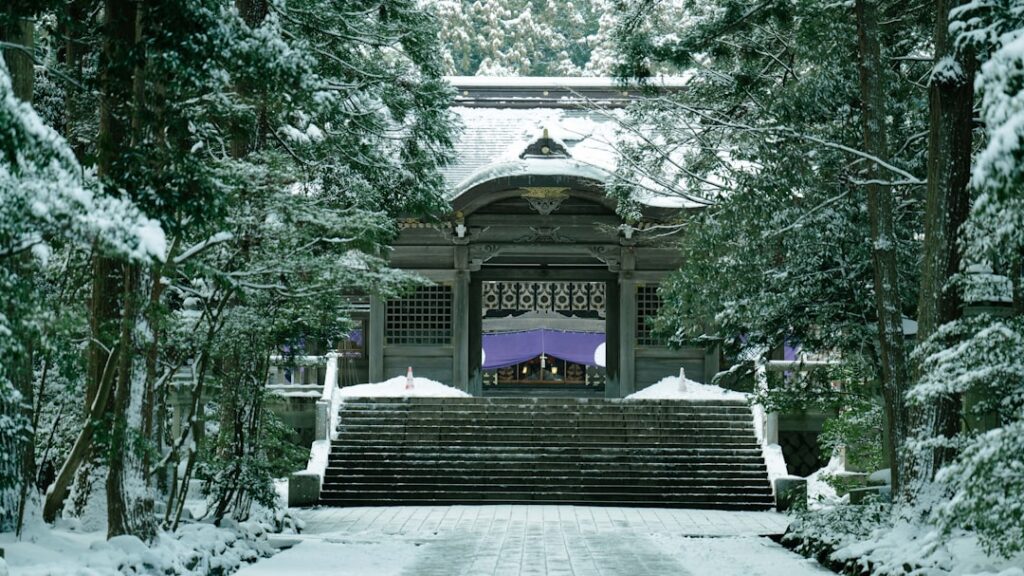
Niigata, Japan’s Stunning Sake, Snowscapes & Seaside Serenity (2026)
While crowds flock to Tokyo for neon and Kyoto for temples, Niigata, Japan delivers a profound, authentic Japanese experience without the queues and premium price tags. For roughly $70/day, you can savor world-class sake from over 90 local breweries, feast on Koshihikari rice and fresh Sea of Japan seafood, and unwind in rustic onsen towns nestled in mountains that receive over 10 meters of snow annually. This is where Japan’s most celebrated staples are born, enjoyed in a setting of staggering natural beauty.
Why Niigata, Japan Stands Out

The roof of a building with a mountain in the background, Niigata, Japan
- Historic Architecture: The Northern Culture Museum, housed in the 1880s Ito estate, showcases the opulent lifestyle of a wealthy farming family with stunning gardens and traditional storehouses.
- Cultural Scene: The annual Niigata Festival in August features the spectacular “Furyu” dance procession, a vibrant display of local music, costumes, and community spirit dating back centuries.
- Local Specialties: You must try a bowl of *hegi soba*, buckwheat noodles bound with funori seaweed for a unique, slippery texture, served on a special rectangular plate called a *hegi*.
Pro Tip: For the ultimate sake-tasting experience without the winter chill, visit in late October. You’ll catch the tail end of the stunning autumn foliage, the new sake (*shinshu*) is just being released, and the famous ski resort crowds haven’t arrived yet.
Map of Niigata, Japan
Use these interactive maps to explore Niigata, Japan and plan your route:
📍 View Niigata, Japan on OpenStreetMap
🗺️ Open Niigata, Japan in Google Maps
Planning Your Trip: Practical Essentials
Getting There and Around
- By Air: Niigata Airport (KIJ) has domestic flights from Tokyo, Sapporo, and Osaka, plus seasonal international routes. A direct bus to Niigata Station takes 25 minutes and costs ¥410. Book flights at Skyscanner for best deals.
- By Train: The Joetsu Shinkansen from Tokyo Station takes a scenic 2 hours. The *Toki* and *Max Toki* trains are your best bet. Reserve tickets at Trainline or the national railway website.
- By Car: Renting a car is ideal for exploring coastal routes and mountain onsens like Yahiko. The Kan-Etsu Expressway connects to Tokyo. Compare car rentals at RentalCars.com.
- Local Transport: Niigata’s city buses are comprehensive; a one-day “Nii~pu” pass costs ¥600. For wider prefecture travel, the “Welcome! Niigata Pass” (3 days, ¥2,700) offers unlimited local train and bus travel.
Best Time to Visit
Niigata transforms dramatically with the seasons, each offering distinct charms. Winter is for powder hounds and cozy onsens, summer for festivals and coastal breezes, but the shoulder seasons provide the most balanced experience.
| Season | Weather | Highlights |
|---|---|---|
| Summer (Jun–Aug) | Warm, 20-30°C (68-86°F), humid with less rain than other regions. | Lively festivals, perfect for Sado Island exploration and beach visits. Moderate crowds. |
| Winter (Dec–Feb) | Cold, -2 to 5°C (28-41°F), with heavy snowfall inland. | World-class skiing in Yuzawa and Myoko, magical snowscapes, and hot springs. Busy at resorts. |
| Shoulder (Apr–May/Sep–Oct) | Mild, 10-20°C (50-68°F), with crisp air and low rainfall. | Cherry blossoms or autumn colors, ideal for cycling, sake tours, and hiking with few tourists. |
Budgeting for Niigata, Japan

A night view of a snowy mountain with a city in the distance, Niigata, Japan
| Category | Budget | Mid-range | Luxury |
|---|---|---|---|
| Accommodation | ¥4,000-7,000 (capsule/business hotel) | ¥10,000-18,000 (ryokan/comfort hotel) | ¥30,000+ (luxury ryokan with kaiseki) |
| Meals | ¥2,500 (ramen, soba, convenience store combos) | ¥5,000 (local izakaya, set meals) | ¥12,000+ (high-end sushi/sake pairing) |
| Transport | ¥1,200 (local bus/day pass) | ¥3,000 (local trains & taxis) | ¥8,000+ (private taxi tours) |
| Activities | ¥1,500 (temple visits, park walks) | ¥4,000 (sake museum, aquarium) | ¥10,000+ (private guide, ski passes) |
| Daily Total | ¥9,200 (~$70) | ¥22,000 (~$165) | ¥60,000+ (~$450) |
Top Attractions and Must-See Sights
| Attraction | Description | Hours | Entry Fee |
|---|---|---|---|
| Ponshukan Sake Museum (Niigata Station) | Taste hundreds of local sakes from a vending machine with a tasting set of 5 coins. | 9:00 AM – 9:00 PM | ¥500 for 5 tasting coins |
| Sado Island (via ferry) | A historic island of gold mines, exiled intellectuals, and the famous Earth Celebration festival. | Ferries run 6:00 AM – 10:00 PM | Ferry from ¥2,570 one-way |
| Yahiko Shrine & Park | A stunning, 1,300-year-old shrine at the base of Mount Yahiko, surrounded by ancient cedar forests. | Shrine: 24 hrs; Ropeway: 9:00-16:30 | Shrine: Free; Ropeway: ¥1,000 round-trip |
| Niigata City Aquarium Marinepia | Features unique Sea of Japan marine life and impressive dolphin shows with a coastal view. | 9:00 AM – 5:00 PM (varies) | ¥1,500 |
3-Day Itinerary: Niigata, Japan’s Highlights & Hidden Gems
Day 1: Sake, History & Riverfront Strolls
- Morning (7-9 AM): Start at Niigata Station’s Ponshukan. Use your tasting coins to discover your preferred sake style. Your best bet is to try a *junmai ginjo* from a small brewery.
- Afternoon (12-3 PM): Explore the Furumachi historic district and visit the Niigata Manga Animation Museum. For lunch, head to Ishii for an exquisite bowl of *hegi soba* (¥1,300).
- Evening (6-8 PM): Stroll along the Shinano River and cross the Bandai Bridge. Enjoy dinner at Izakaya Kappo Jige, a local favorite for fresh seafood and grilled dishes.
Day 2: Island Mystique & Gold Mines
- Morning (8:00 AM activity): Catch the 8:00 AM jetfoil from Niigata Port to Ryotsu on Sado Island (¥6,520 round-trip). Rent a car or take the bus to the Sado Kinzan Gold Mine to see lifelike robot dioramas of Edo-period miners.
- Afternoon: Visit the Myosen-ji Temple with its unique, pagoda-like structure. For lunch, try Sado’s signature *kawahagi* (filefish) sushi at a port-side restaurant like Sawada.
- Evening: Return to Niigata city. For a relaxed evening, savor Niigata’s famous *noppe* stew at a traditional restaurant like Kome no I near the station.
Day 3: Mountain Spirits & Coastal Views
- Morning: Take a 40-minute train to Yahiko Station (¥670). Walk through the towering torii gate and up the path to the serene Yahiko Shrine. Take the ropeway up Mount Yahiko for panoramic views.
- Afternoon: Enjoy a traditional soba-making experience (¥2,500, book ahead) at a local shop. For lunch, have your handmade soba with tempura. Visit the nearby Northern Culture Museum.
- Evening: Return to Niigata. For your final meal, indulge in a *sushi omakase* at Sushi Dokoro Terada, where the chef selects the day’s best catch from the Sea of Japan.
Cultural Insights & Etiquette
- Language: Basic Japanese phrases go a long way. Say “*Kampai!*” (Cheers!) before drinking sake. In rural areas, English is limited, but people are exceptionally helpful.
- Customs: Always remove your shoes when entering a ryokan, traditional restaurant, or someone’s home. When using public onsens, wash thoroughly at the shower stations before entering the bath.
- Tipping: Tipping is not practiced in Japan. Excellent service is standard. Leaving cash can cause confusion; a sincere “*arigatou gozaimasu*” (thank you) is perfect.
- Dress Code: Modest, comfortable clothing is fine. For shrines, avoid overly revealing outfits. In winter, pack waterproof, insulated boots for heavy snow.
- Business Hours: Major stores open 10:00 AM-8:00 PM. Many museums close on Mondays. Restaurants often have a last order around 9:00 PM. Always check for national holidays like Golden Week.
Where to Eat: Niigata, Japan’s Best Bites
Niigata’s cuisine is a celebration of its land and sea. The mantra here is “*shun*” – eating ingredients at their absolute peak season. You’ll find exceptional local tavernas (*izakaya*) where the sake flows as freely as the conversation.
Must-Try Local Specialties
- Hegi Soba: The silky, seaweed-bound buckwheat noodles are unique to the region. Try them at dedicated soba shops like Sarashina Horii in the Furumachi district.
- Koshihikari Rice Dishes: Grown in pristine snowmelt water, this is Japan’s most prized rice. Simply order a bowl of plain rice or try *tare katsu don* (pork cutlet bowl) at Katsudon-ya Takeda.
- Sasadango: These sweet rice dumplings wrapped in bamboo leaves are a beloved local confection. Pick some up at Matsugasaki Sohonten, a shop with over 150 years of history.
Restaurant Recommendations by Budget
| Type | Restaurant | Specialty | Price Range |
|---|---|---|---|
| Budget | Ramen Kairiki (Near Station) | Rich, hearty Niigata-style ramen with thick noodles | ¥800-¥1,200 |
| Mid-range | Izakaya Jige (Furumachi) | Atmospheric spot for grilled seafood and local sake | ¥3,000-¥5,000 |
| Fine dining | Sushi Dokoro Terada (Bandai City) | Exquisite omakase sushi featuring Sea of Japan delicacies | ¥12,000-¥20,000 |
Where to Stay
Your choice of accommodation defines your Niigata experience. For city convenience, stay near the station. For culture, choose a traditional ryokan in a mountain onsen town. For ski-in/ski-out access, book a resort hotel in Yuzawa. Compare prices and book at Booking.com or Airbnb for apartments.
Best Neighborhoods for Accommodation
- Niigata Station Area: Ultra-convenient for transport, with plenty of business hotels and dining. Perfect for short stays and day trips. Lacks traditional charm.
- Furumachi/Bandai City: The historic heart with more character, closer to the river, shopping arcades, and older restaurants. Ideal for walkers seeking atmosphere.
- Yahiko/Yuzawa Onsen Towns: For a classic Japanese experience. Stay in a ryokan with kaiseki meals and private onsen baths. Requires a train ride to the city but offers unparalleled relaxation.

A tall red and black structure with a sky background, Niigata, Japan
FAQs: Your Niigata, Japan Questions Answered
1. Is Niigata, Japan safe at night?
Extremely safe. Niigata is known for its low crime rate. As in any city, exercise normal caution in entertainment districts late at night, but violent crime is exceptionally rare. Walking alone at night is generally not a concern.
2. What currency is used and are credit cards accepted?
The Japanese Yen (¥) is the currency. Credit cards are widely accepted in hotels, department stores, and larger restaurants. However, many smaller izakayas, local shops, and market stalls are cash-only. Savvy visitors always carry ¥10,000-¥20,000 in cash.
3. How do I get from the airport to the city center?
The most efficient way is the Niigata Airport Limousine Bus. It takes 25 minutes to reach Niigata Station and costs ¥410. Taxis are available for about ¥4,000-¥5,000. Book airport transfers at GetYourGuide for convenience.
4. Do I need to speak the local language?
It’s not essential but highly rewarding to know a few phrases. In the city, train stations and major attractions have some English signage. In rural areas, translation apps are useful. Locals are patient and will often go out of their way to help, even with a language barrier.

