
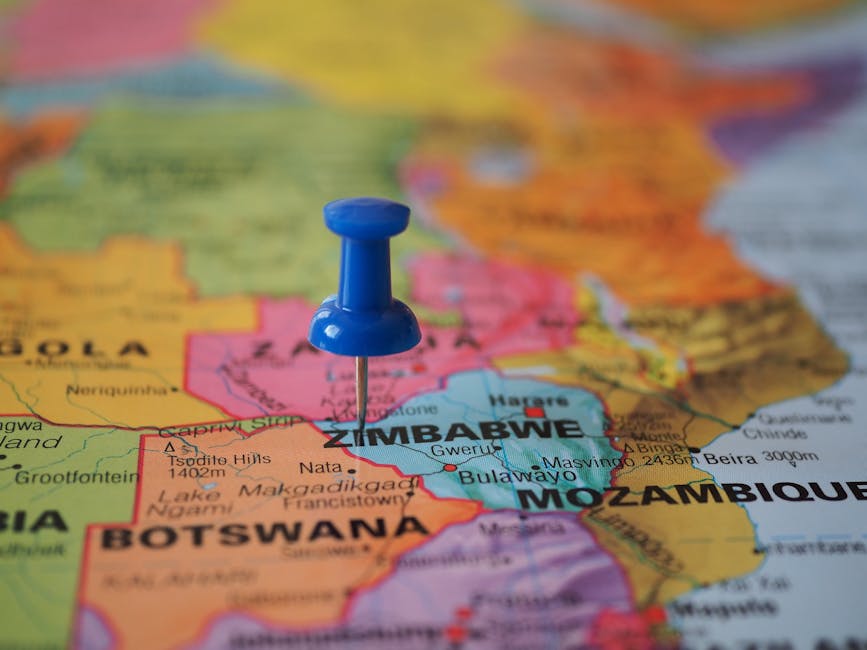
Niassa Reserve, Mozambique’s Amazing Wilderness, Wildlife & Star-Filled Skies (2026)
While crowds flock to Kruger or the Serengeti, Niassa Reserve, Mozambique delivers a true wilderness experience without a single traffic jam. Spanning over 42,000 square kilometers—larger than Switzerland—this colossal landscape sees fewer than 1,000 visitors a year. Here, you won’t find paved roads or scheduled game drives; instead, you’ll navigate sandy tracks past baobab sentinels, listening for the distant roar of a lion that has likely never seen a vehicle. This is Africa as it was a century ago.
Why Niassa Reserve, Mozambique Stands Out

Stunning aerial view of Maputo, Niassa Reserve, Mozambique
- Historic Architecture: The 19th-century Arab and Swahili trading post ruins at Mecula Hill, a silent testament to the ivory and slave trade routes that once crossed this land.
- Cultural Scene: Witnessing the ancient, rhythmic Nyau (Gule Wamkulu) dance ceremonies of the local Yao and Makua peoples, a powerful UNESCO-recognized cultural tradition.
- Local Specialties: Savoring Matapa, a rich, creamy stew of cassava leaves, ground peanuts, and coconut milk, often served with grilled freshwater fish from the Lugenda River.
Pro Tip: Your best bet is to visit during the dry season from June to October. Not only is wildlife viewing at its peak as animals congregate around water sources, but the risk of malaria is lower and the rough access roads are most passable. Book your safari camp at least 6-9 months in advance, as space is extremely limited.
Map of Niassa Reserve, Mozambique
Use these interactive maps to explore Niassa Reserve, Mozambique and plan your route:
📍 View Niassa Reserve, Mozambique on OpenStreetMap
🗺️ Open Niassa Reserve, Mozambique in Google Maps
Planning Your Trip: Practical Essentials
Getting There and Around
- By Air: You’ll fly into either Lichinga (FXO) or Pemba (POL) airports. LAM Mozambique Airlines offers domestic connections. From there, you must take a pre-arranged charter flight in a small Cessna directly to your safari camp’s private airstrip; this is non-negotiable and typically included in premium safari packages. Book flights at Skyscanner for best deals.
- By Train: There are no viable train services to or within the Niassa Reserve region. Overland access is prohibitively difficult for independent travelers.
- By Car: Self-driving is not recommended. The “roads” are challenging sand tracks requiring expert 4×4 knowledge, and you must be part of a registered tour with permits. Compare car rentals for regional exploration at RentalCars.com, but know you cannot enter the reserve independently.
- Local Transport: Within the reserve, all transport is provided by your safari camp via open 4×4 vehicles, boats on the Lugenda River, or on foot for walking safaris.
Best Time to Visit
The climate dictates everything in Niassa. The dry winter months offer pristine wildlife viewing, while the green season transforms the landscape into a lush, bird-rich paradise, albeit with more challenging conditions.
| Season | Weather | Highlights |
|---|---|---|
| Dry Season (Jun–Oct) | Warm, sunny days (25-30°C), cool nights, virtually no rain. | Prime game viewing, animals at waterholes, excellent photography light, lowest malaria risk. |
| Wet Season (Nov–Apr) | Hot (30-35°C), humid, with heavy afternoon thunderstorms. | Lush scenery, migratory bird watching, newborn animals, dramatic skies, fewer visitors. |
| Shoulder (May & Nov) | Transitional; May is drying, November is heating up with sporadic rain. | A good mix, with lower rates at some camps and the chance to see both dry and green landscapes. |
Budgeting for Niassa Reserve, Mozambique
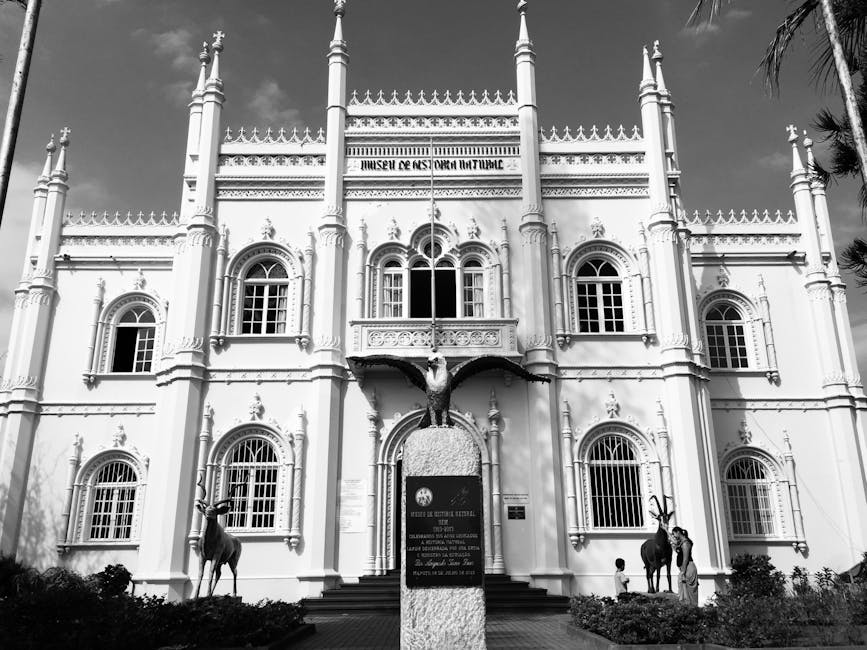
A black and white image of the iconic Museu de Historia Natural in Maputo, Niassa Reserve, Mozambique
| Category | Budget | Mid-range | Luxury |
|---|---|---|---|
| Accommodation | Not available. All stays are full-board safari camps. | $400 – $700 per person per night | $800 – $1,500+ per person per night |
| Meals | Included in all camp rates. | Included (often gourmet) | Included (premium dining) |
| Transport | Charter flights are extra ($500-$800 roundtrip) | Often bundled in packages | Typically included |
| Activities | Game drives, walks usually included | All standard activities included | All activities + specialist guides included |
| Daily Total | N/A | $500 – $900+ pp | $1,000 – $2,000+ pp |
Top Attractions and Must-See Sights
| Attraction | Description | Hours | Entry Fee |
|---|---|---|---|
| Lugenda River | The lifeblood of the reserve; boat safaris here reveal hippos, crocs, and elephants swimming. | Dawn & dusk safaris | Included in camp stay |
| Mecula Hill & Ruins | A dramatic inselberg with ancient ruins, offering panoramic views and a profound sense of history. | Daylight hours | Included in camp stay |
| Community Visits (e.g., Matambwe) | Authentic cultural exchanges with Yao and Makua villages, arranged ethically through your camp. | Morning or afternoon | Small community fee (~$10) |
| Walking Safaris | The ultimate way to connect with the bush, tracking wildlife on foot with an armed guide. | Early morning | Included in camp stay |
3-Day Itinerary: Niassa Reserve, Mozambique’s Highlights & Hidden Gems
Day 1: Arrival & Immersion on the Lugenda
- Morning: Charter flight from Pemba (depart 7:00 AM, 2-hour flight, ~$600 roundtrip) to your camp’s airstrip. A game drive transfer to camp introduces you to the landscape.
- Afternoon: Settle into your tented suite and enjoy lunch at camp. Then, embark on a 3:00 PM boat safari on the Lugenda River, looking for elephant herds crossing and massive Nile crocodiles.
- Evening: Sundowner drinks on a sandbank followed by a night drive back to camp, using spotlights to find nocturnal creatures like bushbabies and genets. Dinner under a canopy of stars.
Day 2: Ancient Hills & Wilderness Walks
- Morning: Pre-dawn wake-up for coffee. A 6:00 AM walking safari (included) – your guide will teach you to read animal tracks and identify medicinal plants. The silence is profound.
- Afternoon: Lunch back at camp. At 4:00 PM, drive to the base of Mecula Hill. A moderate hike leads to the 19th-century ruins, where your guide will recount the history of Swahili traders.
- Evening: Bush dinner set up in a remote location, with lanterns and a campfire, featuring a feast of local Matapa and peri-peri grilled chicken.
Day 3: Culture & Conservation
- Morning: Visit to the nearby Matambwe village (arranged by camp, $10 community fee). Witness daily life, perhaps see crafts being made, and engage in a genuine cultural exchange.
- Afternoon: Your final game drive, focusing on searching for Niassa’s key species: the elusive sable antelope, wild dog packs, and large lion prides. Return to camp for a late lunch.
- Evening: Farewell drinks at the camp’s lookout point, reflecting on the vast, untouched wilderness. Enjoy a final gourmet dinner before your departure the next morning.
Cultural Insights & Etiquette
- Language: Portuguese is official; locally, Yao and Makua languages dominate. Learn “Bom dia” (Good day), “Obrigado/a” (Thank you), and “Por favor” (Please).
- Customs: Always greet people respectfully. Ask permission before photographing anyone. When visiting villages, modest dress is essential, and follow your guide’s lead on protocols.
- Tipping: Tipping is customary. A guideline is $15-$20 per guest per day for your guide, and $10-$15 per guest per day for the general camp staff, usually placed in a communal tip box.
- Dress Code: Neutral, bush-colored clothing (khaki, green, beige) for game drives. Comfortable, sturdy shoes for walking. Smart-casual for evenings at camp.
- Business Hours: This does not apply within the reserve. Safari schedules run on “bush time,” dictated by animal activity and light.
Where to Eat: Niassa Reserve, Mozambique’s Best Bites
Dining in Niassa is an exclusive, all-inclusive experience centered around your safari camp. Meals are often event-based—bush breakfasts, picnic lunches under a baobab, and elegant dinners under the stars. The cuisine blends international standards with superb local flavors.
Must-Try Local Specialties
- Matapa: The national dish. Your camp chef will prepare an exquisite version, often with prawns or fish. It’s a must-try for its unique, earthy flavor.
- Piri-Piri Grilled Prawns or Chicken: Mozambique is famous for its fiery piri-piri sauce. Expect perfectly grilled meats and seafood marinated in this spicy, lemony concoction.
- Freshwater Fish: From the Lugenda River, fish like tilapia are grilled whole over fire and served simply with lime—incredibly fresh and delicious.
Restaurant Recommendations by Budget
| Type | Restaurant | Specialty | Price Range |
|---|---|---|---|
| Luxury Camp Dining | Lugenda Bush Camp | Gourmet bush cuisine with local twists, served in stunning riverfront settings. | Included in stay |
| Luxury Camp Dining | Mbatamila Lodge | Exceptional plated meals with fine South African wines, often featuring bush meat like kudu. | Included in stay |
Where to Stay
Accommodation in Niassa is exclusively in remote, high-end safari camps and lodges. These are not hotels but intimate, full-service operations that include all meals, drinks, and activities. Compare prices and book at Booking.com for some options, or more commonly, book through specialist safari tour operators.
Best Areas for Accommodation
- Lugenda River Frontage: Camps here, like Lugenda Bush Camp, offer prime access to river activities and the constant drama of wildlife coming to drink. You’ll fall asleep to the sound of hippos.
- Near Mecula Hill: Lodges such as Mbatamila offer stunning views of the iconic inselberg and direct access to the hiking and historical sites around it.
- Remote Wilderness Concessions: For the ultimate feeling of isolation, some operators have private concessions deeper in the reserve, offering total exclusivity and tailored guiding.

Dramatic view of a shipwreck on Beira beach with stormy skies and crashing …, Niassa Reserve, Mozambique
FAQs: Your Niassa Reserve, Mozambique Questions Answered
1. Is Niassa Reserve, Mozambique safe at night?
Within the confines of your fenced safari camp, yes, it is very safe. You will always be escorted to and from your tent after dark by a staff member, as wildlife can wander through camp. Never walk alone at night. On night drives, remain seated in the vehicle.
2. What currency is used and are credit cards accepted?
The Mozambican Metical (MZN) is the local currency, but US Dollars are widely accepted. At safari camps, all expenses are settled at the end of your stay. Major camps accept Visa and Mastercard, but connectivity can be unreliable, so carrying some US cash for tips and incidental purchases is a savvy traveler’s move.
3. How do I get from the airport to the city center?
There is no “city center.” Upon landing at Lichinga or Pemba, you will be met by a representative from your safari company who will assist you onto your pre-booked charter flight directly into the reserve. This transfer is critical and must be arranged with your camp. For regional transfers, book airport services at GetYourGuide for convenience.
4. Do I need to speak the local language?
No. English is spoken fluently by all safari guides and camp staff. Portuguese is useful for travel outside the reserve, but within your camp, English is the lingua franca. Learning a few greetings in Portuguese or the local languages is a respectful and appreciated gesture.
5. What’s the appropriate dress code?
Neutral, comfortable safari wear is key. Avoid bright colors and white. Pack layers for cool mornings and warm days. A wide-brimmed hat, sunglasses, and sturdy, closed-toe shoes are essential. Evenings are smart-casual—think collared shirts or blouses and trousers or sundresses, but always prioritize comfort.
Final Thoughts: Niassa Reserve, Mozambique Awaits
Niassa Reserve is not a destination for checklist tourism; it’s a pilgrimage for those seeking the soul of wild Africa. You won’t come home with just photos of the Big Five, but with the memory of a landscape so vast it humbles you, skies so dark the Milky Way casts a shadow, and a silence so complete you can hear your own heartbeat. It demands more effort and investment than famous parks, but the reward is an authenticity that has vanished from most of the continent. Your best bet is to book with a reputable operator, pack your sense of wonder, and prepare to have your definition of wilderness forever rewritten. This is the Africa you dreamed of finding.

