
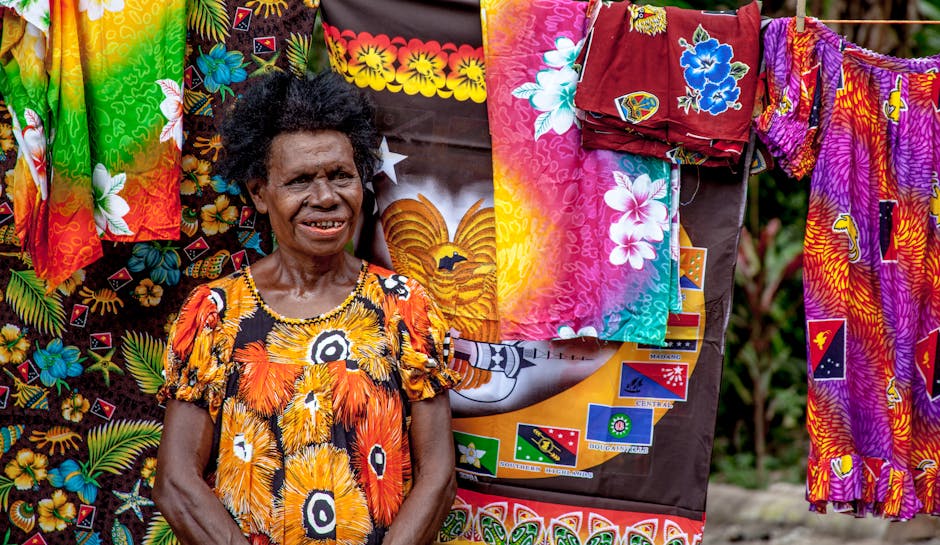
New Ireland, Papua New Guinea: Ultimate Malagan Culture, Untouched Reefs & Island Time (2026)
While crowds flock to Rabaul for its volcano, New Ireland, Papua New Guinea delivers a 200-mile-long tapestry of vibrant culture and pristine nature without the tourist infrastructure. Here, the concept of “island time” isn’t a cliché but a lived reality, where the rhythm is set by the lapping waves on black sand beaches and the intricate, year-long preparations for a single, spectacular Malagan ceremony. Savvy travelers choose differently, trading convenience for the profound privilege of experiencing one of the Pacific’s most authentic cultural landscapes.
Why New Ireland, Papua New Guinea Stands Out

Colorful festival parade featuring participants in traditional attire and h…, New Ireland, Papua New Guinea
- Historic Architecture: The Kavieng Hotel, originally built in 1929, is a classic colonial-era relic with a storied past, famously visited by Amelia Earhart and a base for Japanese forces during WWII.
- Cultural Scene: The Malagan ceremonies are world-renowned, intricate funerary events featuring breathtaking, ephemeral displays of carved poles and masks that represent the spirits of the deceased.
- Local Specialties: You must try Mumu, a celebratory feast where chicken, pork, and root vegetables are slow-cooked with aromatic herbs in an underground oven lined with hot stones.
Pro Tip: Plan your visit for the shoulder months of May or October. You’ll avoid the peak rainfall of the northwest monsoon (Dec-Mar) and the slightly busier, drier season, often securing better rates at lodges and experiencing the island at its most lush and peaceful.
Map of New Ireland, Papua New Guinea
Use these interactive maps to explore New Ireland, Papua New Guinea and plan your route:
📍 View New Ireland, Papua New Guinea on OpenStreetMap
🗺️ Open New Ireland, Papua New Guinea in Google Maps
Planning Your Trip: Practical Essentials
Getting There and Around
- By Air: All flights arrive at Kavieng Airport (KVG). Air Niugini operates regular flights from Port Moresby (2 hours) and Rabaul (45 mins). Book flights at Skyscanner for best deals, but confirm directly with the airline due to schedule changes.
- By Train: There are no train services in Papua New Guinea. Inter-island travel is by air or sea.
- By Car: A single main road, the Boluminski Highway, runs up the east coast. Renting a 4WD is possible but expensive (from PGK 400/day) and best arranged through your lodge. Compare car rentals at RentalCars.com for international providers, but local arrangements are more reliable.
- Local Transport: “PMVs” (Public Motor Vehicles) are shared minibuses that ply the main highway. Fares are cheap (PGK 5-20), but schedules are informal. For flexibility, hiring a driver-guide for the day (PGK 300-500) is your best bet for visiting remote sites.
Best Time to Visit
The climate is tropical year-round, but timing your trip around the rainfall patterns is key. The southeast trade winds bring the driest and most pleasant weather from May to October, making it the peak travel period. The northwest monsoon from December to March brings heavier rains and higher humidity, which can make road travel more challenging but the landscapes incredibly vibrant.
| Season | Weather | Highlights |
|---|---|---|
| Dry Season (May–Oct) | 26-30°C, Lower humidity, Less rain | Ideal for diving, road trips, and outdoor festivals; peak tourist season. |
| Wet Season (Dec–Mar) | 27-32°C, High humidity, Daily showers | Lush scenery, fewer visitors, cultural activities continue indoors; some lodges may close. |
| Shoulder (Apr & Nov) | Transitional weather, occasional storms | Good deals on accommodation, a balance of dry and wet conditions, excellent for photography. |
Budgeting for New Ireland, Papua New Guinea
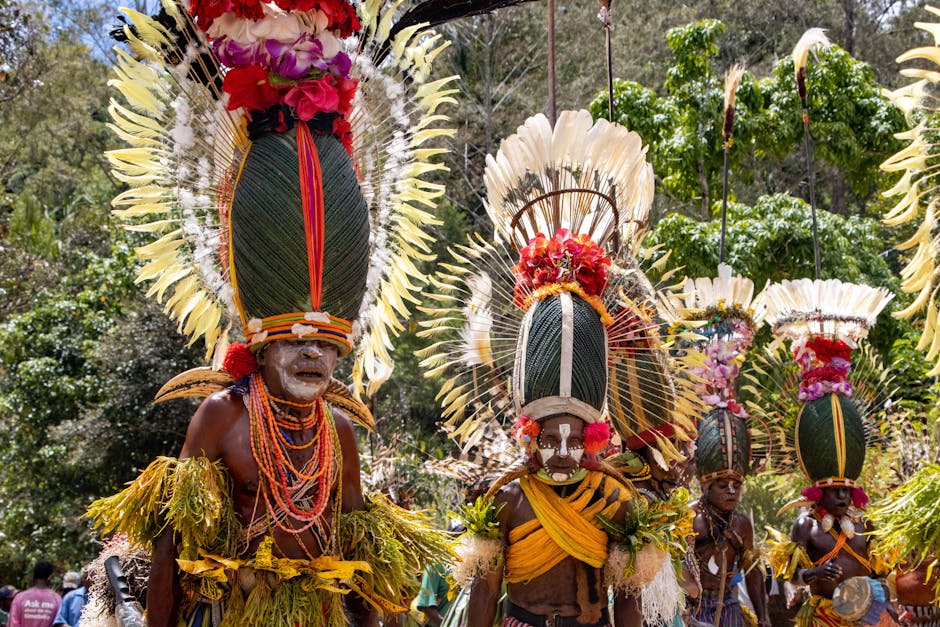
Colorful tribal dancers in traditional attire at a cultural festival in Pap…, New Ireland, Papua New Guinea
| Category | Budget | Mid-range | Luxury |
|---|---|---|---|
| Accommodation | PGK 150-250/night (basic guesthouse) | PGK 400-700/night (comfortable lodge) | PGK 800+/night (all-inclusive island resort) |
| Meals | PGK 20-40 (market food, simple meals) | PGK 50-80 (lodge restaurant) | PGK 100+ (resort fine dining) |
| Transport | PGK 5-50 (PMVs, short boat trips) | PGK 300-500/day (private car & driver) | PGK 1000+/day (private boat charter) |
| Activities | Free (beaches, village walks) | PGK 200-400 (guided cultural tour, 2-tank dive) | PGK 600+ (exclusive Malagan ceremony access, liveaboard diving) |
| Daily Total | PGK 175-340 (~$50-100 USD) | PGK 950-1680 (~$270-480 USD) | PGK 2500+ (~$715+ USD) |
Top Attractions and Must-See Sights
| Attraction | Description | Hours | Entry Fee |
|---|---|---|---|
| Nusa Island Retreat | A stunning offshore island resort with fantastic snorkeling right off the beach and a laid-back vibe. | Day visits by arrangement | PGK 50 (day fee, often redeemable on food/drink) |
| The Boluminski Highway | A historic 160-mile coastal road lined with traditional stilt villages, WWII relics, and countless picturesque stops. | Daylight hours | Free (PMV transport or vehicle hire extra) |
| Kavieng War Memorial & Japanese Guns | Somber reminders of WWII, with well-preserved coastal artillery guns and memorials scattered around Kavieng. | 24/7 | Free |
| Lissenung Island Resort | A tiny private island renowned as one of PNG’s top dive centers, with house reefs teeming with life. | Resort guest or day-dive guest | Dive packages from PGK 450 |
3-Day Itinerary: New Ireland, Papua New Guinea’s Highlights & Hidden Gems
Day 1: Kavieng & Island Life
- Morning (7-9 AM): Start with a stroll through Kavieng Market. Watch the fishing boats come in and browse fresh tropical fruit. Your best bet for a local breakfast is a simple stall selling sweet pineapple and strong local coffee.
- Afternoon (12-3 PM): Take a 10-minute boat transfer (PGK 20) to Nusa Island. Snorkel the vibrant house reef, then have lunch at the Nusa Island Retreat restaurant, trying the grilled Spanish mackerel with coconut cream.
- Evening (6-8 PM): Return to Kavieng for a sunset drink at the Kavieng Hotel’s veranda. For dinner, head to The Cosmopolitan for a hearty mixed grill or fresh barramundi (mains around PGK 60).
Day 2: Culture & History Along the Highway
- Morning (8 AM): Hire a driver-guide (PGK 350 for half-day) to explore the Boluminski Highway. Visit the intricate carvings at the Libba Village Haus Tambaran (spirit house). A small donation of PGK 20-30 to the village is appropriate.
- Afternoon (1 PM): Continue to the hauntingly beautiful black sand beach at Lauan. Enjoy a packed picnic lunch. Stop at the historical site of the German-era Nodup Plantation.
- Evening (6 PM): Dine back in Kavieng. For a mid-range option, The Kavieng Club offers a good standard of Western and local dishes in a relaxed setting (mains PGK 55-80).
Day 3: Ocean Adventures
- Morning (7 AM): Book a two-tank dive trip (PGK 400-500) with Lissenung Island Resort to sites like “Chandris” or “Eel Reef,” famous for incredible coral diversity and pelagic action.
- Afternoon (1 PM): Have lunch on Lissenung Island. Non-divers can enjoy superb snorkeling or simply relax on the beach. Boat transfer from Kavieng is included in dive packages or costs ~PGK 100 return.
- Evening (6 PM): For your final night, savor a classic Mumu feast if your lodge can arrange it (requires advance notice). Otherwise, enjoy fresh seafood at your accommodation and reflect on the slow, profound pace of island life.
Cultural Insights & Etiquette
- Language: Tok Pisin is the lingua franca. Key phrases: “Gude” (Hello), “Tenkyu” (Thank you), “Mi laik baim dispela” (I would like to buy this). English is spoken in tourist areas but learning basics is deeply appreciated.
- Customs: Always ask permission before taking photos of people or sacred objects like Malagan carvings. Respect “tabu” (forbidden) signs. When visiting villages, it’s customary to present a small gift to the chief, like betel nut or tobacco.
- Tipping: Not a traditional practice, but a small cash gift for exceptional service is welcomed. For guides, rounding up the fee or giving an extra PGK 20-50 is generous.
- Dress Code: Modesty is key, especially away from resorts. Women should cover shoulders and knees in villages. Swimwear is only for the beach. A lightweight “meri blouse” (local blouse) is a respectful and cool option.
- Business Hours: Shops in Kavieng are typically open 8 AM-4 PM weekdays, 8 AM-12 PM Saturdays. Everything closes on Sunday. Banks have shorter hours (9 AM-3 PM).
Where to Eat: New Ireland, Papua New Guinea’s Best Bites
Dining here is less about fine restaurants and more about fresh, local ingredients prepared simply. Your lodge will often be your primary eatery. The seafood is spectacular—tuna, mackerel, and lobster are common. Don’t miss the chance to try local staples like taro, sweet potato (kaukau), and greens cooked in coconut milk.
Must-Try Local Specialties
- Mumu: The ultimate celebratory dish. Meat and vegetables are wrapped in banana leaves and cooked for hours in a stone-lined pit. Best experienced at a village feast arranged through your lodge.
- Kokoda: PNG’s answer to ceviche. Fresh raw fish is “cooked” in lime juice and mixed with coconut cream, chili, and tomato. Served cold and incredibly refreshing.
- Saksak: A traditional pudding made from sago palm starch, often steamed in bamboo with banana or coconut. It’s a staple carbohydrate with a unique, gelatinous texture.
Restaurant Recommendations by Budget
| Type | Restaurant | Specialty | Price Range |
|---|---|---|---|
| Budget | Kavieng Market Stalls | Fresh fruit, fried fish & kaukau, simple stir-fries | PGK 5-15 |
| Mid-range | The Cosmopolitan, Kavieng | Grilled steaks, local seafood plates, and cold beer | PGK 40-70 |
| Fine dining | Nusa Island Retreat Restaurant | Creative fusion dishes using local produce, with ocean views | PGK 70-120 |
Where to Stay
Accommodation ranges from basic guesthouses in Kavieng to exquisite, remote island resorts. Booking directly or through a specialized PNG travel agent is often more reliable than large online portals. Compare prices and book at Booking.com for some Kavieng options, or Airbnb for apartments, but for the unique resorts, their own websites are best.
Best Neighborhoods for Accommodation
- Kavieng Town: Offers convenience, access to shops, and a few guesthouses. It’s functional but lacks the tropical paradise feel. Best for travelers on a tight budget or needing frequent town access.
- Offshore Islands (Nusa, Lissenung): The top choice for most visitors. You get stunning settings, direct reef access, and a peaceful escape. Perfect for divers, snorkelers, and those seeking relaxation.
- Boluminski Highway Villages: A few community-run guesthouses offer incredibly authentic homestay experiences. This is for the adventurous traveler seeking deep cultural immersion, with basic amenities.

Portrait of an elderly man wearing a hat, sitting outdoors in Papua New Guinea., New Ireland, Papua New Guinea
FAQs: Your New Ireland, Papua New Guinea Questions Answered
1. Is New Ireland, Papua New Guinea safe at night?
Kavieng is generally safe, but like anywhere, take sensible precautions. Avoid walking alone in unlit areas at night. In villages and resorts, safety is rarely a concern. Petty crime can occur, so don’t leave valuables unattended. Your biggest safety focus should be on health precautions (malaria prophylaxis) and road/sea travel safety.
2. What currency is used and are credit cards accepted?
The currency is the Papua New Guinea Kina (PGK). Carry ample cash, as credit cards are only accepted at the larger resorts (Nusa, Lissenung) and the Kavieng Hotel. ATMs are available in Kavieng but can be unreliable. Traveler’s checks are difficult to cash. Plan your cash needs for your entire stay.
3. How do I get from the airport to the city center?
Kavieng Airport is just a 10-minute drive from town. Most lodges provide pre-arranged transfers (PGK 50-100). Taxis are usually available for a similar price. There is no public bus. For ease, book your airport transfer in advance through your accommodation. For wider tour planning, you can also browse options at GetYourGuide for regional activities.
4. Do I need to speak the local language?
No, but it helps immensely. English is an official language and spoken in tourist areas, but in villages, Tok Pisin reigns. Learning a few phrases of Tok Pisin will transform your interactions, opening doors and generating warm smiles. Locals appreciate the effort enormously.
5. What’s the appropriate dress code?
Think modest and practical. Lightweight, loose-fitting clothing that covers shoulders and knees is essential for village visits. Sturdy sandals or shoes are needed for uneven paths. A wide-brimmed hat, sunglasses, and reef-safe sunscreen are non-negotiable. Always have a rain jacket or

