
Nauta, Peru’s Hidden River Confluences, Pink Dolphins & Amazonian Culture (2025)
At 5:30 AM, the confluence of the Ucayali and Marañón rivers near Nauta begins its daily transformation. The distinct, swirling currents of these two mighty Amazon tributaries—one carrying dark, sediment-rich water, the other a lighter, clay-colored flow—merge to officially form the Amazon River itself. This isn’t just a geographical point; it’s where you can stand and watch the birth of the world’s greatest river, a spectacle witnessed by fewer than 5,000 international travelers each year, yet central to the entire Amazon basin’s identity.
Why Nauta, Peru Stands Out

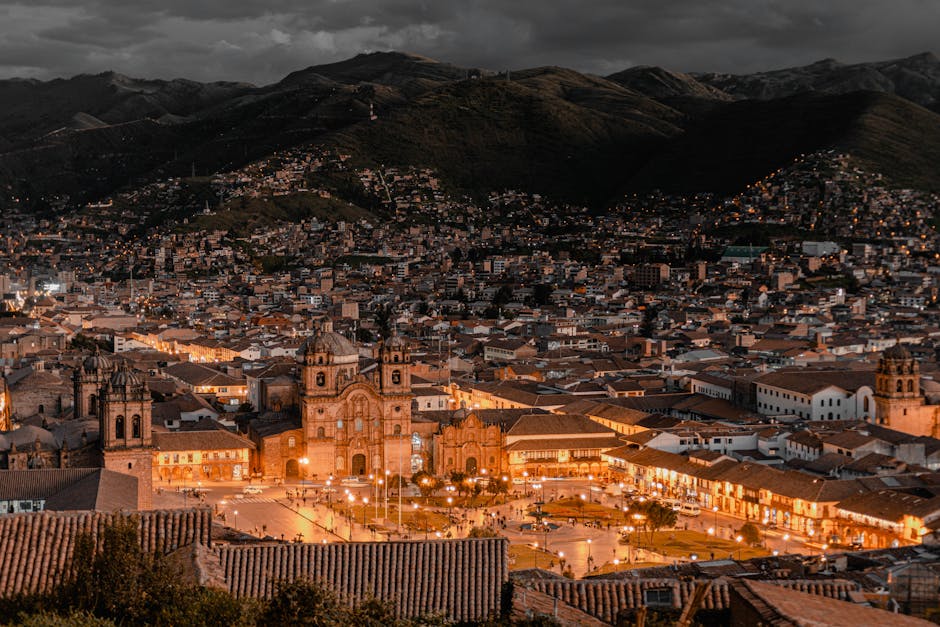
Aerial view of the historic urban landscape in Lima, Nauta, Peru
- Historic Architecture: The 19th-century Nauta Cathedral, built with traditional materials from the jungle, stands as a testament to the town’s role as one of the oldest settlements in the Peruvian Amazon, founded in 1830.
- Cultural Scene: The annual Festival of San Juan in June sees the riverfront come alive with processions, traditional music, and the preparation of *juanes*, a local dish of rice, chicken, and spices wrapped in bijao leaves.
- Local Specialties: You must try *tacacho con cecina*—a hearty plate of mashed and fried green plantains served with smoked pork—best enjoyed at a simple riverside comedor.
Pro Tip: The absolute best time to visit is during the dry season from May to October. Water levels are lower, hiking trails in the surrounding rainforest are accessible, and wildlife viewing is concentrated around remaining water sources. For the Festival of San Juan, book accommodation at least three months in advance.
Map of Nauta, Peru
Use these interactive maps to explore Nauta, Peru and plan your route:
📍 View Nauta, Peru on OpenStreetMap
🗺️ Open Nauta, Peru in Google Maps
Planning Your Trip: Practical Essentials
Getting There and Around
- By Air: Fly into Coronel FAP Francisco Secada Vignetta International Airport (IQT) in Iquitos. From Iquitos, it’s a 1.5 to 2-hour drive (95 km) south to Nauta via the only road out of the city. Book flights at Skyscanner for best deals.
- By Train: There are no train services to Nauta or the Iquitos region, as it’s accessible only by air and river due to its remote jungle location.
- By Car: The drive from Iquitos is straightforward on a single paved road. Car rentals are available in Iquitos, but most visitors hire a taxi or arrange a transfer. Compare car rentals at RentalCars.com for Iquitos pick-up.
- Local Transport: Within Nauta, the town is easily walkable. Mototaxis are the primary mode of transport for short trips, costing around 3-5 PEN (about $0.80-$1.30 USD) per ride within the town limits.
Best Time to Visit
Your experience in Nauta is dramatically shaped by the Amazon’s two distinct seasons: the high-water (rainy) season and the low-water (dry) season. Each offers unique advantages, from river access to wildlife spotting.
| Season | Weather | Highlights |
|---|---|---|
| Dry Season (May–Oct) | Warm, 75-90°F (24-32°C), less rain, lower humidity. | Best for hiking, visiting clay licks, easier wildlife spotting on trails, and attending the San Juan festival in June. Crowds are slightly higher but still minimal. |
| Wet Season (Nov–Apr) | Hot, humid, 75-95°F (24-35°C), frequent heavy rainfall. | Rivers are high, allowing for canoe exploration deep into flooded forests (known as *igapó*). Excellent for birdwatching and fishing. Very few tourists. |
| Shoulder (Apr/Oct-Nov) | Transitional weather, sporadic showers, warm temperatures. | A good balance with fewer visitors, changing landscapes, and the chance to experience both river and trail activities as water levels shift. |
Budgeting for Nauta, Peru

A vibrant religious procession in Tapo, Nauta, Peru
| Category | Budget | Mid-range | Luxury |
|---|---|---|---|
| Accommodation | 40-80 PEN ($10-$20 USD) for a basic hostel or guesthouse. | 150-300 PEN ($40-$80 USD) for a comfortable, clean hotel or eco-lodge room. | 400+ PEN ($105+ USD) for a full-service jungle lodge package including meals and tours. |
| Meals | 8-15 PEN ($2-$4 USD) for a set lunch (*menú*) at a local comedor. | 25-50 PEN ($7-$13 USD) for a meal at a decent restaurant. | 60+ PEN ($16+ USD) for a curated meal at a lodge or nicer restaurant. |
| Transport | 3-5 PEN ($0.80-$1.30 USD) for mototaxis; shared colectivo from Iquitos (~15 PEN/$4 USD). | Private taxi from Iquitos (120-150 PEN/$32-$40 USD). | Private car with guide/transfer from Iquitos (200+ PEN/$53+ USD). |
| Activities | Free walks along the malecón; visiting the market. | Half-day boat tour to the confluence (80-120 PEN/$21-$32 USD). | Multi-day guided expeditions from a lodge into the Pacaya-Samiria Reserve. |
| Daily Total | 60-110 PEN ($16-$29 USD) | 280-500 PEN ($74-$132 USD) | 700+ PEN ($185+ USD) |
Top Attractions and Must-See Sights
| Attraction | Description | Hours | Entry Fee |
|---|---|---|---|
| The Confluence (Birth of the Amazon) | Take a boat to where the Ucayali and Marañón rivers merge; look for the distinct line separating their waters. | Best visited early morning (6-10 AM) for calm waters. | Boat tour required: 80-120 PEN ($21-$32 USD) per person for a half-day. |
| Nauta Malecón (Riverfront Walkway) | The social heart of town, perfect for sunset views, watching river traffic, and spotting pink river dolphins. | Always accessible. | Free |
| Mercado de Nauta (Central Market) | A sensory immersion into Amazonian life, with exotic fruits, fresh fish, and local crafts. | 6:00 AM – 3:00 PM daily. | Free to browse |
| Pacaya-Samiria National Reserve Access | Nauta is a key gateway to this massive protected area, a biodiversity hotspot for jungle expeditions. | Access via licensed tour operators only. | Reserve entry fee ~30 PEN ($8 USD), plus tour costs. |
3-Day Itinerary: Nauta, Peru’s Highlights & Hidden Gems
Day 1: Arrival & Immersion in River Life
- Morning (7-9 AM): Arrive from Iquitos via pre-booked taxi. After settling in, head straight to the **Mercado de Nauta**. Your best bet is to try a fresh *aguaje* fruit or its vitamin-rich juice from a market stall.
- Afternoon (12-3 PM): Enjoy a set lunch (*menú del día*) at **Comedor Doña María** near the market, where the *pescado a la chorrillana* (fish in a tomato and onion sauce) is a local favorite. Then, take a leisurely walk along the **malecón** to get your bearings.
- Evening (6-8 PM): As the heat fades, join locals on the malecón for the sunset. For dinner, try **Restaurant El Encuentro** for their generous *parrilladas* (mixed grills). Listen for the sounds of the jungle awakening at night.
Day 2: The Birth of the Amazon & Pink Dolphins
- Morning (6-10 AM): Book a boat tour (approx. 100 PEN/$26 USD) to **the Confluence**. Depart at dawn for the best light and wildlife activity. Keep your eyes peeled for the iconic pink river dolphins that often play in these waters. Your guide will explain the geography and ecology.
- Afternoon (12-3 PM): Return to town for a late lunch at a riverside spot like **El Mirador**. Then, visit the simple but historic **Nauta Cathedral** to appreciate its role in the community.
- Evening (6-8 PM): This is your chance to try the regional specialty. Head to a no-frills *cevichería* for *ceviche de dorado* (made with a local river fish), which is surprisingly refreshing. Enjoy a quiet evening, as Nauta nightlife is very subdued.
Day 3: Jungle Fringes & Cultural Insight
- Morning (7-11 AM): Hire a mototaxi (15 PEN/$4 USD) to take you to a community on the outskirts, like **San Regis**, to see daily life beyond the town center. You can visit a small family farm (*chacra*) to learn about local crops like yucca and plantains.
- Afternoon (12-3 PM): Have lunch back in town. Then, if you’re feeling adventurous, arrange a short guided walk on a trail leading into the secondary forest, where you can look for birds, monkeys, and giant ceiba trees.
- Evening (6-8 PM): For your final meal, savor a plate of authentic **tacacho con cecina** at **Comedor La Sazon de la Abuela**. Take one last stroll on the malecón, reflecting on the powerful, quiet majesty of the Amazon you’ve witnessed.
Cultural Insights & Etiquette
- Language: Spanish is essential. Basic phrases like “Buenos días” (Good morning), “Gracias” (Thank you), and “¿Cuánto cuesta?” (How much?) go a long way. Very little English is spoken outside of lodges.
- Customs: Greetings are important. Always say “Buenos días/tardes” when entering a shop or starting a conversation. Be respectful when taking photos of people—always ask permission first with a smile and a “¿Una foto, por favor?”
- Tipping: A 10% tip is appreciated in sit-down restaurants if service isn’t included. For guides, tip 15-20 PEN ($4-$5 USD) for a half-day tour, 30-50 PEN ($8-$13 USD) for a full day, depending on group size and service.
- Dress Code: Light, breathable, quick-dry clothing is key. Long sleeves and pants are recommended for jungle walks to protect from insects. Dress is modest and casual in town.
- Business Hours: Shops typically open from 8:00 AM to 1:00 PM, close for siesta, and reopen from 4:00 PM to 8:00 PM. Many close on Sundays. Government offices keep morning hours only.
Where to Eat: Nauta, Peru’s Best Bites
Dining in Nauta is a lesson in hearty, river-sustained cuisine. You won’t find fancy fusion here; you’ll find robust flavors from the jungle and the river, served with genuine hospitality in family-run *comedores* and simple restaurants. Fish is the star, often caught just hours before it hits your plate.
Must-Try Local Specialties
- Tacacho con Cecina: The ultimate Amazonian comfort food. Mashed and fried green plantains (tacacho) are served with slices of deliciously smoky, sun-dried pork (cecina). Best tried at traditional spots like **Comedor La Sazon de la Abuela**.
- Juane: A flavorful bundle of rice, chicken, olives, and hard-boiled egg, all seasoned with local herbs and wrapped in the aromatic bijao leaf before being boiled. It’s the festival food of San Juan but available year-round in the market.
- Pescado a la Loretana: A whole river fish (like *doncella* or *paiche*) baked or grilled with a topping of onions, tomatoes, and peppers. For the freshest version, ask at restaurants on the malecón like **El Mirador** what they’ve brought in that day.
Restaurant Recommendations by Budget
| Type | Restaurant | Specialty | Price Range |
|---|---|---|---|
| Budget | Comedor Doña María (Near Market) | Reliable *menú del día* with soup, main, and drink. | 8-12 PEN ($2-$3 USD) |
| Mid-range | Restaurant El Encuentro (Jr. Progreso) | Great for grilled meats (*parrilladas*) and local fish dishes. | 25-45 PEN ($7-$12 USD) |
| Fine dining | Lodge Restaurants (e.g., at an eco-lodge) | Multi-course dinners featuring gourmet interpretations of Amazon ingredients, often included in lodge packages. | Part of package / 60+ PEN ($16+ USD) |
Where to Stay
Accommodation in Nauta ranges from very basic town hotels to comfortable jungle lodges located a short boat ride away. Most visitors choose between staying in the town center for budget and convenience or at a lodge for an immersive nature experience. Compare prices and book at Booking.com or Airbnb for apartments (limited selection).
Best Neighborhoods for Accommodation
- Town Center (Near the Malecón & Plaza): This is where you’ll find most hotels and guesthouses. It’s perfect for walkability, easy access to restaurants, and soaking up local life. It can be a bit noisier during the day. Best for budget travelers and independent explorers.
- Riverside Lodge Areas (Outside Town): Several eco-lodges are situated on the riverbanks a 20-45 minute boat ride from Nauta. This option offers tranquility, direct jungle access, and guided activities, but you’re more isolated from the town itself. Ideal for those prioritizing wildlife and nature.
- Residential Areas (South of Center): Quieter, with a few family-run hospedajes. You’ll get a more authentic residential feel but will rely on mototaxis to get to the main attractions. A good choice for travelers seeking quiet and longer stays.

Blurred motion captures bustling nightlife in Cusco, Nauta, Peru
FAQs: Your Nauta, Peru Questions Answered
1. Is Nauta, Peru safe at night?
Nauta is generally a safe and quiet town. Basic precautions are wise: stick to

