
Namibe, Angola’s Epic Deserts, Dunes & Deserted Beaches (2025)
Sunrise over the Welwitschia Mirabilis reveals a botanical time capsule—a plant that can live for over 2,000 years in the world’s oldest desert, the Namib. The air is crisp, carrying the scent of the cold Atlantic, while the rust-red dunes of the Iona National Park begin to glow. This is Namibe, a province where the world’s most ancient landscapes meet a resilient coastal culture, offering a stark, beautiful contrast you simply won’t find on the typical African safari circuit.
Why Namibe, Angola Stands Out
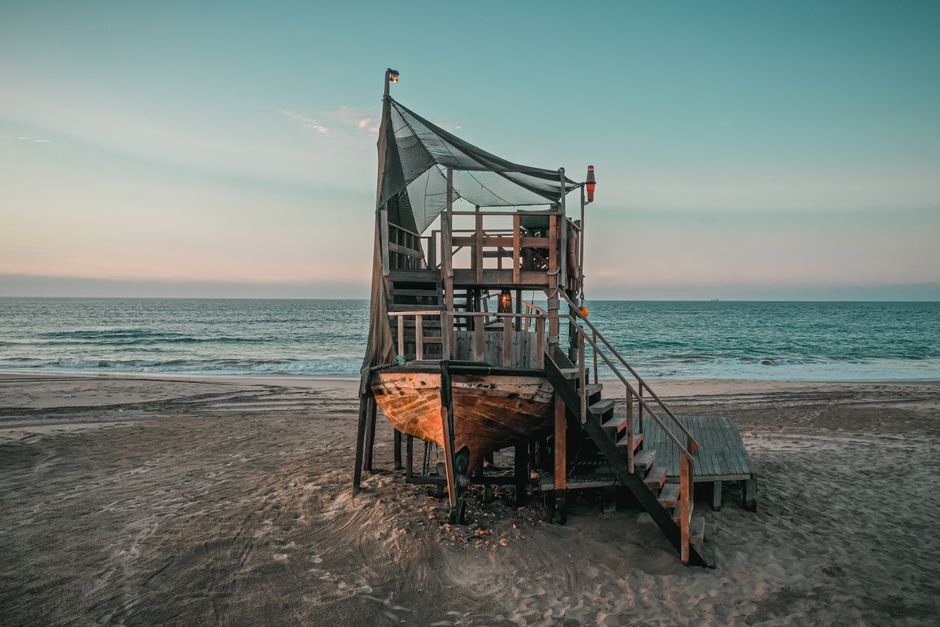
A rustic wooden boat structure stands elegantly on the sandy shores of Namibe, Namibe, Angola
- Historic Architecture: The Fort of São Fernando, built in 1840, stands as a stark white sentinel overlooking the bay, a testament to the region’s colonial past and strategic importance.
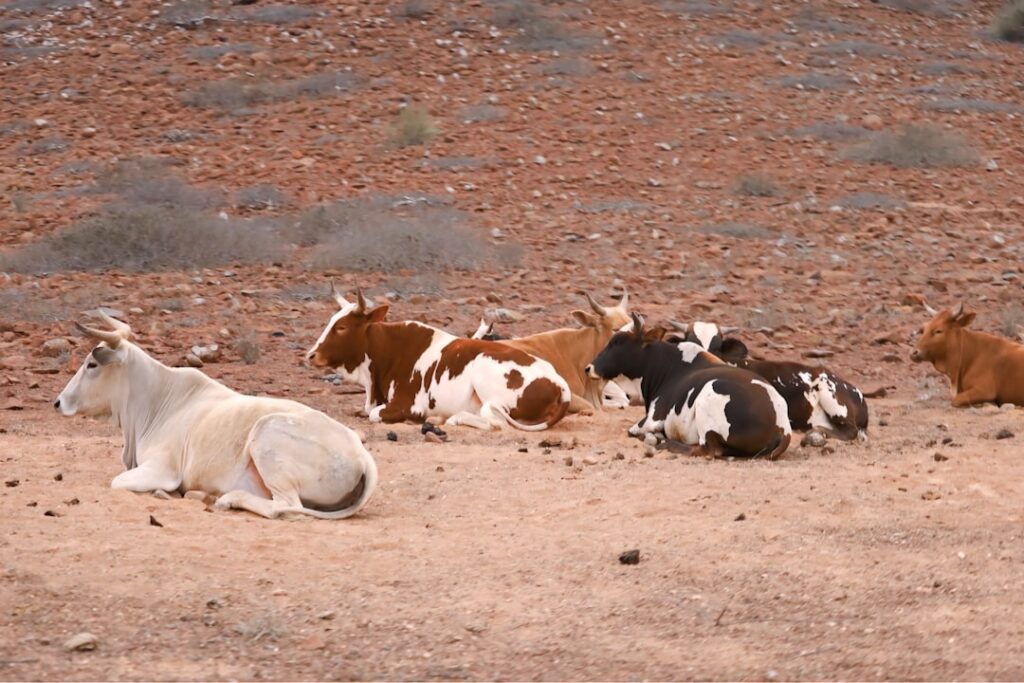
- Cultural Scene: The annual Mucubais Festival celebrates the semi-nomadic Mucubal people, featuring traditional dances, cattle ceremonies, and intricate body adornment rarely seen by outsiders.
- Local Specialties: You must try *Mufete de Peixe*, a feast of grilled fresh fish (often sea bream or grouper) served with beans, sweet potato, plantains, and *pirão* (a manioc flour porridge).
Pro Tip: The absolute best time to visit is from May to October. This is the dry “Cacimbo” season, with virtually no rain, cooler temperatures (especially at night), and clear skies. It’s perfect for desert exploration and wildlife viewing, before the humid heat returns in November.
Map of Namibe, Angola
Use these interactive maps to explore Namibe, Angola and plan your route:
📍 View Namibe, Angola on OpenStreetMap
🗺️ Open Namibe, Angola in Google Maps
Planning Your Trip: Practical Essentials
Getting There and Around
- By Air: Fly into Yuri Gagarin Airport (MSZ) in Moçâmedes (the provincial capital, often called Namibe city). TAAG Angola Airlines offers regular flights from Luanda (approx. 1.5 hours). A taxi to the city center costs around 5,000 AOA. Book flights at Skyscanner for best deals.
- By Train: The Moçâmedes Railway connects Namibe to Menongue in the interior. It’s more of a scenic, local experience than a fast tourist service; schedules can be irregular. Reserve tickets at Trainline or the national railway website.
- By Car: The EN-100 from Lubango is a stunning but mountainous drive. A 4×4 is essential for any desert excursions. Parking is generally easy in the city. Compare car rentals at RentalCars.com.
- Local Transport: *Candongueiros* (shared minibuses) are the main public transport within the city (approx. 200 AOA per ride). For attractions outside the city, hiring a private driver-guide for the day (approx. 25,000-40,000 AOA) is your most reliable and informative option.
Best Time to Visit
Namibe’s climate is defined by the cold Benguela Current, creating a coastal desert. The weather is pleasantly mild for most of the year, but the interior desert can be extreme.
| Season | Weather | Highlights |
|---|---|---|
| Dry Season (May–Oct) | Cool, dry, and sunny. Coastal temps 18-25°C (64-77°F), desert nights can drop to 5°C (41°F). | Ideal for desert safaris, hiking, and beach visits. Minimal crowds. Peak wildlife viewing in Iona NP. |
| Hot Season (Nov–Apr) | Hot and humid, especially Dec-Feb. Coastal temps 25-32°C (77-90°F) with occasional morning fog (*cacimbo*). | Warmer sea temperatures for swimming. Lush greenery in the highlands. Fewer tourists but less comfortable for desert exploration. |
| Shoulder (Mar–Apr) | Transitional, with decreasing humidity. Pleasant coastal temperatures. | Good value and decent weather. A smart choice to avoid the peak heat while enjoying quieter conditions. |
Budgeting for Namibe, Angola

Aerial view of Lubango city with a prominent church in Huíla, Namibe, Angola
| Category | Budget | Mid-range | Luxury |
|---|---|---|---|
| Accommodation | 8,000-15,000 AOA (guesthouse) | 25,000-50,000 AOA (boutique hotel) | 70,000+ AOA (full-service resort) |
| Meals | 2,000-4,000 AOA (local *quiosque* or market) | 5,000-10,000 AOA (sit-down restaurant) | 15,000+ AOA (hotel fine dining) |
| Transport | 1,000 AOA/day (*candongueiros*) | 10,000-15,000 AOA/day (taxi/rental car) | 40,000+ AOA/day (private 4×4 with driver) |
| Activities | Free (beaches, city walks) | 5,000-15,000 AOA (museum entry, guided tours) | 30,000+ AOA (private desert safari) |
| Daily Total | 11,000-20,000 AOA | 45,000-80,000 AOA | 155,000+ AOA |
Top Attractions and Must-See Sights
| Attraction | Description | Hours | Entry Fee |
|---|---|---|---|
| Iona National Park | Vast desert park with towering dunes, rare wildlife (oryx, springbok), and the dramatic Serra da Neve mountain range. | Sunrise to Sunset | ~5,000 AOA (plus guide fee) |
| Miradouro da Lua (Moon Viewpoint) | Eroded cliffs resembling a lunar landscape, offering breathtaking sunset views over the Atlantic Ocean. | 24/7 (best at sunset) | Free |
| Welwitschia Mirabilis Plains | See the ancient, endemic “living fossil” plants on a guided tour into the Namib Desert north of the city. | Morning tours recommended | ~8,000 AOA (with guide) |
| Praia do Bispo (Bishop’s Beach) | A stunning, wide sandy beach framed by cliffs, perfect for a walk, though swimming is dangerous due to strong currents. | 24/7 | Free |
3-Day Itinerary: Namibe, Angola’s Highlights & Hidden Gems
Day 1: Desert Giants & Coastal Cliffs
- Morning (7-9 AM): Depart early for the Welwitschia Plains with a local guide (approx. 20,000 AOA for a half-day tour). Your guide will help you spot these incredible, ancient plants and explain their biology.
- Afternoon (12-3 PM): Return to the city for lunch at Restaurante Mar e Sol on the waterfront for their superb grilled lobster. Afterwards, visit the small but insightful Museu Regional do Namibe (1,000 AOA) to understand the area’s geology and ethnic groups.
- Evening (6-8 PM): Drive to Miradouro da Lua for a spectacular sunset. Then, head to Kizomba Bar near the port for a casual dinner of fresh fish and a cold Cuca beer with the locals.
Day 2: The Heart of Iona National Park
- Morning (5 AM departure): Full-day 4×4 safari into Iona National Park (from 30,000 AOA per person with a tour operator). This is your chance to see desert-adapted elephants (if you’re very lucky), oryx, and springbok against a backdrop of surreal, red dunes.
- Afternoon (Picnic Lunch): Your tour will provide a picnic lunch at a scenic spot within the park. Keep your camera ready for the changing light on the dunes.
- Evening (7 PM): Return exhausted but exhilarated. Enjoy a relaxed dinner at your hotel or try Churrascaria Moçâmedes for hearty Angolan-style grilled meats.
Day 3: City Charms & Serene Beaches
- Morning (9 AM): Stroll along the Baía dos Tigres waterfront, see the fishing boats, and visit the Fort of São Fernando. Then, take a short taxi ride (2,000 AOA) to the vibrant Mercado Municipal to see local produce and crafts.
- Afternoon (1 PM): Drive south to the pristine Praia do Bispo. While swimming isn’t advised, the walk is magnificent. For lunch, stop at a beachside *quiosque* for a simple, fresh fish plate.
- Evening (6 PM): Your final evening calls for a feast. Book a table at Restaurante Miradouro (not to be confused with the viewpoint) for a top-tier *Mufete de Peixe* while overlooking the city lights.
Cultural Insights & Etiquette
- Language: Portuguese is the official language. Learning a few phrases like “Bom dia” (Good morning), “Obrigado/a” (Thank you), and “Quanto custa?” (How much?) is appreciated. English is not widely spoken outside major hotels.
- Customs: Greetings are important. A handshake with direct eye contact is standard. Always ask for permission before photographing people, especially the Mucubal and other semi-nomadic groups—it is respectful and often expected.
- Tipping: Not mandatory but appreciated. In restaurants, 5-10% for good service is generous. For guides and drivers, 2,000-5,000 AOA per day is a good guideline.
- Dress Code: Casual but modest dress is recommended. In the city, shorts and t-shirts are fine. For desert trips, wear long, light layers, a wide-brimmed hat, and sturdy shoes. When visiting local communities, dressing conservatively shows respect.
- Business Hours: Shops generally open 8 AM-12 PM and 2 PM-6 PM, closing for a long lunch. Government offices keep similar hours. Many businesses are closed on Sunday.
Where to Eat: Namibe, Angola’s Best Bites
Namibe’s cuisine is a gift from the sea and the desert. You’ll find exceptional local tavernas serving the day’s catch, often grilled simply over charcoal. Dining is a social, relaxed affair, with large platters meant for sharing.
Must-Try Local Specialties
- Mufete de Peixe: The regional signature. A whole grilled fish served with a symphony of sides: beans cooked in palm oil, sweet potato, boiled plantain, cassava, and *pirão*. Best tried at a dedicated seafood restaurant like Mar e Sol.
- Calulu de Peixe: A flavorful fish stew made with dried fish, okra, tomatoes, onions, and garlic, often served with funge (cassava porridge). Look for it at local *quitandas* (small eateries).
- Mariscos Grelhados: Simply grilled shellfish—prawns, lobster, crab—caught fresh from the cold Atlantic waters. Served with a piri-piri lime sauce. Any restaurant on the waterfront is a good bet.
Restaurant Recommendations by Budget
| Type | Restaurant | Specialty | Price Range |
|---|---|---|---|
| Budget | Quitanda Familiar (near the market) | Hearty, home-style Calulu and Funge | 2,500 – 4,000 AOA |
| Mid-range | Restaurante Kizomba (Port area) | Lively atmosphere, perfect for grilled fish and beer | 5,000 – 9,000 AOA |
| Fine dining | Restaurante Miradouro (City center) | Elegant setting and the definitive Mufete experience | 12,000 – 20,000 AOA |
Where to Stay
Accommodation ranges from basic guesthouses to a few comfortable hotels. Most options are concentrated in Moçâmedes (Namibe city), which serves as the practical base for exploring the region. Compare prices and book at Booking.com or Airbnb for apartments.
Best Neighborhoods for Accommodation
- City Center (Baía dos Tigres area): The most convenient location. You’ll be walking distance to restaurants, the waterfront, and the fort. It suits first-time visitors who want easy access to amenities.
- Along the EN-100 (Lubango Road): A few hotels are situated here, offering more space and quieter surroundings, often with great views. It’s ideal for those with a car who don’t mind a short drive into town.
- Near Praia do Bispo: For a more secluded, beach-focused stay, a couple of lodgings are available south of the city. This suits travelers seeking tranquility and direct access to the stunning coastline.
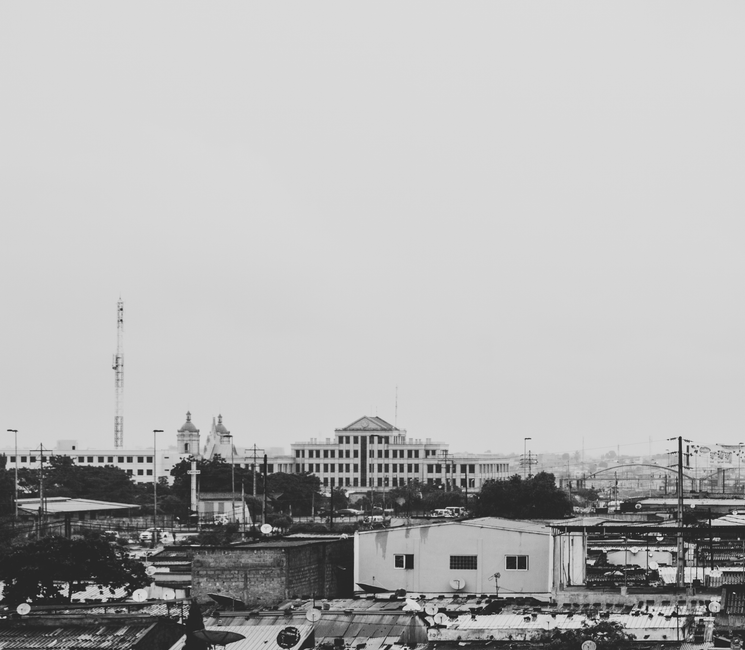
Black and white view of Angola’s urban cityscape with distinctive architecture., Namibe, Angola
FAQs: Your Namibe, Angola Questions Answered
1. Is Namibe, Angola safe at night?
Namibe city is generally calm. As in any place, practice common sense: avoid poorly lit, deserted areas at night, don’t flash valuables, and use registered taxis for evening transport. The desert areas should only be visited with a reputable guide. Petty crime exists but violent crime against tourists is rare.
2. What currency is used and are credit cards accepted?
The Angolan Kwanza (AOA) is the currency. Carry ample cash, as credit cards are only accepted at larger hotels, some upscale restaurants, and the airport. ATMs are available in the city center but can sometimes be out of cash or service. US Dollars or Euros can be exchanged at banks or *câmbios* (exchange bureaus).
3. How do I get from the airport to the city center?
Yuri Gagarin Airport is about 7km from the city. Your options are an official airport taxi (approx. 5,000 AOA, agree on price first), pre-booking a hotel transfer, or using a ride-hailing app if you have a local SIM. The journey takes 15-20 minutes. Book airport transfers at GetYourGuide for convenience

