
Naha, Japan (Okinawa): Essential Ryukyu Culture, Turquoise Seas & Longevity Secrets (2025)
While crowds flock to Tokyo’s neon-lit streets, Naha offers a subtropical escape where centenarians outnumber traffic jams and the world’s healthiest population enjoys life at a slower pace. Here in Okinawa’s capital, you’ll discover why locals live longer than anywhere else on Earth while exploring a unique culture that flourished as the independent Ryukyu Kingdom for 450 years. The secret lies in the island’s “ikigai” philosophy – finding purpose in everyday moments, from morning fish markets to sunset castle views.
Why Naha, Japan (Okinawa) Stands Out

Crow beside coconut trees and concrete building at daytime, Naha, Japan (Okinawa)
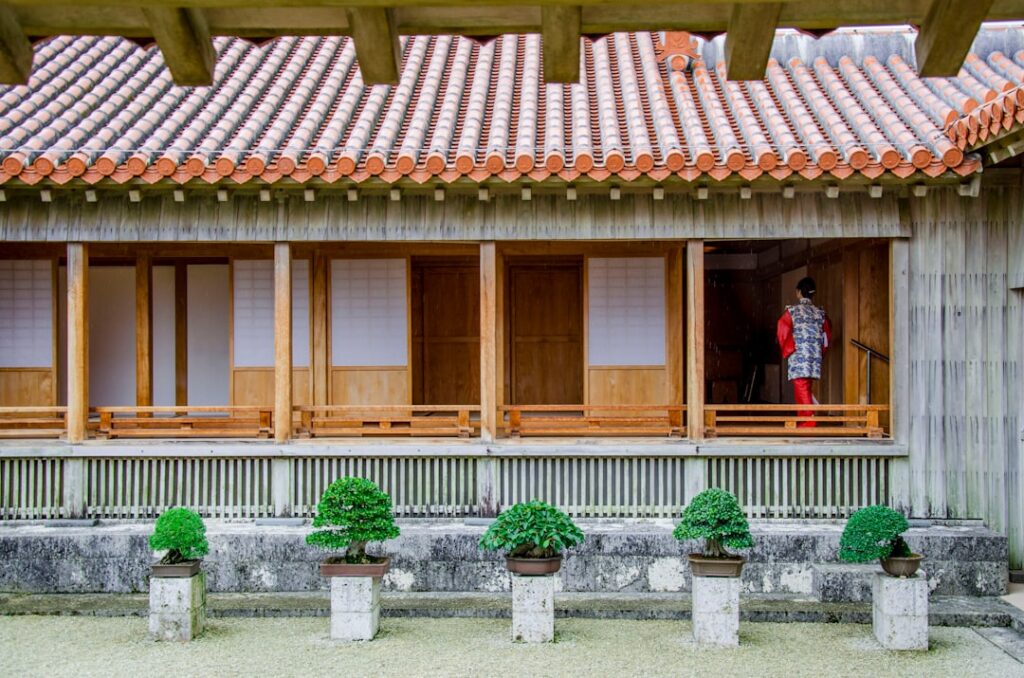
- Historic Architecture: Shuri Castle, rebuilt after WWII destruction and meticulously restored in 1992, served as the royal palace of the Ryukyu Kingdom from 1429-1879.
- Cultural Scene: The annual Naha Hari Dragon Boat Race each May features 400-year-old traditions with elaborately decorated boats racing through Naha Port.
- Local Specialties: Okinawa soba – wheat noodles in pork broth topped with spare ribs, completely different from mainland Japan’s buckwheat soba.
Pro Tip: Visit between late October and early December when the weather is perfect (22-26°C), summer crowds have departed, and you’ll catch the Naha Festival in November featuring the spectacular Shuri Castle parade reenacting royal processions.
Map of Naha, Japan (Okinawa)
Use these interactive maps to explore Naha, Japan (Okinawa) and plan your route:
📍 View Naha, Japan (Okinawa) on OpenStreetMap
🗺️ Open Naha, Japan (Okinawa) in Google Maps
Planning Your Trip: Practical Essentials
Getting There and Around
- By Air: Naha Airport (OKA) serves as Okinawa’s main gateway with direct flights from Tokyo (2.5 hours), Osaka (2 hours), and seasonal international routes. The airport connects to the city via monorail (25 minutes, ¥330). Book flights at Skyscanner for best deals.
- By Train: No direct train service from mainland Japan – you’ll fly or take ferries. The Yui Rail monorail efficiently connects major Naha attractions. Reserve tickets at Trainline or the national railway website for mainland Japan travel.
- By Car: Route 58 runs north-south through Naha, perfect for exploring beyond the city. Parking costs ¥300-500/hour downtown. Compare car rentals at RentalCars.com.
- Local Transport: Yui Rail monorail day passes cost ¥800, buses cover wider areas (¥230-500 per ride). Check official city transport websites for passes and schedules.
Best Time to Visit
Okinawa’s subtropical climate means warm weather year-round, but typhoon season (June-October) brings heavy rains. Savvy travelers target the sweet spots between seasons for ideal conditions.
| Season | Weather | Highlights |
|---|---|---|
| Summer (Jun–Aug) | 28-32°C, humid with frequent rain showers | Beach activities peak, vibrant festivals, but crowded and pricey |
| Winter (Dec–Feb) | 16-20°C, mild and dry with occasional cool days | Whale watching tours (January-March), fewer tourists, comfortable exploring |
| Shoulder (Apr–May/Sep–Oct) | 22-28°C, pleasant with lower humidity | Perfect beach weather, cultural events, best value for accommodations |
Budgeting for Naha, Japan (Okinawa)

Woman in white shirt standing beside red coca cola refrigerator, Naha, Japan (Okinawa)
| Category | Budget | Mid-range | Luxury |
|---|---|---|---|
| Accommodation | ¥4,000-7,000 per night (hostels, business hotels) | ¥12,000-20,000 (boutique hotels) | ¥30,000+ (beach resorts, luxury ryokan) |
| Meals | ¥2,000-3,000 (street food, convenience stores) | ¥5,000-8,000 (restaurants, cafes) | ¥15,000+ (kaiseki, fine dining) |
| Transport | ¥800 (monorail pass) | ¥2,000-4,000 (taxis, rental car) | ¥8,000+ (private driver) |
| Activities | ¥1,500 (temples, parks) | ¥4,000 (museums, tours) | ¥10,000+ (private guides, special experiences) |
| Daily Total | ¥8,300-12,300 | ¥23,000-32,000 | ¥63,000+ |
Top Attractions and Must-See Sights
| Attraction | Description | Hours | Entry Fee |
|---|---|---|---|
| Shuri Castle | The reconstructed palace of Ryukyu kings with vibrant red architecture and panoramic city views | 8:30-19:00 (summer), 8:30-18:00 (winter) | ¥400 |
| Kokusai Street | Naha’s 1.6km main street packed with shops, restaurants, and vibrant Heiwa Dori Market | Shops 10:00-21:00, restaurants until late | Free |
| Okinawa Prefectural Museum | Comprehensive exhibits on Ryukyu history, culture, and Okinawa’s unique natural environment | 9:00-18:00 (closed Mondays) | ¥410 |
| Fukushuen Garden | Serene Chinese-style garden built by Naha’s sister city Fuzhou, featuring ponds, bridges, and tea house | 9:00-18:00 (until 17:00 Oct-Mar) | ¥200 |
3-Day Itinerary: Naha, Japan (Okinawa)’s Highlights & Hidden Gems
Day 1: Royal Ryukyu Heritage & Market Flavors
- Morning: 8:30 AM arrival at Shuri Castle (¥400) to beat crowds – don’t miss the Seiden main hall’s dragon pillars and throne replica used in royal ceremonies until 1879.
- Afternoon: Explore Tsuboya Pottery District and lunch at Tsuboya Chaya (¥1,200) for authentic Okinawa soba in a traditional courtyard setting.
- Evening: 6:00 PM food tour through Heiwa Dori Market sampling goya champuru, beniimo tart, and awamori liquor at Makishi Public Market stalls.
Day 2: Coastal Wonders & American Influence
- Morning: 7:30 AM monorail to Tomari Port (¥230) for ferry to Kerama Islands (¥3,140 round trip) – the 50-minute ride reveals why these waters are called “Kerama Blue.”
- Afternoon: Snorkeling at Tokashiki Island’s Aharen Beach followed by beachside lunch at Maririn (¥1,500) for fresh sashimi bowls.
- Evening: Experience Naha’s American influence at Gate 2 Street near former military bases, dining at C&C Breakfast for Okinawa-taco-rice fusion (¥850).
Day 3: Spiritual Sites & Local Crafts
- Morning: Taxi to Naminoue Shrine (¥800) perched above the sea – the only shrine in Japan where Shinto and Ryukyuan beliefs visibly merge.
- Afternoon: Okinawa Prefectural Museum (¥410) followed by lunch at Umikaji Terrace’s Cafe Kukulu with ocean views and local pork dishes (¥1,800).
- Evening: Final shopping along Kokusai Street for handmade Bingata textiles and shisa lion statues before farewell dinner at Yūnangi (¥4,000) for refined Ryukyuan cuisine.
Cultural Insights & Etiquette
- Language: While Japanese is official, you’ll hear Uchinaaguchi (Okinawan) phrases like “mensore” (welcome) – learning “hai” (yes) and “nihwee-deebiru” (thank you) delights locals.
- Customs: Remove shoes before entering homes and some restaurants; the shisa lion statues everywhere aren’t decorations – they’re spiritual protectors against evil spirits.
- Tipping: Not practiced in Japan – excellent service is standard, though leaving small change at izakaya pubs shows appreciation without offense.
- Dress Code: Casual but modest – cover shoulders and knees at religious sites; resort wear acceptable at beaches but not in city centers.
- Business Hours: Shops 10:00-20:00, restaurants 11:00-22:00, museums 9:00-17:00 (often closed Mondays); major holidays see widespread closures.
Where to Eat: Naha, Japan (Okinawa)’s Best Bites
Okinawan cuisine reflects its unique history with Chinese, Southeast Asian, and American influences creating dishes found nowhere else in Japan. The local philosophy of “nuchi gusui” (food as medicine) means you’ll enjoy some of the world’s healthiest and most flavorful food.
Must-Try Local Specialties
- Okinawa Soba: Wheat noodles in pork-based broth topped with pork belly, fish cake, and green onions – completely different from mainland buckwheat soba at places like Shuri Soba An.
- Goya Champuru: Stir-fry of bitter melon, tofu, egg, and spam representing the island’s culinary fusion best sampled at Champuru-ya.
- Rafute: Slow-braised pork belly so tender it melts, cooked in awamori liquor and soy sauce – the signature dish at traditional restaurants like Yūnangi.
Restaurant Recommendations by Budget
| Type | Restaurant | Specialty | Price Range |
|---|---|---|---|
| Budget | Makishi Public Market 2nd floor | Fresh seafood bowls and local dishes cooked to order | ¥800-1,500 |
| Mid-range | Yūnangi (Kumoji area) | Refined Ryukyuan multi-course meals in traditional setting | ¥3,000-5,000 |
| Fine dining | Umikaji Terrace restaurants | Modern Okinawan fusion with ocean views and premium ingredients | ¥8,000-15,000 |
Where to Stay
Naha offers everything from budget business hotels to luxury beach resorts, with the most convenient areas being near Kokusai Street or monorail stations. Compare prices and book at Booking.com or Airbnb for apartments.
Best Neighborhoods for Accommodation
- Kokusai Street Area: Perfect for first-timers – walking distance to shopping, dining, and markets, though can be noisy at night.
- Shuri Area: Cultural heart near the castle, quieter with traditional atmosphere but fewer dining options after dark.
- Naha Port/Oroku Area: Modern hotels with harbor views, convenient for Kerama Island trips and airport access via monorail.

Beautiful Naha, Japan (Okinawa) scenery
FAQs: Your Naha, Japan (Okinawa) Questions Answered
1. Is Naha, Japan (Okinawa) safe at night?
Extremely safe – Japan’s low crime rates extend to Okinawa. You can comfortably walk most areas at night, though standard precautions like avoiding poorly lit alleys still apply. The main entertainment districts remain lively until midnight.
2. What currency is used and are credit cards accepted?
Japanese Yen (¥) – while credit cards work at hotels and larger restaurants, you’ll need cash for markets, small shops, and local transportation. ATMs at convenience stores (7-Eleven, FamilyMart) accept international cards.
3. How do I get from the airport to the city center?
The Yui Rail monorail takes 25 minutes to central Naha (¥330), taxis cost ¥1,500-2,000 (15 minutes), and airport limousine buses serve major hotels (¥300). Book airport transfers at GetYourGuide for convenience.
4. Do I need to speak the local language?
Not essential – major attractions have English signage, and many restaurant staff know basic English. Learning a few Japanese phrases like “arigatou” (thank you) and “sumimasen” (excuse me) enhances your experience and shows respect.
5. What’s the appropriate dress code?
Light, breathable clothing year-round with rain protection during typhoon season. Modest attire (covered shoulders/knees) for temples and castles. Swimwear is for beaches only – always cover up when leaving beach areas.
Final Thoughts: Naha, Japan (Okinawa) Awaits
Naha offers that rare combination where deep cultural immersion meets relaxed island living. Beyond the postcard-perfect beaches, you’ll discover a destination that moves to its own rhythm, where ancient royal traditions coexist with vibrant modern culture. Travelers often find themselves adopting the local “yuntaku” spirit – taking time for leisurely conversation and appreciation of life’s simple pleasures. Don’t leave without experiencing a sunset from Shuri Castle’s walls, where you can watch the day fade over a city that has mastered the art of living well. Your journey to understanding why Okinawans enjoy the world’s longest, healthiest lives begins the moment you arrive.

