
Munich, Germany’s Epic Beer Gardens, Baroque Splendor & Alpine Air (2026)
Ask locals about Munich, and they’ll tell you about the *Luftbad*—the “air bath.” This isn’t a spa, but a 19th-century tradition of seeking out fresh Alpine air in the city’s vast Englischer Garten, a park larger than New York’s Central Park. Most guidebooks miss this completely, focusing only on the beer halls. The reality is Munich offers a unique blend of urban sophistication and natural respite, where you can surf a river wave in the city center before sipping a Weissbier under centuries-old chestnut trees.
Why Munich, Germany Stands Out

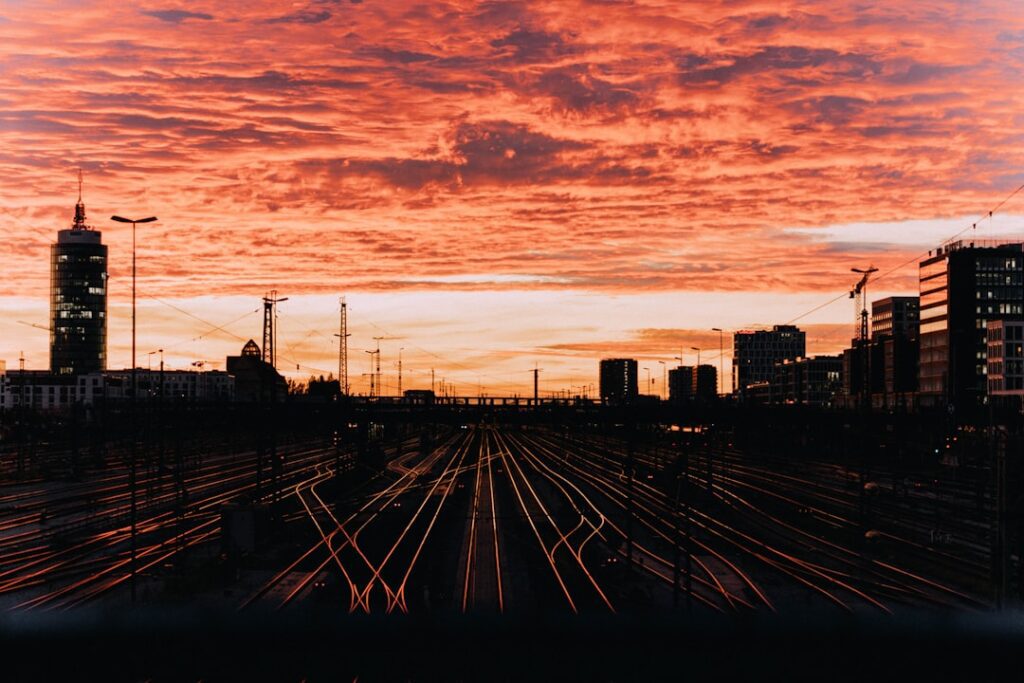
Group of people at train station, Munich, Germany
- Historic Architecture: The Residenz, the former royal palace of the Wittelsbach monarchs dating from 1385, is a sprawling complex of ten courtyards and 130 rooms showcasing Renaissance, Baroque, Rococo, and Neoclassical styles.
- Cultural Scene: The world-famous Oktoberfest, which began in 1810 as a royal wedding celebration, now draws over 6 million visitors annually to its 14 massive tents for a unique blend of folk tradition and revelry.
- Local Specialties: You must try a crispy, golden Schweinshaxe (roasted pork knuckle), best enjoyed with a side of potato dumplings and a Maß (one-liter stein) of Helles lager.
Pro Tip: For the perfect balance of good weather and manageable crowds, target the shoulder months of late April to early June or September to mid-October. Avoid the three weeks of Oktoberfest (late Sept-early Oct) unless that’s your sole purpose, as accommodation prices triple and the city center is packed.
Map of Munich, Germany
Use these interactive maps to explore Munich, Germany and plan your route:
📍 View Munich, Germany on OpenStreetMap
🗺️ Open Munich, Germany in Google Maps
Planning Your Trip: Practical Essentials
Getting There and Around
- By Air: Munich Airport (MUC) is a major European hub served by Lufthansa and many international carriers. The S-Bahn S1 or S8 line takes 45 minutes to the Hauptbahnhof (main station) for €11.50. Book flights at Skyscanner for best deals.
- By Train: Excellent rail connections via Deutsche Bahn (DB). The high-speed ICE train from Frankfurt takes about 3.5 hours, from Berlin around 4 hours. Reserve tickets at Trainline or the national railway website.
- By Car: Munich is at the intersection of major autobahns, but driving in the city center is challenging and parking is expensive (€3-€5/hour). Renting a car is best for day trips to castles or the Alps. Compare car rentals at RentalCars.com.
- Local Transport: The MVV network of U-Bahn (subway), S-Bahn (suburban train), trams, and buses is superb. A single inner-zone ticket is €3.70, but your best bet is a Tageskarte (Day Ticket) for €8.80, which covers unlimited travel. Check the official MVV website for passes and schedules.
Best Time to Visit
Munich has a distinct continental climate with four clear seasons. The ideal time depends on whether you prioritize sunny beer garden days, Christmas markets, or avoiding the peak tourist rush.
| Season | Weather | Highlights |
|---|---|---|
| Summer (Jun–Aug) | Warm, 18°C to 24°C (64°F-75°F), occasional rain | Beer gardens in full swing, open-air concerts, crowded attractions, long daylight hours. |
| Winter (Dec–Feb) | Cold, -1°C to 4°C (30°F-39°F), chance of snow | Magical Christmas markets (end Nov-Dec 24), cozy taverns, winter sports nearby, fewer tourists. |
| Shoulder (Apr–May/Sep–Oct) | Mild, 8°C to 18°C (46°F-64°F), pleasant | Best balance: fewer crowds, lower prices, spring blooms or autumn colors, ideal for city exploration. |
Budgeting for Munich, Germany

A large building with a dome on top of it, Munich, Germany
| Category | Budget | Mid-range | Luxury |
|---|---|---|---|
| Accommodation | €60-€90/night (hostel, budget hotel) | €120-€200/night (central 3-4 star hotel) | €300+/night (5-star like Bayerischer Hof, Louis Hotel) |
| Meals | €15-€25/day (Imbiss snack stands, supermarket) | €40-€70/day (traditional Gasthäuser, lunch menus) | €100+/day (Michelin-starred dining, e.g., Tantris) |
| Transport | €8.80/day (MVV Day Ticket) | €20-€40/day (taxis, occasional car share) | €80+/day (private driver, luxury car rental) |
| Activities | €0-€20/day (parks, churches, free tours) | €30-€60/day (museum entries, palace tours) | €100+/day (private guided tours, exclusive experiences) |
| Daily Total | €85-€135 | €210-€370 | €580+ |
Top Attractions and Must-See Sights
| Attraction | Description | Hours | Entry Fee |
|---|---|---|---|
| Marienplatz & New Town Hall | The historic heart of the city, where you can watch the famous Glockenspiel chime and dance at 11 am, 12 pm, and 5 pm (Mar-Oct). | Square always open; Town Hall tower: 10 am-7 pm | Square: Free; Tower: €7.50 |
| Nymphenburg Palace | A breathtaking Baroque summer residence with lavish halls, a stunning park, and the Gallery of Beauties commissioned by King Ludwig I. | 9 am-6 pm (Apr-Oct), 10 am-4 pm (Nov-Mar) | Palace & Park: €8 (summer), €6 (winter) |
| Deutsches Museum | One of the world’s largest museums of science and technology, with hands-on exhibits spanning aviation, mining, and astronomy. | 9 am-5 pm daily | €15 |
| Viktualienmarkt | A daily open-air food market since 1807, perfect for sampling local cheeses, meats, and produce, and visiting its iconic maypole and beer garden. | Mon-Sat: 8 am-8 pm (stalls close earlier) | Free to browse |
3-Day Itinerary: Munich, Germany’s Highlights & Hidden Gems
Day 1: Royal Munich & Historic Heart
- Morning (9 AM): Start at Marienplatz for the 11 AM Glockenspiel show. Climb St. Peter’s Church tower (“Alter Peter”) for a €3 fee and the best panoramic view of the city center.
- Afternoon (12:30 PM): Explore the labyrinthine Viktualienmarkt. Grab lunch at its beer garden or at Schmalznudel – Café Frischhut for their famous, fresh Schmalznudel (fried dough). Then, tour the opulent Residenz palace (allow 2-3 hours).
- Evening (7 PM): Experience the legendary Hofbräuhaus for the atmosphere, but savvy visitors know to have dinner at the more authentic Augustiner-Keller on Arnulfstraße for superb Bavarian food and beer in a massive beer garden.
Day 2: Art, Parks & Surfing
- Morning (10 AM): Visit the Alte Pinakothek (€7, closed Mon) to see Old Master paintings by Dürer and Rubens. Then, walk to the Königsplatz, Munich’s neoclassical square known as the “Acropolis of Munich.”
- Afternoon (1 PM): Enter the Englischer Garten at the Eisbachwelle to watch river surfers ride the standing wave. Walk to the Chinese Tower beer garden for a relaxed lunch. Continue north to see the tranquil Japanese Teahouse.
- Evening (7 PM): Dine in the trendy Schwabing district. Wirtshaus in der Au offers modern takes on Bavarian classics. Afterwards, catch a classical concert at the Gasteig cultural center if available.
Day 3: Palaces & Day Trip Potential
- Morning (9 AM): Take tram 17 to Nymphenburg Palace (€8, 30-minute ride). Tour the main palace and don’t miss the Amalienburg hunting lodge, a Rococo masterpiece.
- Afternoon (Option A – Stay Local): Have lunch at the palace’s Schlosscafé im Palmenhaus. Return to the city and visit the serene Asam Church, a hidden Baroque jewel.
- Afternoon (Option B – Day Trip): Take the 75-minute train from Hauptbahnhof to Füssen (€25 round-trip), then a bus to Neuschwanstein Castle. Book castle tickets online weeks in advance for a specific entry time.
- Evening (8 PM): For your final night, enjoy a farewell dinner at Weinhaus Neuner, Munich’s oldest wine tavern, established in 1672, for an atmospheric and historic meal.
Cultural Insights & Etiquette
- Language: While English is widely spoken in tourist areas, learning a few German phrases like “Bitte” (Please), “Danke” (Thank you), and “Ein Bier, bitte” will be appreciated.
- Customs: When entering a beer hall or restaurant, it’s common to share tables (a practice called Freischank). A simple “Ist hier frei?” (Is this free?) is polite. Also, always make eye contact when clinking glasses for a toast.
- Tipping: Service is included, but it’s customary to round up the bill or leave 5-10% for good service. Simply tell the server the total amount you wish to pay (e.g., for a €18.50 bill, say “20 Euro, bitte”).
- Dress Code: Smart-casual is fine for most restaurants. For fine dining, men may need a jacket. For beer halls, casual wear is perfect. Always have a light jacket or sweater—even summer evenings can be cool.
- Business Hours: Shops close by 8 PM on weekdays and 4 PM on Saturdays, with almost everything closed on Sundays (except bakeries and restaurants). Museums often close on Mondays.
Where to Eat: Munich, Germany’s Best Bites
Munich’s culinary scene goes far beyond sausage. You’ll find a mix of hearty Bavarian Gasthäuser (taverns), innovative modern cuisine, and centuries-old institutions. The key is to venture beyond the most famous tourist spots.
Must-Try Local Specialties
- Weisswurst: A delicate veal and parsley sausage, traditionally eaten before noon with sweet mustard, a pretzel, and a Weissbier. Try it at the historic Gaststätte Großmarkthalle near the market.
- Obatzda: A creamy, spiced cheese spread made with Camembert, butter, and paprika, served with pretzels and radishes. Perfect in any beer garden.
- Kaiserschmarrn: A fluffy, torn-up pancake, often with raisins, served with apple sauce or plum compote. For an exceptional version, head to Prinz Myshkin, a renowned vegetarian restaurant.
Restaurant Recommendations by Budget
| Type | Restaurant | Specialty | Price Range |
|---|---|---|---|
| Budget | Wurstküche am Viktualienmarkt (at the market) | Freshly grilled Nuremberg Rostbratwurst in a roll | €4-€6 |
| Mid-range | Andechser am Dom, near Frauenkirche | Classic Bavarian dishes like roast pork and dumplings in a cozy, wood-paneled setting | €15-€25 per main |
| Fine dining | Schuhbecks in den Südtiroler Stuben (Sendlinger Straße) | Creative, Michelin-starred interpretations of Bavarian and Alpine cuisine by star chef Alfons Schuhbeck | €100+ for tasting menu |
Where to Stay
Munich’s neighborhoods each have a distinct character. Staying near the Altstadt (Old Town) puts you steps from major sights, while areas like Schwabing or Glockenbach offer more local flavor. Compare prices and book at Booking.com or Airbnb for apartments.
Best Neighborhoods for Accommodation
- Altstadt-Lehel: The historic core. Perfect for first-time visitors who want to be within walking distance of Marienplatz, the Residenz, and the Hofbräuhaus. Can be noisy and expensive.
- Ludwigsvorstadt-Isarvorstadt: The area around the Hauptbahnhof (main station). Offers great transport links and a wide range of hotel prices. The southern part (Isarvorstadt/Glockenbach) is trendy with great cafes and boutiques.
- Schwabing & Maxvorstadt: The university and museum district. Has a youthful, intellectual vibe with beautiful art nouveau buildings, great cafes, and is close to the Englischer Garten. Slightly quieter but still very central.

A statue in front of a building, Munich, Germany
FAQs: Your Munich, Germany Questions Answered
1. Is Munich, Germany safe at night?
Munich is consistently ranked as one of the safest major cities in the world. Violent crime is rare. Normal precautions apply: be aware of your belongings in crowded areas like the Hauptbahnhof and be cautious of pickpockets, especially during Oktoberfest. The public transport system is safe to use at night.
2. What currency is used and are credit cards accepted?
Germany uses the Euro (€). While credit cards (Visa/Mastercard) are accepted in most hotels, department stores, and mid-to-high-end restaurants, Germany is still a cash-oriented society. Many smaller restaurants, beer gardens, and market stalls only

