
Mount Hagen, Papua New Guinea: Stunning Highlands Culture, Tribal Spectacle & Untamed Nature (2025)
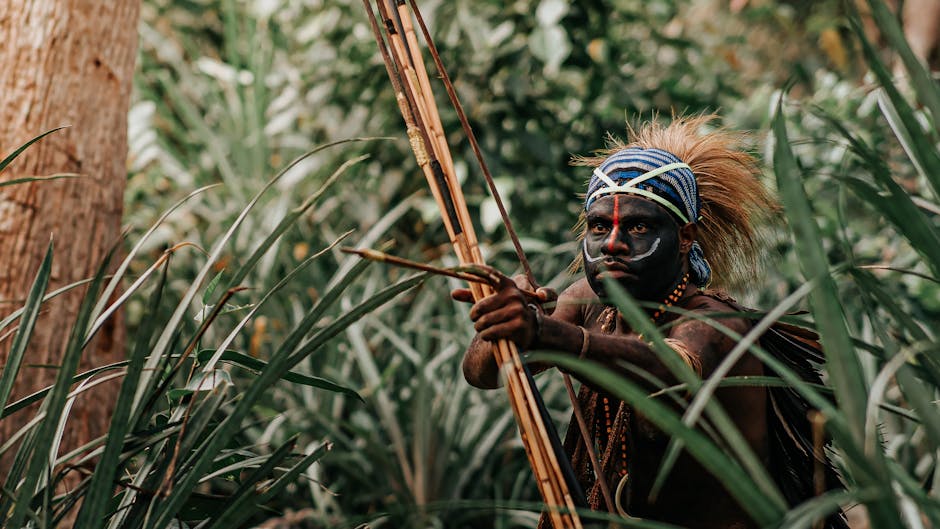
At dawn in Mount Hagen, the cool, thin air fills with the rhythmic beat of kundu drums and the haunting, melodic calls of the bird-of-paradise. This is the soundtrack to the Mount Hagen Cultural Show, where over 100 distinct tribes from across the Papua New Guinea highlands gather each August in a breathtaking, visceral display of body paint, towering headdresses, and ancient song. While fewer than 5,000 international travelers witness this spectacle annually, it represents one of the most authentic and visually staggering cultural encounters on the planet.
Why Mount Hagen, Papua New Guinea Stands Out

Tranquil coastal view featuring waves, lush greenery, and a vibrant sunset sky., Mount Hagen, Papua New Guinea
- Historic Architecture: The Hagen Show Grounds, established in 1964, are the epicenter of modern cultural preservation, where traditional “haus tambaran” (spirit houses) architecture is proudly displayed.
- Cultural Scene: The annual Mount Hagen Cultural Show in August is a non-negotiable, a dizzying explosion of “singsing” performances where tribes compete in splendor and energy.
- Local Specialties: You must try “mumu,” a feast of pork, sweet potato, and greens slow-cooked in an underground oven with hot stones—the ultimate communal Highland meal.
Pro Tip: The absolute best time to visit is early to mid-August for the Cultural Show. Book flights and accommodation at least 6-9 months in advance, as everything sells out. For other months, aim for the drier season (May to October) to avoid washed-out roads and flight cancellations.
Map of Mount Hagen, Papua New Guinea
Use these interactive maps to explore Mount Hagen, Papua New Guinea and plan your route:
📍 View Mount Hagen, Papua New Guinea on OpenStreetMap
🗺️ Open Mount Hagen, Papua New Guinea in Google Maps
Planning Your Trip: Practical Essentials
Getting There and Around
- By Air: Mount Hagen is served by Kagamuga Airport (HGU). Air Niugini and PNG Air operate daily flights from Port Moresby (POM), the international gateway. The flight takes about 90 minutes. Book flights at Skyscanner for best deals, but always confirm directly with the airlines due to frequent schedule changes.
- By Train: Papua New Guinea has no passenger railway system. All long-distance travel is by air or on challenging road networks not recommended for casual tourists.
- By Car: Driving is on the left. Rental cars (4WD is essential) are available but expensive, starting around PGK 400/day. Roads can be extremely rough and security is a concern; hiring a local driver/guide is your best bet. Compare car rentals at RentalCars.com but book through a reputable local tour operator for a complete package.
- Local Transport: Public PMVs (Public Motor Vehicles) are crowded minibuses that run set routes. For tourists, the most practical and safe option is to arrange all transport through your hotel or a pre-booked tour operator. Taxis operate in town but agree on a fare before getting in.
Best Time to Visit
Timing is everything in the Highlands. The dry season offers clear skies and accessible roads, while the wet season brings stunning greenery but significant travel disruptions. The cultural calendar is the ultimate decider.
| Season | Weather | Highlights |
|---|---|---|
| Dry Season (May–Oct) | Sunny days, cool nights (15°C-25°C). Minimal rain. | Peak travel period. Perfect for trekking, village visits, and the August Cultural Show. Roads are passable. |
| Wet Season (Nov–Apr) | Heavy daily rainfall, high humidity, cooler (12°C-22°C). | Lush, vibrant landscapes. Fewer tourists but frequent flight delays and muddy, impassable roads. Some lodges close. |
| Shoulder (Apr & Oct) | Transitional weather; sunny mornings, afternoon showers possible. | A good compromise if you miss the main show crowds. You may catch smaller, impromptu singsings in villages. |
Budgeting for Mount Hagen, Papua New Guinea

Portrait of a Papua tribesman wearing traditional costume under clear blue sky., Mount Hagen, Papua New Guinea
| Category | Budget | Mid-range | Luxury |
|---|---|---|---|
| Accommodation | PGK 150-250/night (basic guesthouse) | PGK 400-700/night (comfortable lodge with meals) | PGK 800+/night (all-inclusive premium lodge) |
| Meals | PGK 20-40 (market food, simple cafe) | PGK 50-100 (hotel restaurant meal) | PGK 120+ (fine dining at top lodges) |
| Transport | PGK 5-10 (PMV rides in town) | PGK 150-300/day (private car & driver) | PGK 500+/day (private 4WD & expert guide) |
| Activities | Free (market visits, town walk) | PGK 100-200 (village visit fee, guided walk) | PGK 300+ (multi-day guided trek, helicopter tour) |
| Daily Total | PGK 200-350 | PGK 700-1,300 | PGK 1,800+ |
Note: PGK = Papua New Guinea Kina. 1 USD ≈ 3.8 PGK. Almost everything is more expensive than you’d expect due to import costs.
Top Attractions and Must-See Sights
| Attraction | Description | Hours | Entry Fee |
|---|---|---|---|
| Mount Hagen Cultural Show | The legendary gathering of Highlands tribes for two days of competitive singing, dancing, and breathtaking traditional dress. | All day, usually 2nd weekend of Aug | PGK 100-150 |
| Mount Hagen Market | A vibrant, chaotic hub where highlanders trade everything from rare orchids and coffee to pigs and bilums (woven bags). | Daily from 6 AM – 4 PM | Free |
| Baiyer River Bird Sanctuary | A sanctuary about 90 minutes away, home to stunning birds-of-paradise, cassowaries, and parrots in a rainforest setting. | Daylight hours, best early AM | PGK 50 |
| Traditional Village Visits (e.g., Kuk Heritage Site) | Visit a local tribe’s village to see ancient agricultural techniques (UNESCO-listed at Kuk) and experience daily life. | By arrangement with guide | PGK 80-150 (includes village fee) |
3-Day Itinerary: Mount Hagen, Papua New Guinea’s Highlights & Hidden Gems
Day 1: Immersion in Town & Tribal Craft
- Morning (7-9 AM): Dive straight into the sensory overload of the **Mount Hagen Market**. Go early to see the most activity. Haggle gently for a hand-woven **bilum** bag. Your best bet is to have your guide introduce you to a seller.
- Afternoon (12-3 PM): Visit the **J.K. McCarthy Museum** (small but insightful) to understand the region’s history. For lunch, head to **Brickz Cafe** in town for a solid burger or sandwich (around PGK 35).
- Evening (6-8 PM): Enjoy a relaxed dinner at your lodge. Many, like the **Highlands Hotel**, offer a buffet with local dishes like chicken and greens. Turn in early—days start at dawn here.
Day 2: The Heart of Highlands Culture
- Morning (7 AM): With your guide, drive to a nearby **village** (like in the Nebilyer Valley). The visit (PGK 120 per person) often includes a welcome singsing, seeing traditional houses, and a demonstration of fire-making or bilum-weaving.
- Afternoon (12-3 PM): Share a **mumu** feast prepared by the villagers—an unforgettable experience. Afterwards, visit a local **coffee plantation** to see how PNG’s famous Arabica is processed.
- Evening (6 PM): Dine at **Rondon Ridge** lodge (book ahead, PGK 150 for non-guests). The views over the Wahgi Valley at sunset are spectacular, and the European-PNG fusion cuisine is excellent.
Day 3: Natural Wonders & Farewell
- Morning (6 AM): Take a **4WD trip** (PGK 300 for transport/guide) to the **Baiyer River Bird Sanctuary**. The early start is essential to see the magnificent Raggiana and Superb Birds-of-Paradise performing their courtship dances.
- Afternoon (12-2 PM): Have a packed lunch at the sanctuary. On the drive back, stop at a roadside stall to try ripe **Highlands passionfruit** or **pineapple**.
- Evening (6 PM): For your final night, enjoy a special dinner. If it’s a weekend, ask your hotel if there’s any small-scale **local singsing** performance happening nearby—these impromptu events can be magical.
Cultural Insights & Etiquette
- Language: Tok Pisin is the lingua franca. English is spoken in hotels/tourist spots. Key phrases: “Monin” (Good morning), “Tenkyu” (Thank you), “Em gutpela” (It’s good).
- Customs: Always ask permission before taking photos of people—a smile and a gesture with your camera is understood. A small fee (PGK 5-20) is often expected for portraits. Respect sacred spaces and spirit houses.
- Tipping: Not a traditional practice, but a small tip (PGK 20-50) for exceptional guides or drivers is greatly appreciated. Do not tip in a way that creates a begging culture.
- Dress Code: Modesty is key. Women should avoid short shorts or revealing tops. For village visits, long trousers or skirts are respectful. The Highlands are cool, so layers are practical.
- Business Hours: Shops generally open 8 AM – 5 PM, Monday to Saturday. Sunday is a day of rest and church; almost everything is closed. Major holidays like Independence Day (Sept 16) see widespread closures.
Where to Eat: Mount Hagen, Papua New Guinea’s Best Bites
Dining in Mount Hagen is largely hotel-based for tourists, focusing on hearty, simple fare. The real culinary adventure lies in trying traditional Highland foods prepared in villages. Town has a few reliable cafes and Chinese restaurants, a legacy of local trade stores.
Must-Try Local Specialties
- Mumu: The iconic Highland banquet. Pork, sweet potato (kaukau), taro, and greens, wrapped in banana leaves and cooked for hours in a pit with hot stones. The flavor is smoky and sublime. Best experienced in a village setting.
- Highlands Coffee: Some of the world’s best shade-grown Arabica. Try a fresh brew at the airport cafe or buy beans from the Mount Hagen Coffee Roasters to take home.
- Saksak: A traditional pudding made from sago palm starch, often steamed in bamboo tubes. It has a gelatinous texture and is usually served with coconut cream.
Restaurant Recommendations by Budget
| Type | Restaurant | Specialty | Price Range |
|---|---|---|---|
| Budget | Brickz Cafe (Town Center) | Western-style burgers, sandwiches, and good coffee. A safe, clean spot for a quick lunch. | PGK 25-45 |
| Mid-range | Highlands Hotel Restaurant (Airport Area) | Buffet dinners featuring a mix of Western and PNG dishes like grilled fish and curries. Reliable and convenient. | PGK 60-90 |
| Fine dining | Rondon Ridge Restaurant (Korona) | Elevated dining with panoramic valley views. Menu includes local ingredients like river trout and Highland vegetables. Book essential. | PGK 120-200 |
Where to Stay
Accommodation ranges from basic guesthouses to stunning eco-lodges perched on ridge tops. Most are located a short drive from the town center, offering tranquility and security. Booking well in advance is non-negotiable, especially for the popular lodges. Compare prices and book at Booking.com or Airbnb for apartments, but note that Airbnb options are very limited here.
Best Neighborhoods for Accommodation
- Airport Area: Hotels like the Highlands Hotel are functional, secure, and ideal for short stays or early flights. You’ll find restaurants on-site but little local character.
- Korona/Rondon Ridge: This area, about a 20-minute drive from town, is where you’ll find the premium lodges. The views are incredible, the air is fresher, and the setting is peaceful. Suits travelers seeking comfort and nature.
- Town Center: A few basic guesthouses exist here. It’s noisy and not as secure after dark, but puts you right in the thick of the local action. Best for very budget-conscious and adventurous travelers.

Dancers in traditional Papuan attire performing under night lights in Jayapura, Mount Hagen, Papua New Guinea
FAQs: Your Mount Hagen, Papua New Guinea Questions Answered
1. Is Mount Hagen, Papua New Guinea safe at night?
Safety requires vigilance. Avoid walking alone at night, especially in town. Petty crime and more serious incidents can occur. Your safest plan is to remain within your hotel or lodge compound after dark and use pre-arranged transport for any movement. Always follow the advice of your local guide or hotel staff.
2. What currency is used and are credit cards accepted?
The currency is the Papua New Guinea Kina (PGK). Carry ample cash in small denominations (PGK 5, 10, 20 notes). Credit cards (Visa/Mastercard) are accepted at major hotels and some larger restaurants, but always have cash as a backup. ATMs are available in town but can be unreliable.
3. How do I get from the airport to the city center?
Kagamuga Airport is about 15 minutes from town. The safest and easiest option is to have your hotel arrange a pickup (PGK 50-100). Taxis are available; agree on the fare firmly before getting in (PGK 40-60). There is no public bus. Book airport transfers at GetYourGuide for convenience, but confirm locally as services can be limited.
4. Do I need to speak the local language?
No, but it helps immensely. English is spoken in tourist areas, but learning a few Tok Pisin phrases will delight locals and enrich your experience. A good guide will translate in villages. Key phrases beyond greetings: “

