
Mount Fuji, Japan’s Ultimate Sacred Summits, Spiritual Trails & Volcanic Views (2025)
At precisely 4:48 AM from the Fuji Subaru Line 5th Station, the first crimson sliver of sun crests the horizon, illuminating the mountain’s perfect cone in what locals call “Diamond Fuji.” The crunch of volcanic gravel under hiking boots mixes with the scent of sulfur vents as climbers complete their overnight pilgrimage. This isn’t just Japan’s highest peak—it’s an active volcano that has inspired artists for centuries and draws over 300,000 climbers annually during the brief July-September season when the snow recedes enough for safe passage.
Why Mount Fuji, Japan Stands Out

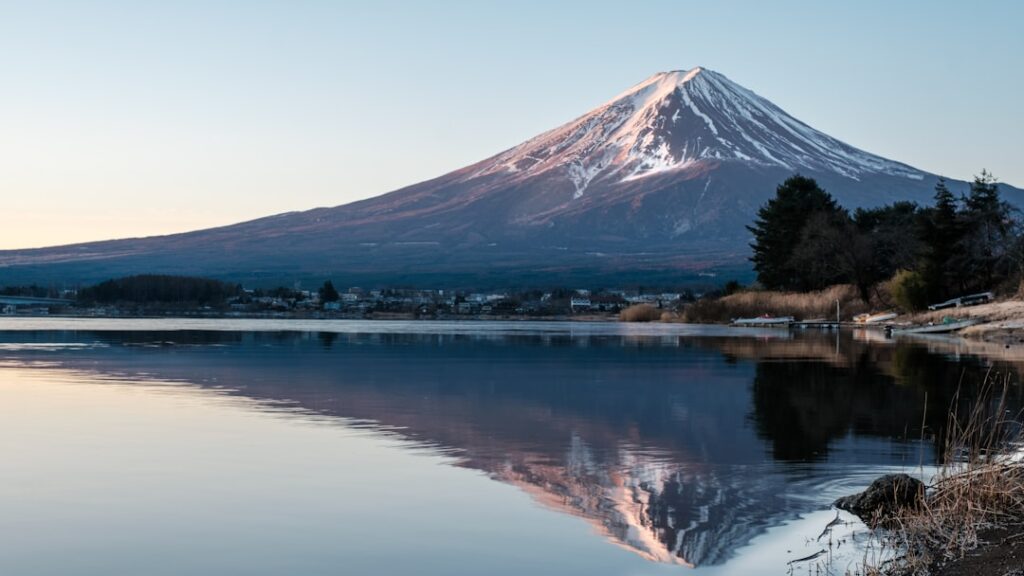
Snow covered mountain under blue sky during daytime, Mount Fuji, Japan
- Historic Architecture: The Fujiyoshida Sengen Shrine, established in 788 AD, serves as the traditional starting point for pilgrimages and features stunning vermilion structures against the mountain backdrop.
- Cultural Scene: The Yoshida Fire Festival on August 26-27 features massive torches carried through streets to honor the mountain deity and mark the climbing season’s end.
- Local Specialties: Houtou noodles—thick, flat udon in miso-based soup with seasonal vegetables—provide essential warmth and energy for climbers.
Pro Tip: Arrive at Lake Kawaguchiko’s northern shore between 4:30-5:15 AM in early November for the rare “Double Diamond Fuji” phenomenon, where the sun aligns perfectly with both the mountain and its reflection—without the summer crowds.
Map of Mount Fuji, Japan
Use these interactive maps to explore Mount Fuji, Japan and plan your route:
📍 View Mount Fuji, Japan on OpenStreetMap
🗺️ Open Mount Fuji, Japan in Google Maps
Planning Your Trip: Practical Essentials
Getting There and Around
- By Air: Fly into Tokyo Narita (NRT) or Haneda (HND) airports with ANA or JAL, then take the 2.5-hour express bus directly to Kawaguchiko Station ($35). Book flights at Skyscanner for best deals.
- By Train: JR Chuo Line from Shinjuku Station to Otsuki, then Fujikyuko Line to Kawaguchiko (2 hours, $40). Reserve tickets at Trainline or the national railway website.
- By Car: Chuo Expressway from Tokyo to Kawaguchiko IC (2 hours), with parking at Fuji Subaru Line 5th Station ($15/day). Compare car rentals at RentalCars.com.
- Local Transport: Retro Buses connect all Five Lakes ($15 day pass), while Mount Fuji climbers need shuttle buses to 5th Station ($35 round trip). Check official Fujikyuko bus schedules for seasonal variations.
Best Time to Visit
Seasoned travelers time their visit around both weather conditions and cultural events, with each season offering dramatically different experiences around Japan’s most iconic peak.
| Season | Weather | Highlights |
|---|---|---|
| Summer (Jun–Aug) | 15-25°C at base, -5 to 5°C at summit with clear mornings | Official climbing season (July-early Sept), vibrant festivals, but crowded trails and mountain huts |
| Winter (Dec–Feb) | -5 to 10°C at base, -20°C at summit with heavy snow | Stunning snow-capped views, hot springs, no climbing permitted, minimal crowds at viewpoints |
| Shoulder (Apr–May/Sep–Oct) | 10-20°C with crisp air and excellent visibility | Cherry blossoms (late Apr) or autumn colors (Oct), comfortable hiking at base, fewer tourists |
Budgeting for Mount Fuji, Japan

A city street at night with a mountain in the background, Mount Fuji, Japan
| Category | Budget | Mid-range | Luxury |
|---|---|---|---|
| Accommodation | $40-70/night (capsule hotels, hostels) | $100-200/night (business hotels, ryokan) | $300-600/night (luxury ryokan with private onsen) |
| Meals | $15-25/day (convenience stores, street food) | $40-60/day (restaurant meals, local specialties) | $100+/day (kaiseki multi-course dinners) |
| Transport | $20/day (local buses, trains) | $40/day (taxis between lakes) | $100+/day (private car with driver) |
| Activities | $0-30/day (hiking, temples) | $50-100/day (guided tours, museums) | $150+/day (private climbing guides) |
| Daily Total | $75-150/day | $190-400/day | $650+/day |
Top Attractions and Must-See Sights
| Attraction | Description | Hours | Entry Fee |
|---|---|---|---|
| Fuji Subaru Line 5th Station | The main starting point for climbs at 2,300m elevation with stunning panoramic views and souvenir shops | 24/7 during climbing season | Free (bus fare $35 round trip) |
| Chureito Pagoda | Classic postcard view of Fuji from this five-story pagoda with 398 steps leading to perfect photo opportunities | 24/7, best light at sunrise | Free |
| Oshino Hakkai | Eight pristine ponds fed by Mount Fuji’s snowmelt with traditional thatched-roof houses and crystal-clear waters | 9:00 AM-5:30 PM | $5 |
| Fuji Q Highland | Thrill-seeker’s paradise with record-breaking rollercoasters and the best close-up views of the mountain from 79m heights | 9:00 AM-5:00 PM (extended in summer) | $45-60 (ride pass) |
3-Day Itinerary: Mount Fuji, Japan’s Highlights & Hidden Gems
Day 1: Cultural Foundations & Classic Views
- Morning: 7:00 AM arrival at Arakurayama Sengen Park for the iconic Chureito Pagoda view before crowds arrive. The 20-minute climb rewards you with Fuji perfectly framed by cherry blossoms (spring) or autumn colors (fall).
- Afternoon: 12:30 PM exploration of Oshino Hakkai’s eight sacred ponds and lunch at Sobadokoro Kasaitei for authentic soba noodles ($15) overlooking the shimmering waters.
- Evening: 6:00 PM check into Fuji Lake Hotel with private onsen baths facing the mountain, followed by kaiseki dinner featuring local river fish and mountain vegetables.
Day 2: Mountain Ascension & Volcanic Wonders
- Morning: 6:30 AM bus to Fuji Subaru Line 5th Station ($35) for sunrise above the clouds, then hike to 6th Station through volcanic landscape with rental poles ($5) and oxygen cans ($12) available.
- Afternoon: 1:00 PM descent and visit to Narusawa Ice Cave where temperatures remain at 0°C year-round, formed by Fuji’s 864 AD eruption, with lunch at Fujiyama Cookie for their famous Mount Fuji-shaped cookies.
- Evening: 6:30 PM relaxation at Yurari Hot Springs with multiple indoor and outdoor baths ($15) while watching the mountain glow in sunset light.
Day 3: Artistic Legacy & Lakeside Serenity
- Morning: 8:00 AM cruise on Lake Kawaguchiko ($12) for water-level perspectives, then visit the Kubota Itchiku Art Museum showcasing kimono art inspired by Fuji ($15).
- Afternoon: 1:00 PM cycling around the lake’s northern shore with rental bikes ($10/3 hours) and lunch at Houtou Fudo for their signature pumpkin and mushroom noodle hotpot ($18).
- Evening: 6:00 PM final photographs from the Music Forest Museum’s European-style gardens during golden hour, with live organ concerts enhancing the magical atmosphere.
Cultural Insights & Etiquette
- Language: Learn “Konnichiwa” (hello), “Arigatou gozaimasu” (thank you), and “Sumimasen” (excuse me)—even basic attempts earn warm responses from locals.
- Customs: Bow slightly when greeting, remove shoes before entering traditional accommodations, and avoid eating while walking in public spaces.
- Tipping: No tipping culture exists—excellent service is standard, and leaving money can cause confusion or offense.
- Dress Code: Modest clothing for temple visits, proper hiking gear for mountain trails, and yukata robes provided at ryokan for evening wear.
- Business Hours: Most shops open 10:00 AM-6:00 PM, while restaurants serve until 9:00 PM; many museums close on Tuesdays.
Where to Eat: Mount Fuji, Japan’s Best Bites
The Fuji Five Lakes region specializes in comfort foods that reflect both mountain and lake resources, with houtou noodles representing the area’s most famous creation alongside freshwater fish and volcanic soil-grown vegetables.
Must-Try Local Specialties
- Houtou Noodles: Thick, flat udon simmered in miso broth with seasonal vegetables—the ultimate climber’s meal at Houtou Fudo with views of the mountain.
- Fuji No Susume Beer: Craft beer brewed with Mount Fuji’s mineral water, available at local izakayas with perfect foam retention and crisp finish.
- Yoshida Udon: Firmer, flatter noodles than standard udon, served cold with strong dipping sauce at Maruwa in Fujiyoshida City since 1953.
Restaurant Recommendations by Budget
| Type | Restaurant | Specialty | Price Range |
|---|---|---|---|
| Budget | Idaten (Kawaguchiko Station) | Curry rice and Yoshida udon sets | $8-15 |
| Mid-range | Houtou Fudo (Lake Kawaguchiko) | Signature pumpkin houtou in iron pots | $18-30 |
| Fine dining | Fuji View Hotel Restaurant | French-Japanese fusion with lake views | $60-100 |
Where to Stay
Accommodation ranges from traditional ryokan with natural hot springs to Western-style hotels, with Lake Kawaguchiko offering the most options and best transportation access. Compare prices and book at Booking.com or Airbnb for apartments.
Best Neighborhoods for Accommodation
- Lake Kawaguchiko: Most convenient base with frequent buses, boat cruises, and diverse dining—ideal for first-time visitors and families.
- Fujiyoshida City: Traditional atmosphere closer to Chureito Pagoda and cheaper options, but limited evening dining—perfect for photographers and budget travelers.
- Lake Yamanakako: Quieter alternative with stunning sunrise views and cycling routes, though fewer restaurants—best for couples and return visitors.

A street with a mountain in the background, Mount Fuji, Japan
FAQs: Your Mount Fuji, Japan Questions Answered
1. Is Mount Fuji, Japan safe at night?
Extremely safe—Japan has one of the world’s lowest crime rates. However, mountain trails become dangerous after dark without proper lighting and guides. Stick to well-lit town areas and avoid solo hiking at night.
2. What currency is used and are credit cards accepted?
Japanese Yen (¥) is the currency. While major hotels and restaurants accept credit cards, many smaller establishments, mountain huts, and local buses are cash-only—carry at least ¥10,000 ($70) daily.
3. How do I get from the airport to the city center?
Direct buses from both Narita (3 hours, $45) and Haneda (2.5 hours, $35) airports to Kawaguchiko Station run 6 times daily. Book airport transfers at GetYourGuide for convenience.
4. Do I need to speak the local language?
Not essential—most signs include English, and train station staff typically speak basic English. Learning a few Japanese phrases enhances interactions, but you’ll manage comfortably with English alone.
5. What’s the appropriate dress code?
Layered clothing for changeable mountain weather, proper hiking boots for trails, and modest coverage for temples. Even summer requires warm layers for higher elevations where temperatures drop significantly.
Final Thoughts: Mount Fuji, Japan Awaits
Mount Fuji transcends being merely Japan’s highest peak—it represents a cultural touchstone that has inspired spiritual seekers and artists for over a thousand years. From the predawn pilgrimage up volcanic slopes to the serene moments watching its reflection in the Five Lakes, this destination offers profound connections with both nature and Japanese tradition. Savvy travelers discover that the mountain reveals different personalities with each season and perspective, making every visit uniquely rewarding. Don’t just photograph Fuji from afar—experience the spiritual energy that comes from walking its sacred slopes and understanding why this volcano remains Japan’s soul.

