
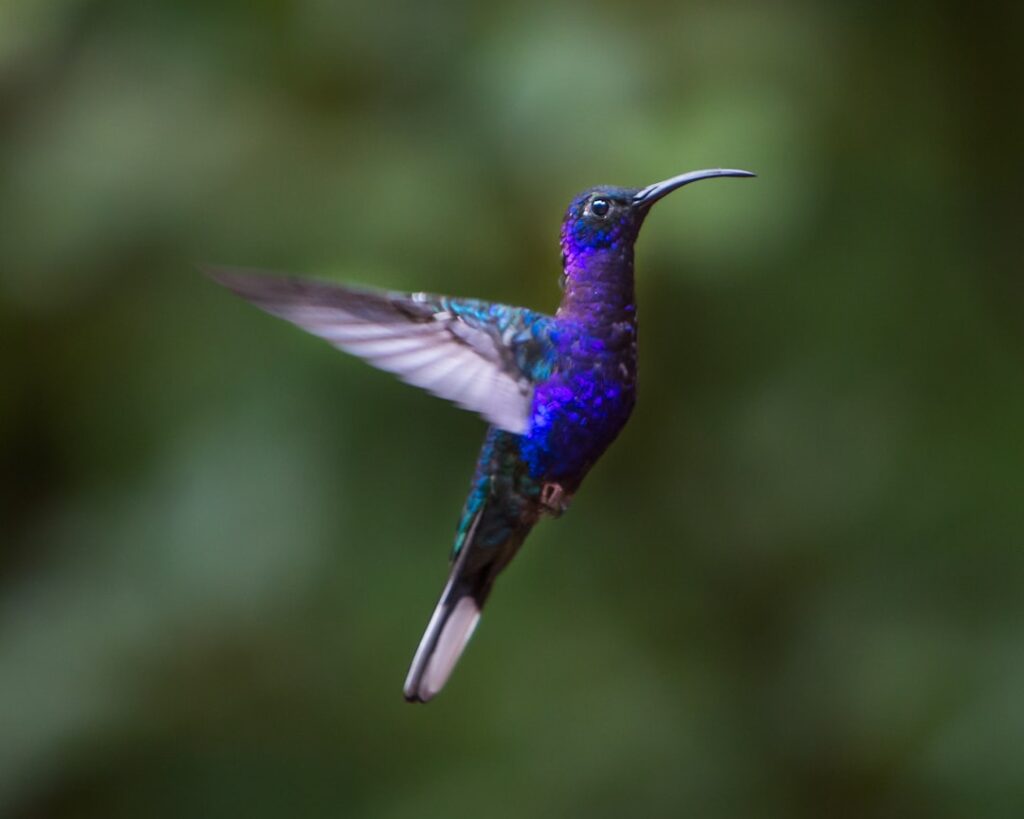
Monteverde Cloud Forest, Costa Rica’s Best Mist, Mystique & Aerial Adventure (2026)
At dawn, the cloud forest doesn’t wake—it materializes. A spectral mist, born from the collision of Caribbean trade winds and the Pacific slope, weaves through 2.5% of the world’s biodiversity on a single mountainside. You hear the haunting cry of the resplendent quetzal before you see its emerald plumage, and a single suspended bridge offers a walk through a living, breathing canopy where orchids bloom from ancient branches. This isn’t just a forest; it’s a sky-bound ecosystem, a place where the earth meets the clouds.
Why Monteverde Cloud Forest, Costa Rica Stands Out

Green trees under cloudy sky during sunset, Monteverde Cloud Forest, Costa Rica
- Historic Architecture: The iconic Monteverde Cheese Factory, founded in 1953 by Quaker settlers from Alabama, is a testament to the community’s sustainable origins and a must-visit for fresh dairy products.
- Cultural Scene: The annual Monteverde Music Festival in February transforms the misty town with classical and folk performances, celebrating the unique fusion of local and expatriate artistic talent.
- Local Specialties: You must try *queso Monteverde*, a fresh, mild cheese produced at the original factory, often served with homemade corn tortillas and sweet plantains.
Pro Tip: The absolute best time for wildlife spotting is during the dry season, from late December through April, but for the most dramatic cloud immersion with fewer visitors, aim for the shoulder months of May or November. Always start your hikes at 7:00 AM when animals are most active and crowds are thin.
Map of Monteverde Cloud Forest, Costa Rica
Use these interactive maps to explore Monteverde Cloud Forest, Costa Rica and plan your route:
📍 View Monteverde Cloud Forest, Costa Rica on OpenStreetMap
🗺️ Open Monteverde Cloud Forest, Costa Rica in Google Maps
Planning Your Trip: Practical Essentials
Getting There and Around
- By Air: Fly into Juan Santamaría International Airport (SJO) in San José or Daniel Oduber Quirós International Airport (LIR) in Liberia. From SJO, the drive is 3.5 hours; from LIR, it’s about 2.5 hours. Book flights at Skyscanner for best deals.
- By Train: Costa Rica has limited passenger rail; your best bet is a shared shuttle or private transfer. Companies like Interbus offer direct routes from major tourist hubs. Reserve tickets at Trainline or the national railway website for other regional travel.
- By Car: A 4×4 is highly recommended, especially in the rainy season, as the final roads into Monteverde are steep, winding, and often unpaved. Compare car rentals at RentalCars.com.
- Local Transport: Taxis are readily available in Santa Elena town. For the reserves, most hotels can arrange transport. Public buses run between Santa Elena and the Monteverde Cloud Forest Reserve entrance but are infrequent; check schedules at your hotel.
Best Time to Visit
Monteverde’s climate is defined by altitude and mist, not traditional seasons. The key difference is between the drier, sunnier *verano* (dry season) and the wetter, greener *invierno* (green season). Each offers a distinct experience.
| Season | Weather | Highlights |
|---|---|---|
| Dry Season (Dec–Apr) | Sunny mornings, occasional afternoon clouds, temps 60-75°F (16-24°C). Less rain. | Best for hiking, clear skies, and reliable wildlife viewing; also peak crowds and prices. |
| Green Season (May–Nov) | Frequent afternoon showers, lush vegetation, temps 55-70°F (13-21°C). Mist is constant. | Ephemeral beauty, dramatic cloud formations, fewer tourists, and lower accommodation rates. |
| Shoulder (May/Jun & Nov) | A mix of sun and short rains. Mornings are often clear. | The sweet spot: decent weather, vibrant scenery, and significantly smaller crowds. |
Budgeting for Monteverde Cloud Forest, Costa Rica

Green and yellow leaf plant, Monteverde Cloud Forest, Costa Rica
| Category | Budget | Mid-range | Luxury |
|---|---|---|---|
| Accommodation | $30-50/night (hostel/ basic cabin) | $80-150/night (comfortable lodge with views) | $200+/night (eco-luxury resort with guides) |
| Meals | $5-10 (soda for casado) | $15-25 (restaurant with forest view) | $40+ (multi-course gourmet dinner) |
| Transport | $2-5 (local bus/taxi short trip) | $50/day (4×4 rental) | $100+ (private driver for the day) |
| Activities | $20 (Reserve entry + self-guided hike) | $50-80 (guided night walk + zip line) | $120+ (private guided birding tour) |
| Daily Total | $60-90 | $150-250 | $400+ |
Top Attractions and Must-See Sights
| Attraction | Description | Hours | Entry Fee |
|---|---|---|---|
| Monteverde Cloud Forest Biological Preserve | The original, world-famous reserve with pristine trails, the Continental Divide, and the best chance to spot a quetzal. | 7:00 AM – 4:00 PM | $25 USD (self-guided) |
| Selvatura Park | An adventure hub featuring the longest zip line in Latin America and a breathtaking Tree Top Walkway suspension bridge circuit. | 7:30 AM – 4:00 PM | Varies by activity; Walkway: $35 USD |
| Santa Elena Cloud Forest Reserve | Slightly higher and often less crowded than Monteverde, with stunning views toward the Arenal Volcano on clear days. | 7:00 AM – 4:00 PM | $16 USD |
| Curi-Cancha Reserve | A birdwatcher’s paradise with open trails and dedicated feeding stations that attract a spectacular array of hummingbirds and toucans. | 7:00 AM – 3:00 PM | $20 USD |
3-Day Itinerary: Monteverde Cloud Forest, Costa Rica’s Highlights & Hidden Gems
Day 1: Immersion in the Mist
- Morning (7:00 AM): Enter the **Monteverde Cloud Forest Biological Preserve** the moment it opens. Hike the Sendero Bosque Nuboso to La Ventana for a view of the Continental Divide. A guided tour ($45) dramatically increases your chance of seeing wildlife like the three-wattled bellbird.
- Afternoon (12:30 PM): Lunch at **Restaurante Celajes** in the Monteverde Lodge for their famous *corvina al ajillo* (sea bass in garlic sauce) with a stunning forest vista.
- Evening (5:30 PM): Take a **guided Night Walk** ($25) at the Monteverde Wildlife Refuge to see kinkajous, sleeping birds, and the incredible diversity of insects and frogs that emerge after dark.
Day 2: Adventure in the Canopy
- Morning (8:00 AM): Embrace the adrenaline with the **Original Canopy Tour** ($50) – one of the first zip line courses in Costa Rica, featuring a thrilling Tarzan swing and rappel down a giant ficus tree.
- Afternoon (1:00 PM): Refuel with a casual lunch at **Orchid Coffee**, a local favorite for massive burritos and strong, locally grown coffee.
- Evening (4:00 PM): Experience the serene side of the canopy on the **Selvatura Tree Top Walkways** ($35). Walk eight suspension bridges as the late afternoon light filters through the moss. Follow with dinner at **Trio**, for creative farm-to-table cuisine like beetroot ravioli.
Day 3: Culture & Conservation
- Morning (8:30 AM): Visit the **Monteverde Cheese Factory** (tour $10) to learn the Quaker history of the community and sample their famous cheese and ice cream. Then, explore the **Bat Jungle** ($13) for a fascinating look at these misunderstood mammals.
- Afternoon (12:00 PM): Enjoy a traditional *casado* at **Soda La Amistad**, a family-run *soda* known for its hearty, affordable plates.
- Evening (2:00 PM): Support conservation at the **Monteverde Butterfly Garden** ($15), home to over 50 species, before a final farewell drink at **Bar Amigos**, the town’s social hub since the 1970s.
Cultural Insights & Etiquette
- Language: Spanish is the official language. Key phrases: “Pura vida” (hello/thank you/all good), “Por favor” (please), “Gracias” (thank you). English is widely spoken in tourist areas.
- Customs: Costa Ricans (*Ticos*) are famously friendly and polite. Greet shopkeepers when entering, and be patient—life moves at a relaxed “Tico time.”
- Tipping: A 10% service charge is often included in restaurant bills. It’s customary to leave a little extra (5-10%) for excellent service. Tip tour guides $5-10 per person and drivers a few dollars.
- Dress Code: Practical, layered clothing is key. Waterproof jackets, sturdy hiking shoes, and long pants for trails are essential. Dress is casual everywhere.
- Business Hours: Most shops open 8:00 AM – 6:00 PM. Restaurants serve lunch from 11:30 AM – 3:00 PM and dinner from 5:30 PM. Many places close on Sundays.
Where to Eat: Monteverde Cloud Forest, Costa Rica’s Best Bites
Dining in Monteverde ranges from humble *sodas* (family-run eateries) serving classic *comida típica* to innovative restaurants focusing on local, organic ingredients. Don’t miss the chance to try fresh dairy from the local factory.
Must-Try Local Specialties
- Casado: The quintessential Costa Rican plate: rice, black beans, plantains, salad, a tortilla, and a choice of protein like grilled chicken, fish, or *picadillo* (minced meat). Best at any local *soda* like **Soda La Amistad**.
- Queso Monteverde con Tortillas: Fresh, soft cheese from the original factory, served with warm, handmade corn tortillas. Simple and perfect. Buy it at the **Monteverde Cheese Factory** store.
- Tres Leches Cake: A decadently moist sponge cake soaked in three kinds of milk. **Choco Café Restaurant** in Santa Elena is renowned for their version.
Restaurant Recommendations by Budget
| Type | Restaurant | Specialty | Price Range |
|---|---|---|---|
| Budget | Soda La Amistad (Santa Elena) | Hearty, authentic *casados* in a no-frills setting | $5-10 per plate |
| Mid-range | Morpho’s Restaurant (Santa Elena) | Creative Costa Rican fusion and excellent seafood pasta | $15-25 per entree |
| Fine dining | Celajes at Monteverde Lodge | Elegant dining with forest views and gourmet local ingredients | $30-45 per entree |
Where to Stay
Accommodation is spread between the village of Santa Elena (more budget options, restaurants, and shops) and the roads leading to the reserves (more secluded, nature-immersed lodges). Book early in the dry season. Compare prices and book at Booking.com or Airbnb for apartments.
Best Neighborhoods for Accommodation
- Santa Elena Town: The bustling heart with the most restaurants, tour operators, and budget hostels. Perfect for social travelers and those without a car. It can be noisy and lacks the “deep forest” feel.
- Cerro Plano: The scenic area between Santa Elena and the Monteverde Reserve. You’ll find most of the premier eco-lodges here, offering a tranquil setting with easy access to nature. Best for mid-range to luxury travelers.
- Road to Santa Elena Reserve: For true seclusion and immersion, stay out near the Santa Elena Reserve. Waking up in the clouds is guaranteed, but you’ll be dependent on taxis or a car to get to town.

The sun is setting over a mountain range, Monteverde Cloud Forest, Costa Rica
FAQs: Your Monteverde Cloud Forest, Costa Rica Questions Answered
1. Is Monteverde Cloud Forest, Costa Rica safe at night?
Monteverde is generally very safe. The main concerns are petty theft from unlocked cars or unattended bags. In Santa Elena town, use normal caution at night. When walking on dark roads between lodges, a flashlight is more for tripping hazards than security. Always use licensed taxis after dark.
2. What currency is used and are credit cards accepted?
The local currency is the Costa Rican Colón (CRC). US dollars are widely accepted, but you’ll often get change in colóns. Credit cards (Visa/Mastercard) are accepted at most hotels, tour companies, and restaurants. However, smaller *sodas* and markets are often cash-only, so it’s wise to carry some local currency.
3. How do I get from the airport to Monteverde?
From San José (SJO), shared shuttle vans cost about $55 per person and take 3.5 hours. Private transfers run $150-$200. From Liberia (LIR), shared shuttles are around $50 (2.5 hours). Public bus is the cheapest ($5-8) but involves a change in Puntarenas and takes 4+ hours. Book airport transfers at GetYourGuide for convenience.
4. Do I need to speak the local language?
No, but it’s appreciated. English is spoken at virtually all hotels, tour operators, and restaurants catering to tourists. Learning a few basic Spanish phrases will enrich your interactions with local shopkeepers and drivers and is considered a respectful gesture.
5. What’s the appropriate dress code?
Think functional, not fashionable. For the forest: long, quick-dry pants, moisture-wicking shirts, a warm mid-layer (fleece), a waterproof/w

