
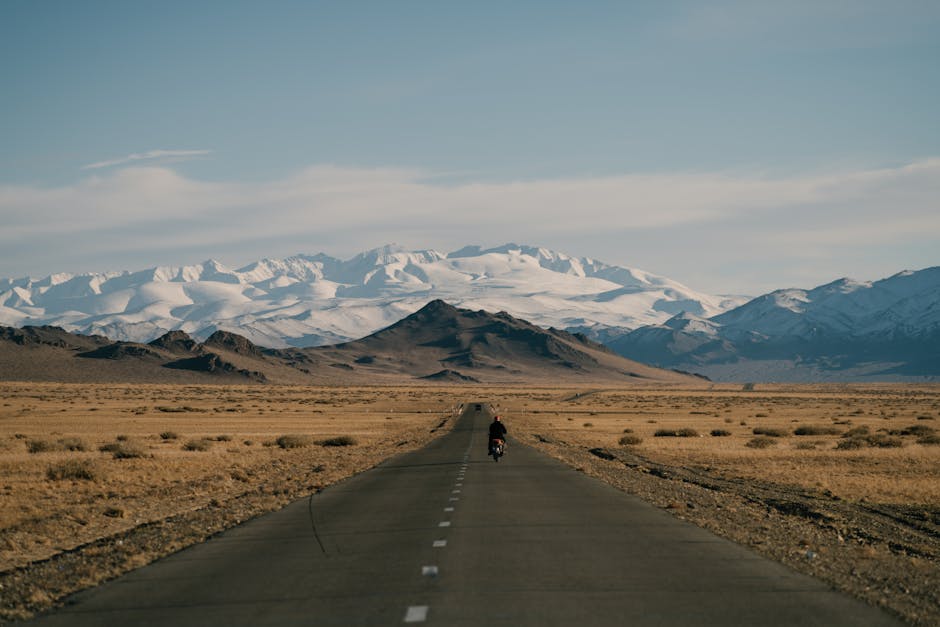
Mongolia’s Orkhon Valley, Mongolia: Best Nomadic Spirit, Ancient Empires & Epic Landscapes (2026)
Ask locals about the soul of Mongolia, and they’ll point you to the Orkhon Valley. This isn’t just a scenic river basin; it’s the cradle of empires, where Genghis Khan established his capital, Karakorum, in 1220. Today, you won’t find grand stone ruins, but rather a profound, windswept landscape where nomadic herders live as they have for a millennium, their gers dotting hillsides grazed by millions of horses. This UNESCO World Heritage site offers a direct, humbling line to the forces that shaped Central Asia.
Why Mongolia’s Orkhon Valley Stands Out

Drone view of rough terrain with riverbed near lake at sunset in evening time, Mongolia’s Orkhon Valley, Mongolia
- Historic Architecture: The Erdene Zuu Monastery (1585), built from the ruins of Karakorum, is Mongolia’s oldest surviving Buddhist monastery, its 108 stupas symbolically containing the spirit of the ancient capital.
- Cultural Scene: The annual Naadam Festival in Kharkhorin, featuring the “Three Manly Games” of wrestling, horse racing, and archery, is a vibrant, authentic display of Mongolian martial heritage.
- Local Specialties: You must try *Airag*, fermented mare’s milk, a slightly sour, fizzy traditional drink offered as a sign of hospitality in every nomadic family ger.
Pro Tip: Plan your visit for late July to early August. You’ll catch the peak of the lush green season, comfortable 20-25°C (68-77°F) days, and the iconic Naadam Festival (July 11-13 in Kharkhorin). This is also when nomadic families are most settled, making cultural visits incredibly rewarding.
Map of Mongolia’s Orkhon Valley, Mongolia
Use these interactive maps to explore Mongolia’s Orkhon Valley, Mongolia and plan your route:
📍 View Mongolia’s Orkhon Valley, Mongolia on OpenStreetMap
🗺️ Open Mongolia’s Orkhon Valley, Mongolia in Google Maps
Planning Your Trip: Practical Essentials
Getting There and Around
- By Air: Fly into Chinggis Khaan International Airport (ULN) in Ulaanbaatar. From there, you’ll need ground transport. Book flights at Skyscanner for best deals.
- By Train: No direct train to the valley. The Trans-Mongolian Railway stops in Ulaanbaatar. Reserve tickets at Trainline or the national railway website.
- By Car: The 370km drive from Ulaanbaatar to Kharkhorin takes 6-7 hours on paved road. A 4×4 is essential for exploring the valley itself. Compare car rentals at RentalCars.com, but consider hiring a local driver/guide for the rough terrain.
- Local Transport: There is no public transport within the valley. Travel is by private 4×4 vehicle, horse, or on foot. Most visitors book a multi-day tour with a driver from Ulaanbaatar.
Best Time to Visit
The valley transforms dramatically with the seasons. Summer offers accessibility and festivals, while shoulder seasons provide solitude and stunning colors, albeit with colder nights.
| Season | Weather | Highlights |
|---|---|---|
| Summer (Jun–Aug) | 10°C to 25°C (50°F to 77°F), warm days, cool nights, occasional rain. | Lush green landscapes, Naadam Festival, ideal for hiking and horse trekking. Peak tourist season. |
| Winter (Dec–Feb) | -25°C to -10°C (-13°F to 14°F), extremely cold, heavy snow. | Stark, beautiful snowscapes, unique ice festivals, and deep cultural immersion. For the very hardy only. Few tourists. |
| Shoulder (May & Sep) | 5°C to 15°C (41°F to 59°F), crisp air, chance of frost. | Golden autumn hues or spring blossoms, significantly fewer visitors, excellent for photography. Roads may be muddy. |
Budgeting for Mongolia’s Orkhon Valley, Mongolia

Scenic view of Mongolian mountains with cloudy sky, Mongolia’s Orkhon Valley, Mongolia
| Category | Budget | Mid-range | Luxury |
|---|---|---|---|
| Accommodation | $15-30 (Camping/Ger hostel) | $50-100 (Comfortable tourist ger camp) | $150+ (Premium eco-lodge or private guided expedition) |
| Meals | $10-15 (Simple meals at guesthouses) | $20-35 (Meals at tourist ger camps) | $50+ (Private chef or high-end camp dining) |
| Transport | $40/day (Shared tour/jeep cost) | $80-120/day (Private 4×4 & driver) | $200+/day (Private luxury vehicle & guide) |
| Activities | Free (Hiking, visiting families) | $20-50 (Horse riding, museum entries) | $100+ (Private eagle hunter demo, multi-day horse treks) |
| Daily Total | $65-105 | $150-275 | $500+ |
Top Attractions and Must-See Sights
| Attraction | Description | Hours | Entry Fee |
|---|---|---|---|
| Erdene Zuu Monastery | A sacred Buddhist complex surrounded by a massive wall with 108 stupas, housing incredible religious artifacts. | 9:00 AM – 6:00 PM (Summer) | 8,000 MNT (~$2.30) |
| Karakorum Museum | Modern museum detailing the history of the Mongol Empire and the archaeological finds from the ancient capital. | 9:00 AM – 6:00 PM (May-Sep) | 10,000 MNT (~$2.90) |
| Orkhon Waterfall (Ulaan Tsutgalan) | A powerful 20-meter cascade in the middle of the steppe, formed by volcanic eruptions and erosion millennia ago. | Sunrise to Sunset | 3,000 MNT (~$0.85) |
| Tövkhön Monastery | A remote 17th-century monastery perched on a cliff, where Zanabazar, a revered Buddhist leader, meditated and created the Soyombo script. | 9:00 AM – 5:00 PM | 5,000 MNT (~$1.45) |
3-Day Itinerary: Mongolia’s Orkhon Valley’s Highlights & Hidden Gems
Day 1: Ancient Capitals & Monastic Peace
- Morning (7-9 AM): Depart early from your ger camp for Tövkhön Monastery. The 90-minute hike up starts in cool air and rewards you with panoramic valley views and profound silence where Zanabazar once worked.
- Afternoon (12-3 PM): Explore the Karakorum Museum to contextualize the empire, then walk the symbolic grounds of ancient Karakorum, marked by the stone turtle sculptures. Lunch at Kharkhorin Restaurant in town for hearty *Buuz* (steamed dumplings).
- Evening (6-8 PM): Visit Erdene Zuu Monastery as the setting sun bathes the white stupas in gold. Join the locals for a *kora* (circumambulation) around the walls. Dinner back at your ger camp, likely featuring *Khorkhog* (meat stew cooked with hot stones).
Day 2: Nomadic Life & The Steppe’s Power
- Morning (8 AM): Arrange a visit to a nomadic family ($10-20 gift recommended). You’ll be welcomed with *Airag*, see the milking of mares, and learn about the daily rhythms of herding. Remember, always receive items with your right hand.
- Afternoon (1 PM): Drive southwest (2.5 hours) across open steppe to the Orkhon Waterfall. The journey through rolling hills and herds of livestock is the main attraction. Pack a picnic lunch.
- Evening (6 PM): Stay at a simple tourist ger camp near the waterfall. As dusk falls, the sound of the rushing water and the endless starry sky, free from light pollution, create an unforgettable atmosphere.
Day 3: Horseback on the Historic Steppe
- Morning (9 AM): Go horseback riding from the waterfall area (approx. $25 for 2 hours with guide). Ride along the Orkhon River, following paths used by herders and empires for centuries. Even beginners can manage the calm, short Mongolian horses.
- Afternoon (12 PM): Visit the nearby ancient Uighur capital of Khar Balgas (Ordu-Baliq), the ruins of an 8th-century city that once controlled the valley before the Mongols. It’s a haunting, windswept site often overlooked.
- Evening (5 PM): Begin the return journey to Kharkhorin or Ulaanbaatar. For a final authentic meal, stop at a roadside *guanz* (canteen) for a bowl of *Tsuivan* (stir-fried noodles with meat and vegetables).
Cultural Insights & Etiquette
- Language: Mongolian is the language. Key phrases: “Sain bain uu?” (Hello), “Bayarlalaa” (Thank you), “Uuchlaarai” (Excuse me/Sorry). English is limited outside tourist camps; a phrasebook or translator app is wise.
- Customs: Always step over the threshold of a ger, never on it. When offered food or drink (especially *airag*), accept at least a small amount. Pointing your feet at people or the altar is disrespectful.
- Tipping: Not a traditional custom, but appreciated for good service. For a tour driver/guide, 5-10% of the tour cost is a generous gesture.
- Dress Code: Modest, practical clothing. Pack layers. When entering a monastery, cover shoulders and knees. Sturdy, closed-toe shoes are essential for the terrain.
- Business Hours: Shops in Kharkhorin are generally open 9 AM – 6 PM. Monasteries have similar hours. Everything operates on “Mongolian time”—be flexible and patient.
Where to Eat: Mongolia’s Orkhon Valley’s Best Bites
Dining here is about hearty, sustaining food. Most meals will be at your tourist ger camp, which serves Mongolian and some Western dishes. For authentic local fare, the small restaurants in Kharkhorin or meals with nomadic families are your best bet.
Must-Try Local Specialties
- Khorkhog: The ultimate celebration dish. Mutton, vegetables, and hot stones are cooked in a sealed container, resulting in incredibly tender, smoky-flavored meat. Best experienced at a nomadic family or a ger camp that prepares it traditionally.
- Buuz: These steamed dumplings filled with minced mutton or beef and onion are a staple. For some of the best, try the simple Kharkhorin Hotel Restaurant in town.
- Aaruul: Dried curds, a ubiquitous snack. They are hard, tart, and an acquired taste, but a true representation of nomadic food preservation. You’ll be offered these everywhere.
Restaurant Recommendations by Budget
| Type | Restaurant | Specialty | Price Range |
|---|---|---|---|
| Budget | Local Guanz (various in Kharkhorin) | Tsuivan (fried noodles), simple soups | $3-$6 per meal |
| Mid-range | Kharkhorin Restaurant (Main St.) | Full Mongolian menu, including Buuz and Bansh | $8-$15 per meal |
| Fine dining | Your Premium Ger Camp Dining Room | Multi-course meals with international twists on local ingredients | $25+ per meal (often included in stay) |
Where to Stay
Accommodation is almost exclusively in ger camps, which range from basic to quite comfortable. “Luxury” here means a private bathroom ger and better meals. Staying in these camps is a core part of the experience. Compare prices and book at Booking.com or Airbnb for apartments (rare in the valley itself).
Best Neighborhoods for Accommodation
- Near Kharkhorin: Offers easy access to Erdene Zuu and the museum. Best for first-time visitors who want a base with a few shop and restaurant options. Pros: Convenience. Cons: Less remote feeling.
- Orkhon River/Waterfall Area: For immersion in nature. Camps here are surrounded by stunning scenery and great hiking. Pros: Beautiful, direct access to trails and the waterfall. Cons: Far from other services.
- Remote Steppe Camps: Scattered throughout the valley. These offer the most authentic sense of solitude and connection to the landscape. Pros: Unbeatable tranquility and starry skies. Cons: Very basic facilities, long drives to sights.

Serene winter landscape of a snow-covered road through Mongolian mountains., Mongolia’s Orkhon Valley, Mongolia
FAQs: Your Mongolia’s Orkhon Valley Questions Answered
1. Is Mongolia’s Orkhon Valley safe at night?
Yes, it is exceptionally safe in terms of personal crime. The primary considerations are environmental: always have a light source, be aware of your surroundings to avoid tripping or encountering livestock, and stay within your camp’s boundaries. The vast, empty landscape can be disorienting in the dark.
2. What currency is used and are credit cards accepted?
The Mongolian Tugrik (MNT) is the currency. Carry ample cash in small denominations. Credit cards are only accepted at a few higher-end ger camps in Kharkhorin. ATMs are only reliably found in Ulaanbaatar and *sometimes* in Kharkhorin, but should not be relied upon.
3. How do I get from the airport to the city center?
From Chinggis Khaan Airport (ULN) to Ulaanbaatar city center, a taxi takes 45-60 minutes and costs about 40,000-60,000 MNT ($11-$17). Pre-book a transfer for ease. The valley itself is a 6-7 hour drive from UB, requiring a separate tour or private vehicle. Book airport transfers at GetYourGuide for convenience.
4. Do I need to speak the local language?
No, but it helps immensely. English is not widely spoken. Your guide will be essential. Learning a few basic Mongolian phrases (hello, thank you, please) will earn you warm smiles and goodwill from locals.

