
Miyajima, Japan’s Essential Torii Gates, Sacred Deer & Mountain Vistas (2026)
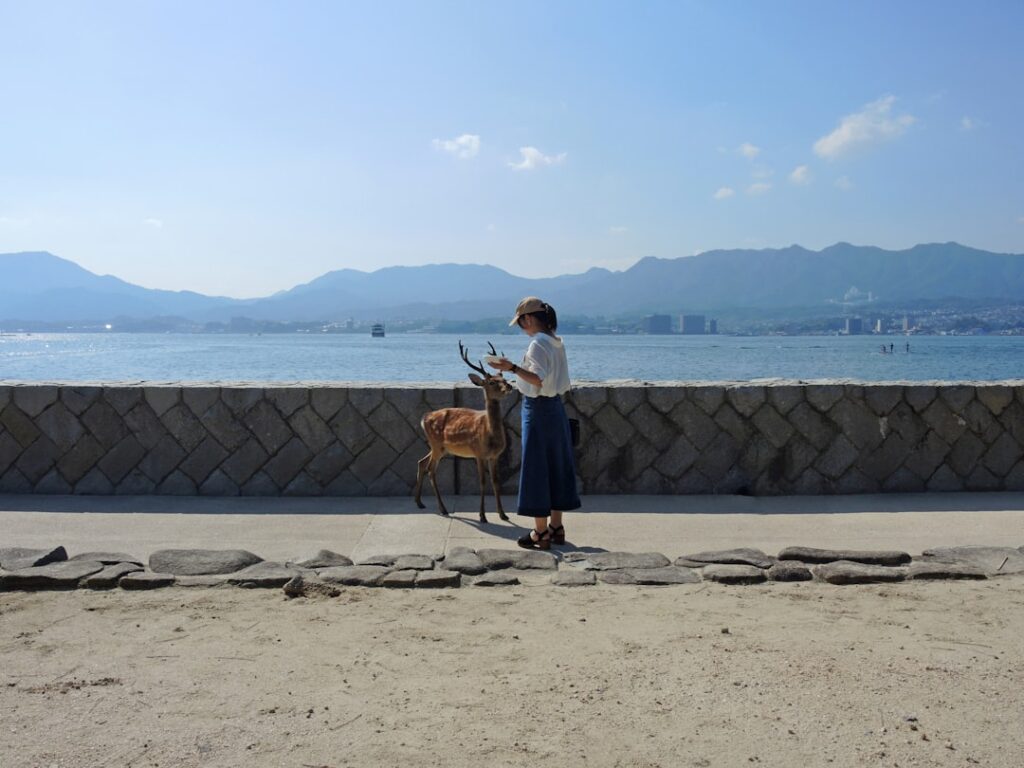
Just after dawn, as the tide begins to recede from Itsukushima Shrine, the iconic vermilion torii gate stands revealed on the mudflats. The silence is broken only by the soft clatter of wooden *geta* sandals and the gentle snuffling of a sacred deer hoping for a morning treat. This is Miyajima, an island where Shinto tradition, wild nature, and living culture are woven together, not as a museum piece, but as a daily rhythm experienced by fewer than 4 million visitors a year—a fraction of those who crowd nearby Kyoto.
Why Miyajima, Japan Stands Out

Tower on body of water, Miyajima, Japan
- Historic Architecture: The floating Itsukushima Shrine, first built in 593 AD and reconstructed in 1168, is a UNESCO masterpiece designed to harmonize with the tides.
- Cultural Scene: Witness the solemn Kangensai Music Festival in summer, where Heian-period court music floats across the water from ceremonial barges.
- Local Specialties: Savor *momiji manju*, sweet bean-paste cakes shaped like maple leaves, fresh from the griddle at shops like Momijido.
Pro Tip: For a truly magical and crowd-free experience, plan your visit for a weekday in late November. You’ll avoid the peak autumn foliage crowds while still catching stunning fall colors, and the crisp air makes hiking Mount Misen a delight.
Map of Miyajima, Japan
Use these interactive maps to explore Miyajima, Japan and plan your route:
📍 View Miyajima, Japan on OpenStreetMap
🗺️ Open Miyajima, Japan in Google Maps
Planning Your Trip: Practical Essentials
Getting There and Around
- By Air: The nearest major airport is Hiroshima Airport (HIJ), served by domestic flights and some international connections from Seoul and Taipei. From there, a 45-minute bus ride connects to Miyajimaguchi ferry terminal. Book flights at Skyscanner for best deals.
- By Train: From Hiroshima Station, take the JR Sanyo Line to Miyajimaguchi Station (25 minutes, covered by the Japan Rail Pass). The ferry terminal is a 5-minute walk from the station. Reserve tickets at Trainline or the national railway website.
- By Car: Driving is possible but not recommended for a day trip. Parking near Miyajimaguchi ferry terminal costs around ¥1,500 per day. Cars are not permitted on the island itself. Compare car rentals at RentalCars.com.
- Local Transport: The island is best explored on foot. Two ferry companies operate from Miyajimaguchi: JR (free for Rail Pass holders) and Matsudai (¥180 one-way). The trip takes 10 minutes. A local bus runs from the ferry port to the ropeway station (¥310).
Best Time to Visit
Miyajima offers distinct charms year-round, but shoulder seasons provide the ideal balance of pleasant weather and manageable crowds. Always check the tide timetable online, as the experience of the torii gate and shrine changes dramatically between high and low tide.
| Season | Weather | Highlights |
|---|---|---|
| Summer (Jun–Aug) | Hot & humid, 75-90°F (24-32°C), rainy season in June/July. | Lush greenery, Kangensai Festival (early Aug), evening illuminations. Can be very crowded. |
| Winter (Dec–Feb) | Cold, 35-50°F (2-10°C), rarely snows on the coast. | Fewest tourists, crisp air for hiking, stunning sunsets. Some shops close earlier. |
| Shoulder (Apr–May/Sep–Oct) | Mild, 55-75°F (13-24°C), generally dry and sunny. | Perfect hiking weather, spring blossoms or autumn foliage, ideal for photography. |
Budgeting for Miyajima, Japan

White and red barge on body of water, Miyajima, Japan
| Category | Budget | Mid-range | Luxury |
|---|---|---|---|
| Accommodation | ¥4,000-8,000 for a hostel/guesthouse | ¥15,000-25,000 for a ryokan with meals | ¥40,000+ for a top-tier ryokan like Iwaso |
| Meals | ¥2,000: street food & convenience store meals | ¥4,000-6,000: set meals at local restaurants | ¥10,000+: kaiseki dinner at your ryokan |
| Transport | ¥360: Ferry round-trip + walking | ¥2,500: Ferry + bus + one-way ropeway | ¥5,000+: Private taxi tour on mainland |
| Activities | ¥0: Hiking, shrine grounds (exterior) | ¥3,000: Shrine entry, museum, ropeway round-trip | ¥8,000+: Guided cultural tour, special temple visit |
| Daily Total | ¥6,360-10,360 (~$42-69) | ¥24,500-36,500 (~$163-243) | ¥63,000+ (~$420+) |
Top Attractions and Must-See Sights
| Attraction | Description | Hours | Entry Fee |
|---|---|---|---|
| Itsukushima Shrine | The iconic “floating” shrine complex with stages built over the sea, dedicated to three sea goddesses. | 6:30 AM – 6:00 PM (varies seasonally) | ¥300 |
| Mount Misen | The island’s sacred peak offering breathtaking 360° views from the observatory at 1,755 ft (535m). | Ropeway 9:00 AM – 5:00 PM (last ascent 4:30 PM) | Ropeway Round-trip: ¥2,000 |
| Daisho-in Temple | A serene and less-crowded Buddhist temple at the base of Mt. Misen, famous for its spinning sutra wheels and hundreds of statues. | 8:00 AM – 5:00 PM | Free (donations appreciated) |
| Momijidani Park | A stunning maple tree valley, especially spectacular during the autumn koyo (foliage) season in November. | Always open | Free |
3-Day Itinerary: Miyajima, Japan’s Highlights & Hidden Gems
Day 1: Arrival, Shrines & Tidal Wonders
- Morning (7-9 AM): Catch an early ferry to beat the crowds. Walk from the port to the giant torii gate—check the tide table; aim for a rising tide to see it “float.” Feed the friendly deer with approved shika senbei (deer crackers, ¥200).
- Afternoon (12-3 PM): Explore the Itsukushima Shrine complex (¥300). For lunch, grab a famous grilled *anago* (conger eel) rice bowl at Ueno (about ¥2,500). Afterwards, visit the tranquil Senjokaku Hall (Toyokuni Shrine), a vast unfinished hall built by Hideyoshi Toyotomi in 1587.
- Evening (6-8 PM): As day-trippers leave, the island grows quiet. Enjoy dinner at Yakigaki-no-Hayashi for fresh, charcoal-grilled oysters, a local specialty. If staying overnight, witness the shrine and torii gate beautifully illuminated after sunset.
Day 2: Mountain Summits & Temple Serenity
- Morning (8:30 AM): Take the bus to the Momijidani Ropeway Station. Ride the two-stage ropeway (¥2,000 round-trip) up Mount Misen. From the upper station, it’s a 30-minute hike to the summit observatory for unparalleled views over the Seto Inland Sea.
- Afternoon (1 PM): Hike back down the mountain via the Daisho-in Course, which leads directly to Daisho-in Temple. Spin the metal sutra wheels for good karma. For lunch, try the vegetarian shojin ryori (Buddhist cuisine) at the temple (reserve ahead, ~¥3,000).
- Evening (6 PM): Stroll through the now-quiet Omotesando shopping street. Sample different flavors of momiji manju—try the classic red bean, but also cheese or chocolate cream at Momijido. Enjoy a relaxed dinner at your ryokan.
Day 3: Crafts, History & Farewell
- Morning (9 AM): Visit the Miyajima History & Folklore Museum (¥300) in a former merchant’s house to understand the island’s past. Then, try your hand at making a traditional wooden rice paddle (*shamoji*) at Miyajima Ropeway Workshop (from ¥1,500, takes 60 mins).
- Afternoon (12:30 PM): For a final lunch, savor Miyajima-style okonomiyaki at Kakiya, which includes local oysters. Afterwards, take a leisurely walk along the coast path towards Tsutsumigaura Beach for a different perspective of the island.
- Evening (5 PM): Catch the late afternoon ferry back to Miyajimaguchi. Your best bet is to time it so you can watch the sun set behind the great torii gate from the water—a perfect farewell snapshot.
Cultural Insights & Etiquette
- Language: Basic greetings go a long way. Say “Konnichiwa” (Hello), “Arigatou gozaimasu” (Thank you). While signs are often in English, learning a few phrases is appreciated.
- Customs: Bow slightly when greeting. Before entering shrine/temple buildings, perform *temizu*: rinse hands and mouth at the purification fountain. Be respectful of the deer; they are considered sacred messengers but are still wild animals.
- Tipping: Tipping is not practiced in Japan and can cause confusion. Excellent service is standard and included.
- Dress Code: Modest dress is required for temple/shrine visits. Shoulders and knees should be covered. Remove shoes when entering tatami mat rooms in ryokans.
- Business Hours: Most shops on Omotesando Street open around 9 AM and close by 5-6 PM. Restaurants may stay open until 8 or 9 PM. Many establishments close one weekday, often Tuesday.
Where to Eat: Miyajima, Japan’s Best Bites
Miyajima’s cuisine is defined by the sea and the seasons. Oysters, farmed in the clean waters of the Inland Sea from October to March, are the undisputed star. You’ll also find delicate anago (conger eel) and the ever-present momiji manju sweets. Dining is casual, with most excellent meals found in modest-looking restaurants along the main street or in your ryokan.
Must-Try Local Specialties
- Grilled Oysters (Kaki): Plump, briny, and charcoal-grilled right in front of you. Best tried from street stalls in winter or at dedicated restaurants like Kakiya.
- Anago-meshi: Tender, sweet conger eel steamed and grilled, then served over rice in a lacquer box. Ueno is the most famous purveyor, with a history spanning over a century.
- Momiji Manju: These maple-leaf-shaped cakes with various fillings (red bean, custard, cheese) are a must-take-home souvenir. Eat them warm from the griddle at Momijido for the best experience.
Restaurant Recommendations by Budget
| Type | Restaurant | Specialty | Price Range |
|---|---|---|---|
| Budget | Momijido (Omotesando St) | Freshly baked momiji manju in sweet & savory flavors | ¥150-300 per cake |
| Mid-range | Yakigaki-no-Hayashi (Near the ferry port) | Charcoal-grilled oysters and seafood sets | ¥2,000-4,000 per person |
| Fine dining | Ryokan Iwaso (Momijidani Park area) | Multi-course kaiseki dinners featuring seasonal local ingredients | ¥10,000+ per person (guests only) |
Where to Stay
Staying overnight on the island is a transformative experience, allowing you to enjoy its serene atmosphere after the last ferry departs. Choices range from traditional ryokans (Japanese inns) with tatami rooms and kaiseki dinners to Western-style hotels and guesthouses. Book well in advance, especially during foliage season. Compare prices and book at Booking.com or Airbnb for apartments (though traditional ryokans are often listed on Booking.com).
Best Neighborhoods for Accommodation
- Near Itsukushima Shrine: The most convenient and atmospheric area. You’re steps from the main sight and can easily see the illuminations. It can be pricier and fully booked quickly. Ideal for first-time visitors wanting the classic experience.
- Momijidani Park Area: A quieter, more residential feel nestled in a beautiful maple valley. Ryokans like Iwaso are located here. It’s a short, pleasant walk to the shrine and town. Perfect for a peaceful, nature-immersed stay.
- Near Miyajima Port: Offers a mix of business hotels and smaller inns. Very convenient for ferry arrivals/departures and close to restaurants. The vibe is less traditionally “magical” but offers good value and practicality.

A body of water with a building and trees by it, Miyajima, Japan
FAQs: Your Miyajima, Japan Questions Answered
1. Is Miyajima, Japan safe at night?
Extremely safe. Japan has very low crime rates, and Miyajima, as a small, close-knit island community, is particularly peaceful. You can walk around alone at night without concern. The main hazard might be surprising a deer in the dark!
2. What currency is used and are credit cards accepted?
The currency is the Japanese Yen (¥). While major hotels, some ryokans, and larger restaurants may accept credit cards, many smaller shops, food stalls, and temples only accept cash. Your best bet is to carry at least ¥5,000-10,000 in cash for daily expenses. ATMs are available at the post office and

