
Mili Atoll, Marshall Islands: Amazing WWII Wrecks, Pristine Reefs & Traditional Culture (2025)
While thousands flock to Bora Bora’s overwater bungalows at $1,200/night, Mili Atoll offers 84 uninhabited islands with the same turquoise waters for $25 homestays. Here, you’ll find more Japanese Zero fighter planes preserved in shallow lagoons than tourist shops, and traditional outrigger canoes still outnumber motorboats 10-to-1. This 16-kilometer-wide atoll witnessed one of WWII’s longest garrison occupations, leaving behind historical artifacts that remain remarkably accessible to the handful of adventurers who make the journey each month.
Why Mili Atoll, Marshall Islands Stands Out

Green island in the middle of ocean, Mili Atoll, Marshall Islands
- Historic Architecture: The 1944 Japanese communications bunker complex, built into the coral landscape, features original equipment and offers haunting insight into the island’s wartime isolation.
- Cultural Scene: The annual Kūrijmōj festival each November showcases traditional stick dancing, outrigger canoe racing, and the legendary breadfruit pounding competitions unique to the southern atolls.
- Local Specialties: Don’t miss wōtō – fermented breadfruit paste wrapped in banana leaves, which locals describe as having a tangy, cheeselike flavor that pairs perfectly with fresh coconut water.
Pro Tip: Visit during the dry season window from January through March when northeast trade winds create ideal snorkeling conditions and you’ll have the WWII wrecks virtually to yourself, unlike the crowded summer months when occasional storms can disrupt travel plans.
Map of Mili Atoll, Marshall Islands
Use these interactive maps to explore Mili Atoll, Marshall Islands and plan your route:
📍 View Mili Atoll, Marshall Islands on OpenStreetMap
🗺️ Open Mili Atoll, Marshall Islands in Google Maps
Planning Your Trip: Practical Essentials
Getting There and Around
- By Air: Air Marshall Islands operates bi-weekly 19-seat flights from Majuro to Mili Atoll (approximately $280 roundtrip). Book flights at Skyscanner for best deals.
- By Sea: The government supply ship makes monthly trips from Majuro (36-hour journey, approximately $150 one way) – bring a sleeping mat and prepare for basic conditions.
- By Car: No rental cars available – the main island has approximately 8 kilometers of paved roads best explored on foot or by local transport.
- Local Transport: Outrigger canoe transfers between islands cost $10-20 per trip – arrange through your homestay. Walking is the primary transportation on inhabited islands.
Best Time to Visit
The Marshall Islands experience consistent tropical temperatures year-round, but rainfall and wind patterns significantly impact your experience. Savvy travelers target the dry season for optimal water visibility and cultural events.
| Season | Weather | Highlights |
|---|---|---|
| Dry Season (Jan–Mar) | 82-88°F, low rainfall, northeast trade winds | Best WWII wreck visibility, cultural festivals, ideal for photography |
| Wet Season (Jul–Oct) | 84-90°F, frequent showers, variable winds | Lush vegetation, fewer visitors, lower homestay rates (20% less) |
| Shoulder (Apr–Jun/Nov–Dec) | 83-89°F, occasional brief storms | Balanced conditions, good for budget travelers, local fishing tournaments |
Budgeting for Mili Atoll, Marshall Islands

Aerial view photography of road beside ocean, Mili Atoll, Marshall Islands
| Category | Budget | Mid-range | Luxury |
|---|---|---|---|
| Accommodation | $25-40/night (homestay) | $50-75/night (guesthouse) | $100-150/night (private bungalow) |
| Meals | $15/day (local meals) | $25-35/day (mix of local/imported) | $50+/day (imported goods) |
| Transport | $10/day (walking/canoe) | $20-30/day (boat transfers) | $50+/day (private boat) |
| Activities | $15/day (self-guided) | $30/day (guided tours) | $75+/day (private guides) |
| Daily Total | $65-80 | $125-160 | $275+ |
Top Attractions and Must-See Sights
| Attraction | Description | Hours | Entry Fee |
|---|---|---|---|
| Japanese Zero Fighter Wreck | Remarkably intact WWII aircraft in just 10 feet of crystal-clear water, accessible by snorkeling | Daylight hours | Free (guide recommended $20) |
| Mili Cultural Center | Traditional meeting house displaying Marshallese navigation charts and WWII artifacts recovered locally | 9 AM-3 PM weekdays | $5 donation |
| Enemanet Island Shipwrecks | Three Japanese cargo ships sunk in 1943, now creating artificial reefs teeming with marine life | Daylight hours | Free |
| Traditional Canoe Building Site | Watch master craftsmen construct outrigger canoes using centuries-old techniques passed through generations | 7-11 AM most days | Free (tips appreciated) |
3-Day Itinerary: Mili Atoll, Marshall Islands’s Highlights & Hidden Gems
Day 1: WWII History & Island Introduction
- Morning: 7:30 AM pickup by outrigger canoe ($15) to the Japanese Zero wreck site – arrive before winds pick up for optimal visibility. Local guides point out the intact cockpit instrumentation.
- Afternoon: 12:30 PM lunch at Lison’s Homestay featuring fresh parrotfish with breadfruit ($12) followed by a 2 PM tour of the Japanese communications bunker with historian Tarn Lang (donation $10).
- Evening: 6 PM sunset at Mili Point followed by traditional storytelling session with elders at the community meeting house – bring small gifts like tobacco or school supplies as cultural courtesy.
Day 2: Marine Exploration & Traditional Life
- Morning: 8 AM departure for Enemanet Island shipwrecks ($25 boat transfer) – snorkel three sunken Japanese vessels in water clear to 100 feet visibility. Local legend says one still contains sealed sake bottles.
- Afternoon: 1 PM picnic lunch on uninhabited Enejet Island with freshly harvested coconut and tuna caught en route, then 2:30 PM demonstration of traditional navigation techniques using stick charts at the cultural center.
- Evening: 6:30 PM hands-on cooking class learning to prepare wōtō and coconut crab at Jibon’s Kitchen ($35 including dinner) – reserve 24 hours ahead as ingredients are gathered fresh.
Day 3: Outer Islands & Cultural Immersion
- Morning: 7 AM canoe transfer to Lukoj island ($20) to witness master canoe builders at work – the rhythmic sound of adzes on breadwood echoes across the lagoon as craftsmen shape hulls using methods unchanged for centuries.
- Afternoon: 12 PM traditional fishing with handlines from the reef edge, followed by 2 PM weaving demonstration using pandanus leaves to create baskets and sailing mats at the women’s cooperative.
- Evening: 5:30 PM farewell dinner featuring umu (earth oven) roasted pork and taro, with traditional ro-roro singing performance under the southern cross stars – the perfect culmination of your Marshallese experience.
Cultural Insights & Etiquette
- Language: Marshallese and English are official languages – learn “Yokwe” (hello/goodbye/love) and “Kommol” (thank you) – elders particularly appreciate visitors using basic greetings.
- Customs: Always ask permission before photographing people – remove shoes before entering homes – the head is considered sacred so avoid touching anyone’s head.
- Tipping: Not expected but appreciated for exceptional service – $5-10 for guides, small gifts from your home country often valued more than cash.
- Dress Code: Modest clothing is essential – women should avoid shorts above the knee and sleeveless tops, men should remove hats when entering buildings.
- Business Hours: Government offices 8 AM-5 PM weekdays, shops open early morning and late afternoon to avoid midday heat, most businesses closed Sunday.
Where to Eat: Mili Atoll, Marshall Islands’s Best Bites
Mili’s cuisine reflects its island environment – expect fresh seafood, coconut in countless forms, and traditional preservation techniques. Most dining happens in homestays or small family-run kitchens rather than formal restaurants. Travelers discover that the best meals often come from whatever was caught or harvested that morning.
Must-Try Local Specialties
- Wōtō: Fermented breadfruit paste with a tangy, complex flavor – try the version at Lison’s Homestay where they use a 50-year-old starter culture
- Coconut Crab: Massive land crabs that feed on coconuts, best prepared simply grilled – available seasonally at Jibon’s Kitchen when the moon phases are right for hunting
- Bwiro: Sweet fermented breadfruit balls wrapped in arrowroot leaves – find them at the Saturday morning market near the dock
Restaurant Recommendations by Budget
| Type | Restaurant | Specialty | Price Range |
|---|---|---|---|
| Budget | Mili Market Stalls (near main dock) | Fresh tuna poke with coconut milk | $5-8 per meal |
| Mid-range | Jibon’s Kitchen (east side of main island) | Traditional umu feasts with 24-hour notice | $15-25 per person |
| Fine dining | Private homestay dinners (arranged through guesthouses) | Multi-course seafood meals with local storytelling | $30-50 per person |
Where to Stay
Accommodation ranges from basic homestays where you’ll live with local families to simple guesthouses with private facilities. There are no resorts or hotels – the authentic experience is part of the appeal. Compare prices and book at Booking.com or Airbnb for apartments.
Best Neighborhoods for Accommodation
- Mili Main Village: Central location near docks and cultural center, basic amenities, ideal for first-time visitors wanting easy access to guides and services
- Eastern Coast Homestays: Quieter setting with beautiful sunrise views, more traditional lifestyle experience, better for travelers seeking cultural immersion
- Outer Island Bungalows: Ultimate privacy and natural surroundings, requires boat transfers, perfect for snorkelers and those wanting complete escape

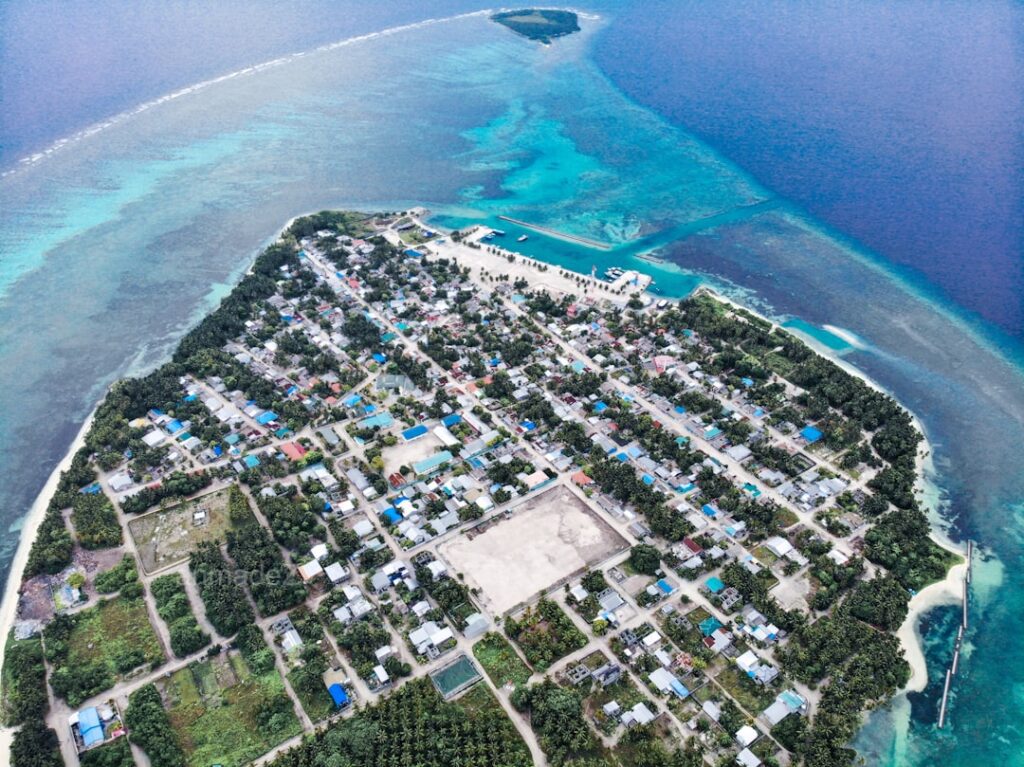
A small island in the middle of the ocean, Mili Atoll, Marshall Islands
FAQs: Your Mili Atoll, Marshall Islands Questions Answered
1. Is Mili Atoll, Marshall Islands safe at night?
Violent crime is extremely rare, but take normal precautions – carry a flashlight after dark as there’s limited lighting, and avoid walking on reef areas at night due to changing tides. The main safety concerns are marine-related – always check weather conditions before boating.
2. What currency is used and are credit cards accepted?
US dollars are the official currency. Credit cards are rarely accepted – bring sufficient cash in small denominations ($1, $5, $10 bills). There are no ATMs on Mili Atoll, so withdraw cash in Majuro before flying.
3. How do I get from the airport to the village?
The “airport” is a grass strip – your accommodation will arrange pickup by truck or boat (included in most homestay rates). If not pre-arranged, expect to pay $5-10 for the 15-minute ride to the main village. Book airport transfers at GetYourGuide for convenience.
4. Do I need to speak the local language?
English is widely spoken among those working with tourists, but learning a few Marshallese phrases will enhance your experience significantly. Older residents may speak Japanese from the occupation period rather than English.
5. What’s the appropriate dress code?
Modest, loose-fitting clothing is essential. Women should wear skirts or dresses below the knee, men should avoid going shirtless outside beach areas. Bring quick-dry fabrics as humidity is constant, and don’t forget reef shoes for water activities.
Final Thoughts: Mili Atoll, Marshall Islands Awaits
Mili Atoll offers something increasingly rare in today’s world – genuine cultural immersion in a setting of extraordinary natural and historical significance. Here, you’re not just observing history but swimming through it, not just learning about traditions but participating in living culture. The atoll’s combination of accessible WWII wrecks, pristine marine environments, and warm Marshallese hospitality creates an experience that stays with travelers long after they’ve returned home. For those willing to venture beyond the typical tourist trail, Mili delivers rewards far beyond its modest costs. Your best approach? Come with flexibility, curiosity, and respect – the islands will provide the rest. Don’t miss the chance to join the morning fishing canoes at least once – the sight of the rising sun painting the lagoon in gold and rose hues is worth the early wake-up call.

