
Mekong River, Southeast Asia: Incredible Floating Markets, Ancient Temples & Riverine Life (2026)
Just before dawn, the surface of the Mekong near Cai Rang in Vietnam begins to shimmer, not with light, but with the hulls of hundreds of wooden sampans. The air fills with the scent of ripe jackfruit, steaming *pho*, and diesel from long-tail boats, creating a symphony of commerce that has defined life along this 4,350-kilometer river for centuries. This is the “Mother of Waters,” a liquid highway that connects six nations and offers a journey into the very soul of Southeast Asia, far from the standard tourist trail.
Why Mekong River, Southeast Asia Stands Out

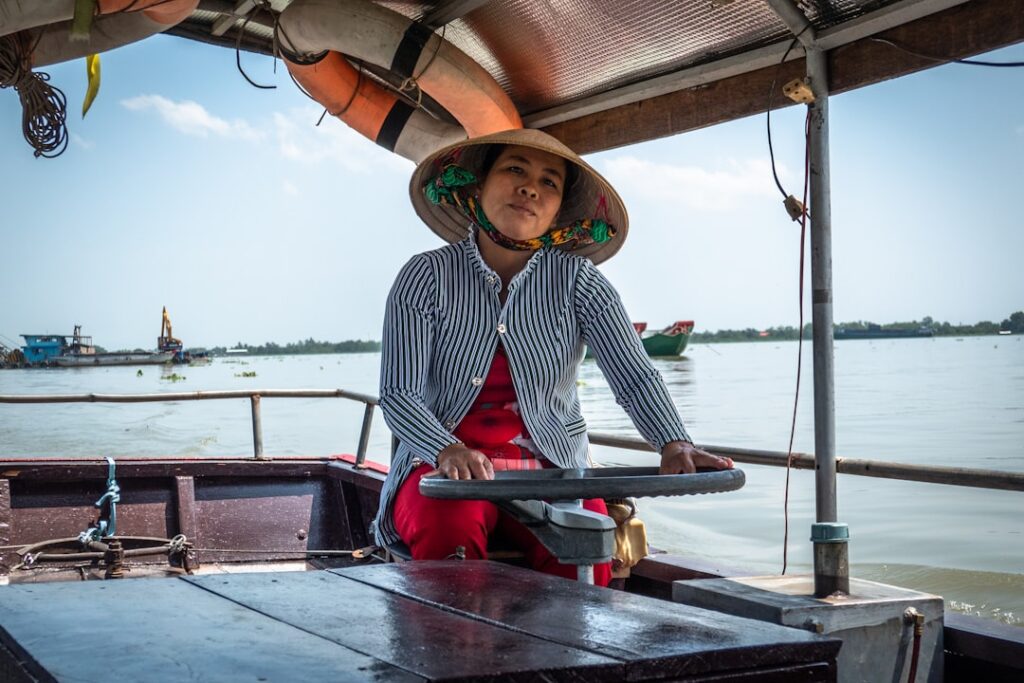
White and black boat on sea during daytime, Mekong River, Southeast Asia
- Historic Architecture: The 12th-century Angkorian temple of Wat Phu in Laos, a UNESCO site cascading down a hillside, showcases the river’s role as an ancient conduit of Khmer empire culture.
- Cultural Scene: The annual Bon Om Touk (Water Festival) in Phnom Penh, where over a million Cambodians gather to celebrate the river’s reversing current with illuminated boat races and fireworks.
- Local Specialties: *Larb pla duk*, a fiery and fragrant minced catfish salad from Isan, Thailand, best enjoyed at a riverside stall with sticky rice.
Pro Tip: For the ideal balance of water levels and comfortable weather, target the dry season months of November to early February. To avoid the peak tourist crowds on the popular Vietnam-Cambodia cruise routes, consider starting your journey in the less-visited northern stretches in Laos or Thailand in late October or February.
Map of Mekong River, Southeast Asia
Use these interactive maps to explore Mekong River, Southeast Asia and plan your route:
📍 View Mekong River, Southeast Asia on OpenStreetMap
🗺️ Open Mekong River, Southeast Asia in Google Maps
Planning Your Trip: Practical Essentials
Getting There and Around
- By Air: Major gateways include Bangkok (BKK), Ho Chi Minh City (SGN), and Phnom Penh (PNH). For the Upper Mekong, fly into Chiang Rai (CEI). Book flights at Skyscanner for best deals.
- By Train: Limited; the main line from Bangkok crosses the river at Nong Khai into Laos. Reserve tickets at Trainline or the national railway website.
- By Car: Driving is complex across borders; rentals are best for exploring one country. The East-West Economic Corridor is a key route. Compare car rentals at RentalCars.com.
- Local Transport: The river itself is the transport. Public ferries, speedboats, and multi-day cruise ships connect towns. Local *tuk-tuks* and motorbike taxis rule on land.
Best Time to Visit
The Mekong’s character changes dramatically with the seasons, dictated by the monsoon. The dry season offers reliable cruising and clearer skies, while the wet season reveals a lush, powerful river and full waterfalls.
| Season | Weather | Highlights |
|---|---|---|
| Dry Cool (Nov-Feb) | 22-30°C, low humidity, minimal rain | Optimal for all travel, best for festivals, comfortable exploring. Peak tourist season. |
| Dry Hot (Mar-May) | 30-38°C, very hot, high humidity | Lower prices, fewer crowds, but intense heat. Water levels are low, affecting some navigation. |
| Wet (Jun-Oct) | 25-33°C, daily heavy downpours | Lush landscapes, powerful waterfalls like Khone Phapheng are at their most impressive, authentic local life with fewer tourists. |
Budgeting for Mekong River, Southeast Asia

A beautiful sunset over a lake and mountains., Mekong River, Southeast Asia
| Category | Budget | Mid-range | Luxury |
|---|---|---|---|
| Accommodation | $10-20 (guesthouse/basic hostel) | $40-80 (boutique hotel/river lodge) | $150+ (luxury cruise cabin/5-star resort) |
| Meals | $5-10 (street food/market meals) | $15-25 (restaurant meals with drinks) | $50+ (fine dining/gourmet cruise fare) |
| Transport | $5-15 (local ferries/buses) | $30-50 (private taxi/boat for day) | $100+ (private car & driver/ speedboat charter) |
| Activities | $0-10 (temple entries/local tours) | $20-40 (guided day trips/cooking classes) | $80+ (private guided tours/ exclusive experiences) |
| Daily Total | $25-50 | $100-200 | $400+ |
Top Attractions and Must-See Sights
| Attraction | Description | Hours | Entry Fee |
|---|---|---|---|
| Cai Rang Floating Market | Vietnam’s largest floating market, a chaotic and colorful spectacle of boat-to-boat commerce near Can Tho. | 5:00 AM – 9:00 AM | ~$10-15 for a small boat tour |
| Wat Phu (Champasak) | A breathtaking Khmer temple complex predating Angkor Wat, terraced into Mount Phu Kao in southern Laos. | 8:00 AM – 5:00 PM | 50,000 LAK (~$2.50) |
| Royal Palace & Silver Pagoda | Phnom Penh’s glittering heart, home to the Emerald Buddha and a floor of over 5,000 silver tiles. | 8:00 AM – 10:30 AM & 2:00 PM – 5:00 PM | $10 |
| Four Thousand Islands (Si Phan Don) | A Laotian archipelago of timeless islands where life moves at the pace of the river, perfect for cycling and spotting Irrawaddy dolphins. | All day | Free (island); Dolphin tours ~$10 |
3-Day Itinerary: Mekong River, Southeast Asia’s Highlights & Hidden Gems
Day 1: The Heart of the Delta (Can Tho, Vietnam)
- Morning (5:30 AM): Hire a small boat (approx. $15) at Ninh Kieu pier for Cai Rang Floating Market. Watch “trademark” poles advertising wares from pineapples to noodles. Your best bet is to go with a local guide who can navigate and explain.
- Afternoon (12:30 PM): Visit the Can Tho Museum for delta history, then lunch at **Nam Bo Restaurant** (mansion setting) for their signature *ca kho to* (caramelized fish in claypot).
- Evening (6:00 PM): Stroll along the Ninh Kieu waterfront promenade, then enjoy dinner at **Cuisine de Saigon** for refined Vietnamese classics.
Day 2: Khmer Heritage & Rural Life (Chau Doc, Vietnam to Phnom Penh)
- Morning (7:00 AM): Take a speedboat from Chau Doc to Phnom Penh (4hrs, ~$35). The border crossing is an experience itself. Upon arrival, visit the sobering but essential Tuol Sleng Genocide Museum (S-21).
- Afternoon (1:00 PM): Lunch at **Friends the Restaurant** (training NGO), then explore the dazzling Royal Palace and Silver Pagoda before the midday heat fades.
- Evening (6:30 PM): Watch the sunset over the Tonle Sap and Mekong confluence from a rooftop bar like **Eclipse**, then feast on Amok curry at **Malis Restaurant**.
Day 3: Island Time & French Flair (Kampot, Cambodia)
- Morning (8:00 AM): Private car to Kampot (2.5hrs, ~$50). Explore the charming, crumbling French colonial architecture and the old market.
- Afternoon (12:00 PM): Lunch at **Rikitikitavi** (riverfront terrace), famous for its Kampot pepper crab. Then, take a guided tour of a pepper plantation to see the “king of spices” grown.
- Evening (5:00 PM): A sunset cruise on the Kampong Bay River is non-negotiable. Finish with cocktails and dinner at **The Fishmarket** for fresh seafood.
Cultural Insights & Etiquette
- Language: Multiple languages: Thai, Lao, Khmer, Vietnamese. Key phrases: *Sabaidee* (Hello in Lao), *Arkun* (Thank you in Khmer), *Cam on* (Thank you in Vietnamese). English is common in tourist areas.
- Customs: The head is sacred, feet are low. Never touch someone’s head or point your feet at people or Buddha images. Always remove shoes before entering temples and homes.
- Tipping: Not traditionally expected but appreciated for good service. 5-10% in restaurants, a small amount for guides and drivers. Round up taxi fares.
- Dress Code: Modest dress for temples: covered shoulders and knees for all. Loose, light, breathable clothing is best for the climate.
- Business Hours: Shops: 8am-8pm. Temples: dawn to dusk, often closed midday. Government offices: 8am-4pm. Major holidays like Khmer New Year (April) or Tet (Jan/Feb) can shut things down.
Where to Eat: Mekong River, Southeast Asia’s Best Bites
The Mekong basin is a rice bowl and fish larder. Cuisine is fresh, herb-driven, and varies by country: sour and spicy in Laos and Northeast Thailand, sweeter and herbaceous in Vietnam, with complex curry pastes in Cambodia.
Must-Try Local Specialties
- Fish Amok (Cambodia): The national dish—a delicate, aromatic coconut fish curry steamed in a banana leaf. Find an authentic version at **Romdeng** in Phnom Penh, an NGO restaurant.
- Bun Ca (Vietnam): A hearty Southern Vietnamese noodle soup with fried and steamed river fish, dill, and pineapple. **Bun Ca 44** in Can Tho is legendary.
- Som Tam (Thailand/Laos): Green papaya salad, pounded in a mortar. The Isan (Thai) version uses fermented crab and is fiercely spicy. Try it at any riverside stall in Nong Khai.
Restaurant Recommendations by Budget
| Type | Restaurant | Specialty | Price Range |
|---|---|---|---|
| Budget | Cai Rang Market Boats (Can Tho) | Fresh *pho*, tropical fruits, and Vietnamese coffee served directly from floating kitchens. | $1-3 per item |
| Mid-range | La Terrasse (Kampot) | Perfect French bistro classics and excellent local dishes in a beautiful garden setting. | $10-20 per main |
| Fine dining | Le Malraux (Phnom Penh) | Sophisticated French-Indochine fusion cuisine in an elegant, air-conditioned villa. | $30-50+ per main |
Where to Stay
Accommodation ranges from rustic riverbank homestays to luxurious colonial-era hotels and boutique cruise ships. Your location should match your travel style: bustling cities, tranquil islands, or floating on the water itself. Compare prices and book at Booking.com or Airbnb for apartments.
Best Neighborhoods for Accommodation
- Riverside (Phnom Penh): The historic center, walkable to major sights, packed with cafes and bars. Lively and convenient, but can be noisy. Suits first-time visitors and culture seekers.
- Don Det (Si Phan Don, Laos): The backpacker hub of the 4000 Islands. Ultra-chill vibe with basic bungalows, hammocks, and sunset views. Perfect for budget travelers and those seeking to disconnect.
- Ninh Kieu (Can Tho, Vietnam): The main tourist area along the river, close to the pier for market trips. Offers a range of hotels and easy access to restaurants. Ideal for those focusing on the delta experience.

A group of boats floating on top of a body of water, Mekong River, Southeast Asia
FAQs: Your Mekong River, Southeast Asia Questions Answered
1. Is Mekong River, Southeast Asia safe at night?
Generally, yes, in main tourist towns. Exercise standard precautions: avoid poorly lit areas, don’t flash valuables, and be cautious with alcohol. Petty theft (bag snatching from motorbikes) can occur in cities like Phnom Penh and Ho Chi Minh City. On boats and in rural areas, safety is more about being mindful of water conditions and having a good flashlight.
2. What currency is used and are credit cards accepted?
You’ll need multiple currencies: Thai Baht (THB), Lao Kip (LAK), Cambodian Riel (KHR)/US Dollars (USD), and Vietnamese Dong (VND). USD is widely accepted in Cambodia and Laos for larger purchases. Credit cards are common in hotels, upscale restaurants, and tourist shops in cities, but cash is king in markets, for transport, and in rural areas. Always carry small bills.
3. How do I get from the airport to the city center?
In major hubs: Bangkok (airport rail link), Ho Chi Minh City (metered taxi ~$10), Phnom Penh (official taxi counter ~$12). In smaller cities like Can Tho, pre-arrange a pickup with your hotel or use the Grab app (Southeast Asia’s Uber). Book airport transfers at GetYourGuide for convenience.
4. Do I need to speak the local language?
Not at all for the core tourist route. English is spoken in hotels, tour agencies, and many restaurants. Learning a few basic greetings in each country (hello, thank you) is deeply appreciated and will enhance your interactions. A translation app can be helpful in remote areas.
5. What’s the appropriate dress code?
Lightweight, loose-fitting, natural fabrics are essential. As mentioned, cover up for temples. Pack a sarong—it’s versatile as a cover-up, towel, or picnic blanket. A wide-brimmed hat, sunglasses, and reef-safe sunscreen are musts. Sturdy sandals are better than flip-flops for uneven temple steps and boat decks.
Final Thoughts: Mekong River, Southeast Asia Awaits
The Mekong is more than a river; it’s a narrative of Southeast Asia, flowing from glacial Tibetan sources through ancient kingdoms

