
Mekele, Ethiopia’s Amazing History, Highlands & Resilient Spirit (2025)
While crowds flock to the rock-hewn churches of Lalibela, Mekele, Ethiopia delivers a profound sense of living history and gateway adventure without the tour buses. As the capital of the Tigray region, this highland city, perched at 2,084 meters, is your launchpad to the otherworldly landscapes of the Danakil Depression and Gheralta’s cliffside monasteries. Here, you’ll find a city rebuilt with remarkable spirit, where grand 19th-century palaces stand alongside vibrant markets, telling a story of empire, resilience, and a culture deeply proud of its heritage.
Why Mekele, Ethiopia Stands Out

Stunning view of Addis Ababa’s skyline against a vibrant sunset backdrop., Mekele, Ethiopia
- Historic Architecture: The grand Atse Yohannes IV Palace Museum, built in the 1880s, is a stunning example of Tigrayan architecture and the seat of a powerful emperor who unified northern Ethiopia.
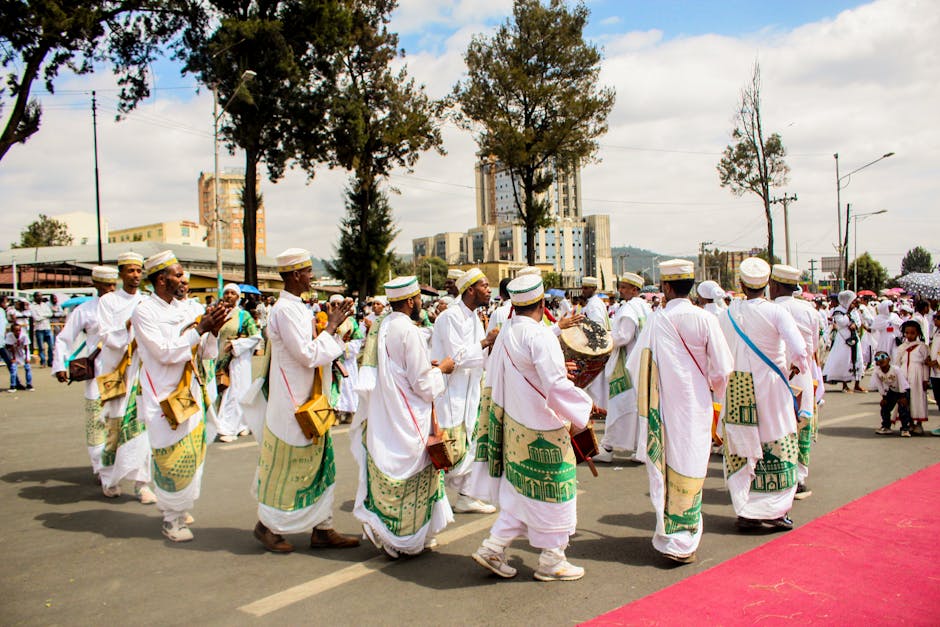
- Cultural Scene: The annual Hidar Tsion festival in November transforms the city with vibrant religious processions, chanting, and white-robed pilgrims celebrating at the Enda Abune Aregawi church.
- Local Specialties: You must try *Tihlo*, a unique Tigrayan dish of barley dough balls dipped in a spicy *berbere* and meat sauce, best enjoyed communally from a shared basket.
Pro Tip: For the best experience, plan your visit between October and March. This avoids the heavy summer rains (June-August) and ensures clear roads for essential day trips to the surrounding highlands and historical sites. Mornings are always cool and bright, perfect for exploration.
Map of Mekele, Ethiopia
Use these interactive maps to explore Mekele, Ethiopia and plan your route:
📍 View Mekele, Ethiopia on OpenStreetMap
🗺️ Open Mekele, Ethiopia in Google Maps
Planning Your Trip: Practical Essentials
Getting There and Around
- By Air: Mekele Alula Aba Nega Airport (MQX) has daily flights from Addis Ababa on Ethiopian Airlines. A taxi to the city center costs around 200-300 ETB. Book flights at Skyscanner for best deals.
- By Train: There is currently no passenger rail service to Mekele. Long-distance travel is best done by air or road.
- By Car: The drive from Addis Ababa is a long but scenic 780km journey via the historic route. Renting a 4×4 with a driver (highly recommended for day trips) costs from $80-$120/day. Compare car rentals at RentalCars.com.
- Local Transport: Blue-and-white minibuses (“blue donkeys”) are the main public transport, costing 5-10 ETB per ride. Motorcycle taxis (*bajaj*) and regular taxis are plentiful for shorter trips; always agree on a price (50-100 ETB within the city) before starting.
Best Time to Visit
The key to enjoying Mekele is timing your visit with the dry, cool seasons, which also coincide with major cultural festivals and optimal conditions for trekking to remote sites.
| Season | Weather | Highlights |
|---|---|---|
| Summer (Jun–Aug) | 15°C – 25°C, daily heavy rains | Lush green landscapes, but road travel to remote areas can be difficult or impossible. |
| Winter (Dec–Feb) | 10°C – 22°C, dry and sunny | Perfect for hiking and day trips, clear skies, and comfortable daytime exploration. Peak season for tourism. |
| Shoulder (Oct–Nov/Mar–May) | 12°C – 26°C, minimal rain | Ideal balance of good weather and fewer visitors. November hosts the Hidar Tsion festival. |
Budgeting for Mekele, Ethiopia

A man in traditional attire sitting within the ancient rock-hewn churches o…, Mekele, Ethiopia
| Category | Budget | Mid-range | Luxury |
|---|---|---|---|
| Accommodation | Hostel/Guesthouse: 400-700 ETB | Local hotel: 1,200-2,500 ETB | International hotel: 4,000+ ETB |
| Meals | Local eateries/street food: 100-200 ETB | Restaurant meals: 250-500 ETB | Fine dining (limited): 600+ ETB |
| Transport | Minibuses/Bajaj: 50-150 ETB/day | Private taxi for day: 800-1,200 ETB | Private 4×4 with driver: $80+/day |
| Activities | Market visits, city walks (free) | Museum entry, local tours: 100-300 ETB | Multi-day guided tours to Danakil/Gheralta |
| Daily Total | 600-1,200 ETB ($11-$22) | 2,500-4,500 ETB ($45-$82) | $100+ per day |
Top Attractions and Must-See Sights
| Attraction | Description | Hours | Entry Fee |
|---|---|---|---|
| Atse Yohannes IV Museum | The magnificent palace of the 19th-century emperor, showcasing royal artifacts, weaponry, and Orthodox manuscripts in a castle-like compound. | 8:30 AM – 5:30 PM | 200 ETB |
| Martyrs’ Memorial Monument | A striking, modern monument honoring Tigrayan resistance, offering panoramic city views and a place for quiet reflection. | Daylight Hours | Free |
| Mekele Market (Edaga Hamus) | The sprawling central market where you can find everything from spices and traditional Tigrayan cotton cloth (*zuria*) to pottery and coffee pots. | 7 AM – 7 PM (Busiest Thu & Sun) | Free |
| Enda Abune Aregawi Church | A historic church in the city center, important for the Hidar Tsion festival, featuring classic Ethiopian Orthodox architecture. | 9 AM – 5 PM (Outside service times) | Donation |
3-Day Itinerary: Mekele, Ethiopia’s Highlights & Hidden Gems
Day 1: Imperial History & City Pulse
- Morning (7-9 AM): Start at the **Atse Yohannes IV Museum**. Arrive early to have the grand stone courtyards to yourself. Your best bet is to hire one of the on-site guides (tip 100-200 ETB) for fascinating stories about the emperor who fought off Italian and Egyptian invasions.
- Afternoon (12-3 PM): Dive into the sensory overload of **Edaga Hamus Market**. For lunch, grab a spot at **Abay Minch**, a simple local eatery near the market known for its superb *Tihlo* and *Shiro* (spiced chickpea stew) for about 120 ETB.
- Evening (6-8 PM): Take a *bajaj* up to the **Martyrs’ Memorial Monument** for sunset views over the city. For dinner, head to **Gheralta Restaurant** for a wider menu of Tigrayan classics in a pleasant setting, with meals around 300 ETB.
Day 2: Highland Excursion to Wukro
- Morning (7 AM): Hire a private taxi for the day (approx. 1500 ETB) for the 45km drive north to **Wukro**. Your first stop is the **Wukro Chirkos** rock-hewn church, a stunning 4th-century cave church with intricate carvings (entry 200 ETB).
- Afternoon (12-3 PM): Visit the modern **Wukro Museum** to see the famous “Lucy” replica and archaeological finds. Enjoy lunch at **Selam Restaurant** in Wukro town, famous for its *Tibsi* (sautéed meat) for around 180 ETB.
- Evening (6-8 PM): Return to Mekele. For a different vibe, have dinner at **Planet Restaurant & Café**, a popular spot with locals for good pasta, pizza, and Ethiopian dishes (250-400 ETB).
Day 3: Cultural Immersion & Craft
- Morning (9 AM): Explore the quieter **Enda Abune Aregawi Church** compound. Then, seek out local craft workshops. Ask your driver to take you to a **pottery cooperative** on the city outskirts where artisans use traditional methods.
- Afternoon (1 PM): Enjoy a final, leisurely lunch at **Aster Buna** (Coffee), a café celebrated for having some of the strongest, most aromatic traditional coffee in town, served with popcorn (less than 100 ETB).
- Evening (5 PM): Take a stroll through **Megenagna** district for last-minute souvenir shopping. Your final dinner should be another round of *Tihlo* at a bustling local spot like **Tihlo Bet**, where you eat with your hands alongside Mekele residents.
Cultural Insights & Etiquette
- Language: Tigrinya is the main language. Key phrases: “Selam” (Hello), “Amesegenalehu” (Thank you), “Yekanyka?” (How much?). English is understood in hotels and by guides, but less so in local markets.
- Customs: Greetings are important. A handshake with a slight bow is common. Always use your right hand for eating, giving/receiving items, and handshakes. Respect religious sites; remove shoes before entering church compounds.
- Tipping: Not mandatory but appreciated. In restaurants, 5-10% is generous. For guides, 200-500 ETB per day is standard. For drivers, a similar tip is customary.
- Dress Code: Modesty is key. Cover shoulders and knees, especially when visiting churches. The highland evenings are cool, so a light jacket is essential.
- Business Hours: Government offices: 8:30 AM – 12:30 PM & 1:30 PM – 5:30 PM. Shops: 8 AM – 7 PM, often closed for a long lunch (1-2:30 PM). Many businesses close on Sunday.
Where to Eat: Mekele, Ethiopia’s Best Bites
Mekele’s culinary scene is deeply traditional, centered on the distinctive flavors of Tigrayan cuisine—known for its generous use of *berbere* spice and unique dishes like *Tihlo*. Dining is a social, often communal, experience.
Must-Try Local Specialties
- Tihlo: The iconic dish of Tigray. Barley flour dough balls are skewered and dipped into a fiery, oily sauce of *berbere* and minced beef. Best tried at dedicated *Tihlo Bets* (Tihlo houses) like the famous one near Edaga Hamus market.
- Kitcha Fit-Fit: Torn pieces of unleavened flatbread mixed with spiced butter (*kibe*) and chili. It’s a common breakfast or snack, found at any local café.
- Zilzil Tibs: Strips of beef or goat, stir-fried with onions, peppers, and rosemary, served sizzling on a clay plate (*mogogo*). **Gheralta Restaurant** does an excellent version.
Restaurant Recommendations by Budget
| Type | Restaurant | Specialty | Price Range |
|---|---|---|---|
| Budget | Abay Minch (Near Main Market) | Authentic, no-frills *Tihlo* and *Shiro* | 80-150 ETB |
| Mid-range | Gheralta Restaurant (Downtown) | Comprehensive Tigrayan menu in a tourist-friendly setting | 250-400 ETB |
| Fine dining | VIP Restaurant & Lounge (Megenagna) | International & Ethiopian dishes in a more upscale environment | 400-700 ETB |
Where to Stay
Accommodation in Mekele ranges from basic guesthouses to international chain hotels. Staying centrally near the museum or in the Megenagna district offers the best access to restaurants and transport. Compare prices and book at Booking.com or Airbnb for apartments.
Best Neighborhoods for Accommodation
- City Center (Near Yohannes IV Museum): The historic heart, walkable to key sights and the market. Can be noisy. Best for history buffs and first-time visitors.
- Megenagna: A more modern, commercial district with newer hotels, better restaurants, and cafes. It’s a short *bajaj* ride from the center. Ideal for those preferring more contemporary comforts.
- Quiet Suburbs (e.g., near Airport Road): Offers larger hotels like the Axum Hotel with more amenities and quiet, but you’ll be reliant on taxis to get anywhere.

Close-up of an ornate cross atop a church tower in Addis Ababa under a clea…, Mekele, Ethiopia
FAQs: Your Mekele, Ethiopia Questions Answered
1. Is Mekele, Ethiopia safe at night?
Mekele is generally safe, but standard precautions apply. Stick to well-lit main streets in the evening, avoid displaying valuables, and use registered taxis or *bajaj* for transport after dark. The Martyrs’ Memorial area is best visited during daylight hours.
2. What currency is used and are credit cards accepted?
The Ethiopian Birr (ETB) is the currency. Cash is king. While major hotels and some upscale restaurants may accept credit cards (Visa is most common), expect frequent system failures. Your best bet is to carry sufficient cash birr, withdrawn from ATMs in the city center (Dashen or Commercial Bank of Ethiopia are reliable).
3. How do I get from the airport to the city center?
Alula Aba Nega Airport is about 10km from downtown. Official airport taxis cost a fixed 250-300 ETB for the 20-minute ride. There is no reliable public bus. For ease, you can arrange a pickup through your hotel. Book airport transfers at GetYourGuide for convenience.
4. Do I need to speak the local language?
Not necessarily, but it helps immensely. Basic English is spoken in hotels, museums, and by tour operators. In markets and local eateries, knowledge of Tigrinya or Amharic is minimal. Learning a few key Tigrinya phrases (hello, thank you, how much) will be met with warm appreciation and can improve your experience.
5. What’s the appropriate dress code?
Dress modestly and for variable weather. Pack layers: light clothes for sunny days, a sweater or fleece for cool evenings (year-round), and a waterproof jacket if visiting

