
Mbuji-Mayi, Democratic Republic of the Congo: Ultimate Diamonds, Culture & Untamed Spirit (2026)
At dawn, the air in Mbuji-Mayi hums with a distinct energy, a mix of diesel engines and the rhythmic chatter of thousands heading to the artisanal diamond diggings that fuel this city of over 3 million. While the world knows Kinshasa for music and Goma for volcanoes, Mbuji-Mayi is the economic powerhouse of the Kasai-Oriental province, a city built on and by the pursuit of the world’s hardest gem. Here, you won’t find curated tourist trails, but a raw, authentic immersion into the heart of Congo’s informal economy and resilient culture, where a handshake can mean more than a contract and the spirit of enterprise is as tangible as the dust in the air.
Why Mbuji-Mayi, Democratic Republic of the Congo Stands Out
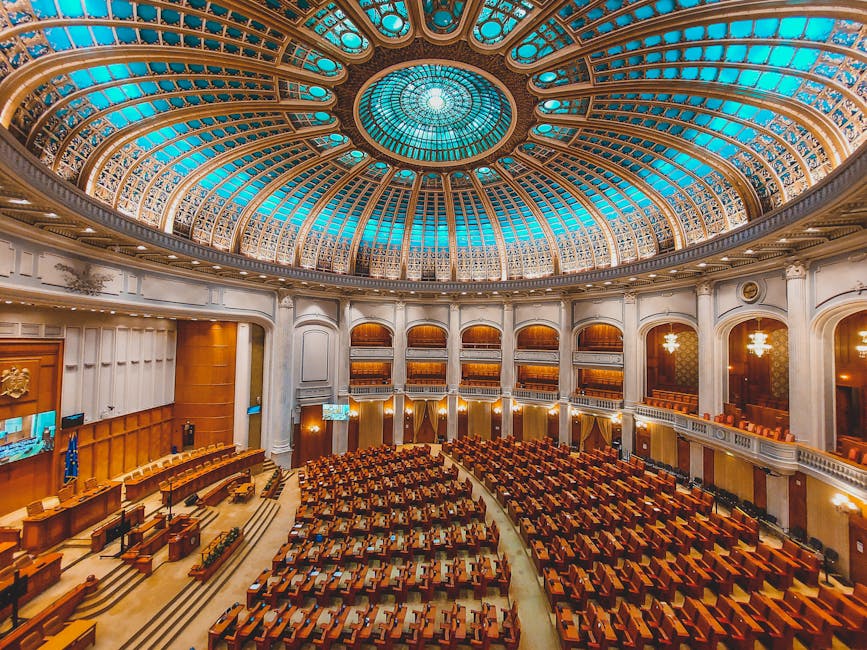
Vibrant interior of a parliament hall with a grand dome and intricate archi…, Mbuji-Mayi, Democratic Republic of the Congo
- Historic Architecture: The city’s central post office, a relic from the late colonial era, stands as a testament to its early 20th-century development as a key administrative center for the Belgian mining conglomerates.
- Cultural Scene: The vibrant Tshiluba language and culture come alive during local celebrations, where you might witness the powerful *Mukanda* initiation rites or the energetic *Kasala* poetic chants performed by the Luba people.
- Local Specialties: You must try *Pondu*, a hearty stew made from pounded cassava leaves, often cooked with fish, peanuts, and palm oil, served with *fufu* (cassava paste).
Pro Tip: The absolute best time to visit is during the dry season, from May to September. The roads are more passable, and the reduced rainfall makes exploring the city and surrounding areas far more comfortable. Aim for weekdays to experience the city’s commercial rhythm without the intense weekend market crowds.
Map of Mbuji-Mayi, Democratic Republic of the Congo
Use these interactive maps to explore Mbuji-Mayi, Democratic Republic of the Congo and plan your route:
📍 View Mbuji-Mayi, Democratic Republic of the Congo on OpenStreetMap
🗺️ Open Mbuji-Mayi, Democratic Republic of the Congo in Google Maps
Planning Your Trip: Practical Essentials
Getting There and Around
- By Air: Mbuji-Mayi is served by Mbuji-Mayi Airport (MJM). Domestic flights from Kinshasa (N’djili Airport) on Congo Airways are the primary link; flight time is about 2 hours. Book flights at Skyscanner for best deals.
- By Train: The city is connected via the Kananga-Ilebo railway line, but service is notoriously irregular and slow. The journey from Kananga can take over 12 hours for roughly 200 km. Reserve tickets at Trainline or the national railway website, but confirm locally.
- By Car: Overland travel is challenging. The route from Kananga (National Road 1) is long and rough, best attempted with a 4×4 and a local driver. Compare car rentals at RentalCars.com for options in Kinshasa.
- Local Transport: Your main options are motorcycle taxis (*moto-taxis* or *tchukudus*) and shared taxis. Negotiate fares before riding. A short *moto-taxi* trip within the city center costs around 500-1000 CDF ($0.25-$0.50 USD).
Best Time to Visit
Mbuji-Mayi has a tropical savanna climate with a distinct wet and dry season. Savvy travelers target the dry season for accessibility, though the city’s energy is year-round.
| Season | Weather | Highlights |
|---|---|---|
| Dry Season (May–Sep) | Warm, sunny, little rain. Avg 25-30°C (77-86°F). | Ideal for city exploration and market visits; roads are passable; peak business activity. |
| Rainy Season (Oct–Apr) | Hot, humid, heavy rainfall. Avg 23-28°C (73-82°F) with high humidity. | Lush green landscapes; fewer visitors; but travel can be severely hampered by mud and flooding. |
| Shoulder (Late Apr/ Late Sep) | Transitional, sporadic showers. | Potential for good weather with slightly lower humidity; a gamble that can pay off with fewer moto-taxis on dusty roads. |
Budgeting for Mbuji-Mayi, Democratic Republic of the Congo

American flag close-up with a person in a mask at an election event., Mbuji-Mayi, Democratic Republic of the Congo
| Category | Budget | Mid-range | Luxury |
|---|---|---|---|
| Accommodation | $15-30/night (basic guesthouse) | $50-100/night (decent hotel with AC) | $120+/night (top city hotel) |
| Meals | $5-10/day (street food, local eateries) | $15-30/day (restaurant meals) | $40+/day (hotel dining) |
| Transport | $5/day (moto-taxis, shared taxis) | $20-40/day (private taxi for hire) | $60+/day (private car & driver) |
| Activities | Free (market exploring, city walks) | $10-20 (guided local tours) | $50+ (specialized, private excursions) |
| Daily Total | $25-45 | $95-190 | $230+ |
Top Attractions and Must-See Sights
| Attraction | Description | Hours | Entry Fee |
|---|---|---|---|
| The Central Market (Grand Marché) | A sprawling, sensory-overload epicenter of commerce where everything from produce to textiles and, discreetly, diamonds is traded. | Daily, 7 AM – 6 PM | Free |
| Artisanal Diamond Diggings (visits arranged with extreme caution) | Witness the gritty reality of diamond mining at the periphery of the city, a profound look into the local economy (requires local guide and permissions). | Daylight hours | Negotiable guide fee ($10-$20) |
| Cathedral Saint Jean-Baptiste de Mbuji-Mayi | The city’s main Catholic cathedral, a place of quiet reflection and an architectural landmark amidst the urban bustle. | Daily for services | Free |
| Bipemba & Kanshi Neighborhoods | Vibrant residential and commercial districts perfect for observing daily life, street food, and local small businesses. | Anytime | Free |
3-Day Itinerary: Mbuji-Mayi, Democratic Republic of the Congo’s Highlights & Hidden Gems
Day 1: Immersion in the Urban Pulse
- Morning (7-9 AM): Start early with a *moto-taxi* to the **Grand Marché**. Watch the market come to life as vendors set up. Your best bet is to simply observe the incredible flow of goods and people—photography requires extreme discretion and permission.
- Afternoon (12-3 PM): Have lunch at a local *malewa* (eatery) like **Restaurant Le Bon Goût** near the market for an authentic *Pondu* with fish and *fufu* (approx. $5). Then, visit the **Cathedral Saint Jean-Baptiste** for a moment of calm.
- Evening (6-8 PM): Take a stroll through the **Bipemba** district as the day cools. For dinner, try **Hotel la Grace’s restaurant** for a reliable mix of local and international dishes in a comfortable setting (meal approx. $10-$15).
Day 2: Understanding the Diamond Heart
- Morning (8 AM): With a pre-arranged, trusted local guide (essential for safety and access), take a visit to the outskirts to observe the **artisanal diamond diggings**. This is not a tourist attraction but a real, often harsh, workplace. A respectful, observational visit with a guide costs around $15-$25.
- Afternoon (1 PM): Return to the city center. Process the morning’s sights over a late lunch at **Snack Bar Tshilenge** for grilled chicken and plantains.
- Evening: Enjoy a more relaxed evening. Locals recommend finding a local bar or *nganda* to share a bottle of Primus beer and engage in conversation—this is where you’ll hear the real stories of the city.
Day 3: Culture & Departure
- Morning (9 AM): Hire a private taxi for a few hours ($20-$30) to explore the **Kanshi** neighborhood and see the **University of Mbuji-Mayi** campus, a hub of youth and energy.
- Afternoon (12 PM): Enjoy a final local meal. Seek out a street vendor selling *beignets* (donuts) and *chikwangue* (fermented cassava bread). Visit any last-minute markets for simple souvenirs like printed fabric (*pagnes*).
- Evening: Depending on your flight, head to **Mbuji-Mayi Airport** for your departure. Remember to arrive early, as check-in processes can be lengthy.
Cultural Insights & Etiquette
- Language: French is the official language; Tshiluba is the dominant local language. Key phrases: *Moyo* (Hello), *Weka* (Thank you), *Kadi?* (How are you?). Even a few words in Tshiluba will earn immense goodwill.
- Customs: Greetings are crucial. Always shake hands (often a lingering handshake where the left hand supports the right forearm as a sign of respect). Use titles (Monsieur, Madame). Direct criticism is avoided; communication can be indirect.
- Tipping: Not universally expected but appreciated for good service. In restaurants, 5-10% is generous. For guides and drivers, tip based on the agreed service (10-15% is a good guideline).
- Dress Code: Dress modestly and smartly. For men, trousers and collared shirts are best. For women, skirts or dresses below the knee and covered shoulders are respectful, especially when visiting religious sites or formal areas.
- Business Hours: Shops and offices typically operate from 8 AM to 5 PM, often with a long lunch break from 12 PM to 2:30 PM. Government offices can be less predictable. Sunday is a day of rest for many.
Where to Eat: Mbuji-Mayi, Democratic Republic of the Congo’s Best Bites
Dining in Mbuji-Mayi is about hearty, flavorful Congolese staples. You’ll find exceptional local *malewas* (small eateries) serving home-cooked food. For more variety, hotel restaurants are your most reliable bet for consistent standards and a wider menu.
Must-Try Local Specialties
- Pondu: The iconic cassava leaf stew, slow-cooked with palm oil, often with fish (*mbisi*) or meat. Best tried at local *malewas* in the market area or at **Restaurant Le Cercle**.
- Liboke: Fish or chicken steamed in a banana leaf parcel with spices and herbs. A fragrant and delicious dish. Ask if it’s available at **Hotel la Grace**.
- Chikwangue & Beignets: *Chikwangue* is a dense, fermented cassava bread, often eaten with grilled meat or stews. *Beignets* (fried dough) are the perfect street food snack, sold by vendors everywhere in the morning.
Restaurant Recommendations by Budget
| Type | Restaurant | Specialty | Price Range |
|---|---|---|---|
| Budget | Various Market *Malewas* (Grand Marché) | Authentic *Pondu*, *Fufu*, grilled fish | $3-$7 per meal |
| Mid-range | Restaurant Le Bon Goût (City Center) | Congolese classics in a simple, clean setting | $8-$15 per meal |
| Fine dining | Hotel la Grace Restaurant | The most reliable international & Congolese fusion, best ambiance in town | $15-$30 per meal |
Where to Stay
Accommodation ranges from very basic guesthouses to a handful of comfortable, secure hotels. Most visitors find the best value in the mid-range hotels that offer essential amenities like generator power, air conditioning, and secure parking. Compare prices and book at Booking.com or Airbnb for apartments, though local hotel websites or direct phone booking is often necessary.
Best Neighborhoods for Accommodation
- City Centre (near Grand Marché): The bustling heart of commerce. Pros: Central to everything, vibrant atmosphere. Cons: Can be noisy, chaotic. Best for experienced travelers wanting full immersion.
- Diulu Area: A more residential and quieter district with some of the city’s better hotels. Pros: More peaceful, generally better infrastructure. Cons: Further from the main market, requiring transport. Suits most travelers seeking comfort.
- Near the Airport: Practical for very short stays or early flights. Pros: Convenience. Cons: Isolated from the city’s life and amenities. Best for business travelers on tight schedules.

Young man in leather jacket posing outdoors near river and hills in Kinshasa., Mbuji-Mayi, Democratic Republic of the Congo
FAQs: Your Mbuji-Mayi, Democratic Republic of the Congo Questions Answered
1. Is Mbuji-Mayi, Democratic Republic of the Congo safe at night?
Safety requires vigilance. Avoid walking alone at night. Use trusted *moto-taxi* drivers or pre-arranged taxis for evening transport. Petty crime like pickpocketing can occur in crowded areas. Always secure your belongings and avoid displaying valuables. It’s highly advised to consult current travel advisories and hire a local guide for broader exploration.
2. What currency is used and are credit cards accepted?
The Congolese Franc (CDF) is the currency. US dollars are widely accepted, but bills must be new, crisp, and unblemished (post-2006 series). Credit cards are rarely accepted outside major hotels in Kinshasa; in Mbuji-Mayi, assume cash-only. ATMs exist but are unreliable. Your best bet is to bring all the cash you will need in USD and exchange locally.
3. How do I get from the airport to the city center?
Mbuji-Mayi Airport is close to the city. Your options are *moto-taxis* (approx. $2-$3, for the adventurous) or pre-arranged taxi pickup through your hotel (approx. $5-$10). There is no formal public bus. Book airport transfers at Get

