
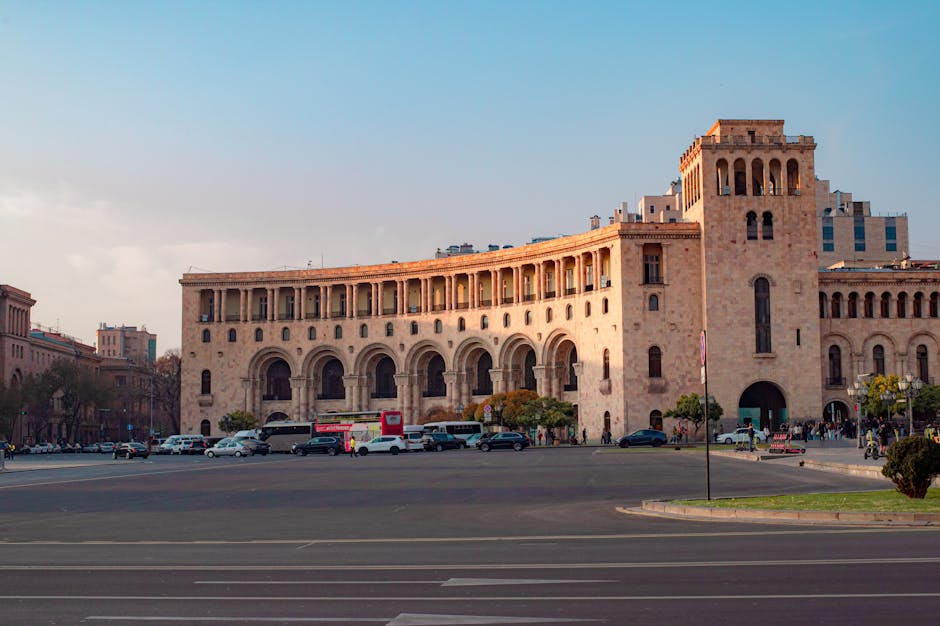
Mbaïki, Central African Republic: Hidden Pygmy Culture, Rainforest Treks & Coffee Traditions (2026)
Sunrise in the Dzanga-Sangha Special Reserve, just 90 kilometers from Mbaïki, begins with a low rumble that vibrates through the forest floor, signaling the arrival of forest elephants at the Bai clearing. This daily ritual, witnessed by fewer than 5,000 international visitors to the region annually, is the heartbeat of a destination where ancient Ba’Aka Pygmy traditions, emerald rainforests, and some of Africa’s most prized coffee coexist far from the standard tourist trail.
Why Mbaïki, Central African Republic Stands Out
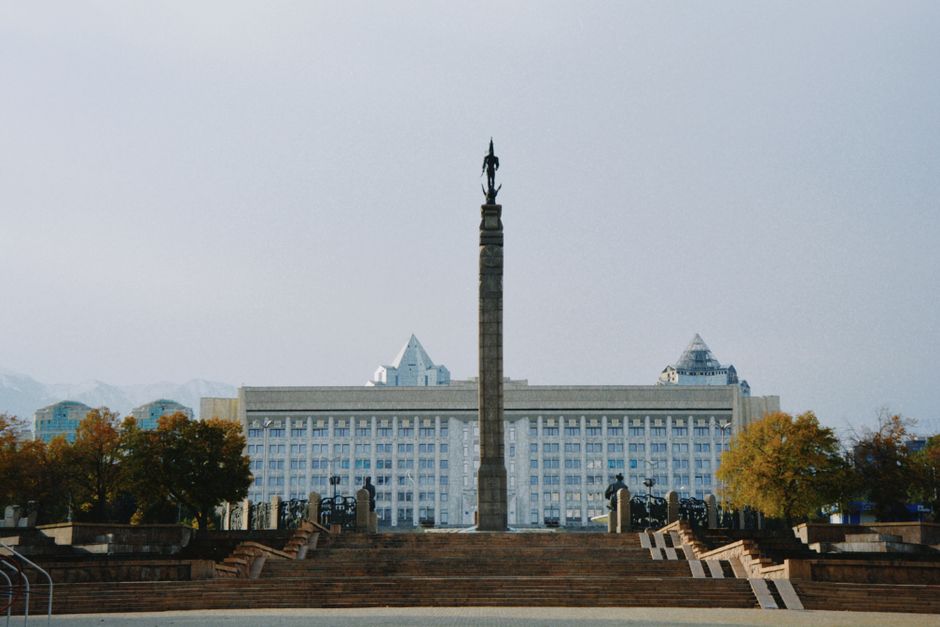
Imposing monument and government building in Republic Square, Mbaïki, Central African Republic
- Historic Architecture: The colonial-era Catholic Mission, established in the early 20th century, stands as a quiet testament to the town’s historical role as a regional administrative and agricultural center.
- Cultural Scene: Witness the mesmerizing net-hunting expeditions and polyphonic singing of the Ba’Aka Pygmy communities, an intangible cultural heritage practice passed down for generations.
- Local Specialties: Sip a cup of locally grown “Café Mbaïki,” a rich, aromatic arabica coffee cultivated in the town’s surrounding hills and a point of national pride.
Pro Tip: The absolute best time for wildlife viewing and comfortable trekking is during the dry season, from December to February. For a truly unique cultural immersion, coordinate your visit with local guides to witness a Ba’Aka community net hunt, which is more frequent in the early dry months when forest paths are passable.
Map of Mbaïki, Central African Republic
Use these interactive maps to explore Mbaïki, Central African Republic and plan your route:
📍 View Mbaïki, Central African Republic on OpenStreetMap
🗺️ Open Mbaïki, Central African Republic in Google Maps
Planning Your Trip: Practical Essentials
Getting There and Around
- By Air: You will fly into Bangui M’Poko International Airport (BGF). From Bangui, Mbaïki is a 2-3 hour drive (approx. 107 km) southwest. Chartered flights to smaller airstrips near the Dzanga-Sangha Reserve can be arranged through specialized tour operators. Book flights to Bangui at Skyscanner for best deals.
- By Train: There is currently no passenger train service to Mbaïki. Overland travel is by road only.
- By Car: The drive from Bangui is on a paved but often poorly maintained road. A 4×4 vehicle is highly recommended, especially in the rainy season. Self-driving is only for the very experienced; hiring a local driver/guide is your best bet. Compare car rentals in Bangui at RentalCars.com.
- Local Transport: Within Mbaïki, motorcycle taxis (“moto-taxis”) are the primary and most efficient mode of transport for short distances. For trips to the rainforest or nearby villages, you’ll need to hire a 4×4 with a driver through your lodge or a local guide.
Best Time to Visit
Timing is crucial for comfort and access. The dry season offers the best conditions for wildlife spotting and trekking, while the rainy season transforms the forest into a lush, green paradise but makes many roads impassable.
| Season | Weather | Highlights |
|---|---|---|
| Dry Season (Dec–Feb) | Hot, sunny days (25-35°C/77-95°F) with low humidity and little to no rain. | Prime wildlife viewing at Dzanga Bai, best trekking conditions, and cultural activities are most accessible. This is peak season. |
| Rainy Season (Jun–Oct) | Heavy, daily rainfall, high humidity, and temperatures around 22-30°C (72-86°F). | Lush, vibrant rainforest scenery, fewer visitors, and excellent birdwatching. Many remote areas are inaccessible by road. |
| Shoulder (Mar–May/Nov) | Transitional periods with sporadic rains and increasing/decreasing humidity. | A good balance with decent weather and thinner crowds. Be prepared for occasional showers. |
Budgeting for Mbaïki, Central African Republic

Stunning view of Islamic architecture in Tashkent, Mbaïki, Central African Republic
| Category | Budget | Mid-range | Luxury |
|---|---|---|---|
| Accommodation | $15-30/night (basic guesthouse) | $50-100/night (comfortable lodge/eco-camp) | $150-400+/night (all-inclusive safari lodge in Dzanga-Sangha) |
| Meals | $5-10/day (street food, local eateries) | $15-30/day (lodge/restaurant meals) | $50+/day (fine dining at luxury lodges) |
| Transport | $5-10/day (moto-taxis) | $50-100/day (private 4×4 hire with driver) | $150+/day (private charter flights, dedicated vehicle) |
| Activities | Free (town exploration, market visits) | $30-80/day (guided forest walks, village visits) | $100-300/day (specialized gorilla tracking, multi-day guided expeditions) |
| Daily Total | $25-50 | $150-300 | $450-1000+ |
Top Attractions and Must-See Sights
| Attraction | Description | Hours | Entry Fee |
|---|---|---|---|
| Dzanga Bai (Dzanga-Sangha Reserve) | A magical forest clearing where you can observe herds of forest elephants, bongo antelope, and forest buffalo from a secure platform. | Dawn to dusk; best early morning | ~$50-100 (as part of reserve package & guide fee) |
| Ba’Aka Pygmy Community Visit | An immersive cultural experience to learn about net hunting, medicinal plants, and polyphonic singing from the rainforest’s first inhabitants. | Arranged with guide, typically mornings | ~$20-40 (includes community fee & guide) |
| Mbaïki Coffee Plantations | Tour the shaded coffee farms where some of Central Africa’s best arabica is grown, and learn about the processing from bean to cup. | Daylight hours; arrange visit in advance | ~$10-20 (with local guide) |
| Local Market (Mbaïki Centre) | A vibrant hub of activity where you can find everything from fresh produce and smoked bushmeat (for observation) to local crafts and vibrant fabrics. | Daily from 7 AM – 4 PM | Free |
3-Day Itinerary: Mbaïki, Central African Republic’s Highlights & Hidden Gems
Day 1: Immersion in Town & Culture
- Morning (7-9 AM): Start with a strong cup of Café Mbaïki at a local stall near the market. Then, explore the bustling **Mbaïki Central Market** as it comes to life. Your best bet is to go with a local guide who can explain the various foods and crafts.
- Afternoon (12-3 PM): Visit a **local coffee plantation** on the town’s outskirts. See the drying beds and processing sheds. For lunch, enjoy a local plate of *Gozo* (cassava paste) with peanut sauce at a simple eatery like **Chez Martine**.
- Evening (6-8 PM): Take a stroll through the quieter streets near the **Catholic Mission**. Enjoy a relaxed dinner at your lodge, often featuring river fish or chicken stew. Turn in early for the next day’s adventure.
Day 2: Journey into the Rainforest
- Morning (5:30 AM): Early departure (approx. 2-hour drive, $50-80 for transport) to the **Dzanga-Sangha Special Reserve**. Your first stop is the legendary **Dzanga Bai**. Spend 2-3 hours on the observation platform watching forest elephants and other wildlife.
- Afternoon (12-3 PM): Have a packed lunch at the reserve. Then, embark on a **guided forest walk** (~$30) with a Ba’Aka tracker. They’ll point out animal tracks, medicinal plants, and hidden insects you’d never see alone.
- Evening (6-8 PM): Return to your lodge near the reserve (e.g., **Doli Lodge** or a basic eco-camp). Enjoy a sundowner and listen to the incredible symphony of the rainforest at night.
Day 3: Pygmy Traditions & Return
- Morning (7-9 AM): After breakfast, visit a **Ba’Aka community** (~$25 community fee). Participate in a demonstration of net hunting techniques and be mesmerized by their hypnotic polyphonic singing, a UNESCO-recognized tradition.
- Afternoon (12-3 PM): Begin the journey back to Mbaïki. Stop for a late lunch of *Koko* (wild spinach stew) with fish at a roadside stop in Yobe.
- Evening (6-8 PM): Back in Mbaïki, savor your final dinner. Locals recommend trying *Mbongo Tchobi* (a spicy black stew) if available. Reflect on the profound connection to nature and culture you’ve experienced.
Cultural Insights & Etiquette
- Language: The official language is French; Sango is the national lingua franca. Learning a few Sango phrases like “Balao” (Hello) and “Mersi” (Thank you) is greatly appreciated.
- Customs: Always greet people politely before any transaction or question. When visiting Ba’Aka communities, follow your guide’s lead—always ask permission before taking photographs. Respect is paramount.
- Tipping: Not universally expected but deeply appreciated for good service. For guides, a tip of 5-10% of the tour cost is a good guideline. For restaurant staff, rounding up the bill is sufficient.
- Dress Code: Modest, lightweight clothing is key. Cover shoulders and knees, especially when visiting communities or religious sites. Sturdy, waterproof hiking boots are essential for the forest.
- Business Hours: Government offices and banks typically operate from 7:30 AM to 3:30 PM, Monday to Friday. Shops and markets have longer, more flexible hours. Be prepared for a slower pace of life.
Where to Eat: Mbaïki, Central African Republic’s Best Bites
Dining in Mbaïki is a humble but flavorful affair, centered around staples like cassava, plantains, rice, and peanuts, accompanied by fresh river fish, chicken, or bushmeat (though travelers are advised to avoid bushmeat for conservation and health reasons). Most meals are enjoyed at lodges or small, family-run *maquis* (eateries).
Must-Try Local Specialties
- Gozo (or Fufu): A thick, dough-like staple made from pounded cassava, served with a variety of sauces. It’s eaten with the hands. You’ll find it at any local *maquis*.
- Koko with Fish: A nutritious and flavorful stew made from wild spinach (koko leaves), often cooked with peanuts and served with smoked or fresh fish. A common lunch dish.
- Mbongo Tchobi: A rich, dark, and spicy stew from the western regions, often made with beef or goat and a blend of local spices. It’s a celebratory dish; ask if it’s available at your lodge.
Restaurant Recommendations by Budget
| Type | Restaurant | Specialty | Price Range |
|---|---|---|---|
| Budget | Local Maquis (around the market) | Gozo with peanut or leaf sauce, grilled fish | $2-5 per meal |
| Mid-range | Chez Martine (Central Mbaïki) | Simple, hearty plates of local cuisine in a clean setting | $5-10 per meal |
| Fine dining | Lodge Restaurants (e.g., Doli Lodge in Dzanga-Sangha) | International and local fusion dishes, often with fresh, high-quality ingredients | $15-30+ per meal |
Where to Stay
Accommodation ranges from very basic guesthouses in town to comfortable eco-lodges and research camps deep in the rainforest near Dzanga-Sangha. Booking in advance, especially for the forest lodges, is absolutely essential. Compare prices and book at Booking.com for some options, but note that many remote lodges are best booked directly or through specialized tour operators.
Best Neighborhoods for Accommodation
- Central Mbaïki: Offers basic guesthouses and proximity to the market and transport. It’s functional and affordable, suited for budget travelers stopping over. The atmosphere is purely local and utilitarian.
- Outskirts of Town: Some quieter, slightly more upscale guesthouses or mission stays can be found here. It offers more tranquility while remaining close to town services.
- Dzanga-Sangha Reserve Area (Bayanga): The premier area for wildlife enthusiasts. You’ll find eco-lodges like **Sangha Lodge** and **Doli Lodge**. This area suits travelers whose primary goal is deep rainforest immersion and wildlife viewing, though it requires significant travel from Bangui.
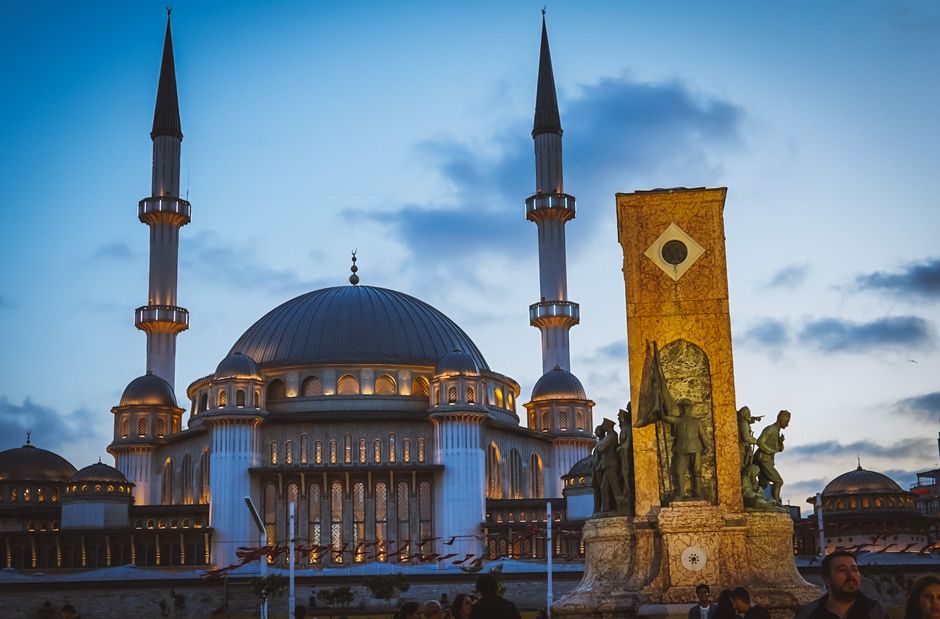
Beautiful view of Taksim Mosque and the Republic Monument against a twiligh…, Mbaïki, Central African Republic
FAQs: Your Mbaïki, Central African Republic Questions Answered
1. Is Mbaïki, Central African Republic safe at night?
Safety in Mbaïki is generally good, but it requires common sense. Avoid walking alone at night, especially in unlit areas. Use a moto-taxi for evening transport. Petty crime can occur. The larger concern is travel to and from the region; always check current travel advisories and use reputable local guides. The Dzanga-Sangha Reserve area is very safe for tourists under the care of lodge staff.
2. What currency is used and are credit cards accepted?
The Central African CFA Franc (XAF) is the currency. Cash is king everywhere in Mbaïki and the surrounding region. Bring enough CFA francs in small denominations from Bangui, as ATMs are unreliable or non-existent. Credit cards are only accepted at the most upscale lodges in Dzanga-Sangha, and even then, connectivity issues can make processing difficult. Do not rely on them.
3. How do I get from the airport to the city center?
From Bangui’s M’Poko Airport (BGF), you’ll need to arrange a private 4×4 transfer to Mbaïki in advance through your tour operator or lodge. The journey takes 2-3 hours and costs approximately $100-150 one-way. There is no reliable public bus service for this route. For convenience and safety, pre-booking this transfer is non-negotiable.
4. Do I need to speak the local language?
You do not need to be fluent,

