
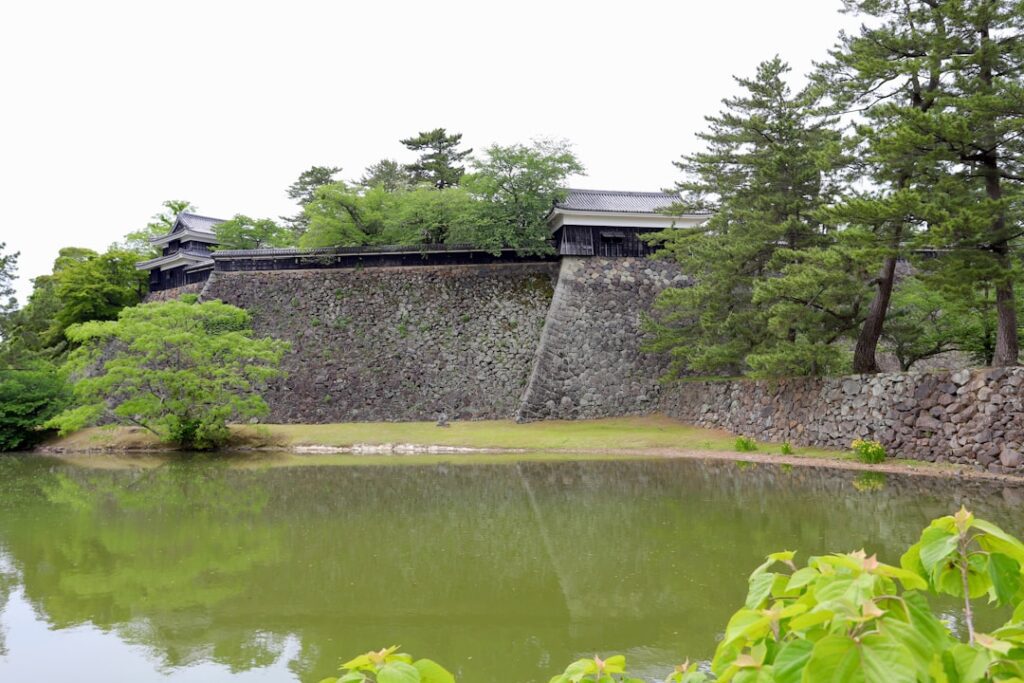
Matsue, Japan’s Stunning Castles, Tea & Lakeside Serenity (2025)
While crowds flock to Kyoto’s golden temples, Matsue, Japan delivers an authentic, crowd-free samurai city experience without the jostling tour groups. Here, you can have the country’s only remaining original feudal castle largely to yourself, glide across a vast lake named for a goddess, and sip tea in the home of a legendary writer. This is the Japan you imagined, preserved in time and waiting to be discovered at your own pace.
Why Matsue, Japan Stands Out

A vending machine with drinks, Matsue, Japan
- Historic Architecture: Matsue Castle, completed in 1611, is one of only twelve original castles left in Japan, offering an unfiltered glimpse into feudal power.
- Cultural Scene: The Horanenya Festival, held only once every 12 years (next in 2034), features massive lantern-lit boats on the castle moat in a spectacle of fire and water.
- Local Specialties: You must try shijimi clams, harvested from Lake Shinji, served in a rich, savory miso soup that locals believe is the ultimate hangover cure.
Pro Tip: Visit in late October to early November. You’ll avoid the summer humidity, catch the stunning autumn colors around the castle, and experience the Matsue Suigosai fireworks festival over Lake Shinji—a local favorite most international tourists miss.
Map of Matsue, Japan
Use these interactive maps to explore Matsue, Japan and plan your route:
📍 View Matsue, Japan on OpenStreetMap
🗺️ Open Matsue, Japan in Google Maps
Planning Your Trip: Practical Essentials
Getting There and Around
- By Air: Fly into Izumo Enmusubi Airport (IZO), about 30 minutes by bus from Matsue Station (¥1,030). Alternatively, Yonago Kitaro Airport (YGJ) is a 45-minute bus ride away. Book flights at Skyscanner for best deals.
- By Train: The Super Yakumo limited express train connects Matsue to Okayama (2.5 hours), where you can link to the Shinkansen. Reserve tickets at Trainline or the national railway website.
- By Car: Driving offers flexibility to explore the nearby Izumo Taisha shrine. The Sanin Expressway runs near the city. Compare car rentals at RentalCars.com.
- Local Transport: The “Lakeline” bus loop is your best friend, connecting major sights. A one-day pass costs ¥1,000. For a unique experience, rent a bicycle (¥500-¥1,000/day) or take a leisurely cruise on the Horikawa sightseeing boats that navigate the castle moats.
Best Time to Visit
Matsue shines in the shoulder seasons, when mild weather complements outdoor exploration and cultural festivals. Summers are warm and humid but vibrant with events, while winters are quiet and crisp, perfect for castle views without crowds.
| Season | Weather | Highlights |
|---|---|---|
| Summer (Jun–Aug) | Warm, 75°F–85°F (24°C–30°C), humid with occasional rain. | Matsue Suigosai fireworks (Aug), lush greenery, evening boat rides. Moderate crowds. |
| Winter (Dec–Feb) | Cold, 35°F–45°F (2°C–7°C), occasional light snow. | Atmospheric, foggy mornings on Lake Shinji, peaceful castle visits, hot shijimi soup. Very few tourists. |
| Shoulder (Apr–May/Sep–Oct) | Mild, 55°F–70°F (13°C–21°C), most pleasant. | Cherry blossoms (Apr) & autumn foliage (Oct-Nov), perfect walking weather, major festival season. Ideal for sightseeing. |
Budgeting for Matsue, Japan

Ancient japanese castle illuminated at night, Matsue, Japan
| Category | Budget | Mid-range | Luxury |
|---|---|---|---|
| Accommodation | ¥4,000-¥6,000/night (capsule hotel/budget business hotel) | ¥10,000-¥18,000/night (comfortable hotel/ryokan) | ¥25,000+/night (luxury lakeside ryokan with kaiseki meals) |
| Meals | ¥2,000/day (convenience store meals, street food) | ¥4,000-¥6,000/day (local restaurants, set lunches) | ¥10,000+/day (fine dining, multi-course kaiseki) |
| Transport | ¥1,000/day (bus pass, walking) | ¥2,500/day (taxis between districts, rental bike) | ¥6,000+/day (private car hire, boat charters) |
| Activities | ¥1,500/day (castle entry, temple visits) | ¥3,500/day (castle + museum combo, guided boat tour) | ¥8,000+/day (private tea ceremony, cultural workshops) |
| Daily Total | ¥8,500-¥11,000 (~$55-$70) | ¥20,000-¥30,000 (~$130-$195) | ¥49,000+ (~$320+) |
Top Attractions and Must-See Sights
| Attraction | Description | Hours | Entry Fee |
|---|---|---|---|
| Matsue Castle | Climb to the top of this 1611 “black castle” for panoramic views over the city and Lake Shinji. | 8:30 AM – 6:30 PM (Apr-Sep), 8:30 AM – 5:00 PM (Oct-Mar) | ¥680 (castle keep) |
| Lafcadio Hearn Residence | Step into the preserved home of the writer who introduced Japan to the West, with its tranquil garden. | 8:30 AM – 6:30 PM (Apr-Sep), 8:30 AM – 5:00 PM (Oct-Mar) | ¥300 |
| Shimane Art Museum | Admire modern art with a stunning, uninterrupted vista of Lake Shinji from its iconic glass-walled cafe. | 10:00 AM – 6:30 PM (Last entry 6:00 PM), Closed Tuesdays | ¥300 (Permanent Collection) |
| Horikawa Sightseeing Boat | Glide under low bridges in a traditional boat through the castle moats, a perspective you can’t get on land. | 9:00 AM – 5:00 PM, departures every 15-20 mins | ¥1,230 (50-min course) |
3-Day Itinerary: Matsue, Japan’s Highlights & Hidden Gems
Day 1: Samurai Stronghold & Moat Mystique
- Morning (9:00 AM): Start at Matsue Castle. Arrive early to beat any potential crowds and have the wooden interior largely to yourself. Climb the steep stairs to the top floor for the best photos over the rooftops.
- Afternoon (12:30 PM): Walk to the nearby Matsue Vogel Park or the Jozan Inari Shrine with its hundreds of red torii gates. For lunch, head to Kawa-kyo for their famous unagi (eel) bowl, a local delicacy since the Meiji period.
- Evening (5:00 PM): Take the last Horikawa Sightseeing Boat of the day for a magical, golden-hour cruise. Follow with dinner at Yakitori An, a cozy izakaya near the station, for grilled skewers and local sake.
Day 2: Literary Legends & Lakeside Views
- Morning (8:30 AM): Visit the Lafcadio Hearn Residence and Memorial Museum (¥300 + ¥300). Savvy visitors know to look for the writer’s tiny desk and the “kakurenbo” (hide-and-seek) window in the garden wall.
- Afternoon (1:00 PM): Take the Lakeline bus to the Shimane Art Museum. Spend an hour with the art, but the real draw is the cafe—order a coffee and claim a window seat to watch the ever-changing light on Lake Shinji.
- Evening (6:30 PM): Experience a casual tea tasting at the historic Meimei-an tea house (reservation recommended). For dinner, try Shinji Lake Kitchen for modern Japanese fare with, of course, spectacular lake views.
Day 3: Sacred Excursion & Local Flavors
- Morning (8:00 AM): Catch a train from Matsue Station to Izumo Taisha (approx. 1 hour, ¥1,140 round trip on the Ichibata Line). Explore Japan’s oldest Shinto shrine, famous for matchmaking deities. Don’t miss the enormous shimenawa sacred rope.
- Afternoon (12:30 PM): Have lunch in Izumo at Hiyama for Izumo soba, a buckwheat noodle served in three-tiered lacquer boxes. Return to Matsue by mid-afternoon.
- Evening (5:30 PM): Your final mission: find the ultimate shijimi clam soup. Locals debate the best, but Kappo Yokota near Shinjiko Onsen is a strong contender. Afterwards, take a stroll along the Lake Shinji shoreline to digest and reflect.
Cultural Insights & Etiquette
- Language: Basic phrases like “Sumimasen” (Excuse me) and “Arigatou gozaimasu” (Thank you) go a long way. English signage is decent at major attractions, but less common in local restaurants.
- Customs: When visiting shrines like Yaegaki Shrine (within Matsue Castle grounds), perform the ritual purification: wash your left hand, then right hand, then mouth with the ladle at the chozuya. Bow twice, clap twice, pray, then bow once more at the altar.
- Tipping: Not required or expected. Excellent service is standard. Leaving cash on the table can cause confusion.
- Dress Code: Modest dress is appreciated at religious sites. Remove your shoes when entering tatami mat areas in homes, ryokans, and some traditional restaurants (look for slippers provided).
- Business Hours: Museums and attractions often close on Tuesdays. Major shops open around 10 AM, while smaller family-run restaurants may operate on more flexible hours. Many places close early, by 8 or 9 PM.
Where to Eat: Matsue, Japan’s Best Bites
Matsue’s cuisine is defined by its freshwater and sea bounty. Dining is an unpretentious affair where quality ingredients speak for themselves. You’ll find exceptional local taverns where the shijimi clam is king, and chefs have been perfecting single dishes for generations.
Must-Try Local Specialties
- Shijimi Clam Soup: This humble, creamy miso soup, often eaten for breakfast, is Matsue’s soul food. The clams from Lake Shinji are prized for their sweetness. Try it at any traditional ryokan breakfast or at the morning market.
- Izumo Soba: Unlike standard soba, Izumo soba uses the whole buckwheat grain, giving it a darker color, nuttier flavor, and more texture. It’s traditionally served in three stacked lacquer boxes (wariko soba).
- Matsue Wagyu: A lesser-known but superb wagyu beef from Shimane prefecture. It’s often served as sukiyaki or shabu-shabu, meltingly tender and rich.
Restaurant Recommendations by Budget
| Type | Restaurant | Specialty | Price Range |
|---|---|---|---|
| Budget | Matsue Morning Market (near the station) | Fresh seafood bowls, grilled scallops, and local snacks from vendors. | ¥500 – ¥1,500 |
| Mid-range | Kawa-kyo (Shiomi Nawate) | Historic restaurant famous for its unagi (grilled eel) served since 1899. | ¥2,500 – ¥4,500 |
| Fine dining | Ryotei Kyomise (near the castle) | An exquisite multi-course kaiseki dinner in a beautiful traditional building, featuring seasonal lake and mountain delicacies. | ¥10,000 – ¥20,000 |
Where to Stay
Your choice of accommodation defines your Matsue experience. For full immersion, a stay in a traditional ryokan is highly recommended. For convenience, areas near Matsue Station or Shinjiko Onsen offer good access. Compare prices and book at Booking.com or Airbnb for apartments.
Best Neighborhoods for Accommodation
- Shinjiko Onsen Area: The hot spring district on the north shore of Lake Shinji. Pros: Lakeside views, public baths, relaxed atmosphere. Cons: A 15-minute bus ride from the main station. Perfect for travelers seeking a traditional, relaxing ryokan stay.
- Matsue Station Area: The transport and business hub. Pros: Maximum convenience for trains and buses, plenty of affordable business hotels and restaurants. Cons: Less atmospheric. Ideal for budget travelers and those making quick stopovers.
- Castle & Shiomi Nawate Area: The historic heart. Pros: Walking distance to top sights like the castle, Hearn’s house, and samurai residences. Charming atmosphere. Cons: Fewer large hotels, more ryokans and boutique stays. Suits history buffs and culture seekers.
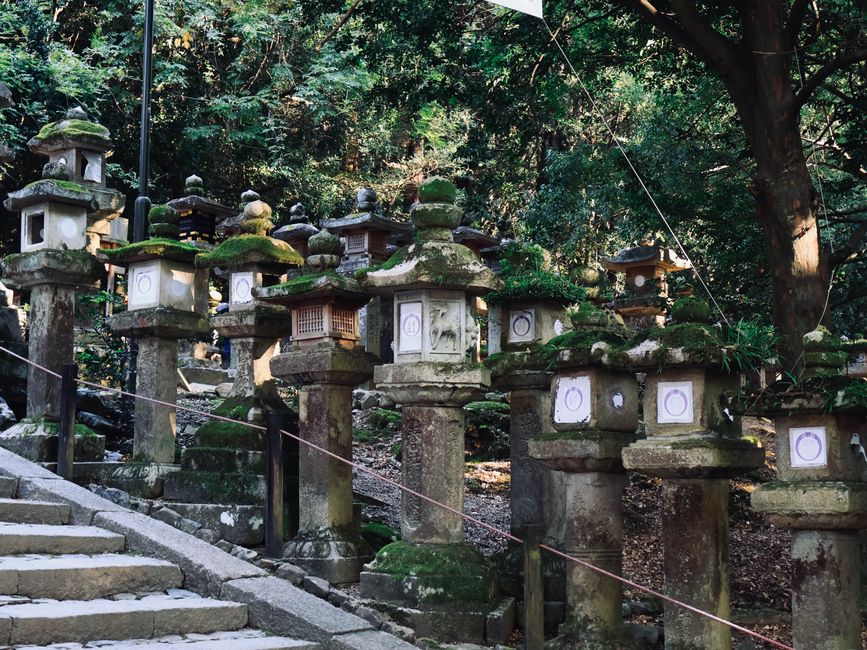
Moss-covered stone lanterns line a tranquil forest path in a historic setting., Matsue, Japan
FAQs: Your Matsue, Japan Questions Answered
1. Is Matsue, Japan safe at night?
Extremely safe. Matsue is a quiet, residential city. You can comfortably walk alone at night in well-lit central areas. As always, exercise standard precautions, but violent crime is exceptionally rare.
2. What currency is used and are credit cards accepted?
The Japanese Yen (JPY) is the currency. Major hotels, department stores, and some restaurants in tourist areas accept credit cards (Visa/Mastercard most common). However, many smaller restaurants, local shops, market stalls, and ryokans are cash-only. Your best bet is to always carry ¥10,000-¥15,000 in cash.
3. How do I get from the airport to the city center?
From Izumo Airport (IZO), take the Ichibata Bus directly to Matsue Station. The journey takes about 30 minutes and costs ¥1,030. Buses are

