
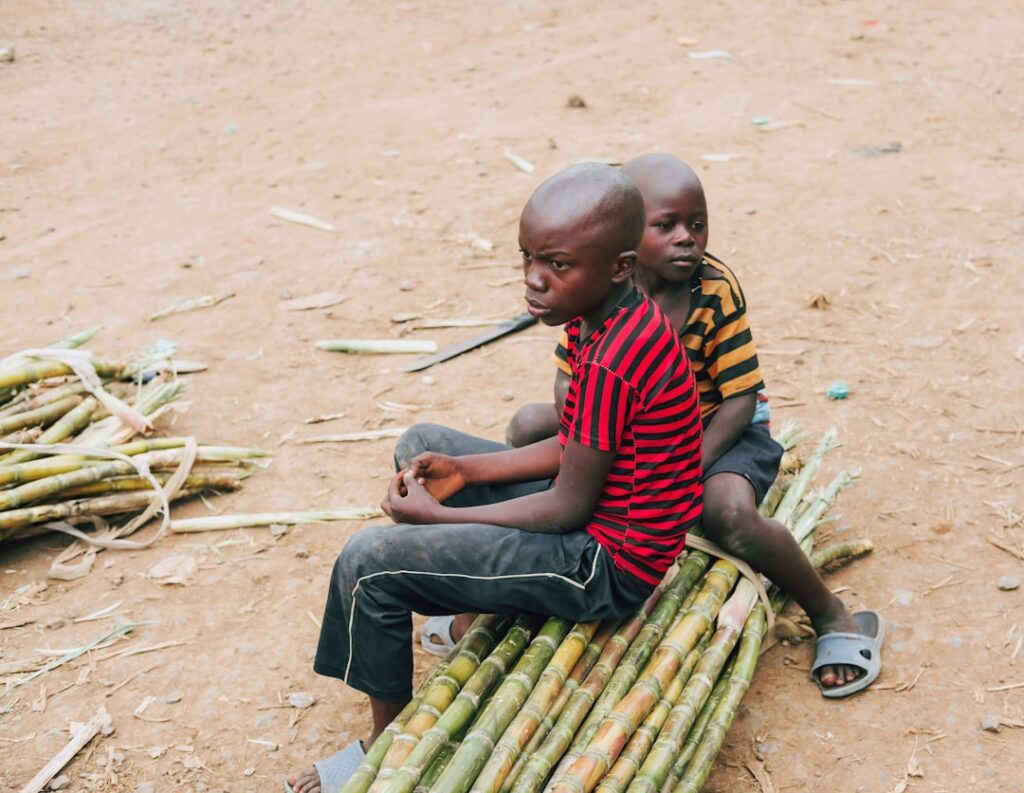
Matadi, Democratic Republic of the Congo: Essential River Crossings, Colonial Echoes & Breathtaking Gorges (2025)
Sunrise over the Congo River reveals a city clinging to cliffs, where the thunder of trucks crossing the 722-meter-long Matadi Bridge echoes against 19th-century stone warehouses. This isn’t just a port; it’s the nation’s historic lifeline, the point where the mighty Congo River becomes unnavigable and the legendary riverboat journeys from Kinshasa end. While most travelers fly over it, savvy explorers discover a city of dramatic topography and living history, where the air hums with the energy of Central Africa’s most vital trade corridor.
Why Matadi, Democratic Republic of the Congo Stands Out

Man in red and white striped polo shirt sitting on brown woven mat, Matadi, Democratic Republic of the Congo
- Historic Architecture: The Old Customs House, built in 1890 by the Congo Free State, stands as a stark, sandstone monument to the colonial era and the city’s founding as a key trading post.
- Cultural Scene: The vibrant sounds of Kongo and Lingala music spill from local bars, offering an authentic soundtrack you won’t find on curated playlists.
- Local Specialties: You must try *Poulet à la Moambé*, chicken in a rich, red palm nut sauce, served with fufu or rice at local *malewas* (small restaurants).
Pro Tip: Visit during the dry season, from June to September. The humidity is lower, the roads to surrounding attractions like the Zongo Falls are more reliable, and you’ll avoid the heavy rains that can make exploring the hilly city challenging.
Map of Matadi, Democratic Republic of the Congo
Use these interactive maps to explore Matadi, Democratic Republic of the Congo and plan your route:
📍 View Matadi, Democratic Republic of the Congo on OpenStreetMap
🗺️ Open Matadi, Democratic Republic of the Congo in Google Maps
Planning Your Trip: Practical Essentials
Getting There and Around
- By Air: Matadi Tshimpi Airport (MAT) receives domestic flights primarily from Kinshasa (N’Djili). CAA and other local carriers operate this short hop. From the airport, your best bet is a pre-arranged hotel transfer or taxi. Book flights at Skyscanner for best deals.
- By Train: The historic Matadi-Kinshasa Railway, completed in 1898, offers a scenic, if slow, journey. The trip takes approximately 6-8 hours. It’s more an experience than efficient transport; check current schedules and security advisories meticulously before booking.
- By Car: The National Road No. 1 connects Kinshasa to Matadi (about 350km). The drive takes 5-7 hours. A 4×4 is recommended, and you should only undertake this journey with a trusted local driver familiar with the route. Compare car rentals at RentalCars.com for options in Kinshasa.
- Local Transport: Motorcycle taxis (*moto-taxis* or *tuk-tuks*) are the lifeblood of city transport for short trips. Negotiate the fare before riding. For longer distances or more comfort, hire a private car and driver for the day through your hotel.
Best Time to Visit
Matadi has a tropical wet and dry climate. The key to an enjoyable visit is timing your trip for the drier, slightly cooler months to fully appreciate the outdoor vistas and gorges.
| Season | Weather | Highlights |
|---|---|---|
| Dry Season (Jun–Sep) | Warm, 24-28°C (75-82°F), low humidity, minimal rain. | Ideal for visiting Zongo Falls, clear views of the river gorges, and comfortable city exploration. Peak season for domestic travel. |
| Rainy Season (Oct–May) | Hot, 26-30°C (79-86°F), very high humidity, heavy afternoon downpours. | Lush, green landscapes. However, roads can become impassable, and humidity can be oppressive. Fewer visitors. |
| Shoulder (May/Jun & Sep/Oct) | Transitional; warm with increasing/decreasing chance of showers. | A good balance if you want to avoid the peak dry-season domestic crowds while still having decent weather. |
Budgeting for Matadi, Democratic Republic of the Congo

Iconic mural depicting two statesmen kissing, at Berlin Wall., Matadi, Democratic Republic of the Congo
| Category | Budget | Mid-range | Luxury |
|---|---|---|---|
| Accommodation | $30-50/night (basic guesthouse) | $80-150/night (comfortable hotel with AC) | $200+/night (top business hotel) |
| Meals | $5-10 (street food, local *malewa*) | $15-30 (hotel restaurant or nicer local spot) | $40+ (fine dining in a hotel) |
| Transport | $1-3 per moto-taxi ride | $50-80/day for a private car & driver | $100+/day for premium vehicle & guide |
| Activities | Free (bridge views, old town walk) | $20-50 (guided tour, site entry fees) | $100+ (private guided day trips) |
| Daily Total | $40-70 | $150-300 | $400+ |
Top Attractions and Must-See Sights
| Attraction | Description | Hours | Entry Fee |
|---|---|---|---|
| Matadi Bridge (Pont Maréchal) | This 722m suspension bridge, inaugurated in 1983, offers dizzying views of the Congo River gorge and is a vital piece of engineering. | Accessible 24/7 (best viewed by car or on foot during daylight). | Free |
| The Old Town & Customs House | Wander the steep streets near the port to see colonial-era buildings, including the iconic 1890 sandstone Customs House. | Daylight hours for safe exploration. | Free |
| Zongo Falls (Chutes de Zongo) | A breathtaking day trip to these powerful waterfalls about 130km from Matadi, plunging into a misty gorge surrounded by rainforest. | Daylight hours. Visit with a guide/driver. | ~$10-20 per person (guide fee) |
| Nkamba Bay | A scenic spot on the river, perfect for observing the constant flow of barges and boats that define life on the Congo. | Daylight hours. | Free |
3-Day Itinerary: Matadi, Democratic Republic of the Congo’s Highlights & Hidden Gems
Day 1: Gateway to the Congo
- Morning (7-9 AM): Start early with a drive across the **Matadi Bridge**. Stop at a safe vantage point on the far side to watch the sunrise illuminate the city clinging to the cliffs. Listen for the hum of the power lines and the horns of river traffic below.
- Afternoon (12-3 PM): Explore the **Old Town**. Start at the **Old Customs House** and walk the surrounding streets. For lunch, head to **Restaurant Le Vieux Matadi** for a solid plate of *Cossa Cossa* (grilled fish) and plantains.
- Evening (6-8 PM): Enjoy the view from your hotel or a riverside spot as the day cools. For dinner, try **Hotel de la Paix’s restaurant** for a reliable and comfortable introduction to Congolese cuisine, like *Poulet à la Moambé*.
Day 2: Waterfalls & Local Life
- Morning (6 AM departure): Embark on a full-day trip to **Zongo Falls** (~$80-120 for car, driver, and guide). The 2.5-hour drive passes through villages and lush scenery. The falls themselves are a powerful, misty spectacle—wear shoes with grip.
- Afternoon (On-site): Have a packed lunch near the falls. Your guide can show you the best viewing points. The return journey gets you back to Matadi by late afternoon.
- Evening (7 PM): After a long day, opt for a relaxed dinner at your hotel or ask your driver to recommend a clean local *malewa* for an authentic, low-key meal.
Day 3: River Views & Market Energy
- Morning (8 AM): Visit **Nkamba Bay** to see the port activity. Then, explore the **Central Market** (Marché Central). Go with a local guide or trusted driver to navigate the vibrant, crowded stalls selling everything from fresh produce to textiles.
- Afternoon (1 PM): Have lunch at **Chez Ntoni**, a popular local spot known for its grilled meats and hearty stews. Afterwards, take a final drive through the city’s different levels, from the port to the residential hills.
- Evening (6 PM): For a final memorable dinner, if available, see if **Hotel Sultani** is serving on its terrace. Enjoy a cold Primus beer and reflect on the raw, unfiltered energy of this historic river city.
Cultural Insights & Etiquette
- Language: French is the official language. Lingala and Kikongo are widely spoken. Key phrases: “Mbote” (Hello in Lingala), “Na lingi yo” (Thank you), “Malembe” (Slowly/Calmly – a useful concept).
- Customs: Greetings are important. Always greet someone before launching into a question or request. A handshake is common, sometimes followed by a snap of the fingers. Use your right hand for giving and receiving items.
- Tipping: Not always expected but greatly appreciated for good service. For drivers/guides, 10% is a good guideline. Round up taxi fares.
- Dress Code: Dress modestly and practically. Lightweight, breathable clothing that covers shoulders and knees is respectful, especially when visiting markets or older parts of town. Sturdy shoes are a must for the hilly terrain.
- Business Hours: Shops and offices typically operate from 8 AM to 5 PM, with a break around noon. Many close on Sundays. Always confirm appointments.
Where to Eat: Matadi, Democratic Republic of the Congo’s Best Bites
Dining in Matadi is about hearty, flavorful Congolese staples. You’ll find the best authentic meals in local *malewas*, while hotels offer more international fare in comfortable settings. Don’t be afraid to ask for recommendations—locals are proud of their cuisine.
Must-Try Local Specialties
- Poulet à la Moambé: The national dish: chicken simmered in a rich, red palm nut sauce, often served with fufu (cassava dough) or rice. Try it at any reputable local restaurant.
- Fumbwa: A stew made with wild spinach (similar to okra leaves) and peanuts, often cooked with fish or meat. A delicious, earthy dish.
- Makayabu: Salted, dried fish, often rehydrated and used in sauces or served as a side. It’s a staple protein with a strong, savory flavor.
Restaurant Recommendations by Budget
| Type | Restaurant | Specialty | Price Range |
|---|---|---|---|
| Budget | Various *Malewas* near the market | Daily stews, grilled fish, fufu | $5-10 |
| Mid-range | Restaurant Le Vieux Matadi (City Center) | Grilled *Cossa Cossa* (fish), local plates | $12-20 |
| Fine dining | Hotel Sultani Restaurant (when available) | International & Congolese fusion, terrace views | $25-40 |
Where to Stay
Accommodation in Matadi is primarily functional, catering to business travelers and domestic tourists. Your best bets are the established hotels, which offer security, generators (for power cuts), and often the best dining options. Compare prices and book at Booking.com or Airbnb for apartments (though short-term rentals are less common here).
Best Neighborhoods for Accommodation
- City Center (near Port & Bridge): The most convenient location for seeing main sights and accessing transport. It can be noisy and bustling. Best for short stays and those wanting to be in the heart of the action. (e.g., Hotel de la Paix).
- Residential Hills (e.g., Nzadi Zone): Quieter, cooler areas with better views. You’ll be more reliant on taxis or a driver to get to the center, but it offers a more relaxed atmosphere. (e.g., Hotel Sultani).
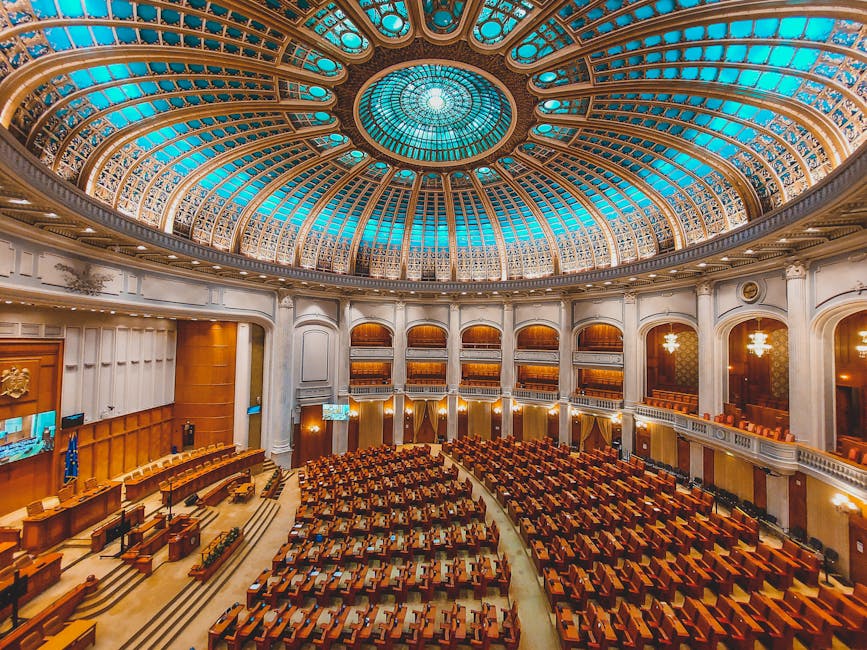
Vibrant interior of a parliament hall with a grand dome and intricate archi…, Matadi, Democratic Republic of the Congo
FAQs: Your Matadi, Democratic Republic of the Congo Questions Answered
1. Is Matadi, Democratic Republic of the Congo safe at night?
Exercise significant caution after dark. Avoid walking alone. Use pre-arranged transport, especially motorcycle taxis from known operators or hotel-recommended drivers. Petty crime can be an issue. Stay in well-lit, populated areas and keep valuables out of sight. Always follow the advice of your hotel and trusted local contacts.
2. What currency is used and are credit cards accepted?
The Congolese Franc (CDF) is the local currency. Carry ample cash in smaller denominations, as credit cards are rarely accepted outside major hotels in Kinshasa and are virtually useless in Matadi. USD can sometimes be used for large transactions (like hotels) but expect change in CDF. Use official exchange bureaus or banks.
3. How do I get from the airport to the city center?
Matadi Tshimpi Airport is small. Your most reliable option is to have your hotel arrange a pickup. Otherwise, negotiate a fare with a taxi driver before getting in the car. The journey to the city center takes about 20-30 minutes and should cost around $15-25, depending on negotiation. Book airport transfers at GetYourGuide for convenience, though options may be limited—advance arrangement through your hotel is often best.
4. Do I need to speak the local language?
French is essential for basic communication. Very little English is spoken. Learning a few phrases in French and Lingala (like greetings) will go a long way in showing respect and smoothing interactions. Having a local guide or driver who can translate is highly recommended for anything beyond simple transactions.
5. What’s the appropriate dress code?
Dress conservatively and for a hot, humid climate. Light, loose-fitting clothing made from natural fibers is ideal. For both men and women, covering shoulders and knees is recommended, especially when outside hotel or resort areas. Sturdy, comfortable walking shoes are non-negotiable for the city’s steep, often uneven streets.

