
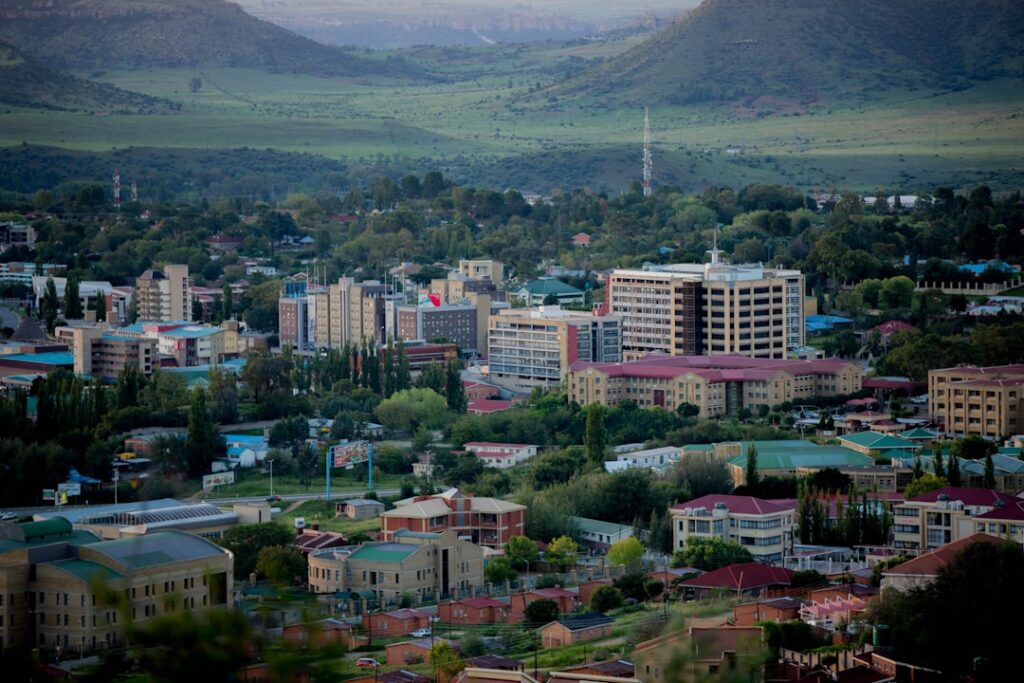
Maseru, Lesotho: Hidden Mountain Majesty, Basotho Culture & Unspoiled Adventure (2026)
While crowds flock to South Africa’s Kruger National Park, Maseru, Lesotho delivers a profound cultural immersion and breathtaking high-altitude scenery without the tourist queues. As the capital of the world’s only independent state lying entirely above 1,000 meters, this gateway city offers access to a kingdom where traditional Basotho life thrives. Here’s why savvy travelers choose a different path into Southern Africa.
Why Maseru, Lesotho Stands Out

Rustic vintage off-road vehicle parked in scenic Maseru, Lesotho.
- Historic Architecture: The thatched-roof Royal Palace, the official residence of King Letsie III, stands as a modern symbol of the nation’s enduring monarchy, best viewed from the adjacent Parliament Building grounds.
- Cultural Scene: The annual Morija Arts & Cultural Festival (late September/early October) transforms a nearby town into a vibrant showcase of music, dance, and crafts, drawing performers from across the mountain kingdom.
- Local Specialties: You must try papa, a stiff maize porridge, served with moroho (sautéed greens) and a rich, slow-cooked stew, the cornerstone of Basotho home cooking.
Pro Tip: For the best weather and fewer crowds, target the shoulder months of April-May or September-October. You’ll avoid the chilly, dry winter nights of June-August and the intense summer thunderstorms of December-February, while enjoying clear skies and comfortable temperatures for exploring.
Map of Maseru, Lesotho
Use these interactive maps to explore Maseru, Lesotho and plan your route:
📍 View Maseru, Lesotho on OpenStreetMap
🗺️ Open Maseru, Lesotho in Google Maps
Planning Your Trip: Practical Essentials
Getting There and Around
- By Air: Moshoeshoe I International Airport (MSU) is 18km south of the city. It’s served by regional flights from Johannesburg (SA Airlink) and Cape Town. A pre-booked taxi to the city center costs about 200-250 LSL ($11-$14). Book flights at Skyscanner for best deals.
- By Train: Lesotho has no international passenger rail. The most scenic overland approach is by road from South Africa, crossing the dramatic Caledonspoort or Maseru Bridge border posts.
- By Car: Driving from Johannesburg takes about 4-5 hours. Rental cars (4×4 is recommended for exploring beyond Maseru) are available at the airport. Note: You drive on the left. Compare car rentals at RentalCars.com.
- Local Transport: Shared minibus taxis are the lifeblood of the city, cheap (5-10 LSL per short trip) but crowded. For convenience, negotiate a fare with a regular taxi for longer journeys; a trip across town typically costs 50-80 LSL.
Best Time to Visit
Lesotho’s high-altitude climate dictates your experience. Summers are warm but wet, winters are dry but can be very cold, especially at night. The shoulder seasons offer the best balance for exploration.
| Season | Weather | Highlights |
|---|---|---|
| Summer (Nov–Mar) | 18°C to 28°C (64°F-82°F). Afternoon thunderstorms are frequent and can be heavy. | Lush green landscapes, vibrant festivals. Ideal for photography but be prepared for rain. |
| Winter (Jun–Aug) | Day: 10°C to 17°C (50°F-63°F). Night: Can drop below 0°C (32°F), with occasional snow in the highlands. | Crisp, clear skies, excellent for stargazing. Snow transforms the Maloti Mountains. Pack warm layers. |
| Shoulder (Apr–May & Sep–Oct) | 15°C to 25°C (59°F-77°F). Mild, dry, and sunny with low rainfall. | The sweet spot. Perfect for hiking, city tours, and day trips to mountain passes without extreme weather. |
Budgeting for Maseru, Lesotho

Low-angle view of a vintage off-road vehicle parked on a grassy field under…, Maseru, Lesotho
| Category | Budget | Mid-range | Luxury |
|---|---|---|---|
| Accommodation | Backpacker hostel: 150-300 LSL ($8-$16) | Guesthouse/B&B: 500-900 LSL ($27-$48) | Hotel (Avani/Maseru Sun): 1,200+ LSL ($65+) |
| Meals | Street food/papa & stew: 30-50 LSL ($1.60-$2.70) | Restaurant meal: 80-150 LSL ($4.30-$8) | Fine dining (hotel restaurant): 250+ LSL ($13.50+) |
| Transport | Minibus taxis: 5-20 LSL/day ($0.27-$1) | Private taxi for day trips: 400-600 LSL ($22-$32) | Private car with driver: 800+ LSL/day ($43+) |
| Activities | Markets, Cathedral visits (free) | Thaba-Bosiu tour: ~150 LSL ($8) | Guided pony trekking: 500+ LSL ($27+) |
| Daily Total | 250-400 LSL ($13.50-$22) | 1,100-1,800 LSL ($59-$97) | 2,800+ LSL ($151+) |
Top Attractions and Must-See Sights
| Attraction | Description | Hours | Entry Fee |
|---|---|---|---|
| Thaba-Bosiu | The “Mountain at Night,” a flat-topped fortress where King Moshoeshoe I founded the Basotho nation in 1824, offering panoramic views and profound historical insight. | 9 AM – 4 PM (Guides recommended) | ~150 LSL ($8) for guided tour |
| Maseru Market | A bustling, sensory overload of colors and smells where you can find everything from fresh produce and traditional Basotho blankets (Seanamarena) to handmade crafts. | 7 AM – 5 PM (Best in morning) | Free (bargaining expected) |
| Our Lady of Victory Cathedral | A striking red-brick Roman Catholic cathedral, an architectural landmark in the city center with beautiful stained glass and a peaceful interior. | 8 AM – 5 PM (Mass times vary) | Free |
| Lesotho National Museum & Archives | A compact but insightful museum detailing the geology, archaeology, and cultural history of Lesotho, including San rock art reproductions. | 8:30 AM – 4:30 PM (Mon-Fri), 9 AM – 1 PM (Sat) | 10 LSL ($0.55) |
3-Day Itinerary: Maseru, Lesotho’s Highlights & Hidden Gems
Day 1: City Pulse & Cultural Foundations
- Morning (7-9 AM): Start at the Maseru Market as it comes to life. Watch vendors set up and practice your bargaining for a vibrant Basotho blanket. Your best bet is to look for the authentic, tightly woven designs.
- Afternoon (12-3 PM): Visit the Lesotho National Museum for historical context, then walk to the Royal Palace and Parliament area. For lunch, head to News Cafe at the Maseru Mall for a reliable sandwich or salad (around 80 LSL).
- Evening (6-8 PM): Enjoy a sundowner at the poolside bar of the Avani Lesotho Hotel with views of the city. For dinner, savor authentic local cuisine at Rendezvous Restaurant near the cathedral, ordering the beef stew with papa and moroho (about 120 LSL).
Day 2: History & Highland Horizons
- Morning (8 AM): Arrange a taxi (approx. 400 LSL round-trip) for the 30-minute drive to Thaba-Bosiu. Hire a local guide at the visitor center (150 LSL) for a 2-hour tour—they bring the mountain’s dramatic history of resistance against the Boers and British to life.
- Afternoon (1 PM): Return towards Maseru and stop at the Thaba-Bosiu Cultural Village for a traditional Sesotho lunch and a demonstration of village life. Try the fermented sorghum beer, jalapa, if you’re curious.
- Evening (7 PM): Back in Maseru, experience a more contemporary dining scene at Khubelu Cafe & Grill at the Victory Palace Hotel, known for its steaks and warmer atmosphere.
Day 3: Crafts, Views & Local Life
- Morning (9 AM): Take a minibus taxi (10 LSL) or a short walk to the Basotho Hat Shop (next to the Tourist Information office). This iconic building shaped like a traditional hat sells high-quality, government-vetted crafts—the perfect place for souvenirs.
- Afternoon (12 PM): Enjoy a leisurely lunch at Regal Cafe in the city center. Then, visit the serene Our Lady of Victory Cathedral before a walk along the Kingsway, Maseru’s main thoroughfare, to observe daily life.
- Evening (6 PM): For your final night, take a taxi to Pioneer Mall where locals shop and socialize. Have a casual dinner at one of the food court outlets, reflecting on your journey through the Mountain Kingdom.
Cultural Insights & Etiquette
- Language: Sesotho and English are official. Learn greetings: “Lumela” (Hello to one), “Lumelang” (Hello to many), and “Kea leboha” (Thank you). English is widely understood in Maseru.
- Customs: Always greet people before launching into questions or business. A handshake is common. Show respect to elders. When visiting villages, it’s polite to greet the chief (morena) or headman first.
- Tipping: Not mandatory but appreciated. In restaurants, 10% is generous if service isn’t included. For guides, 50-100 LSL is a good tip. Round up taxi fares.
- Dress Code: Modesty is valued. Avoid very short shorts or revealing tops in the city. For village visits, covering shoulders and knees is respectful. Always pack a warm layer, even in summer.
- Business Hours: Shops: 8 AM – 5 PM (Mon-Fri), 8 AM – 1 PM (Sat). Banks: 8:30 AM – 3:30 PM (Mon-Fri). Government offices often close for lunch from 1-2 PM.
Where to Eat: Maseru, Lesotho’s Best Bites
Dining in Maseru ranges from hearty, traditional Basotho fare to international cuisine in hotel restaurants. The local food is filling and centered on maize, sorghum, vegetables, and meat. Don’t expect a vast fine-dining scene; the joy is in the authentic, robust flavors of home-style cooking.
Must-Try Local Specialties
- Papa, Moroho & Beef Stew: The national dish. The stew (likhobe) is slow-cooked and rich. Find it at local eateries like Rendezvous or in the Maseru Market food stalls.
- Motoho: A fermented sorghum porridge, often eaten for breakfast. It’s an acquired taste—tangy and cooling. Ask for it at smaller, traditional cafes.
- Lesotho Trout: Farmed in the highland waters, this fresh trout is often served pan-fried. Your best bet is at hotel restaurants like the Avani or Maseru Sun.
Restaurant Recommendations by Budget
| Type | Restaurant | Specialty | Price Range |
|---|---|---|---|
| Budget | Maseru Market Food Stalls (City Center) | Authentic papa & stew, fried bread | 30-50 LSL ($1.60-$2.70) |
| Mid-range | Rendezvous Restaurant (Near Cathedral) | Traditional Basotho cuisine in a simple setting | 80-150 LSL ($4.30-$8) |
| Fine dining | Lancer’s Inn Restaurant (Lancer’s Gap) | International grill, steak, and seafood in a classic hotel setting | 200-350 LSL ($11-$19) |
Where to Stay
Accommodation in Maseru is functional rather than luxurious, with a cluster of hotels in the city center and more guesthouse-style options in the suburbs. Most international-standard hotels are part of casino complexes. Compare prices and book at Booking.com or Airbnb for apartments.
Best Neighborhoods for Accommodation
- City Centre (Kingsway): The most convenient location for walking to markets, shops, and government buildings. Home to the Avani and Maseru Sun hotels. Pros: Central, walkable. Cons: Can be noisy. Suits first-time visitors and business travelers.
- Lancer’s Gap/Thetsane: A quieter suburban area about a 10-minute drive from the center, with established guesthouses and the Lancer’s Inn. Pros: More peaceful, often with gardens. Cons: Requires taxis to get around. Suits leisure travelers and families.
- Ha Thetsane/Mabote: Residential areas with a growing number of B&Bs and self-catering apartments. Offers a more local feel. Pros: Good value, authentic. Cons: Further from the core. Suits budget travelers and those seeking longer stays.
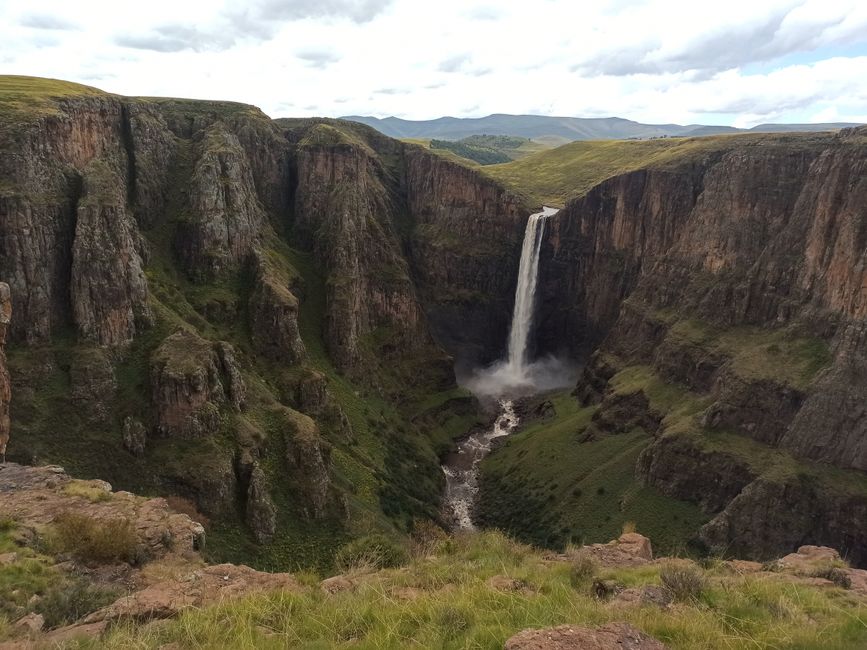
Breathtaking view of Maletsunyane Falls cascading through cliffs in FS, Maseru, Lesotho
FAQs: Your Maseru, Lesotho Questions Answered
1. Is Maseru, Lesotho safe at night?
Maseru is generally safe, but standard urban precautions apply. Avoid walking alone in poorly lit areas at night. Use registered taxis after dark. Petty crime like pickpocketing can occur in crowded markets, so keep valuables secure. The city center is quiet in the evenings.
2. What currency is used and are credit cards accepted?
The currency is the Lesotho Loti (LSL), which is pegged 1:1 to the South African

