
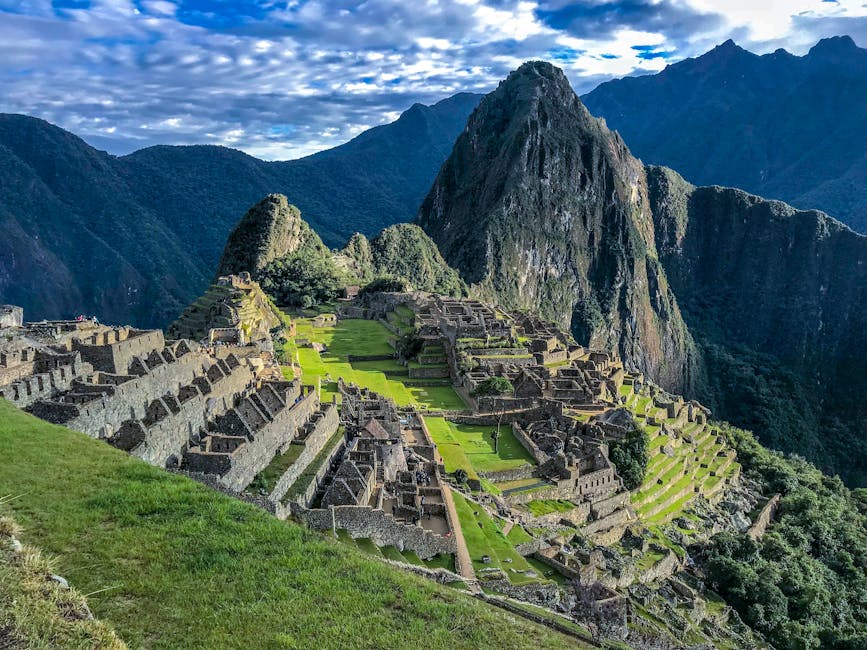
Marañón, Peru’s Incredible Canyons, Coffee & Colonial Heritage (2026)
While thousands crowd the Inca Trail, fewer than 5,000 international travelers annually venture into the heart of the Marañón River Canyon, a geological titan twice as deep as the Grand Canyon. Here, the river carves a 3,000-meter-deep gash through the Andes, creating a world of its own where microclimates nurture some of Peru’s most prized coffee and forgotten colonial churches cling to vertiginous slopes. This isn’t just a detour; it’s the soul of northern Peru.
Why Marañón, Peru Stands Out

View of the historic Coricancha temple in Cusco, Marañón, Peru
- Historic Architecture: The 17th-century Church of San Antonio in Celendín, with its intricate mestizo-baroque façade, stands as a testament to the colonial trade routes that once thrived here.
- Cultural Scene: The annual Fiesta de la Virgen del Carmen in July transforms the town of Celendín with vibrant processions, traditional *marinera* dancing, and brass band competitions that echo through the canyon.
- Local Specialties: You must try *cuy colorado*, a uniquely savory guinea pig dish slow-cooked in a rich, red sauce of local spices and herbs, distinct from other Peruvian regions.
Pro Tip: The absolute best time to visit is during the dry season from May to September, but aim for the shoulder months of May or late September. You’ll avoid the peak tourist traffic from June-August and experience the landscape when it’s still lush from the earlier rains, with clearer skies for those epic canyon views.
Map of Marañón, Peru
Use these interactive maps to explore Marañón, Peru and plan your route:
📍 View Marañón, Peru on OpenStreetMap
🗺️ Open Marañón, Peru in Google Maps
Planning Your Trip: Practical Essentials
Getting There and Around
- By Air: The nearest major airport is in Cajamarca (CJA), served by LATAM and Sky Airline from Lima. From there, it’s a 3-hour drive. Book flights at Skyscanner for best deals.
- By Train: There are no passenger train services directly to the Marañón region. Long-distance buses are the primary mode. Reserve tickets at Trainline or the national railway website for other Peruvian destinations.
- By Car: Driving from Cajamarca via the scenic route through Celendín offers full flexibility. Roads are paved but winding; a 4×4 is recommended for exploring side valleys. Compare car rentals at RentalCars.com.
- Local Transport: *Colectivos* (shared taxis or vans) are the lifeline between towns like Celendín, Chachapoyas, and Leymebamba. Fares are cheap (5-20 PEN per segment), but schedules are informal—just show up at the main plaza.
Best Time to Visit
The Marañón’s climate is defined by altitude and the deep canyon itself. The dry season offers reliable access and views, while the wet season brings lush greenery but challenging travel on unpaved roads.
| Season | Weather | Highlights |
|---|---|---|
| Dry Season (May–Sep) | Sunny days, cool nights (10-22°C). Almost no rain. | Ideal for trekking, canyon viewing, and festivals. Peak crowds in July-August. |
| Wet Season (Dec–Mar) | Frequent afternoon showers, warmer (15-25°C). Humid. | Landscape is vividly green, waterfalls are powerful. Few tourists, but some roads may be impassable. |
| Shoulder (Apr & Oct–Nov) | Transitional, with sporadic showers and pleasant temps (12-24°C). | The sweet spot: good weather, minimal crowds, and lower prices. Perfect for photography. |
Budgeting for Marañón, Peru

Ancient adobe ruins at the Chan Chan UNESCO World Heritage Site in Peru., Marañón, Peru
| Category | Budget | Mid-range | Luxury |
|---|---|---|---|
| Accommodation | 40-80 PEN (hostel/ basic hospedaje) | 150-300 PEN (comfortable hotel with breakfast) | 400+ PEN (historic hacienda or exclusive lodge) |
| Meals | 15-25 PEN (menú del día at local eateries) | 35-60 PEN (restaurant main course + drink) | 80-150 PEN (gourmet tasting menus) |
| Transport | 5-20 PEN (colectivos between towns) | 50-80 PEN (private taxi for half-day) | 300+ PEN (private driver/4×4 for full day) |
| Activities | Free (hiking, plaza wandering) | 20-50 PEN (museum entry, guided walk) | 100-200 PEN (private guided canyon tour) |
| Daily Total | 70-150 PEN | 250-500 PEN | 900+ PEN |
Top Attractions and Must-See Sights
| Attraction | Description | Hours | Entry Fee |
|---|---|---|---|
| Marañón Canyon Viewpoint (Mirador del Marañón) | For the breathtaking, dizzying view into one of the world’s deepest canyons from the rim near Celendín. | Sunrise to Sunset | Free |
| Kuelap Fortress | The majestic “Machu Picchu of the North,” a cloud-forest citadel built by the Chachapoyas culture centuries before the Incas. | 8:00 AM – 5:00 PM | 20 PEN (Foreign Adult) |
| Leymebamba Museum | Home to over 200 remarkably preserved Chachapoyas mummies discovered at the Laguna de los Cóndores, with fascinating context. | 9:30 AM – 4:30 PM (Closed Mon) | 15 PEN |
| Gocta Waterfalls | A spectacular two-tiered cataract plunging 771 meters, accessed through beautiful cloud forest trails near Chachapoyas. | Daylight Hours | 10 PEN (Trail Access) |
3-Day Itinerary: Marañón, Peru’s Highlights & Hidden Gems
Day 1: Canyon Rims & Colonial Charms
- Morning (7-9 AM): Depart Celendín by colectivo (10 PEN) for the **Mirador del Marañón**. Arrive early to see the morning mist rise from the 3,000-meter abyss. The scale is humbling.
- Afternoon (12-3 PM): Return to Celendín to explore its historic center. Visit the **Iglesia de San Antonio**. For lunch, grab a table at **Restaurante El Mirador** on the plaza for their superb *lomo saltado* (28 PEN).
- Evening (6-8 PM): Wander the craft stalls around the plaza. For dinner, seek out **Cuyería Doña Rosita** (a local secret) for an authentic *cuy colorado* (35 PEN).
Day 2: Ancient Citadels in the Clouds
- Morning (7 AM): Take an early shared taxi from Celendín to Chachapoyas (3-hour journey, ~25 PEN). Upon arrival, head straight to the **Kuelap Fortress** via the modern cable car (60 PEN round-trip). Explore the massive stone walls and circular houses before the midday clouds roll in.
- Afternoon (1 PM): Return to Chachapoyas. Enjoy a well-earned lunch at **Café Renzo** on the Plaza de Armas, famous for its hearty *ají de gallina* (22 PEN) and strong local coffee.
- Evening (6 PM): Join a free walking tour from the plaza (tips expected) to learn about Chachapoyas history. For dinner, try **El Tejado** for their delicious *trucha a la plancha* (grilled trout) from local rivers (30 PEN).
Day 3: Waterfalls & Mysterious Mummies
- Morning (7 AM): Hire a mototaxi (15 PEN) to the trailhead for **Gocta Waterfalls**. The 2.5-hour hike (each way) through lush forest is magical. Your reward is the thunderous base of the falls—bring a raincoat!
- Afternoon (1 PM): Return to Chachapoyas for a quick bite, then catch a colectivo to **Leymebamba** (1.5 hours, 12 PEN). Visit the superb **Museo Leymebamba** to see the captivating mummies and artifacts.
- Evening (5 PM): Enjoy the serene atmosphere in Leymebamba. Have a final dinner at **Café Museo** right by the museum, sampling their homemade *humitas* (sweet corn tamales) and reflecting on a journey through deep time and even deeper canyons.
Cultural Insights & Etiquette
- Language: Spanish is essential. Basic Quechua phrases like “Allillanchu” (Hello, how are you?) are appreciated. In rural areas, English is rarely spoken.
- Customs: Always greet people with a “Buenos días/tardes.” It’s polite to ask permission before taking photos of individuals, especially in indigenous communities. Patience is valued over haste.
- Tipping: A 10% tip is customary in sit-down restaurants if service isn’t included. For guides, 15-20 PEN for a half-day tour is standard. Round up taxi fares.
- Dress Code: Modest, layered clothing is best. For churches, cover shoulders and knees. Sturdy hiking shoes are non-negotiable for the terrain.
- Business Hours: Shops typically open 9 AM-1 PM and 4-8 PM. Many close on Sundays. Banks have shorter hours (9 AM-4 PM). Major holidays like Inti Raymi (June) and Fiestas Patrias (July) see widespread closures.
Where to Eat: Marañón, Peru’s Best Bites
Marañón cuisine is hearty mountain food, shaped by Spanish, indigenous, and even Amazonian influences. You’ll find robust stews, river trout, and the region’s star: its uniquely smooth, aromatic high-altitude coffee, best drunk black to appreciate its floral notes.
Must-Try Local Specialties
- Cuy Colorado: The regional take on guinea pig, distinct for its deep red, slightly spicy sauce. Best tried at family-run *cuyerías* in Celendín like the aforementioned Doña Rosita.
- Juanes de Yuca: A savory parcel of rice, chicken, and spices wrapped in yuca leaves instead of banana leaves, offering a different texture and flavor. Look for them in market stalls.
- Queso Mantecoso: A creamy, slightly salty cow’s milk cheese from Cajamarca that appears on every breakfast table and in many sauces. Perfect with fresh bread from a *panadería*.
Restaurant Recommendations by Budget
| Type | Restaurant | Specialty | Price Range |
|---|---|---|---|
| Budget | El Fogón (Celendín, near market) | Massive, delicious *menú del día* with soup, main, and drink. | 12-18 PEN |
| Mid-range | La Tushpa (Chachapoyas, Jirón Amazonas) | Creative Novoandina dishes in a cozy setting. Try the trout in passion fruit sauce. | 30-50 PEN per main |
| Fine dining | El Batan del Tayta (Chachapoyas countryside) | Gourmet tasting menus using hyper-local ingredients in a stunning garden hacienda. Reserve ahead. | 80-120 PEN+ |
Where to Stay
Accommodation ranges from basic family hospedajes to charming colonial hotels and even a few luxurious converted haciendas. Staying in town centers (plazas) is best for access to transport and food. Compare prices and book at Booking.com or Airbnb for apartments.
Best Neighborhoods for Accommodation
- Celendín Centro: Right around the Plaza de Armas. You’re steps from colectivos, restaurants, and the charming church. Perfect for explorers using the town as a canyon base. Can be noisy on festival weekends.
- Chachapoyas Centro: The ideal hub for exploring Kuelap and Gocta. The grid of streets around the main plaza is safe, walkable, and full of tour operators and good eateries. Suits all types of travelers.
- Leymebamba: A peaceful, small-town alternative. Staying here allows for an early, crowd-free visit to the incredible museum and a more authentic, slow-paced experience. Best for those with extra time.
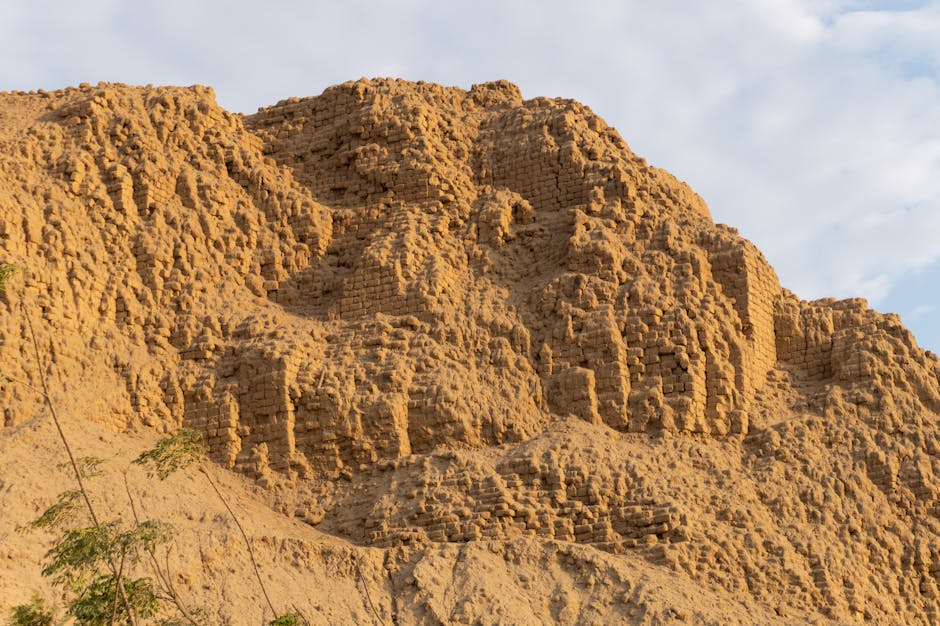
Explore the ancient Moche adobe structures in Trujillo, Marañón, Peru
FAQs: Your Marañón, Peru Questions Answered
1. Is Marañón, Peru safe at night?
Generally, yes. Towns like Celendín and Chachapoyas are quite safe. Exercise standard precautions: stick to well-lit central areas at night, don’t flash valuables, and use registered taxis after dark. The greatest “danger” is often the winding mountain roads—avoid night travel by bus or car when possible.
2. What currency is used and are credit cards accepted?
The Peruvian Sol (PEN) is the currency. Carry ample cash, especially in smaller denominations. While hotels and nicer restaurants in Chachapoyas may accept credit cards (Visa/Mastercard), cash is king in markets, for transport, and in smaller towns. ATMs are available in main town plazas.
3. How do I get from the airport to the city center?
From Cajamarca’s airport (CJA), your best bet is to pre-arrange a transfer with your hotel or take an official airport taxi to the bus terminal (approx. 20 PEN, 20 mins). From there, catch a bus to Celendín or Chachapoyas. For a seamless start, book airport transfers at GetYourGuide for convenience.
4. Do I need to speak the local language?
Basic Spanish will vastly improve your experience. While younger people in tourism may know some English, in markets, colectivos, and rural areas, communication will be almost entirely in Spanish. Learning key phrases for ordering food, asking prices, and directions is highly recommended.
5. What’s the appropriate dress code?
Think practical and respectful. Layers are essential due to shifting altitudes and

