
Maramureș, Romania: Amazing Wooden Churches, Timeless Villages & Living Folklore (2026)
Ask locals about Maramureș, and they’ll tell you about the “Merry Cemetery” in Săpânța, where vivid blue crosses are inscribed with witty, poetic epitaphs about the deceased. Most guidebooks mention it, but they miss the deeper truth: this is a region where life, death, and tradition are woven into the very fabric of daily existence, preserved in over 100 UNESCO-protected wooden churches and villages where horse-drawn carts still outnumber cars on cobbled lanes. This isn’t a museum; it’s a living, breathing cultural landscape.
Why Maramureș, Romania Stands Out

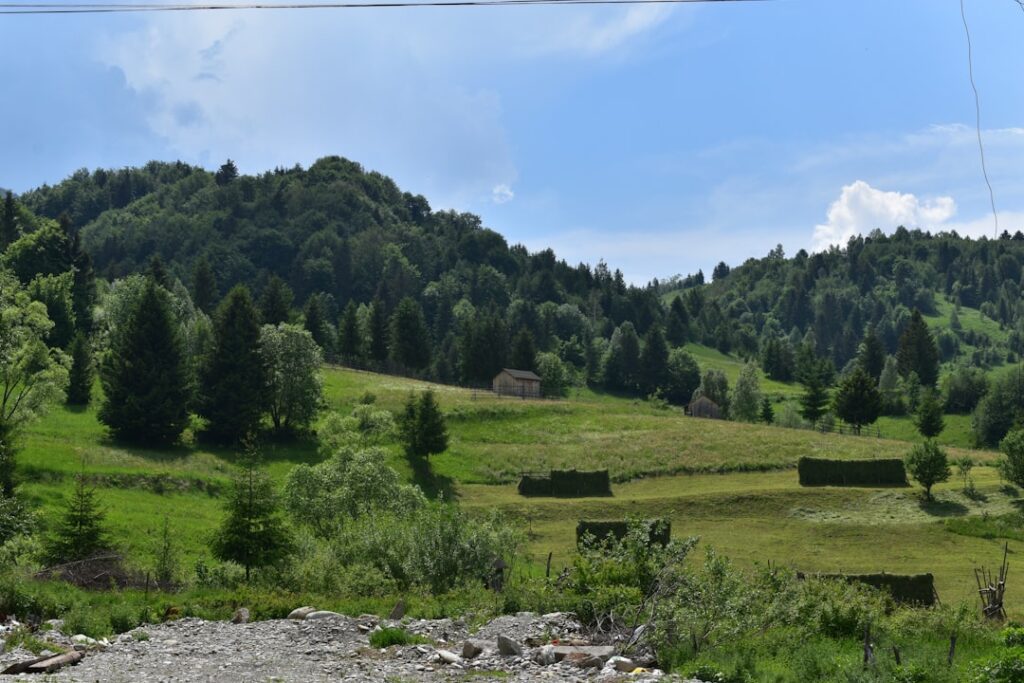
A scenic view of a mountain range with a cabin in the foreground, Maramureș, Romania
- Historic Architecture: The 72-meter tall wooden church in Șurdești, built in 1724 without a single metal nail, is a masterpiece of Gothic-style carpentry and a UNESCO World Heritage Site.
- Cultural Scene: The Winter Customs Festival, where communities don terrifying wooden masks and elaborate sheepskin costumes to chase away evil spirits, is a pagan tradition unchanged for centuries.
- Local Specialties: You must try *țuică*, a potent, homemade plum brandy, often served from a carved wooden flask as a sign of hospitality.
Pro Tip: Your best bet for an authentic, crowd-free experience is the shoulder seasons of May-June or September-October. Avoid August, when major Romanian holidays can make accommodation scarce. For festivals, target the week between Christmas and New Year for the spectacular Masked Customs.
Map of Maramureș, Romania
Use these interactive maps to explore Maramureș, Romania and plan your route:
📍 View Maramureș, Romania on OpenStreetMap
🗺️ Open Maramureș, Romania in Google Maps
Planning Your Trip: Practical Essentials
Getting There and Around
- By Air: The closest international airport is in Cluj-Napoca (CLJ), about a 3-hour drive south. Wizz Air and Ryanair offer connections from across Europe. From the airport, your most reliable option is a pre-booked transfer or rental car. Book flights at Skyscanner for best deals.
- By Train: Direct trains run from Bucharest (10-12 hours) and Cluj-Napoca (4-5 hours) to the main hub of Sighetu Marmației. Trains are scenic but slow; opt for a daytime journey for the Carpathian views. Reserve tickets at Trainline or the national railway website.
- By Car: Renting a car is highly recommended for exploring the scattered villages. The DN18 and DN1C are the main roads. Roads are generally good but can be narrow in villages. Compare car rentals at RentalCars.com.
- Local Transport: Public buses connect larger towns but are infrequent for village-hopping. Maxitaxis (shared vans) are a local alternative but require some local knowledge. For true flexibility, a car is your best bet.
Best Time to Visit
Maramureș transforms dramatically with the seasons. Summer offers lush greenery and full access, while winter provides a magical, snow-dusted scene perfect for traditional festivals. Savvy travelers often target the shoulder seasons for a balance of good weather and authentic local life.
| Season | Weather | Highlights |
|---|---|---|
| Summer (Jun–Aug) | Warm, 20-28°C (68-82°F), occasional afternoon thunderstorms. | All attractions are open, hiking in the surrounding mountains is ideal, but it’s the peak season for domestic tourism. |
| Winter (Dec–Feb) | Cold, -5 to 5°C (23-41°F), with reliable snow in January and February. | The breathtaking Winter Customs Festivals with masked processions; frozen landscapes make the wooden churches look like fairy tales. |
| Shoulder (Apr–May/Sep–Oct) | Mild, 10-20°C (50-68°F), with crisp air and fewer rainy days. | The perfect balance: comfortable for exploration, vibrant autumn colors in September, blooming meadows in May, and minimal crowds. |
Budgeting for Maramureș, Romania
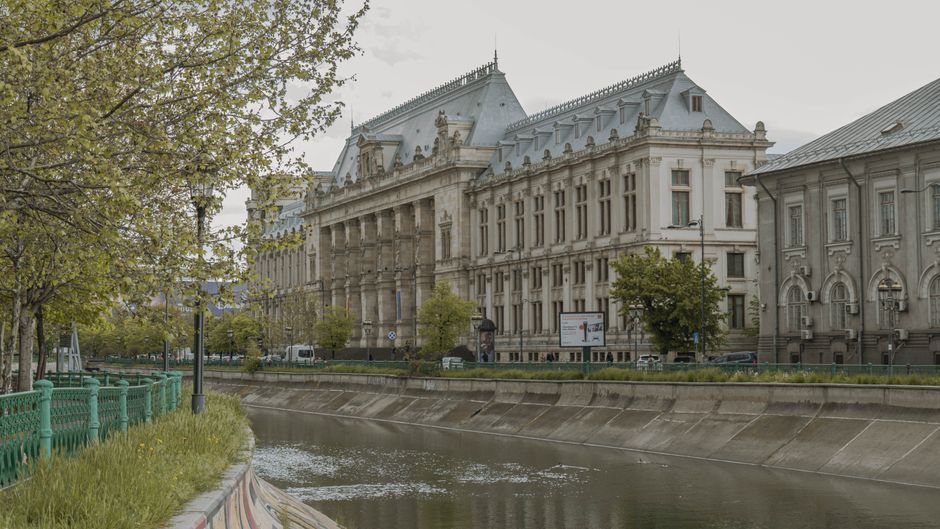
A serene view of the Palace of Justice in Bucharest along a scenic riverbank., Maramureș, Romania
| Category | Budget | Mid-range | Luxury |
|---|---|---|---|
| Accommodation | €20-35/night (guesthouse or hostel) | €45-75/night (charming B&B or 3-star hotel) | €100+/night (top rural boutique hotel or manor house) |
| Meals | €5-10 (market food, *mici* from a stall) | €10-20 (traditional restaurant meal with drink) | €30+ (multi-course experience at a high-end agro-tourism farm) |
| Transport | €5-10/day (local bus) | €25-40/day (rental car or daily taxi tours) | €60+/day (private driver/guide with vehicle) |
| Activities | €0-15 (village wandering, free churches, Merry Cemetery) | €20-40 (guided tour, entry to museums, workshops) | €80+ (private folklore show, specialized craft workshop) |
| Daily Total | €30-60 | €80-140 | €200+ |
Top Attractions and Must-See Sights
| Attraction | Description | Hours | Entry Fee |
|---|---|---|---|
| The Merry Cemetery, Săpânța | Famous for its colorful, humorously illustrated wooden crosses that celebrate the lives of the departed. | Daily, 9 AM – 8 PM (summer), 10 AM – 5 PM (winter) | ~€2 (donation-based) |
| Wooden Churches of Maramureș (UNESCO) | A collection of eight exceptional 17th-18th century churches, with the one in Șurdești being the tallest. | Varies by church; keys often held by a local caretaker. | €1-2 per church (tip for caretaker) |
| Village Museum in Sighetu Marmației | An open-air museum showcasing traditional Maramureș architecture, including complete wooden homesteads. | Tue-Sun, 9 AM – 5 PM | €3 |
| Mocănița Steam Train (Vaser Valley Forestry Railway) | A historic, narrow-gauge steam train journey deep into the pristine forests of the Vaser Valley. | Departures at 9 AM (seasonal, May-Oct) | From €15 for a day trip |
3-Day Itinerary: Maramureș, Romania’s Highlights & Hidden Gems
Day 1: Northern Villages & The Merry Cemetery
- Morning (7-9 AM): Start early in Sighetu Marmației. Visit the Elie Wiesel Memorial House (opens at 9 AM, €3) to understand the region’s complex history, then grab a coffee at Cofetăria Alex on Strada Bogdan Vodă.
- Afternoon (12-3 PM): Drive 20 minutes to Săpânța. Explore the Merry Cemetery (€2 donation) and the towering new Blue Church next door. For lunch, head to Restaurant Perla Săpânței for a massive plate of *tochitură maramureșeană* (pork stew with polenta).
- Evening (6-8 PM): Drive to the village of Breb. Check into a traditional guesthouse like Villa Maria. Enjoy a home-cooked dinner with your hosts, likely featuring sour soup (*ciorbă*) and local cheese, followed by a glass of *țuică*.
Day 2: Wooden Churches & Craftsmanship
- Morning (8 AM): From Breb, take a short walk to see its own beautiful wooden church. Then drive the “Wooden Churches Circuit”: visit the UNESCO sites in Bârsana (monastery complex) and Șurdești (the tallest). Tip the caretaker €1-2 at each.
- Afternoon (1 PM): Head to the craft center of Călinești. Visit a local woodcarver’s workshop (look for signs saying “Lucrări Lemn”). For lunch, stop at Restaurant Bobalna in Sighet for their excellent grilled trout.
- Evening (6 PM): Return to your guesthouse. Ask your host to arrange a visit to a local blacksmith or weaver. Cap the night at a small, authentic village pub (*cârciumă*) in Breb for a beer with locals.
Day 3: Mountain Railways & Farewell Feasts
- Morning (7 AM): Drive 1.5 hours south to the town of Vișeu de Sus. Arrive by 8:30 AM to buy tickets for the Mocănița Steam Train (from €15). The 9 AM departure takes you on a spectacular 2-hour chug into the forest.
- Afternoon (12:30 PM): Disembark at the Paltin station, enjoy the mountain air, and have a simple lunch at the station’s canteen. The return journey gets you back to Vișeu de Sus by mid-afternoon.
- Evening (6 PM): For your final dinner, drive to Complex Turistic Bârsana near the monastery. They offer a fantastic traditional menu in a rustic-chic setting. Try the *clătite cu brânză de vaci* (cheese-filled pancakes) for dessert.
Cultural Insights & Etiquette
- Language: Romanian is the official language. In villages, some elders speak a local dialect. Learn: *Bună ziua* (Hello), *Mulțumesc* (Thank you), *Îmi pare bine* (Pleased to meet you). English is understood in hotels and by younger people in towns.
- Customs: Hospitality is sacred. If invited into a home, always accept at least a small offering of food or drink. It’s polite to remove your shoes when entering a traditional wooden house. Always greet people when entering a small shop or café.
- Tipping: Rounding up the bill or leaving 5-10% is appreciated in restaurants. For guides and caretakers at churches, a tip of €1-5 is customary and vital for their upkeep.
- Dress Code: Modesty is key when visiting churches and monasteries. Cover shoulders and knees. For village exploration, sturdy walking shoes are essential for uneven cobbles and dirt paths.
- Business Hours: Shops generally open 9 AM-6 PM, often closing for a long lunch (1-3 PM) in smaller villages. Many museums are closed on Mondays. Everything slows down or closes on Sunday afternoons.
Where to Eat: Maramureș, Romania’s Best Bites
Maramureș cuisine is hearty, farm-to-table fare. You’ll eat pork from backyard pigs, cheese from mountain-grazed sheep, and vegetables from the garden. Meals are an event, often starting with a shot of *țuică* and a bowl of soup.
Must-Try Local Specialties
- Tochitură Maramureșeană: A rich, smoky stew of pork, sausages, and offal, served with *mămăligă* (polenta) and a fried egg. Find it at any traditional restaurant like Restaurant Perla Săpânței.
- Brânză de Burduf: A salty, sharp sheep’s cheese aged in pine bark, giving it a distinctive resinous flavor. Buy it from local markets or farms.
- Varză à la Cluj: Though named for Cluj, this layered dish of minced meat, cabbage, and rice in a sour cream sauce is a comfort food staple here. Try it at Restaurant Bobalna in Sighet.
Restaurant Recommendations by Budget
| Type | Restaurant | Specialty | Price Range |
|---|---|---|---|
| Budget | Piața Centrală (Central Market), Sighet | Fresh *covrigi* (pretzels), local cheese, and seasonal fruit for a perfect picnic. | €3-7 |
| Mid-range | Restaurant Bobalna, Sighetu Marmației | Riverside setting with superb grilled meats and trout, plus a great local wine list. | €10-20 per person |
| Fine dining | Complex Turistic Bârsana, Bârsana | Elevated traditional cuisine in a beautiful wooden complex near the famous monastery. | €25-40 per person |
Where to Stay
Forget large hotels; the soul of Maramureș is in its family-run guesthouses (*pensiunes*) and restored wooden houses. Staying in a village like Breb, Săpânța, or Bârsana immerses you in the rhythm of local life. Compare prices and book at Booking.com or Airbnb for apartments.
Best Neighborhoods for Accommodation
- Sighetu Marmației: The region’s “capital.” Pros: most services, restaurants, museums. Cons: less rustic charm. Ideal for travelers relying on public transport or wanting a town base.
- Village of Breb: The quintessential Maramureș experience. Pros: stunning scenery, authentic homesteads, incredibly friendly hosts. Cons: limited dining beyond your guesthouse. Perfect for total immersion and tranquility.
- Săpânța/Bârsana Area: Pros: close to major attractions (Merry Cemetery, Bârsana Monastery), good mix of guesthouses and small hotels. Cons: can feel slightly more tourist-oriented. Great for first-time visitors wanting convenience.

A stunning aerial view of Timișoara, Maramureș, Romania
FAQs: Your Maramureș, Romania Questions Answered
1. Is Maramureș, Romania safe at night?
Extremely safe. Violent crime is exceptionally rare. The main considerations are practical: village roads are poorly lit and may have uneven surfaces or animals, so carry a flashlight when walking at night. Petty theft is uncommon, but exercise standard precautions with your belongings.
2. What currency is used and are credit cards accepted?
The Romanian Leu

