
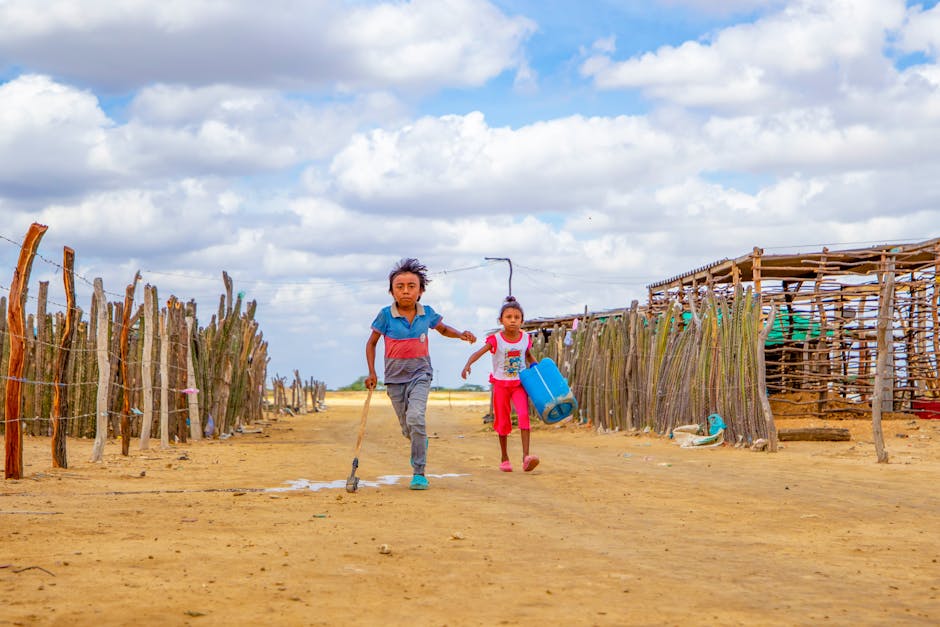
Manaure, Colombia’s Epic Salt Flats, Wayuu Culture & Desert Sunsets (2026)
While crowds flock to the beaches of Santa Marta, just 150 kilometers to the west, Manaure, Colombia delivers a landscape of stark, ethereal beauty without a single resort in sight. Here, the horizon is dominated by the blinding white expanse of the Salinas de Manaure, Colombia’s largest salt-producing complex, where the earth cracks into geometric patterns and mirages shimmer in the heat. This is the gateway to the Guajira Peninsula, a place where the resilient Wayuu culture thrives and the desert meets the Caribbean in a dramatic, unforgettable embrace.
Why Manaure, Colombia Stands Out

Two men walking through salt evaporation ponds in Manaure, Manaure, Colombia
- Historic Architecture: The town’s central church, Iglesia de San José, built in the early 20th century, stands as a testament to the region’s enduring faith amidst the harsh desert climate.
- Cultural Scene: The annual Festival de la Cultura Wayuu, often held in nearby Uribia, showcases the vibrant music, dance, and intricate *mochila* bag weaving of the indigenous people.
- Local Specialties: You must try *friche*, a hearty goat stew slow-cooked with local spices, considered a ceremonial dish by the Wayuu people.
Pro Tip: The absolute best time to visit is from December to April, during the dry season. Not only is the weather less punishing, but this is when the salt flats are at their most photogenic, with crystallized pools creating a mirror-like effect under the intense sun. Avoid the rainy season (September-November) when roads can become impassable.
Map of Manaure, Colombia
Use these interactive maps to explore Manaure, Colombia and plan your route:
📍 View Manaure, Colombia on OpenStreetMap
🗺️ Open Manaure, Colombia in Google Maps
Planning Your Trip: Practical Essentials
Getting There and Around
- By Air: The nearest major airport is Almirante Padilla International Airport (RCH) in Riohacha, about a 1.5-hour drive from Manaure. Avianca and LATAM offer connecting flights from Bogotá. From Riohacha, you’ll need to take a bus or arrange a private transfer. Book flights at Skyscanner for best deals.
- By Train: There are no passenger train services to La Guajira. Your journey will be entirely by road.
- By Car: Driving from Riohacha, take Highway 90 north. The road is paved but can be monotonous and hot; a 4×4 is essential if you plan to explore beyond Manaure into the deeper desert. Compare car rentals at RentalCars.com.
- Local Transport: Within town, moto-taxis are the most common and affordable way to get around for short trips (approx. 3,000-5,000 COP). For excursions to the salt flats or beyond, you must hire a local driver with a 4×4 vehicle through a tour operator or your accommodation.
Best Time to Visit
Manaure’s climate is hot and arid year-round, but timing your visit around the rain and wind patterns is crucial for a comfortable experience focused on the desert landscapes.
| Season | Weather | Highlights |
|---|---|---|
| Dry Season (Dec–Apr) | Intense sun, low humidity, temps 32-38°C (90-100°F). Very little rain. | Ideal for salt flat photography, desert excursions, and clear skies. Peak season for tourism. |
| Rainy Season (Sep–Nov) | Hot with sporadic heavy showers, temps 30-35°C (86-95°F). High humidity. | Lush(er) desert vegetation, fewer visitors. Major drawback: dirt roads can be washed out, limiting access. |
| Windy Season (May–Aug) | Very hot with constant strong winds, temps 34-40°C (93-104°F). | Good for kitesurfing in nearby Cabo de la Vela. Can be dusty and challenging for extended desert tours. |
Budgeting for Manaure, Colombia
Stunning view of Bolivar Square’s Capitolio Nacional with its neoclassical …, Manaure, Colombia
| Category | Budget | Mid-range | Luxury |
|---|---|---|---|
| Accommodation | 40,000 – 80,000 COP/night (basic hostel or hospedaje) | 120,000 – 250,000 COP/night (comfortable hotel with A/C) | 300,000+ COP/night (only available in Riohacha) |
| Meals | 15,000 – 25,000 COP (local eateries, set lunches) | 30,000 – 50,000 COP (restaurant meal) | 60,000+ COP (best restaurants in Riohacha) |
| Transport | 5,000 COP (moto-taxi rides), 20,000 COP (bus from Riohacha) | 150,000 – 300,000 COP/day (private 4×4 hire with driver) | 400,000+ COP/day (private tour with guide) |
| Activities | Free (town exploration, viewing salt flats from distance) | 80,000 – 150,000 COP (guided salt flat tour) | 200,000+ COP (multi-day desert & Cabo de la Vela tour) |
| Daily Total | 60,000 – 130,000 COP | 250,000 – 500,000 COP | 600,000+ COP |
Top Attractions and Must-See Sights
| Attraction | Description | Hours | Entry Fee |
|---|---|---|---|
| Salinas de Manaure | Vast, otherworldly salt flats where mountains of harvested salt create a surreal, monochromatic landscape against the blue sky. | Daylight hours; tours typically 8 AM – 3 PM | ~10,000 COP viewing fee; guided tours 80,000+ COP |
| Playa de Manaure | A stark, windswept beach where the desert meets the sea, offering solitude and dramatic views of the salt extraction infrastructure. | Always accessible | Free |
| Wayuu Community Visit | An immersive cultural experience in a local *ranchería* (community) to learn about traditions, weaving, and daily life. | By arrangement with a guide | ~50,000 – 100,000 COP (includes donation) |
| Mercado Central | The town’s bustling market, best for observing local life and finding fresh produce, simple goods, and perhaps a hand-woven Wayuu *mochila*. | 6 AM – 2 PM (most active) | Free |
3-Day Itinerary: Manaure, Colombia’s Highlights & Hidden Gems
Day 1: Salt & The Sea
- Morning (7-9 AM): Start early with a guided tour of the **Salinas de Manaure**. The morning light is perfect for photography, and you’ll avoid the peak heat. Your guide will explain the centuries-old salt extraction process.
- Afternoon (12-3 PM): Head to the stark **Playa de Manaure** for a picnic lunch (pack water and snacks). Afterwards, visit a small-scale salt cooperative to see the process up close and purchase natural salt as a souvenir.
- Evening (6-8 PM): Enjoy a simple dinner of fresh fish or *friche* at a local eatery like **Comedor Doña Rosa** near the market. As the sun sets, find a spot on the edge of town to watch the sky turn brilliant orange over the desert.
Day 2: Wayuu Culture & Desert Life
- Morning (8 AM): Arrange a half-day visit to a **Wayuu *ranchería*** (approx. 100,000 COP including transport). You’ll be welcomed, learn about their matrilineal society, and see the intricate craft of *mochila* weaving.
- Afternoon (1 PM): Have lunch with the community (often included) and then return to town. Visit the **Mercado Central** to see if you can spot the vibrant textiles and crafts.
- Evening (6 PM): For a more substantial meal, try **Restaurante El Pilón** for its grilled meats and local dishes. Ask about any informal *vallenato* music gatherings that might be happening—this folk music is the soul of the region.
Day 3: Journey to the Edge
- Morning (7 AM): Hire a 4×4 with a driver (from 300,000 COP for the day) for the epic journey north to **Cabo de la Vela**. The 2.5-hour drive through the desert is an adventure in itself.
- Afternoon (12 PM): Arrive at Cabo de la Vela, a sacred site for the Wayuu. Climb **El Faro** (the lighthouse) for breathtaking views, then have a late lunch of lobster (a local specialty) at a rustic *posada* like **Hospedaje Jarrinapi**.
- Evening (5 PM): Relax at **Playa Ojo de Agua** for a swim before the drive back to Manaure. Your final evening is best spent reflecting on the stark beauty you’ve witnessed over a cold beer.
Cultural Insights & Etiquette
- Language: Spanish is essential. Very little English is spoken. Learn key phrases: “*¿Cuánto cuesta?*” (How much?), “*Gracias*” (Thank you). The Wayuu have their own language, Wayuunaiki.
- Customs: The Wayuu are a private people. Always ask permission before taking photographs of individuals. When visiting a *ranchería*, a small gift (like fruit or school supplies) is a respectful gesture.
- Tipping: Not universally expected but appreciated. Round up taxi fares, leave 5-10% in sit-down restaurants if service was good. Tip tour guides and drivers directly.
- Dress Code: Dress modestly, especially in rural areas and when visiting Wayuu communities. Light, loose, breathable clothing that covers shoulders and knees is both respectful and practical for the sun.
- Business Hours: Expect a midday siesta where many shops close from about 12 PM to 3 PM. Government hours are typically 8 AM-12 PM and 2 PM-6 PM. Sunday is very quiet.
Where to Eat: Manaure, Colombia’s Best Bites
Dining in Manaure is about authentic, hearty fuel for the desert climate. You won’t find fine dining, but you will find flavorful, traditional cooking centered around goat, fish, corn, and beans. Most eateries are simple *comedores* (dining rooms).
Must-Try Local Specialties
- Friche: The iconic dish of La Guajira: goat meat (including offal) chopped, seasoned, and slow-cooked until tender. It’s rich, gamey, and a true cultural experience. Try it at a local *comedor*.
- Arroz de Liza: Rice cooked with *liza* (mullet fish), coconut milk, and vegetables, showcasing the coastal-desert fusion. Look for it as a daily special.
- Arepa de Huevo: A deep-fried corn cake with an egg cooked inside, a popular Colombian street food snack perfect for a quick bite.
Restaurant Recommendations by Budget
| Type | Restaurant | Specialty | Price Range |
|---|---|---|---|
| Budget | Comedor Doña Rosa (near market) | Daily set lunches (*almuerzo corriente*) with soup, protein, rice, and juice. | 15,000 – 20,000 COP |
| Mid-range | Restaurante El Pilón (Main street) | Grilled meats, whole fish, and a slightly more varied menu in a simple setting. | 25,000 – 45,000 COP |
| Fine dining | *Not available in Manaure. For a special meal, travel to Riohacha for options like Restaurante Bar Mar y Sol.* | Seafood platters and international fusion. | 60,000+ COP |
Where to Stay
Accommodation in Manaure is functional rather than luxurious, focused on providing a cool, clean place to sleep after a day of exploration. Most options are small hotels or *hospedajes* (guesthouses). For more variety, many travelers base themselves in Riohacha and visit Manaure on a day trip. Compare prices and book at Booking.com or Airbnb for apartments (more common in Riohacha).
Best Neighborhoods for Accommodation
- Central Manaure: Staying near the main plaza or market puts you within walking distance of basic services, eateries, and transport hubs. It’s noisy but convenient. Best for independent travelers on a tight budget.
- Outskirts of Town: A few quieter guesthouses on the edges of town offer more peace and sometimes better views of the surrounding landscape. You’ll be more reliant on moto-taxis.
- Riohacha (Alternative Base): The departmental capital, 1.5 hours south, offers every tier of accommodation, from hostels to upscale beachfront hotels. This is your best bet for comfort, dining variety, and organizing tours, though you’ll commute to the sights.

Charming Casa Santa Clara nestled in lush Colombian mountains with misty la…, Manaure, Colombia
FAQs: Your Manaure, Colombia Questions Answered
1. Is Manaure, Colombia safe at night?
Manaure is generally safe, but it is a small, remote town. Exercise standard precautions: avoid walking alone in poorly lit, deserted areas at night, keep valuables secure, and be aware of your surroundings. Petty theft can occur. Most activity winds down early. Your main safety concern will be road safety if driving in the desert.
2. What currency is used and are credit cards accepted?
The Colombian Peso (COP) is the currency. Carry ample **cash** in small denominations. Credit cards are rarely accepted outside of maybe one or two hotels in Riohacha. ATMs in Manaure can be unreliable, so withdraw cash in Riohacha before arriving.
3. How do I get from the airport to Manaure?
From Riohacha’s Almirante Padilla Airport (RCH), take a taxi to the main bus terminal (approx. 15,000 COP). From there, catch a *colectivo* (shared van) or bus to Manaure (approx. 20,000 COP, 1.5 hours). For direct, hassle-free service, you can pre-book a private transfer. Book airport transfers at GetYourGuide for convenience.

