
Malolotja Nature Reserve, Eswatini: Essential Wilderness, Waterfalls & Ancient Geology (2025)
Malolotja Nature Reserve, Eswatini isn’t just a destination—it’s a living geological museum where ancient mountains whisper secrets to the wind. The crisp highland air carries scents of wild sage as malachite sunbirds dart between protea blossoms, while distant waterfalls echo through deep ravines. This is Southern Africa’s last great wilderness frontier, where nature commands center stage in its most dramatic form.
Why Malolotja Nature Reserve, Eswatini Stands Out

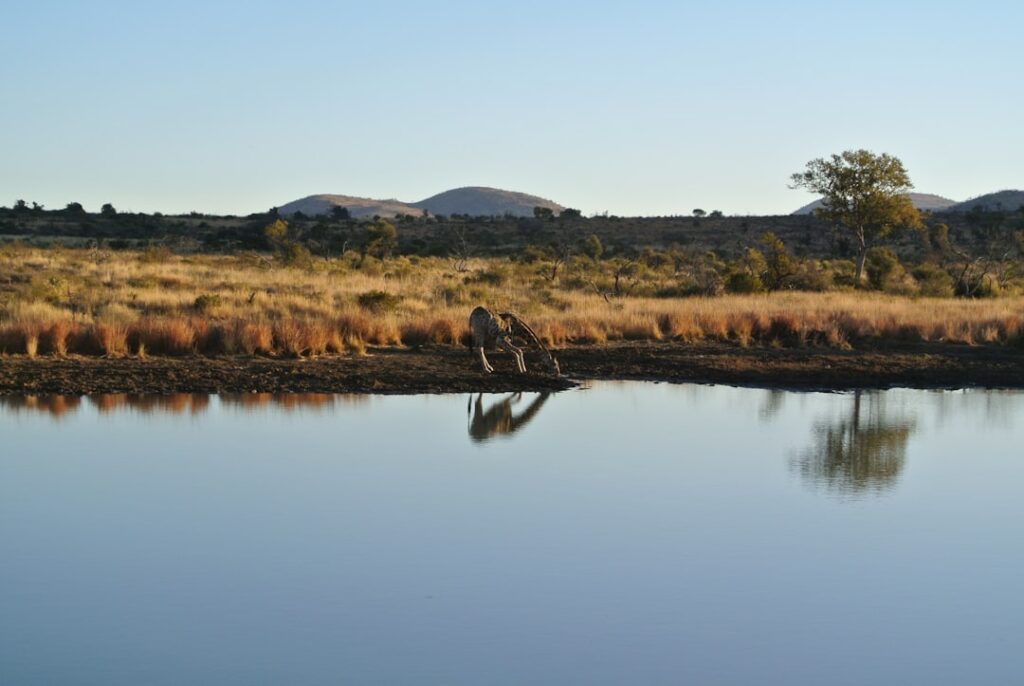
Green tree on brown grass field during daytime, Malolotja Nature Reserve, Eswatini
- Historic Architecture: Ancient Ngwenya Iron Ore Mine dating to 43,000 BCE, Africa’s oldest known mining site where early humans extracted red ochre and iron ore.
- Cultural Scene: Annual Incwala Ceremony in December/January, the sacred “First Fruits” celebration where the King leads traditional dances and rituals marking the new year.
- Local Specialties: Sishwala, a thick maize porridge served with succulent stewed meat and indigenous leafy vegetables like ligusha, providing authentic Swazi sustenance.
Pro Tip: Visit during late April to early May when the autumn colors peak, temperatures are ideal for hiking (15-25°C), and the summer rains have filled the waterfalls while crowds have thinned—perfect for photography and wildlife spotting without the humidity.
Map of Malolotja Nature Reserve, Eswatini
Use these interactive maps to explore Malolotja Nature Reserve, Eswatini and plan your route:
📍 View Malolotja Nature Reserve, Eswatini on OpenStreetMap
🗺️ Open Malolotja Nature Reserve, Eswatini in Google Maps
Planning Your Trip: Practical Essentials
Getting There and Around
- By Air: King Mswati III International Airport (SHO) in Manzini, served by Airlink from Johannesburg. Transfer via rental car (1.5 hours) or pre-booked shuttle (E500 per person). Book flights at Skyscanner for best deals.
- By Train: No direct rail service to Malolotja; nearest station is in Matsapha (2 hours away) with limited connections. Reserve tickets at Trainline or the national railway website.
- By Car: From Mbabane take MR1 to MR3, then follow signs to Malolotja; 4WD recommended for rainy season. Parking E20/day. Compare car rentals at RentalCars.com.
- Local Transport: Limited public transport; best to hire local guide with vehicle (E800/day) or join organized tours from Mbabane. Check official city transport websites for passes and schedules.
Best Time to Visit
Malolotja’s highland climate offers distinct seasonal experiences, with dry winter months ideal for hiking and summer bringing lush landscapes and dramatic waterfalls.
| Season | Weather | Highlights |
|---|---|---|
| Summer (Jun–Aug) | 10-22°C, dry and sunny | Best hiking conditions, excellent wildlife viewing, minimal rain, moderate crowds |
| Winter (Dec–Feb) | 15-28°C, afternoon thunderstorms | Waterfalls at peak flow, lush vegetation, bird breeding season, fewer visitors |
| Shoulder (Apr–May/Sep–Oct) | 12-25°C, mild with occasional rain | Autumn colors or spring wildflowers, comfortable temperatures, ideal photography light |
Budgeting for Malolotja Nature Reserve, Eswatini

Green and brown trees near body of water during daytime, Malolotja Nature Reserve, Eswatini
| Category | Budget | Mid-range | Luxury |
|---|---|---|---|
| Accommodation | E300-500 camping | E800-1200 self-catering chalets | E2000+ luxury lodges |
| Meals | E50-100 self-catering | E150-250 local restaurants | E400+ lodge dining |
| Transport | E100 public kombis | E500 rental car/day | E1500 private guide |
| Activities | E50 reserve entry | E300 guided hikes | E800 canopy tour |
| Daily Total | E500-750 | E1750-2250 | E4700+ |
Top Attractions and Must-See Sights
| Attraction | Description | Hours | Entry Fee |
|---|---|---|---|
| Malolotja Falls | Eswatini’s highest waterfall plunging 95 meters into a pristine gorge with rainbow mists | Sunrise to sunset | E50 adults |
| Ngwenya Mine | World’s oldest known mine with archaeological evidence of 43,000-year-old mining operations | 9 AM-4 PM | E80 guided tour |
| Malolotja Canopy Tour | Thrilling 11-platform zipline adventure through ancient forest treetops with eagle-eye views | 8 AM-3 PM | E795 per person |
| Majolomba Loop Trail | Moderate 8km hike through wildflower meadows with zebra and antelope sightings | 6 AM-5 PM | Included in entry |
3-Day Itinerary: Malolotja Nature Reserve, Eswatini’s Highlights & Hidden Gems
Day 1: Waterfalls & Wilderness Introduction
- Morning: 7 AM Malolotja Falls hike from main camp (3 hours round trip). The morning light creates spectacular rainbows in the waterfall mist—bring waterproof camera protection.
- Afternoon: Picnic lunch at Mantenga Falls viewpoint and visit to nearby Swazi Cultural Village for traditional dancing (E120 entry). Try the authentic sishwala with beef stew at the cultural village restaurant.
- Evening: Sunset game drive (E350) spotting rare blue swallows and mountain reedbuck followed by dinner at Malolotja Restaurant featuring umncwebo (dried meat) and fresh maize bread.
Day 2: Ancient History & Adrenaline Adventures
- Morning: 8:30 AM Ngwenya Mine guided tour (E80) – wear closed shoes as the archaeological site has sharp rocks and bring water as no facilities available.
- Afternoon: Malolotja Canopy Tour (E795) with 11 ziplines over forest gorges and lunch at the canopy tour cafe featuring freshly made vetkoek (fried bread) with mince.
- Evening: Traditional braai (barbecue) at your accommodation with local boerewors sausage purchased from Mbabane market (E45/kg) and star-gazing in the pristine dark sky reserve.
Day 3: Highland Exploration & Cultural Immersion
- Morning: 4WD transfer to Logwaja viewpoint (E400) for panoramic views across four countries. The quartzite rock formations date back 3.5 billion years—some of Earth’s oldest surface rocks.
- Afternoon: Visit to nearby Mbabane Market for handicrafts and lunch at eDladleni Restaurant sampling emahewu (fermented maize drink) and sidlwadlwa pumpkin leaves with peanut sauce.
- Evening: Farewell sundowners at Hawane Resort overlooking the reserve (E95 for local Sibebe beer) with final wildlife spotting as antelope come to water at dusk.
Cultural Insights & Etiquette
- Language: Learn basic siSwati greetings: “Sawubona” (hello), “Ngiyabonga” (thank you); English widely understood in tourist areas but appreciated in rural communities
- Customs: Always ask permission before photographing people; use right hand for giving/receiving items; avoid pointing with index finger—use whole hand
- Tipping: 10% in restaurants if service charge not included; E20-50 for guides; round up taxi fares; not expected for casual services
- Dress Code: Modest clothing appreciated, especially when visiting communities; sturdy hiking boots essential for trails; warm layers for cool evenings
- Business Hours: Reserve gates 6 AM-6 PM; shops 8 AM-5 PM weekdays, 8 AM-1 PM Saturdays; most businesses closed Sunday
Where to Eat: Malolotja Nature Reserve, Eswatini’s Best Bites
Eswatini’s cuisine reflects its agricultural heritage with maize as the staple, complemented by free-range meats, wild greens, and seasonal fruits. Dining ranges from simple roadside stalls to sophisticated lodge restaurants blending traditional flavors with modern techniques.
Must-Try Local Specialties
- Sishwala: Thick maize porridge served with meat or vegetable stew; best at Swazi Cultural Village restaurant or family-run stalls near Mbabane market
- Umncwebo: Sun-dried game meat similar to biltong but with traditional spices; find authentic versions at Hawane Resort or from vendors along MR1 highway
- Emasi etinkhobe temmbila: Sour milk with crushed maize; refreshing traditional summer dish available at eDladleni Restaurant in Mbabane
Restaurant Recommendations by Budget
| Type | Restaurant | Specialty | Price Range |
|---|---|---|---|
| Budget | Mbabane Market Food Stalls | Fresh roasted mealies and boerewors rolls | E25-50 |
| Mid-range | Malolotja Reserve Restaurant | Traditional Swazi buffet with game meats | E150-250 |
| Fine dining | Mountain Inn Mbabane | Fusion cuisine with local ingredients | E350-500 |
Where to Stay
Accommodation ranges from basic camping to luxury lodges, with most options clustered near the reserve entrance or in nearby Mbabane. Book well in advance during peak seasons (June-August and December). Compare prices and book at Booking.com or Airbnb for apartments.
Best Neighborhoods for Accommodation
- Malolotja Reserve: Wilderness immersion with chalets and camping, ideal for early hikers but limited amenities; perfect for nature purists
- Mbabane: Capital city 45 minutes away with full services, restaurants, and shopping; best for those wanting comfort and convenience
- Hawane Area: Scenic valley between reserve and city with mid-range resorts; optimal balance of nature access and facilities

A group of trees, Malolotja Nature Reserve, Eswatini
FAQs: Your Malolotja Nature Reserve, Eswatini Questions Answered
1. Is Malolotja Nature Reserve, Eswatini safe at night?
Within the reserve, night safety is excellent with minimal crime but wildlife precautions are essential—never walk alone after dark and use provided flashlights. In surrounding areas, standard precautions apply: avoid isolated areas, secure valuables, and use registered taxis after dark.
2. What currency is used and are credit cards accepted?
Eswatini Lilangeni (E) pegged 1:1 with South African Rand (both accepted). Credit cards accepted at larger lodges and Mbabane establishments, but carry cash for park entry, rural areas, and small vendors. ATMs available in Mbabane and Manzini.
3. How do I get from the airport to the city center?
King Mswati III Airport to Mbabane takes 1.5 hours by pre-booked shuttle (E500-700) or rental car. No reliable public transport; taxis charge E800-1000. Book airport transfers at GetYourGuide for convenience.
4. Do I need to speak the local language?
English is an official language and widely spoken in tourism. Learning basic siSwati greetings (“Sawubona” for hello, “Ngiyabonga” for thank you) is appreciated but not essential. Reserve staff and guides all speak fluent English.
5. What’s the appropriate dress code?
Practical hiking attire in the reserve (sturdy shoes, layers, rain jacket); modest casual wear in towns (avoid very short shorts or revealing tops); smart casual for nicer restaurants. Neutral colors recommended for wildlife viewing.
Final Thoughts: Malolotja Nature Reserve, Eswatini Awaits
Malolotja represents one of Southern Africa’s last truly wild frontiers, offering an authentic wilderness experience without the crowds of more famous parks. From walking ancient geological formations to witnessing traditional Swazi culture, this reserve provides profound connections to both natural and human history. The combination of dramatic landscapes, rich biodiversity, and cultural authenticity creates a travel experience that stays with you long after you’ve left these misty mountains. Come prepared for adventure, bring your sense of wonder, and leave with memories of one of Africa’s best-kept secrets.
Keywords
Malolotja Nature Reserve, Eswatini travel guide, Malolotja Nature Reserve, Eswatini attractions, things to do in Malolotja Nature Reserve, Eswatini, Malolotja Nature Reserve, Eswatini itinerary, Malolotja Nature Reserve, Eswatini restaurants, Malolotja Nature Reserve, Eswatini hotels, visit Malolotja Nature Reserve, Eswatini, Malolotja Nature Reserve, Eswatini tourism, Malolotja Nature Reserve, Eswatini vacation, Malolotja Nature Reserve, Eswatini trip planning

