
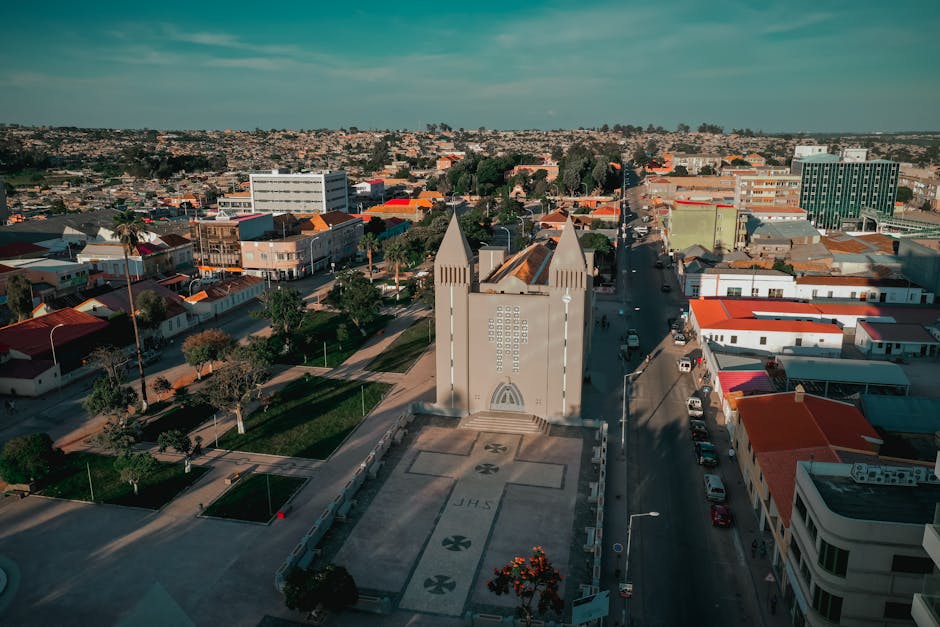
Malanje, Angola’s Best Waterfalls, Rock Art & Colonial Echoes (2025)
Just after dawn, the roar of Kalandula Falls echoes across the plateau, sending a permanent mist into the air that nourishes a lush micro-forest. This is the second-largest waterfall in Africa by volume, yet fewer than 5,000 international tourists witness its 105-meter cascade each year. While visitors flock to Luanda’s coastline, Malanje offers a profound journey into Angola’s verdant interior, where ancient Tchokwe rock art adorns sacred caves and the ghosts of the coffee boom linger in faded colonial architecture.
Why Malanje, Angola Stands Out
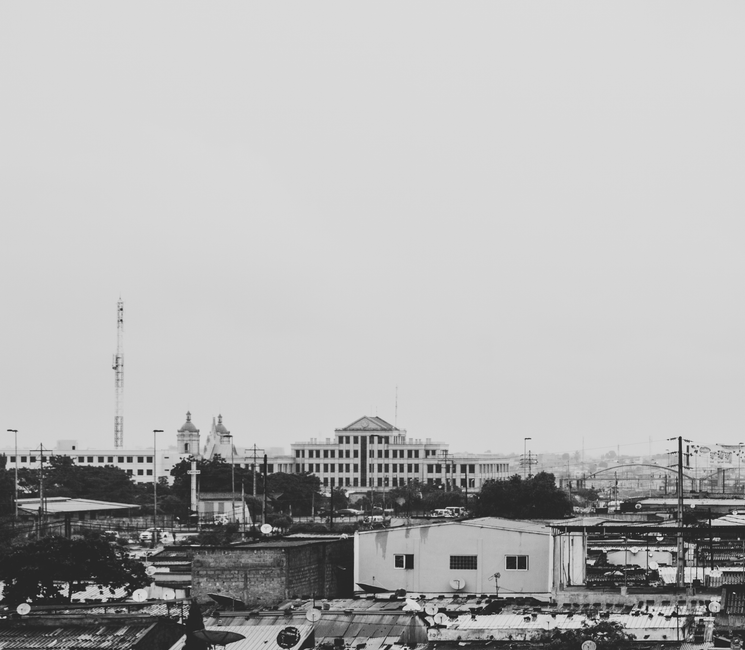
Black and white view of Angola’s urban cityscape with distinctive architecture., Malanje, Angola
- Historic Architecture: The Palácio do Governo, built in 1927, is a striking pink neoclassical building that stands as a testament to the region’s once-thriving coffee economy.
- Cultural Scene: The annual Mucanda Festival celebrates local traditions with masked dancers (Makishi) and storytelling, a vibrant display of Lunda-Cokwe heritage.
- Local Specialties: You must try Muamba de Galinha, a rich, red palm oil stew with chicken, okra, and garlic, served with funge (cassava porridge).
Pro Tip: The absolute best time to visit is from May to August, during the dry season. The roads to the major attractions like Kalandula Falls and Pungo Andongo are passable, the skies are clear, and the waterfall is at its most powerful yet accessible. Arrive at the falls before 9 AM to have the viewing platforms to yourself before the day-trippers arrive.
Map of Malanje, Angola
Use these interactive maps to explore Malanje, Angola and plan your route:
📍 View Malanje, Angola on OpenStreetMap
🗺️ Open Malanje, Angola in Google Maps
Planning Your Trip: Practical Essentials
Getting There and Around
- By Air: Malanje Airport (MEG) receives daily TAAG Angola Airlines flights from Luanda (45 mins). A taxi from the airport to the city center costs around 3,000 AOA. Book flights at Skyscanner for best deals.
- By Train: The Benguela Railway offers a scenic, historic route from Luanda to Malanje, but services are infrequent and slow (approx. 12+ hours). It’s an adventure for rail enthusiasts. Check with CFB (Caminho de Ferro de Benguela) for current schedules.
- By Car: The EN-230 from Luanda is the main paved route (approx. 6-7 hours drive). Renting a 4×4 is highly recommended for exploring sites outside the city. Compare car rentals at RentalCars.com.
- Local Transport: Candongueiros (shared minibuses) are the main public transport within the city (200-500 AOA per ride). For day trips, hiring a private taxi or driver-guide for the day is your most reliable option (expect 25,000-40,000 AOA).
Best Time to Visit
Malanje’s climate is tropical savanna, with a distinct wet and dry season. Timing your visit is crucial for accessing its natural wonders comfortably.
| Season | Weather | Highlights |
|---|---|---|
| Dry Season (May–Aug) | Sunny, warm days (20-28°C), cool nights, very low rainfall. | Ideal for all outdoor activities; Kalandula Falls is majestic; roads are in best condition; peak season for domestic tourism. |
| Wet Season (Nov–Mar) | Hot, humid (25-32°C) with heavy afternoon thunderstorms. | Landscape is incredibly lush and green; fewer visitors; some roads may be impassable and leeches can be present on trails. |
| Shoulder (Apr/ Sep–Oct) | Transitional; warm with increasing (Apr) or decreasing (Sep) rain. | Good balance of accessibility and greenery; lower accommodation rates; a gamble with weather, but often rewarding. |
Budgeting for Malanje, Angola
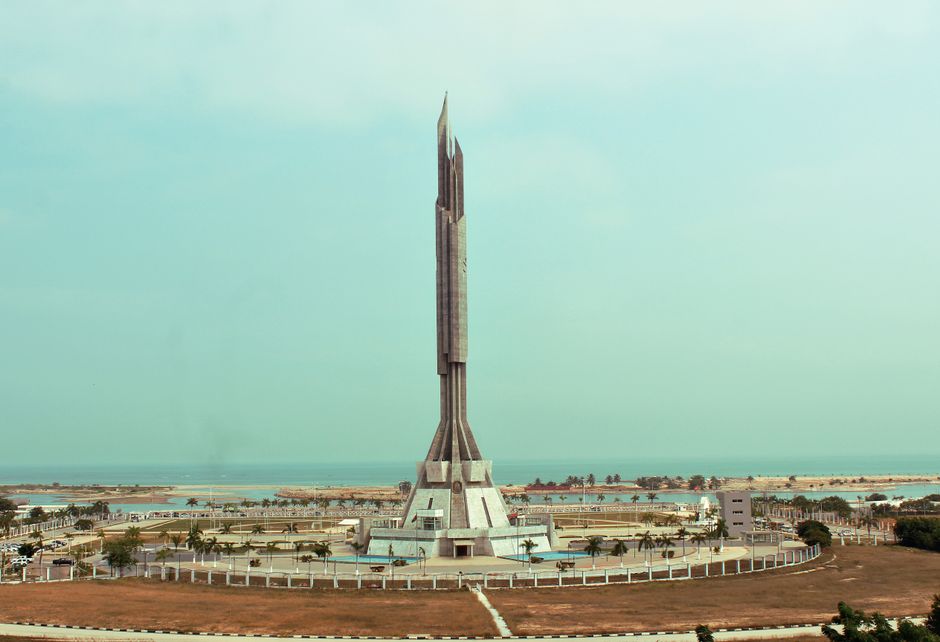
A striking view of the Mausoleum of Neto in Luanda, Malanje, Angola
| Category | Budget | Mid-range | Luxury |
|---|---|---|---|
| Accommodation | Guesthouse: 8,000-15,000 AOA/night | Hotel: 25,000-40,000 AOA/night | Lodge: 60,000+ AOA/night |
| Meals | Street food/ local eatery: 1,500-3,000 AOA | Restaurant: 5,000-8,000 AOA | Fine dining (limited): 12,000+ AOA |
| Transport | Candongueiros: 500 AOA/ride | Private taxi day trip: 35,000 AOA | Private car & driver: 60,000+ AOA/day |
| Activities | City sights, market: Free-2,000 AOA | Guided tour to Falls: 10,000 AOA | Private guided cultural tour: 25,000+ AOA |
| Daily Total | 12,000-20,000 AOA | 50,000-80,000 AOA | 100,000+ AOA |
Top Attractions and Must-See Sights
| Attraction | Description | Hours | Entry Fee |
|---|---|---|---|
| Kalandula Falls | Breathtaking 105m-wide curtain waterfall on the Lucala River, surrounded by dense rainforest. | Sunrise to Sunset | 500 AOA per person |
| Pedras Negras de Pungo Andongo | Otherworldly black rock formations, a historic Mbundu kingdom stronghold with stunning views. | 8 AM – 5 PM | 1,000 AOA |
| Museu Regional de Malanje | Insightful museum detailing local ethnography, the slave trade, and the region’s coffee history. | Mon-Fri 9 AM-4 PM | 200 AOA |
| Capanda Dam | One of Africa’s largest hydroelectric dams; an impressive feat of modern engineering on the Kwanza River. | Viewpoints always accessible | Free |
3-Day Itinerary: Malanje, Angola’s Highlights & Hidden Gems
Day 1: Colonial History & City Pulse
- Morning (7-9 AM): Start with a walk through the city center. Admire the pink Palácio do Governo and the Igreja Matriz cathedral. The light is perfect for photography, and the city is quietly waking up.
- Afternoon (12-3 PM): Visit the Museu Regional de Malanje (200 AOA). For lunch, head to Restaurante Miradouro for their excellent grilled fish with pirão (5,000 AOA).
- Evening (6-8 PM): Stroll through the Mercado Municipal for local crafts. Enjoy dinner at Churrascaria Palanca, known for its hearty Angolan barbecue (7,000 AOA).
Day 2: Natural Wonder Day Trip
- Morning (7 AM): Depart early for Kalandula Falls (2-hour drive). Hire a local guide at the entrance (5,000 AOA) to take you to the best viewpoints at the top and bottom of the falls.
- Afternoon (1 PM): Enjoy a packed lunch by the misty pools. On the return journey, stop at the Capanda Dam viewpoint for a dramatic contrast of natural and man-made power.
- Evening (7 PM): Return to Malanje. For a relaxed evening, dine at your hotel or try Restaurante Kileva for a more intimate setting.
Day 3: Ancient Rocks & Cultural Depths
- Morning (8 AM): Drive to the Pedras Negras de Pungo Andongo (1.5 hours, 1,000 AOA entry). Climb the “Royal Path” for panoramic views and look for Queen Nzinga’s legendary footprint in the stone.
- Afternoon (1 PM): Have lunch at a simple local stall near the rocks, trying calulu (dried fish stew). Visit a nearby community to see traditional basket weaving.
- Evening (6 PM): Back in Malanje, savor a final feast at Esplanada Miradouro da Lua, enjoying the sunset over the city with a cold Cuca beer.
Cultural Insights & Etiquette
- Language: Portuguese is the official language. Learning a few phrases like “Bom dia” (Good morning) and “Obrigado/a” (Thank you) is appreciated. Umbundu and Kimbundu are also widely spoken locally.
- Customs: Greetings are important. Always shake hands. Use titles like “Senhor” (Mr.) or “Senhora” (Mrs.) when addressing elders. Ask permission before photographing people.
- Tipping: Not mandatory but appreciated. In restaurants, 5-10% is generous if service isn’t included. Tip guides and drivers directly at the end of a service.
- Dress Code: Dress modestly, especially outside the city. For churches and rural villages, avoid shorts and sleeveless tops. Practical, comfortable clothing and sturdy shoes are essential for exploring natural sites.
- Business Hours: Shops generally open 8 AM-12 PM and 2 PM-6 PM. Government offices and museums often close for a long lunch (12-2 PM). Many businesses are closed on Sunday.
Where to Eat: Malanje, Angola’s Best Bites
Malanje’s cuisine is hearty and flavorful, centered on staples like cassava, beans, rice, and palm oil. Dining is a social affair, and you’ll find the best meals are often in unassuming local establishments. Don’t be afraid to ask for recommendations—locals are proud of their food.
Must-Try Local Specialties
- Muamba de Galinha: The national dish. A fragrant, red stew of chicken, okra, pumpkin, and palm oil. Try it at any traditional restaurant like Churrascaria Palanca.
- Funge: A smooth, dough-like side made from cassava flour, served with almost every stew. It’s eaten by hand—a local will happily show you how.
- Mufete: A festive dish of grilled fish (often fresh from the Kwanza River), beans, boiled plantain, and sweet potato. Best enjoyed at weekend gatherings.
Restaurant Recommendations by Budget
| Type | Restaurant | Specialty | Price Range |
|---|---|---|---|
| Budget | Mercado Municipal Food Stalls (City Market) | Fresh grilled meat skewers, beans and rice | 1,000 – 2,500 AOA |
| Mid-range | Restaurante Miradouro (City Center) | Portuguese-Angolan fusion, great seafood | 5,000 – 9,000 AOA |
| Fine dining | Hotel Giesta’s Restaurant (Hotel Giesta) | International cuisine with local touches in a formal setting | 12,000 – 20,000 AOA |
Where to Stay
Accommodation in Malanje ranges from basic guesthouses to a few comfortable hotels. There are no large international chains here, which adds to the authentic feel. For longer stays, apartments can be found. Compare prices and book at Booking.com or Airbnb for apartments.
Best Neighborhoods for Accommodation
- City Center: The most convenient area, close to restaurants, the market, and museums. You’ll hear more city noise, but everything is walkable. Best for first-time visitors.
- Along the Estrada Nacional: Several hotels are located on the main road into town. These offer more space, parking, and quiet, but require short taxi rides to the center.
- Near Kalandula: A few basic guesthouses and lodges exist near the falls for those wanting to wake up to the sound of rushing water, though amenities are very simple.

Stunning drone shot of Luanda’s beachfront showing breakwater and turquoise…, Malanje, Angola
FAQs: Your Malanje, Angola Questions Answered
1. Is Malanje, Angola safe at night?
Malanje is generally safe, but common sense precautions are essential. Avoid walking alone in poorly lit areas at night. Keep valuables discreet and use registered taxis for evening transport. Petty crime like pickpocketing can occur in crowded markets. The areas around major tourist sites are typically safe during daylight hours.
2. What currency is used and are credit cards accepted?
The Angolan Kwanza (AOA) is the currency. Carry plenty of cash, as credit cards are rarely accepted outside of major hotels in Luanda. In Malanje, you will operate almost entirely on cash. There are ATMs in the city center (Banco de Fomento Angola, BAI), but they can be unreliable. It’s best to withdraw or exchange money in Luanda before traveling.
3. How do I get from the airport to the city center?
Malanje Airport (MEG) is small and close to the city. Your best options are a pre-arranged hotel pickup or a taxi from the rank outside arrivals. The fixed fare is approximately 3,000 AOA for the 10-minute journey. There is no public bus service. Book airport transfers at GetYourGuide for convenience.
4. Do I need to speak the local language?
You can manage with Portuguese. English is not widely spoken. Learning basic Portuguese phrases will dramatically improve your experience. Locals are patient and will try to communicate. Having a translation app on your phone is a savvy traveler’s backup plan.
5. What’s the appropriate dress code?
Dress is generally casual but conservative. For city exploring, light, breathable fabrics are key. For visiting natural sites like Pungo Andongo or the falls, wear sturdy, closed-toe shoes with good grip, long pants to protect from vegetation, and a hat. Always carry a light rain jacket, as weather can change quickly.
Final Thoughts: Malanje, Angola Awaits
Malanje offers a rare and raw slice of Angola beyond the capital. It’s a destination for travelers who seek the profound beauty of nature over polished

