
Makgadikgadi Pans, Botswana’s Ultimate Solitude, Stars & Ancient Migration (2026)
What if you could stand in a silence so profound you hear your own heartbeat, on a salt-crusted plain so vast it’s visible from space? The Makgadikgadi Pans, a 12,000 sq km network of ancient salt flats in Botswana, offers this exact experience. Once part of a superlake larger than Switzerland, it’s now a stark, beautiful wilderness where the horizon stretches uninterrupted and the night sky blazes with a clarity found almost nowhere else on Earth. This isn’t a typical safari; it’s a journey into profound emptiness and epic scale.
Why Makgadikgadi Pans, Botswana Stands Out

Herd of wildebeest walking across dry savanna landscape, Makgadikgadi Pans, Botswana
- Historic Architecture: The ancient baobabs of Kubu Island, some over 1,000 years old, stand like silent sentinels amidst the pans, surrounded by Stone Age tools and middens that whisper of human history dating back millennia.
- Cultural Scene: The annual zebra and wildebeest migration, second only to the Serengeti’s in scale, sees over 30,000 animals moving across the grasslands from December to April, a thunderous spectacle of life.
- Local Specialties: Don’t miss a traditional *braai* (barbecue) under the stars, where local guides often cook fresh game like springbok or kudu, served with *pap* (maize porridge) and stories.
Pro Tip: Your experience is dictated entirely by the season. For the surreal, cracked-earth salt pan experience and epic stargazing, visit in the dry season (May to October). To witness the green miracle of the migration and see flamingos on the shallow waters, plan for the rainy season (December to March). There is no “bad” time, only different worlds.
Map of Makgadikgadi Pans, Botswana
Use these interactive maps to explore Makgadikgadi Pans, Botswana and plan your route:
📍 View Makgadikgadi Pans, Botswana on OpenStreetMap
🗺️ Open Makgadikgadi Pans, Botswana in Google Maps
Planning Your Trip: Practical Essentials
Getting There and Around
- By Air: Most travelers fly into Maun (MUB) or Kasane (BBK) international airports. From Maun, you can catch a charter flight (approx. 45 mins, from $250 one-way) to a private airstrip near your lodge, like Jack’s Camp or San Camp. Book flights at Skyscanner for best deals.
- By Train: Botswana has no passenger rail service to the pans. All access is by air or 4×4 vehicle.
- By Car: A fully equipped 4×4 with high clearance, GPS, and at least two spare tires is non-negotiable for self-drive. The main access is via the Nata-Maun road, turning off at Gweta. You’ll need to deflate tires for pan driving. Compare 4×4 rentals in Maun at RentalCars.com.
- Local Transport: There is no public transport. Your options are guided tours from Maun (the most common and recommended), private transfers arranged by your lodge, or a self-drive expedition.
Best Time to Visit
The “best” time depends on the spectacle you seek. The dry season offers the classic, otherworldly salt pan vistas and incredible accessibility for quad biking. The wet season transforms the landscape into a lush, animal-rich paradise, but some areas become inaccessible.
| Season | Weather | Highlights |
|---|---|---|
| Dry Season (May–Oct) | Sunny days (20-30°C), cold nights (can drop to 0°C). No rain. | Quad biking on pans, epic stargazing, visiting Kubu Island, meerkat encounters. Peak season for lodges. |
| Wet Season (Dec–Mar) | Hot (30-40°C) with afternoon thunderstorms. High humidity. | The great zebra migration, flamingo colonies, lush green landscapes, birdwatching. Fewer tourists but some lodges closed. |
| Shoulder (Apr & Nov) | Transitional; unpredictable. Can be very hot or see early/late rains. | Potential for both dry pan and green scenery. Lower rates and fewer visitors. A bit of a gamble. |
Budgeting for Makgadikgadi Pans, Botswana

A meerkat stands alert in tall dry grass., Makgadikgadi Pans, Botswana
| Category | Budget | Mid-range | Luxury |
|---|---|---|---|
| Accommodation | Camping (self-drive) ~$15-30 pp/night | Lodge package ~$400-600 pp/night | Premium safari camp ~$800-1500+ pp/night |
| Meals | Self-catered camp meals | Included in most lodge rates | Gourmet meals with fine wines included |
| Transport | 4×4 rental ~$120-200/day + fuel | Charter flight transfers ~$500 return | Private charter & guide included |
| Activities | Self-guided pan driving | Guided game drives, walks (~$50-100/activity) | All-inclusive: quad biking, meerkat habituation, sleep-outs |
| Daily Total | $150-300 (self-drive) | $500-800 (all-inclusive lodge) | $1000+ (ultra-luxury) |
Top Attractions and Must-See Sights
| Attraction | Description | Hours | Entry Fee |
|---|---|---|---|
| Kubu Island | A granite rock island adorned with ancient baobabs and archaeological sites, offering surreal sunrise views over the pan. | Daylight hours | ~$10 per person (community fee) |
| Quad Biking on Ntwetwe Pan | An exhilarating ride across the endless salt crust, best at sunset for phenomenal colors and solitude. | Sunrise or sunset tours (2-3 hrs) | ~$100-150 per person |
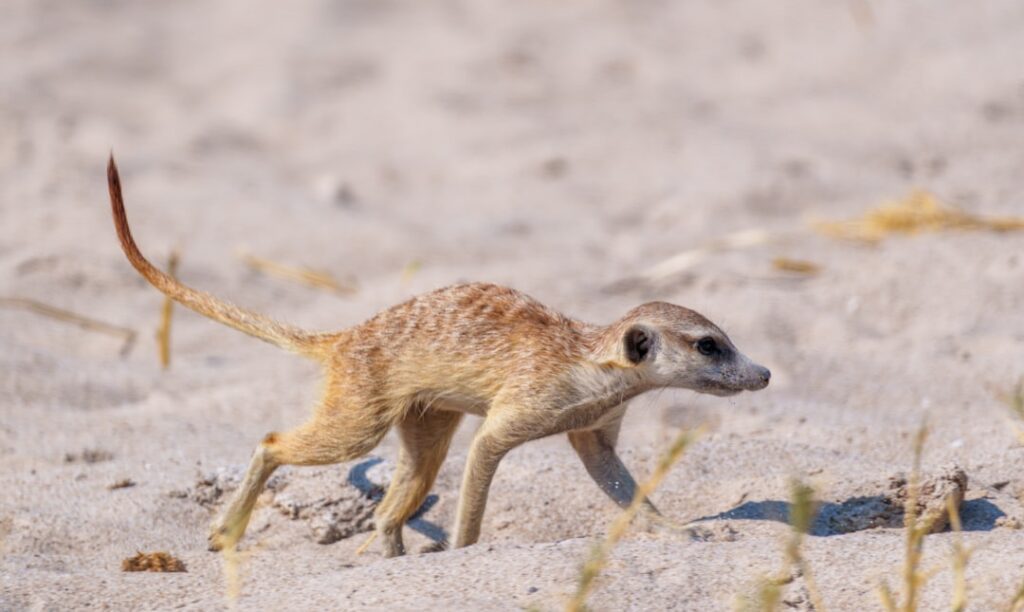
| Meerkat Habituation | Spend a morning with a wild colony of meerkats as they warm up and forage, an incredibly intimate wildlife experience. | Early morning (dawn for 2-3 hrs) | Included at specific camps (e.g., Jack’s Camp) |
| Sleep-Out Under the Stars | A guided experience where your bed is rolled onto the pan for a night of unparalleled stargazing in utter silence. | Overnight | ~$250-400 per person (includes dinner, guide) |
3-Day Itinerary: Makgadikgadi Pans, Botswana’s Highlights & Hidden Gems
Day 1: Arrival & Immersion in the Emptiness
- Morning: Charter flight from Maun to your camp airstrip (approx. 45 mins). After a welcome drink, take a mid-morning guided nature walk with a Zu/’hoasi Bushman guide to learn about survival and tracking in this harsh environment.
- Afternoon: After lunch at camp (like a fresh salad and cold meats at San Camp), embark on your first 4×4 game drive onto the fringes of the pans. Look for brown hyena, bat-eared foxes, and the iconic oryx.
- Evening: Sundowner drinks on the pan itself, with gin & tonics served as the sun melts into the horizon. Enjoy a communal dinner back at camp under a canopy of stars, listening to the campfire stories of your guides.
Day 2: Adventure & Ancient History
- Morning: Pre-dawn wake-up for a meerkat habituation experience (~$150 if not included). Watch these charismatic creatures climb onto you for a better vantage point as they scan for predators. Return to camp for a full bush breakfast.
- Afternoon: Journey to the legendary Kubu Island (approx. 2-3 hour drive). Explore the baobab groves and Stone Age relics. Your guide will prepare a picnic lunch in the shade of the ancient trees.
- Evening: Opt for a quad biking adventure on Ntwetwe Pan as the late afternoon light turns the salt crystals gold. Alternatively, take a quiet drive to spot aardwolf and springhare as they become active at dusk.
Day 3: The Pans by Night & Departure
- Morning: A final early game drive focusing on birdlife, from massive kori bustards to colorful crimson-breasted shrikes. Return for a leisurely brunch and some time to relax at the camp pool, overlooking the shimmering heat haze of the pan.
- Afternoon: If you’re brave, try a “pan sprint”—running full speed on the flat surface where there are no depth markers is a bizarre, freeing sensation. Later, visit the camp’s “panorama spot” for 360-degree photos.
- Evening: For the ultimate finale, book the “Sleep-Out Under the Stars” experience. After a simple dinner on the pan, you’ll be left with just a bedroll and a radio as the Milky Way arches overhead in breathtaking clarity. Wake at dawn for your transfer back to the airstrip and your flight to Maun.
Cultural Insights & Etiquette
- Language: The official language is English, but Setswana is widely spoken. A simple “Dumela” (Hello) or “Ke a leboga” (Thank you) is appreciated.
- Customs: Always greet people politely before any transaction or question. When interacting with local communities or Bushman guides, be respectful and ask permission before taking photographs. The land is deeply spiritual to its people.
- Tipping: Tipping is customary for guides and camp staff. A guideline is $10-15 per guest per day for your main guide, and $10-15 per guest per day for the general staff pool, usually left in a communal tip box.
- Dress Code: Neutral, casual safari clothing is perfect. Evenings get very cold in the dry season—pack a warm fleece and beanie. For sleep-outs, thermal layers are essential.
- Business Hours: This is wilderness; there are no shops or businesses. Your camp runs on “safari time,” dictated by wildlife activity and light.
Where to Eat: Makgadikgadi Pans, Botswana’s Best Bites
Dining here is almost exclusively through your safari camp or lodge on a full-board basis. Meals are social, high-quality events often held outdoors, featuring a mix of international and local flavors using fresh, locally-sourced ingredients where possible.
Must-Try Local Specialties
- Seswaa: Botswana’s national dish—shredded, slow-cooked beef or goat meat, often served with pap (maize porridge) and a leafy vegetable like morogo (wild spinach). Your camp chef will likely prepare a version.
- Braai: More than a meal, it’s a social institution. Expect expertly grilled meats like boerewors (sausage), steak, or game such as impala, served under the stars.
- Mopane Worms: A protein-rich local delicacy—dried caterpillars that are rehydrated and fried. They taste earthy and nutty. Adventurous eaters can often request a tasting at camp.
Restaurant Recommendations by Budget
| Type | Restaurant | Specialty | Price Range |
|---|---|---|---|
| Budget | Your Campfire (Self-catered) | Self-prepared braai and camp stews | Cost of groceries |
| Mid-range | Camp Dining (e.g., Planet Baobab) | Buffet-style meals with local stews and grills | Included in stay or ~$30-50 per meal |
| Fine dining | Jack’s Camp or San Camp | Gourmet plated meals with table service, often themed (e.g., Persian night) | Included in premium nightly rate |
Where to Stay
Accommodation is in remote safari camps or lodges, which are destinations in themselves. They are typically all-inclusive (meals, drinks, activities). Self-drive travelers have basic campsite options. Compare prices and book at Booking.com for some options or Airbnb for apartments in gateway towns like Maun only.
Best Areas for Accommodation
- Ntwetwe Pan Edge (e.g., Jack’s Camp/San Camp): The classic, high-end experience. These camps offer unparalleled guiding, unique activities (meerkats, sleep-outs), and a 1940s explorer aesthetic. Perfect for travelers seeking adventure with extreme comfort.
- Gweta Area (e.g., Planet Baobab): A more affordable and social gateway option on the fringes of the pans. Great for self-drivers, with a funky vibe, a pool, and easy access to quad biking and Kubu Island.
- Self-Drive Campsites (Khumaga, Njuca Hills): For the independent adventurer. Basic facilities (water, ablutions) within the Makgadikgadi Pans National Park. You provide everything else, including your own 4×4 and supplies. Offers raw, unfiltered access.

A meerkat stands alert in dry grass., Makgadikgadi Pans, Botswana
FAQs: Your Makgadikgadi Pans, Botswana Questions Answered
1. Is Makgadikgadi Pans, Botswana safe at night?
In the wilderness camps, yes, absolutely. You will be escorted after dark due to wildlife. On a guided sleep-out on the pan, you are safe as large predators avoid the open, featureless salt flats. The main risks are environmental: dehydration, sunburn, and getting lost if traveling independently. Always follow your guide’s instructions.
2. What currency is used and are credit cards accepted?
The currency is the Botswana Pula (BWP). In the remote safari camps, all expenses are settled beforehand or added to your bill and paid by credit card (Visa/Mastercard are widely accepted) upon departure. You will need very little cash, perhaps just for tips. Carry small denominations of Pula for community fees or tips if self-driving.
3. How do I get from the airport to the city center?
There is no “city center.” From Maun International Airport (MUB), you will either be collected by a representative of your safari camp for a charter flight transfer, or you will pick up your 4×4 rental vehicle. Pre-booked private transfers to Maun lodges cost ~$30-50. Book airport transfers at GetYourGuide for convenience for your Maun stay only.

