
Mahale Mountains, Tanzania: Amazing Chimpanzees, Crystal Waters & Remote Wilderness (2026)
While thousands crowd into jeeps on the Serengeti plains, only a few hundred intrepid travelers each year reach the shores of Lake Tanganyika to meet our closest living relatives in their own world. Here, in Mahale Mountains National Park, you don’t track chimpanzees—you are invited into their 1,613 square kilometer forest kingdom, where the only roads are footpaths and the soundtrack is a symphony of pant-hoots against lapping waves. This is not a safari; it’s a profound, personal immersion into one of Africa’s last great wildernesses.
Why Mahale Mountains, Tanzania Stands Out

From below of famous facade of Taj Mahal cathedral and national mausoleum o…, Mahale Mountains, Tanzania
- Historic Architecture: The park itself, established in 1985, is a living monument to primatology, built upon the foundational research of Japanese scientists who began habituating the ‘M Group’ chimpanzees here in the 1960s.
- Cultural Scene: The experience of watching fishermen from local Tongwe villages cast their nets at sunset from wooden dhows, a practice unchanged for centuries, is a cultural highlight as profound as the wildlife.
- Local Specialties: You must try freshly caught Lake Tanganyika sardines, known as *dagaa*, grilled over open fire and served with *ugali* (maize porridge)—a simple, unforgettable taste of the lakeshore.
Pro Tip: The absolute best time to visit is during the dry season from May to October. Not only is chimp tracking easier with less dense foliage, but this period also offers the best chance to see them feasting on wild fruits, leading to more active, observable social interactions. Avoid the peak rains of March and April when some camps close and trails become challenging.
Map of Mahale Mountains, Tanzania
Use these interactive maps to explore Mahale Mountains, Tanzania and plan your route:
📍 View Mahale Mountains, Tanzania on OpenStreetMap
🗺️ Open Mahale Mountains, Tanzania in Google Maps
Planning Your Trip: Practical Essentials
Getting There and Around
- By Air: There are no roads to Mahale. Access is exclusively by light aircraft from Arusha, Dar es Salaam, or Kigoma. Scheduled and charter flights land on the park’s airstrip or on the lakeshore beach, depending on the season. Book flights at Skyscanner for best deals to gateway cities.
- By Train: The adventurous can take the historic TAZARA railway from Dar es Salaam to Mbeya, then connect to Lake Tanganyika, but this is a multi-day journey. A more direct, though still lengthy, option is the Central Line from Dar es Salaam to Kigoma (a 2-3 day journey), followed by a long boat transfer. Reserve tickets at the TAZARA or Tanzania Railways Corporation websites.
- By Car: Self-driving is not possible to the park itself. The only “roads” are forest trails. Travelers typically arrange all-inclusive packages that handle transfers from the airstrip to their lodge via boat or foot. Compare car rentals for exploring other parts of Tanzania at RentalCars.com.
- Local Transport: Within the park, transport is on foot or by boat. Your lodge’s *dhow* (traditional wooden sailboat) will be your taxi for lakeshore transfers and spectacular sunset cruises.
Best Time to Visit
Timing is everything in Mahale, dictated by chimpanzee behavior and weather patterns. The dry season offers predictability, while the green season reveals a lush, vibrant forest with fewer visitors.
| Season | Weather | Highlights |
|---|---|---|
| Dry Season (May–Oct) | Warm, sunny days (25-30°C/77-86°F), very low rainfall. Cooler nights. | Prime chimp tracking, excellent visibility, best for photography. Peak season with higher rates. |
| Wet Season (Nov–Apr) | Hot, humid with heavy rains, especially Mar-May. Temperatures 28-32°C (82-90°F). | Lush scenery, wildflowers, birding spectacular. Fewer tourists, lower prices. Tracking can be muddy and more challenging. |
| Shoulder (Nov & late Oct) | Transitional; short rains possible but generally pleasant. | A good balance of decent weather, manageable tracking, and avoiding the absolute peak crowds and prices. |
Budgeting for Mahale Mountains, Tanzania

Beautiful view of the Taj Mahal at sunrise, Mahale Mountains, Tanzania
| Category | Budget | Mid-range | Luxury |
|---|---|---|---|
| Accommodation | Very limited. Camping with park fees ~$150/day. | Standard safari camps: $400-$700/person/night (all-inclusive). | Premium lodges: $800-$1,200+/person/night (all-inclusive). |
| Meals | Included if camping with an operator. | All meals included at camp/lodge. | All meals + premium drinks included. |
| Transport | Charter flight costs shared with group. | Scheduled flight + boat transfers included in package. | Private charter flights, private guide & boat. |
| Activities | Park fees ($100/day), guide fees. | Daily chimp tracking, guided walks, boat trips included. | Private chpermits, bespoke itineraries, fishing included. |
| Daily Total | $300-$450/day | $600-$900/day | $1,000-$1,500+/day |
Top Attractions and Must-See Sights
| Attraction | Description | Hours | Entry Fee |
|---|---|---|---|
| Chimpanzee Trekking | The unparalleled experience of observing the habituated M-group of chimps in their ancient forest home. | Treks start at 8 AM; max 6 hours. 1 hour max with chimps. | $100/person/day park fee + guide fees (often included in packages). |
| Lake Tanganyika | The world’s second-deepest lake, offering pristine beaches, snorkeling among cichlids, and sunset dhow cruises. | Accessible all day; boat trips arranged by camp. | Free from shore; boat hire ~$50-100/trip. |
| Nkungwe Peak (2,462m) | The park’s highest point, a challenging hike rewarding you with breathtaking views over the forest and lake. | Full-day hike, start at dawn. | Included in park fee; requires advance notice and guide. |
| Forest Waterfalls & Streams | Discover hidden cascades like the beautiful Mlagasi waterfall during guided nature walks away from the chimp trails. | Morning or afternoon walks. | Included in park fee with guide. |
3-Day Itinerary: Mahale Mountains, Tanzania’s Highlights & Hidden Gems
Day 1: Arrival & Lakeshore Immersion
- Morning: Scenic flight from Arusha, landing on the beach airstrip. You’ll be met by your guide and transferred by boat to your camp, like Greystoke Mahale or Kungwe Beach Lodge.
- Afternoon: Settle into your beachfront banda. Take a guided walk along the shore to learn about the Tongwe history and the park’s ecology. Your first swim in the crystal-clear, 80km-deep Lake Tanganyika is a must.
- Evening: Sunset dhow cruise with sundowners. Watch the sky turn orange over the Congo mountains. Dinner under the stars on the beach, listening to the forest come alive at night.
Day 2: Deep in the Chimp Kingdom
- Morning: Early breakfast. 8 AM start for chimpanzee trekking ($100 permit). Your expert guide tracks the M-group through dense forest—treks can last 2-5 hours. The magical hour observing them feed, play, and interact is humbling and unforgettable.
- Afternoon: Return to camp for a late lunch and rest. Opt for a guided forest walk to spot red colobus monkeys, butterflies, and unique birdlife like the Ross’s turaco, or simply relax on the beach with a book.
- Evening: Enjoy a beach barbecue of fresh *dagaa*. Later, gather around the campfire for stories from the researchers and guides who know these chimps as individuals.
Day 3: Peaks & Departure
- Morning: For the energetic, a pre-dawn start for a hike partway up the slopes of Nkungwe Peak. The view over the misty forest canopy is worth the effort. Others may choose a final snorkeling session in the lake’s clear waters.
- Afternoon: A final, leisurely lunch at camp. You might visit the simple but fascinating research station to understand the decades of conservation work. Pack and prepare for departure.
- Evening: Boat transfer back to the airstrip for your late afternoon flight out, carrying memories of a truly remote and transformative wilderness experience.
Cultural Insights & Etiquette
- Language: Swahili is the national language. Guides speak excellent English. Learn a few phrases: *”Habari”* (Hello), *”Asante”* (Thank you), *”Kwa heri”* (Goodbye).
- Customs: Always greet people politely. When visiting the local Tongwe village (if arranged), ask permission before taking photographs. Respect is paramount.
- Tipping: Tipping is customary. A guideline is $15-$20/day for your main guide, $10/day for camp staff, per guest, usually placed in a communal tip box at the end of your stay.
- Dress Code: For chimp tracking, wear neutral-colored, lightweight long pants and sleeves to protect from brush. Sturdy hiking boots are essential. At camp, casual, comfortable clothing is fine.
- Business Hours: This is a wilderness area; your camp runs on a flexible schedule based on activities. The park is open for trekking during daylight hours.
Where to Eat: Mahale Mountains, Tanzania’s Best Bites
Dining in Mahale is an intimate, camp-based experience. Meals are fresh, often featuring lake fish, local produce, and are a social highlight. There are no independent restaurants; your lodge provides all sustenance, typically in beautiful bush or beach settings.
Must-Try Local Specialties
- Dagaa na Ugali: The tiny, silvery sardines from Lake Tanganyika, dried or fresh, grilled with tomatoes and onions, served with stiff maize porridge. Your camp chef will prepare this classic.
- Lake Tanganyika Perch: A larger, white fish, often grilled whole or pan-fried with lemon and local herbs. Incredibly fresh and flavorful.
- Tropical Fruit Platters: Expect an abundance of pineapple, mango, papaya, and passion fruit, often picked at their peak of ripeness.
Restaurant Recommendations by Budget
| Type | Restaurant | Specialty | Price Range |
|---|---|---|---|
| All-Inclusive Camp | Your Lodge’s Dining Area (e.g., Greystoke Mahale) | Multi-course dinners, bush breakfasts, beach lunches. | Included in nightly rate. |
| All-Inclusive Camp | Kungwe Beach Lodge | Fresh lake fish, international cuisine with a local twist. | Included in nightly rate. |
| Camping Experience | Mobile Camp Kitchen | Simple, hearty bush meals cooked over fire. | Included in camping safari package. |
Where to Stay
Accommodation is exclusive and limited to a handful of high-end camps and lodges, or mobile camping operations. All are situated on the pristine beaches of Lake Tanganyika. Compare prices and book at Booking.com for some properties, but most are booked through specialist safari tour operators.
Best Neighborhoods for Accommodation
- The Central Beaches (near Bilenge): Home to iconic lodges like Greystoke Mahale. Offers reliable chimp sightings, beautiful sandy beaches, and excellent snorkeling. Perfect for first-time visitors wanting the classic Mahale experience.
- More Remote Northern Beaches: Camps here, like Nomad’s Lamai Serengeti operators’ seasonal offerings, promise even greater exclusivity and solitude. Ideal for travelers seeking ultimate privacy and longer, more exploratory treks.
- Mobile Tented Camps: For the true adventurer, a fly-camping experience moves with the chimps. You’ll sleep in simple tents deep in the forest, falling asleep to the sounds of the wilderness. This suits hardy travelers wanting maximum immersion.

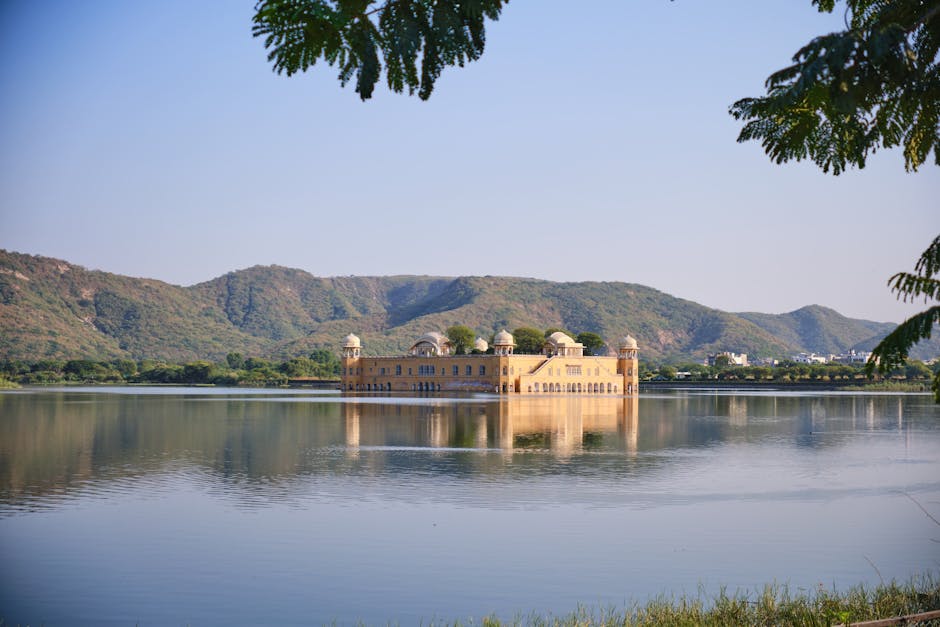
Serene view of Jal Mahal Palace amidst tranquil waters in Jaipur, India., Mahale Mountains, Tanzania
FAQs: Your Mahale Mountains, Tanzania Questions Answered
1. Is Mahale Mountains, Tanzania safe at night?
Yes, within the confines of your secured camp or lodge. The camps are designed to keep wildlife out. You will always be escorted by staff after dark. The forest itself is not to be explored at night due to wildlife. Follow your guide’s instructions explicitly.
2. What currency is used and are credit cards accepted?
The Tanzanian Shilling (TZS) is the local currency, but US Dollars are widely accepted for park fees and tipping. At the remote camps, all expenses are pre-paid as part of your package. Credit cards are rarely accepted on-site; settle all major costs beforehand with your tour operator. Bring small USD bills ($1, $5, $10) for tips.
3. How do I get from the airport to the city center?
There is no “city center.” You land at a remote airstrip on the beach or in the park. Your transfer is an integral part of the adventure—typically a short boat ride or walk directly to your camp, arranged and included in your lodge package. Book comprehensive packages including transfers at GetYourGuide for convenience.
4. Do I need to speak the local language?
No. All guides and camp staff speak fluent English and Swahili. Learning a few Swahili greetings, however, is a wonderful gesture that will be warmly appreciated by the staff and any local people you meet.
5. What’s the appropriate dress code?
Practical and respectful. For trekking: sturdy boots, long, lightweight trousers, long-sleeved shirts in greens/browns, a hat, and a daypack with water. At camp: comfortable casual wear—shorts, t-shirts, sandals. Evenings can be cool; a fleece or light jacket is recommended. Swimwear is for the beach only.
Final Thoughts: Mahale Mountains, Tanzania Awaits
Mahale is not a destination you simply check off a list; it’s a place that changes your perspective. It offers a rare combination of profound wildlife intimacy, staggering natural beauty, and genuine remoteness. Here, you

