
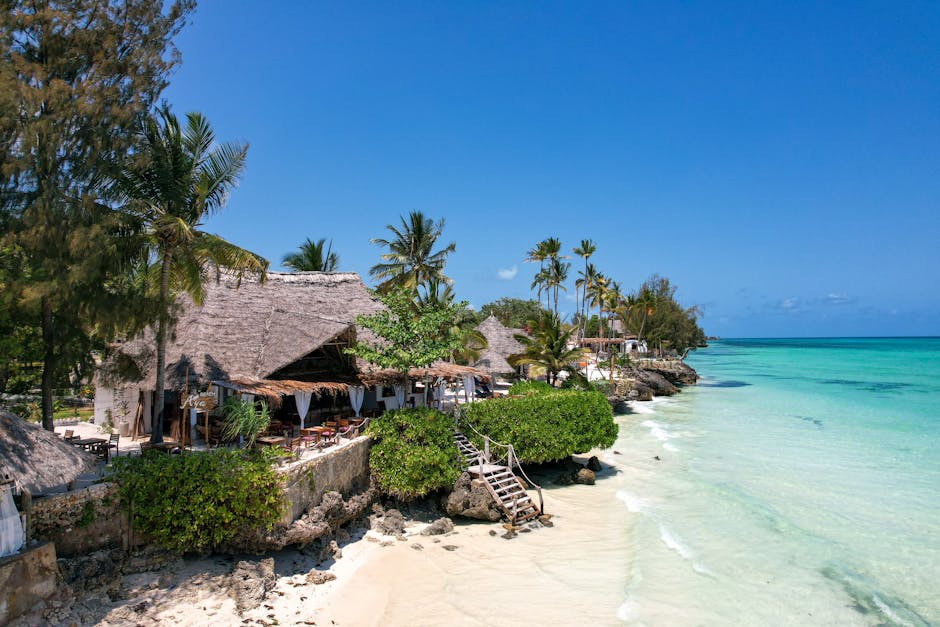
Mafia Island, Tanzania’s Epic Whale Sharks, Untouched Reefs & Swahili Serenity (2025)
While crowds flock to Zanzibar’s Nungwi Beach, Mafia Island delivers a pristine marine wilderness where you’ll often be the only boat on the horizon. Here, the Indian Ocean’s largest fish—the gentle, polka-dotted whale shark—gathers in predictable numbers from October to March, feeding in plankton-rich currents just a short dhow ride from shore. This isn’t a manicured resort experience; it’s 394 square kilometers of protected marine park, crumbling 12th-century ruins, and villages where life moves to the rhythm of the tides.
Why Mafia Island Stands Out
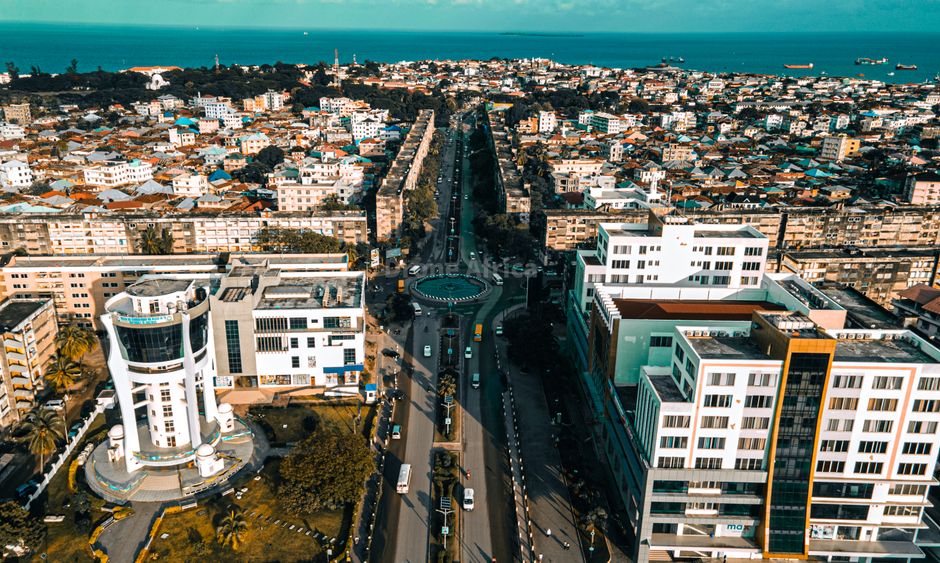
Vibrant aerial view of Unguja South Region in Tanzania showcasing urban dev…, Mafia Island, Tanzania (whale shark migrations)
- Historic Architecture: The 12th-century ruins of Kua on Juani Island, a once-prosperous Swahili stone town silently reclaimed by baobab trees, offer a hauntingly beautiful glimpse into a lost trading empire.
- Cultural Scene: The weekly Dhow Building demonstration in Chole Bay, where master craftsmen use hand tools and ancestral techniques, turns boat-making into a living performance art.
- Local Specialties: Don’t miss Octopus Curry, a tender, coconut-infused dish best enjoyed at a beachside *mgahawa* (local eatery) in Kilindoni, often caught that morning by freedivers.
Pro Tip: For the absolute best whale shark encounter with the fewest people, target the window between late October and early December. The sharks are abundant, the southeast monsoon has settled, and you’ll beat the peak holiday rush. Book your marine park fees and guide in advance through a reputable lodge.
Map of Mafia Island, Tanzania
Use these interactive maps to explore Mafia Island, Tanzania and plan your route:
📍 View Mafia Island, Tanzania on OpenStreetMap
🗺️ Open Mafia Island, Tanzania in Google Maps
Planning Your Trip: Practical Essentials
Getting There and Around
- By Air: Fly into Mafia Island Airport (MFA) from Dar es Salaam (DAR) on Coastal Aviation or Auric Air; the 30-minute flight costs ~$150-200 one-way and offers stunning aerial views of the archipelago. Book flights at Skyscanner for best deals.
- By Train: No direct train service exists to Mafia Island. Travelers typically fly or take a ferry from Dar es Salaam.
- By Car: Driving is not possible to the island. On Mafia, 4×4 vehicles can be rented through lodges for ~$80/day to explore the interior and north coast. Compare car rentals at RentalCars.com for options in Dar es Salaam if starting a mainland trip.
- Local Transport: The most common and authentic transport is the *piki-piki* (motorcycle taxi); a ride within Kilindoni costs ~1,000 TZS ($0.40). For longer trips, arrange a car with your lodge or hire a local boat (*dhow* or *mtumbwi*) for island-hopping.
Best Time to Visit
The ideal visit hinges on your goal. The dry season offers the best overall conditions, but the whale shark season creates a distinct, magical window for divers and snorkelers.
| Season | Weather | Highlights |
|---|---|---|
| Whale Shark Season (Oct–Mar) | Hot, humid (28-32°C), chance of short rains in Nov, calm seas. | Guaranteed whale shark sightings, excellent visibility for diving, vibrant marine life. Peak season (Dec-Feb) sees more visitors. |
| Dry Season (Jun–Oct) | Warm, dry, breezy (24-30°C), perfect beach weather. | Ideal for relaxation, kitesurfing on the eastern shores, exploring ruins, and reef snorkeling without peak crowds. |
| Green Season (Apr–May) | Heavy rainfall, high humidity, rough seas. | Lowest prices and few tourists, but many lodges close and marine activities are severely limited. Not recommended. |
Budgeting for Mafia Island, Tanzania
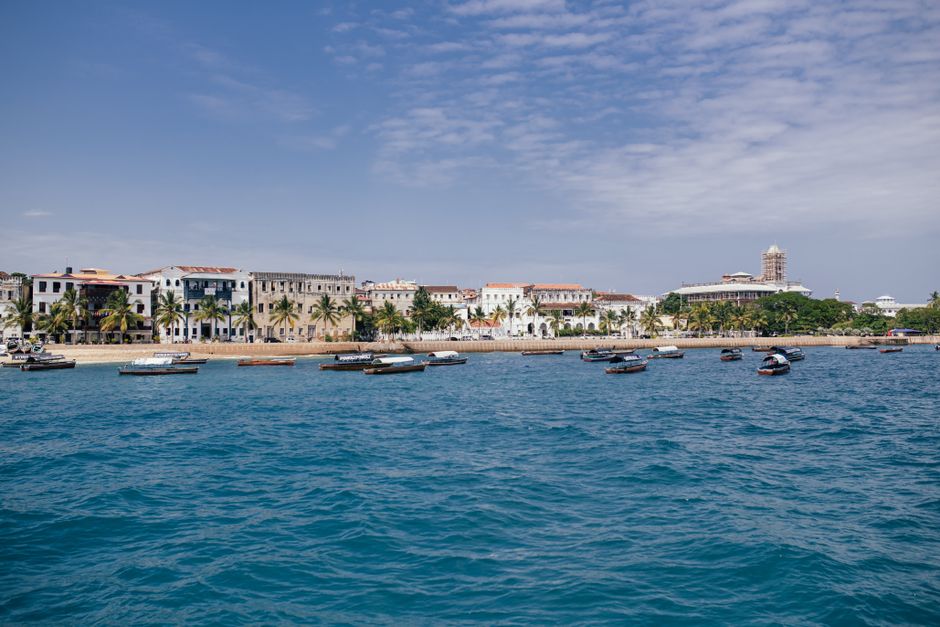
Scenic view of boats and historic Stone Town, Zanzibar under a blue sky., Mafia Island, Tanzania (whale shark migrations)
| Category | Budget | Mid-range | Luxury |
|---|---|---|---|
| Accommodation | $25-50 (basic bandas, guesthouses) | $100-250 (comfortable lodge with meals) | $300-600+ (all-inclusive eco-lodge/villa) |
| Meals | $5-10 (local *mgahawa*, street food) | $15-30 (lodge restaurant) | $50+ (private dining, fine seafood) |
| Transport | $2-5/day (*piki-piki*, walking) | $50-100 (private boat trip, car hire) | $150+ (private yacht charter) |
| Activities | $10 (Marine Park fee), free beach time | $80-120 (whale shark snorkeling trip) | $200+ (private guided diving safari) |
| Daily Total | $40-70 | $250-500 | $700+ |
Top Attractions and Must-See Sights
| Attraction | Description | Hours | Entry Fee |
|---|---|---|---|
| Mafia Island Marine Park | East Africa’s first marine park, a biodiverse haven for whale sharks, coral gardens, and sea turtles. | Dawn to Dusk | $23 USD/day for adults |
| Chole Island | A timeless village with historic ruins, a giant bat colony, and a community-run eco-tourism project. | All day | Small donation to community (~$5) |
| Kinasi Pass & Kitutia Reef | World-class dive sites with drift dives, pelagic action, and stunning coral walls teeming with life. | Morning & Afternoon dive trips | ~$80-100 for a two-tank dive |
| Juani Island Ruins (Kua) | The atmospheric 12th-19th century stone ruins of a lost Swahili settlement, overgrown with ancient baobabs. | Daylight hours | Guide fee (~$10-15) |
3-Day Itinerary: Mafia Island’s Highlights & Hidden Gems
Day 1: Marine Giants & Island Life
- Morning (7:30 AM): Whale shark snorkeling trip from Chole Bay ($100-120). Your guide will spot from a traditional dhow; remember the code of conduct—main a 4-meter distance.
- Afternoon (1:00 PM): Lunch at **Mafia Island Lodge** on Chole Island (fresh grilled reef fish). Then, walk through Chole village to see the bustling boatyard and massive fruit bat colony in the mangroves.
- Evening (6:30 PM): Sundowner drinks on the sandbank at Utende Beach, followed by a Swahili seafood feast at **Butiama Beach Restaurant** (try their Lobster in Coconut Sauce).
Day 2: Depths & History
- Morning (8:00 AM): Two-tank scuba dive at Kinasi Pass ($90) – drift alongside schooling jacks and maybe even a napoleon wrasse.
- Afternoon (1:30 PM): Lunch at your lodge, then take a guided boat trip to Juani Island (boat ~$50 for group). Explore the haunting Kua ruins with a local guide who can point out the old mosque and tombs.
- Evening (7:00 PM): Stargazing on the beach—with minimal light pollution, the Milky Way is brilliantly clear. Enjoy a simple dinner of *ugali* and octopus at a Kilindoni *mgahawa*.
Day 3: Culture & Relaxation
- Morning (9:00 AM): Visit the **Mafia Island Dairy Project** (donation welcome) to see their sustainable farming, then browse the vibrant Kilindoni market for spices and kitenge fabrics.
- Afternoon (12:30 PM): Lunch at **Pole Pole Restaurant** (their prawn curry is legendary). Then, kayak or stand-up paddleboard through the calm mangrove channels near your lodge, looking for birdlife.
- Evening (6:00 PM): Final sunset cruise on a local *mtumbwi* (canoe, ~$20 per person), a perfectly serene end to your trip. Farewell dinner featuring a *Zanzibar mix* (seafood platter).
Cultural Insights & Etiquette
- Language: Swahili is universal. Key phrases: *”Habari”* (Hello), *”Asante”* (Thank you), *”Samahani”* (Excuse me). English is spoken in tourist areas but greetings in Swahili are deeply appreciated.
- Customs: Always use your right hand for giving/receiving items, especially money or food. Before photographing people, always ask permission—a smile and *”picha?”* goes a long way.
- Tipping: Not obligatory but expected for good service. For guides, 10-15% of the tour cost is standard. In restaurants, rounding up the bill or leaving 5-10% is fine.
- Dress Code: Conservative dress is respectful, especially in villages. Cover shoulders and knees. Swimwear is only for the beach or your lodge pool.
- Business Hours: Shops in Kilindoni generally open 8 AM-6 PM, with a break around midday. Friday is the Muslim holy day, so some services may be limited.
Where to Eat: Mafia Island’s Best Bites
Dining here is a celebration of the ocean’s bounty. You’ll eat fish that was swimming hours before, cooked with coconut, lime, and local spices. Most high-end meals are at lodges, but venturing to local spots is rewarding.
Must-Try Local Specialties
- Octopus Curry (*Kamba ya Pweza*): Tenderized octopus stewed in a rich, creamy coconut curry with cardamom and chili. Your best bet is at a beachside grill in Utende or Jibondo village.
- Grilled Lobster with Lime: Often simply prepared over charcoal and drenched in fresh lime juice. **Butiama Beach Restaurant** and **Pole Pole** serve excellent versions.
- Urojo (Zanzibar Mix): A tangy, spicy soup with fried potatoes, lentils, and bhajias. Find it at small street stalls in Kilindoni market for an authentic, flavorful snack.
Restaurant Recommendations by Budget
| Type | Restaurant | Specialty | Price Range |
|---|---|---|---|
| Budget | Kilindoni Market Stalls | Fresh chapati, urojo, grilled cassava | $1-3 per item |
| Mid-range | Pole Pole Restaurant (Utende) | Seafood platters, prawn curry, wood-fired pizza | $15-25 per main |
| Fine dining | Chole Mjini Lodge Treehouse Dining (Chole Island) | Multi-course Swahili fusion dinners in a magical treehouse setting | $50+ (set menu, booking essential) |
Where to Stay
Accommodation is clustered in a few key areas, each with a different vibe. Most are eco-conscious and include full board. Compare prices and book at Booking.com or Airbnb for apartments (limited availability).
Best Neighborhoods for Accommodation
- Utende/Chole Bay: The main tourist hub, with easy boat access to the marine park. Home to most dive centers and mid-range to luxury lodges. Perfect for water activity enthusiasts.
- Kilindoni: The island’s “capital” and ferry port. Offers basic guesthouses, local markets, and a more authentic Tanzanian town feel. Best for budget travelers and those wanting local immersion.
- Northern & Eastern Beaches (e.g., Ras Mbisi): Remote, secluded, and stunningly beautiful. Ideal for honeymooners and those seeking absolute peace, though transport to activities is longer.

A breathtaking aerial shot of Stone Town, Mafia Island, Tanzania (whale shark migrations)
FAQs: Your Mafia Island Questions Answered
1. Is Mafia Island safe at night?
Yes, it is generally very safe. Violent crime is rare. Exercise normal precautions: avoid walking alone on dark, isolated beaches, secure your valuables, and use common sense. The biggest risks are sunburn and sea urchins!
2. What currency is used and are credit cards accepted?
The Tanzanian Shilling (TZS) is the local currency. US Dollars are widely accepted for tours and lodging. Carry plenty of small-denomination cash (both TZS and USD), as credit cards are only accepted at a few upscale lodges, and ATMs in Kilindoni are unreliable.
3. How do I get from the airport to my hotel?
Mafia Airport (MFA) is tiny. Your lodge will almost always include a transfer (confirm when booking). If not, taxis and *piki-pikis* meet flights. A taxi to Utende costs ~30,000 TZS ($12). Book airport transfers at GetYourGuide for convenience if your lodge doesn’t offer.
4. Do I need to speak the local language?
No, but it helps immensely. English is spoken at hotels and by guides. Learning basic Swahili greetings will earn you warm smiles and better service. Locals appreciate the effort.
5. What’s the appropriate dress code?
Think modest and practical. Light, loose clothing covering shoulders and knees is essential in villages. For the water, a rash guard provides sun and coral protection. A wide-brimmed hat, sunglasses, and robust reef-safe sunscreen are non-negotiable.
Final Thoughts: Mafia Island Awaits
Mafia Island isn’t for the traveler seeking nightlife and souvenir shops. It’s for those who find magic in the quiet swish of a whale shark’s tail, the rustle of fruit bats at dusk, and the profound history whispered by coral stone ruins. You come here to disconnect and be humbled by nature’s scale, both in the ocean’s gentle giants and the timeless Swahili culture. Savvy travelers know its unspoiled state is a rare gift. So pack your sense of adventure, your respect for the ocean, and prepare to be captivated by one of the Indian Ocean’s last true sanctuaries. Your most lasting memory might just be the moment you looked into the placid eye of a whale shark, realizing you were the visitor in its majestic, blue world.

