
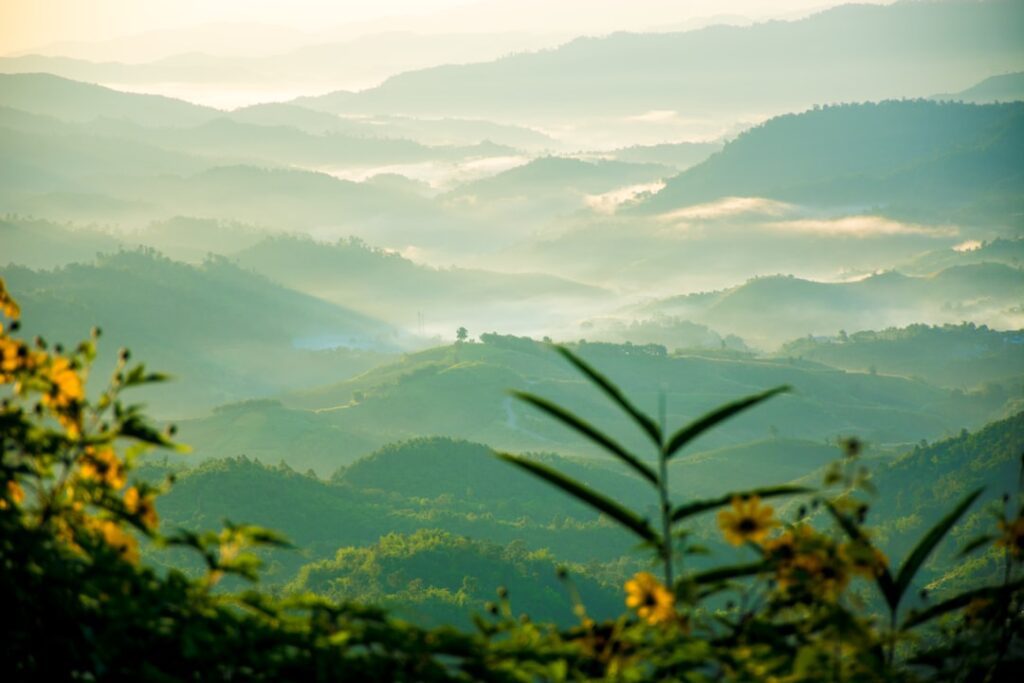
Mae Salong, Thailand: Essential Tea Plantations, Hill Tribe Culture & Mountain Serenity (2025)
While crowds flock to Chiang Mai’s night markets, Mae Salong, Thailand delivers a profound cultural immersion without the souvenir touts. Perched 1,800 meters above sea level in the Golden Triangle, this village wasn’t on any tourist map 60 years ago. Founded by Chinese Nationalist soldiers (Kuomintang) who retreated here after 1949, its winding streets feel more like a Yunnanese mountain town, where the scent of oolong tea and the sound of Akha dialect fill the crisp air. This is northern Thailand’s most authentic escape.
Why Mae Salong, Thailand Stands Out

A herd of cattle grazing on a lush green hillside, Mae Salong, Thailand
- Historic Architecture: The Chinese Martyrs’ Memorial Museum, built to honor the KMT 93rd Division, offers a poignant look at the community’s resilient 20th-century origins.
- Cultural Scene: The vibrant Akha and Lisu hill tribe villages surrounding the town, where traditional dress and daily rituals are a living culture, not a performance.
- Local Specialties: Yunnanese-style braised pork belly over rice, a hearty, flavorful dish brought by the original settlers and perfected in local kitchens.
Pro Tip: Visit between late October and early December. This is the cool, dry season with crystal-clear mountain views, but more importantly, it’s the tea harvest period. You can see the plantations buzzing with activity and taste the freshest brews directly from the processing houses.
Map of Mae Salong, Thailand
Use these interactive maps to explore Mae Salong, Thailand and plan your route:
📍 View Mae Salong, Thailand on OpenStreetMap
🗺️ Open Mae Salong, Thailand in Google Maps
Planning Your Trip: Practical Essentials
Getting There and Around
- By Air: Chiang Rai International Airport (CEI) is the closest, 70km away. AirAsia and Bangkok Airways operate daily flights from Bangkok. From the airport, a pre-booked private transfer is your best bet (approx. 1,500 THB, 1.5 hours). Book flights at Skyscanner for best deals.
- By Train: No direct train service. The nearest major rail hub is Chiang Mai. From there, you’ll need a 4-hour bus or private transfer to Mae Salong. Reserve tickets at Trainline or the national railway website.
- By Car: The scenic drive from Chiang Rai on Route 1130 and 1234 is half the adventure, with hairpin turns and stunning vistas. Rental cars with insurance are essential. Parking is easy and free in town. Compare car rentals at RentalCars.com.
- Local Transport: There is no public transport within Mae Salong. Your own two feet, a rented motorbike (250-300 THB/day), or a songthaew (shared taxi truck) hired for a half-day (approx. 800-1,000 THB) are the only options.
Best Time to Visit
The climate is cooler than the rest of Thailand year-round due to the altitude. The ideal window balances pleasant weather with cultural activity.
| Season | Weather | Highlights |
|---|---|---|
| Cool Season (Nov–Feb) | 12°C – 25°C, dry and sunny. Mornings can be very chilly. | Perfect trekking weather, stunning visibility, and festive Chinese New Year celebrations (Jan/Feb). Peak tourist season. |
| Hot Season (Mar–May) | 18°C – 30°C, increasingly humid with pre-monsoon haze. | Fewer visitors, lush green landscapes. A good time for budget travelers, though afternoon hikes can be warm. |
| Rainy Season (Jun–Oct) | 18°C – 28°C, frequent heavy showers, especially Aug-Sep. | Dramatic mists, vibrant green tea fields, and the lowest prices. Roads can be slippery, and some trekking paths may be muddy. |
Budgeting for Mae Salong, Thailand

A rainbow in the sky over a mountain range, Mae Salong, Thailand
| Category | Budget | Mid-range | Luxury |
|---|---|---|---|
| Accommodation | 400-800 THB (basic guesthouse) | 1,200-2,500 THB (boutique bungalow with view) | 3,000+ THB (luxury resort with spa) |
| Meals | 50-100 THB (street food, noodle shop) | 150-300 THB (restaurant meal with tea) | 500+ THB (multi-course Yunnanese feast) |
| Transport | 250 THB (motorbike rental) | 1,000 THB (half-day songthaew hire) | 3,000+ THB (private car & driver for day) |
| Activities | Free (village walks, temple visits) | 800-1,200 THB (guided half-day trek) | 2,500+ THB (private cultural tour with tea tasting) |
| Daily Total | 700-1,200 THB | 2,500-4,000 THB | 6,500+ THB |
Top Attractions and Must-See Sights
| Attraction | Description | Hours | Entry Fee |
|---|---|---|---|
| Mae Salong Tea Plantations (101 Tea Plantation) | Rolling hills of oolong and green tea bushes where you can tour processing facilities and enjoy panoramic tasting sessions. | 8:00 AM – 5:00 PM | Free (tastings from 50 THB) |
| Wat Santikhiri | The “Temple on the Hill,” a stunning Chinese-style pagoda offering 360-degree views across Myanmar and Thailand. | 6:00 AM – 6:00 PM | Free (20 THB donation appreciated) |
| Akha Hill Tribe Village (Ban Pha Hee) | An authentic Akha community known for intricate textiles and traditional blackened teeth, offering respectful cultural insight. | Daylight hours | Free (please purchase crafts or make a small donation) |
| Mae Salong Market (Morning Market) | The heart of local life, where Yunnanese, Thai, and hill tribe vendors sell everything from fresh produce to steamed buns. | 5:30 AM – 8:30 AM | Free |
3-Day Itinerary: Mae Salong, Thailand’s Highlights & Hidden Gems
Day 1: Tea, Temples & Town Immersion
- Morning (7:00 AM): Start at the **Mae Salong Morning Market**. Follow the locals to **Jin Xuan Dim Sum** for a breakfast of steamed pork buns and soy milk. Wander the stalls to see hill tribe women in traditional dress.
- Afternoon (12:00 PM): Drive 5 minutes to **101 Tea Plantation**. Take their free walking tour (offered hourly) to learn about oolong processing. Stay for a tasting flight (150 THB). For lunch, head to **Mae Salong Little Coffee Shop** for their famous Yunnanese noodle soup.
- Evening (5:00 PM): Climb the 389 steps to **Wat Santikhiri** for sunset. The light over the mountains is magical. Descend for dinner at **Sinchai Chinese Restaurant**, a local institution for its braised pork belly and stir-fried wild ferns.
Day 2: Hill Tribes & Highland Views
- Morning (8:30 AM): Hire a songthaew (800 THB) for the 20-minute ride to **Ban Pha Hee Akha Village**. Walk slowly, engage only if vendors initiate, and support the community by buying a small hand-woven item. Your driver can act as a casual guide.
- Afternoon (12:30 PM): Return to town for lunch at **Salima Restaurant**, known for its Thai-Muslim fusion and excellent *khao soi* (curry noodle soup). Afterwards, visit the **Chinese Martyrs’ Memorial Museum** (30 THB) to understand the area’s unique history.
- Evening (6:00 PM): Enjoy a relaxed dinner at **Mae Salong Resort Restaurant**, which has an open-air terrace. Try their tea-leaf salad. End the night at **Café de Siam** with a pot of locally grown jasmine tea.
Day 3: Scenic Drives & Mountain Farewell
- Morning (8:00 AM): Rent a motorbike (250 THB) and take the breathtaking 40km loop drive **Mae Salong – Mae Aw – Tha Ton**. The road passes through Lisu villages and offers lookout points with no one else in sight. Stop at **Mae Aw Village** (also a KMT settlement) for coffee.
- Afternoon (1:00 PM): Return your bike and have a final lunch at **Baan Yunnanese**, a family-run spot for homemade *pad mee* (Yunnanese fried noodles). Spend your last hours shopping for quality loose-leaf tea at **Wang Put Tan** shop near the market.
- Evening (5:00 PM): For your farewell, grab a blanket and a thermos of tea (available from your guesthouse) and find a quiet spot on the hillside west of town. Watch the mist settle into the valleys as the village lights begin to twinkle—a perfect, peaceful finale.
Cultural Insights & Etiquette
- Language: Central Thai is understood. Key phrases: *Sa-wat-dee* (Hello), *Khop khun* (Thank you). Many older residents speak Yunnanese. A smile is universal.
- Customs: When visiting hill tribe villages, dress modestly, ask permission before taking photos of people (a smile and gesture to your camera is enough), and avoid touching sacred objects or spirit gates.
- Tipping: Not expected but appreciated. Round up taxi fares, leave 20-40 THB at restaurants if service was good, and tip trekking guides 200-300 THB per day.
- Dress Code: Modest dress is crucial, especially for temple visits (cover shoulders and knees). Pack layers—mornings are cool, and long pants are best for trekking.
- Business Hours: Shops open 8:00 AM – 6:00 PM. The morning market is *very* early. Most restaurants close by 8:30 PM. The town is quiet and safe at night.
Where to Eat: Mae Salong, Thailand’s Best Bites
The food here is a unique triangle of Yunnanese Chinese, Northern Thai, and hill tribe influences. Portions are hearty, flavors are robust, and meals are often enjoyed with a pot of local tea rather than a beer.
Must-Try Local Specialties
- Khao Kha Moo Yunnanese: Tender, five-spice braised pork leg served over rice with a boiled egg and pickled vegetables. Find it at any simple rice shop in the market area.
- Miang Kham: A DIY snack of wild tea leaves wrapped around dried shrimp, coconut, ginger, and lime. Often offered as a welcome snack at tea plantations.
- Shan-style Noodles: A comforting broth with flat rice noodles, minced pork, and tomato, influenced by nearby Myanmar. **Salima Restaurant** does an excellent version.
Restaurant Recommendations by Budget
| Type | Restaurant | Specialty | Price Range |
|---|---|---|---|
| Budget | Jin Xuan Dim Sum (Market Area) | Freshly steamed pork buns, dumplings, and sweet soybean pudding for breakfast. | 30-80 THB per item |
| Mid-range | Sinchai Chinese Restaurant (Main Street) | Authentic Yunnanese clay pot dishes and stir-fried mountain vegetables. | 120-250 THB per dish |
| Fine dining | Mae Salong Resort Restaurant (West of town) | Refined multi-course set menus featuring local ingredients with stunning terrace views. | 500-800 THB per set |
Where to Stay
Accommodation ranges from basic guesthouses for trekkers to luxurious resorts with infinity pools overlooking the plantations. Book well in advance during the cool season (Nov-Feb). Compare prices and book at Booking.com or Airbnb for apartments.
Best Neighborhoods for Accommodation
- Mae Salong Town Center: Perfect for those who want to be steps from the morning market, restaurants, and shops. You’ll hear the gentle hum of town life. Best for short stays and food lovers.
- Tea Plantation Periphery: Scattered resorts and bungalows just outside town offer breathtaking, uninterrupted views of the rolling green hills. Ideal for relaxation, photography, and tranquility. You’ll need transport to reach restaurants.
- Road to Mae Aw: A few secluded boutique hotels along this scenic route offer the ultimate escape. You’ll feel completely immersed in nature, with only the sounds of birds and the wind. Best for couples and those with their own vehicle.
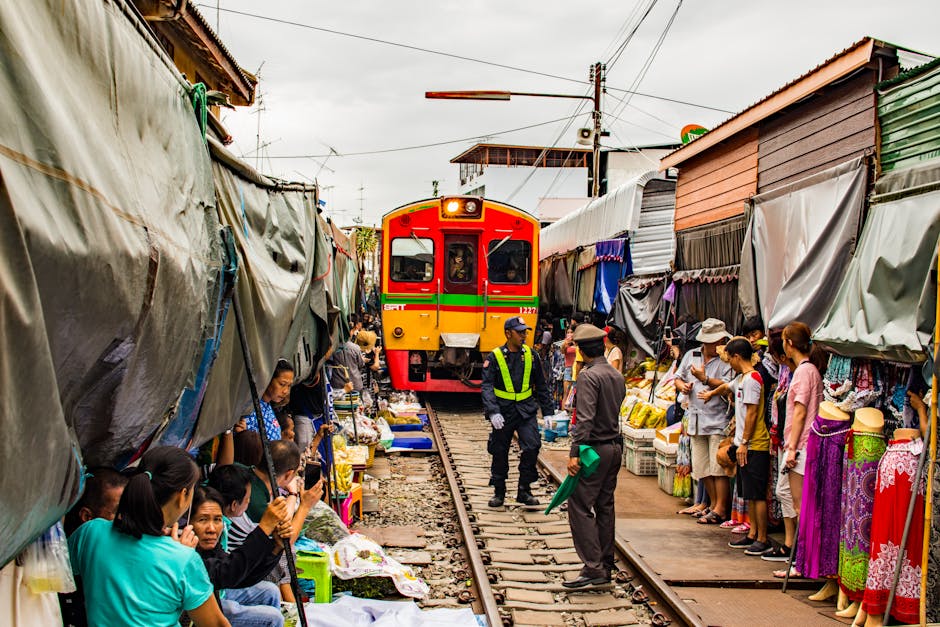
Train passing through Maeklong Railway Market in Thailand, Mae Salong, Thailand
FAQs: Your Mae Salong, Thailand Questions Answered
1. Is Mae Salong, Thailand safe at night?
Extremely safe. The town is small, close-knit, and has a very low crime rate. Walking alone at night is not a concern. The primary safety considerations are related to transport: drive carefully on the winding mountain roads, especially in fog or rain.
2. What currency is used and are credit cards accepted?
The Thai Baht (THB) is the currency. Cash is king in Mae Salong. While some higher-end resorts and a couple of restaurants may accept credit cards, you should assume you’ll need cash for market purchases, small restaurants, transport, and trekking guides. There is one ATM in town, but it can run out of money, so withdraw cash in Chiang Rai before arriving.
3. How do I get from the airport to the city center?
From Chiang Rai International Airport (CEI), the most convenient option is a pre-booked private transfer (approx. 1,500 THB, 1.5 hours). You can also take a taxi to Chiang Rai’s main bus station (200 THB) and then catch a songthaew to Mae Salong (100 THB, 2 hours, departs when full). For ease, book airport transfers at GetYourGuide for convenience.
4. Do I need to speak the local language?
No. Basic English is understood at hotels, main restaurants, and tea shops. Learning a few Thai phrases for greetings and thanks is always appreciated and enhances your interaction. In hill

