
Mae Sai, Thailand’s Hidden Border Crossings, Golden Temples & Mountain Vistas (2026)
At 7:00 AM, the Mae Sai border crossing hums with a unique energy as vendors from Myanmar’s Tachileik cross the Thai-Myanmar Friendship Bridge with baskets of fresh betel nut and lacquerware, while monks in saffron robes collect alms. The scent of sizzling pork satay from a nearby stall mixes with the morning mist rolling down from the Doi Tung mountains. This isn’t just a checkpoint; it’s a daily cultural exchange that defines Thailand’s northernmost town, a place where two worlds meet over a concrete river.
Why Mae Sai, Thailand Stands Out

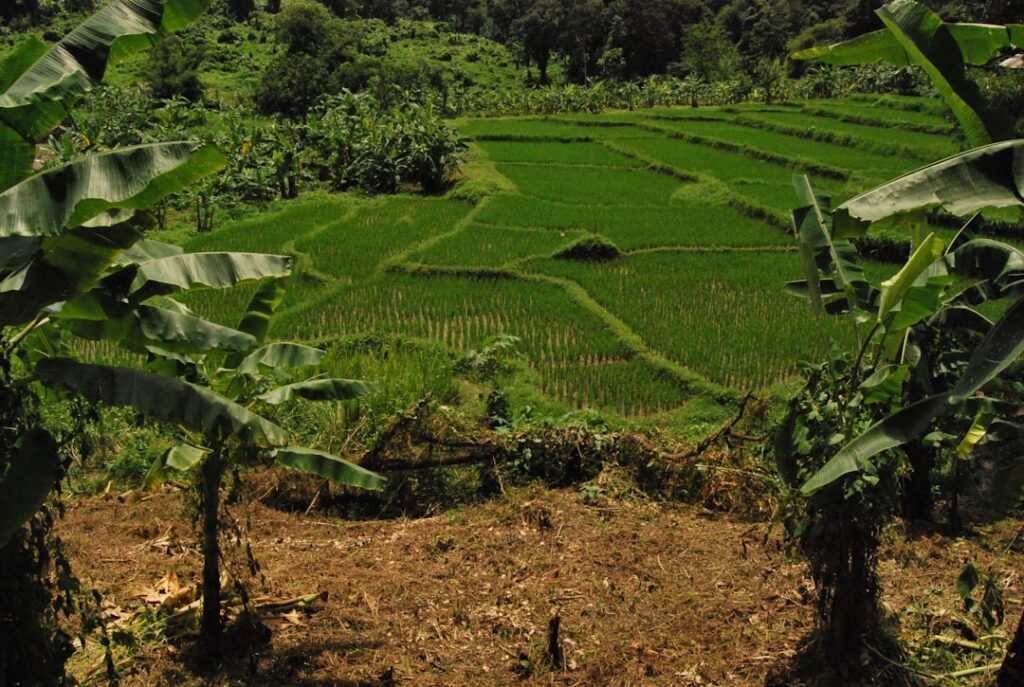
Green trees on mountain during daytime, Mae Sai, Thailand
- Historic Architecture: The gleaming white Phra Boromathat Chedi, built in 1996 to commemorate the King’s 50th anniversary, offers panoramic views of two nations from its hilltop perch.
- Cultural Scene: The vibrant Mae Sai Market, especially on Saturdays, transforms into a microcosm of regional trade with Akha, Lahu, and Shan hill tribe textiles and crafts.
- Local Specialties: You must try Khao Soi Mae Sai, a rich, coconut-based curry noodle soup with a distinct northern flavor, often spicier than its Chiang Mai cousin.
Pro Tip: Visit between late November and February. You’ll avoid the intense heat and rainy season (July-October), and the clear, cool weather is perfect for exploring the border market and hiking to nearby hill tribe villages. For the border crossing, arrive before 9:00 AM to beat the tour bus crowds and the midday heat.
Map of Mae Sai, Thailand
Use these interactive maps to explore Mae Sai, Thailand and plan your route:
📍 View Mae Sai, Thailand on OpenStreetMap
🗺️ Open Mae Sai, Thailand in Google Maps
Planning Your Trip: Practical Essentials
Getting There and Around
- By Air: Fly into Chiang Rai International Airport (CEI), 68 km south. AirAsia and Bangkok Airways operate daily flights from Bangkok. A pre-booked taxi or shared minivan from the airport takes about 1.5 hours. Book flights at Skyscanner for best deals.
- By Train: Thailand’s rail network doesn’t reach Mae Sai. The nearest major station is in Chiang Mai. From there, you’ll need a 4-hour bus or car journey. For regional train travel planning, check routes at Trainline or the national railway website.
- By Car: The drive from Chiang Rai on Highway 110 is straightforward and scenic, taking about an hour. Parking is available near the main market. Renting a scooter (approx. 250 THB/day) offers great flexibility for nearby sights. Compare car rentals at RentalCars.com.
- Local Transport: Songthaews (red shared taxis) are the main transport, with fixed routes for 20-30 THB. Tuk-tuks are available for private hire (start at 60 THB for short trips). For trips to Doi Tung or the Golden Triangle, hiring a private songthaew for the day (1,500-2,000 THB) is your best bet.
Best Time to Visit
Mae Sai has three distinct seasons, with the cool winter offering the most comfortable conditions for exploration and border market visits.
| Season | Weather | Highlights |
|---|---|---|
| Cool Season (Nov–Feb) | 15°C – 30°C, dry and sunny | Ideal for all activities, bustling border market, clear mountain views. Peak tourist season. |
| Hot Season (Mar–Jun) | 25°C – 38°C, very hot and humid | Fewer crowds, good for early morning temple visits. Can be uncomfortably hot by afternoon. |
| Rainy Season (Jul–Oct) | 23°C – 32°C, frequent heavy showers | Lush green landscapes, lowest prices. Border activities may be disrupted by rain; some rural roads impassable. |
Budgeting for Mae Sai, Thailand

Farmers harvesting rice in a lush field in Mae Hong Son, Thailand., Mae Sai, Thailand
| Category | Budget | Mid-range | Luxury |
|---|---|---|---|
| Accommodation | 300-600 THB (hostel/guesthouse) | 800-1,500 THB (boutique hotel) | 2,500+ THB (resort with view) |
| Meals | 50-100 THB (street food/market) | 150-300 THB (local restaurant) | 500+ THB (hotel fine dining) |
| Transport | 40-100 THB (songthaew/tuk-tuk) | 300-500 THB (scooter rental) | 1,500+ THB (private car hire) |
| Activities | 0-100 THB (temples/market) | 200-500 THB (museum entry) | 1,000+ THB (guided tours) |
| Daily Total | 500-900 THB | 1,500-2,500 THB | 5,000+ THB |
Top Attractions and Must-See Sights
| Attraction | Description | Hours | Entry Fee |
|---|---|---|---|
| Thai-Myanmar Border Crossing | Experience the daily flow of life and commerce at Thailand’s northernmost point; you can get a day-pass to Tachileik, Myanmar. | Border: 6:30 AM – 8:00 PM | Free (Myanmar day-pass: 500 THB + passport) |
| Phra Boromathat Chedi (Wat Phra That Doi Wao) | A stunning white chedi on a hill offering unparalleled 360-degree views of Mae Sai and Myanmar, especially magical at sunset. | 7:00 AM – 6:00 PM | Free (Donation appreciated) |
| Mae Sai Market (Talad Mae Sai) | A sprawling, authentic market where you’ll find everything from Chinese electronics and Shan bags to fresh produce and local snacks. | Daily, 7:00 AM – 6:00 PM (best in AM) | Free |
| Hall of Opium (at the Golden Triangle) | A world-class museum 40 minutes away in Sop Ruak, detailing the region’s complex history with the opium trade through immersive exhibits. | 8:30 AM – 4:00 PM (Closed Mon) | 200 THB |
3-Day Itinerary: Mae Sai, Thailand’s Highlights & Hidden Gems
Day 1: Border Town Immersion
- Morning (7:00 AM): Start at the **Mae Sai Border**. Watch the morning rush, then cross for a day in **Tachileik, Myanmar** (bring passport, 500 THB fee). Explore the vibrant **Shwedagon Pagoda replica** and the local market. Your best bet is to return by 1:00 PM.
- Afternoon (1:30 PM): Have lunch at **Khao Soi Mae Sai** restaurant (on the main road near the bridge) for their signature namesake dish (80 THB). Afterwards, wander the maze of **Mae Sai Market** looking for hill tribe silverwork.
- Evening (6:00 PM): Climb the 100+ steps to **Phra Boromathat Chedi** for sunset. Then, enjoy dinner at **Baan Rim Taan**, a riverside restaurant known for its grilled river fish and cold Beer Chang.
Day 2: Culture & History
- Morning (8:30 AM): Hire a songthaew (approx. 1,800 THB round-trip) for the 40-minute drive to the **Golden Triangle**. Visit the **Hall of Opium** (200 THB) – allow 2 hours. The exhibits on the history of the trade are profoundly insightful.
- Afternoon (12:30 PM): Have lunch at **Salathip Golden Triangle**, enjoying the view where the Ruak River meets the Mekong. Then, visit the **Big Buddha of the Golden Triangle** at Wat Phra That Pu Khao.
- Evening (5:00 PM): Return to Mae Sai. For a casual evening, explore the **night food stalls** near the market, trying Sai Oua (northern herb sausage) and sticky rice.
Day 3: Mountain Vistas & Local Life
- Morning (8:00 AM): Rent a scooter (250 THB) for the stunning 50-km ride up **Doi Tung Mountain**. Visit the **Doi Tung Royal Villa** (150 THB), the former home of the Princess Mother, and the immaculate **Mae Fah Luang Gardens**.
- Afternoon (1:00 PM): Have lunch at the **Doi Tung Café** supporting local community projects. On the drive back, stop at the **Akha or Lahu hill tribe villages** near the roadside to respectfully browse handicrafts.
- Evening (6:00 PM): Enjoy a final dinner at **Kai Yang Wat Prathat**, famous for its succulent grilled chicken. Savvy visitors end the night with a stroll along the Sai River promenade.
Cultural Insights & Etiquette
- Language: Thai is the main language. Learn “Sawasdee” (hello), “Khop khun” (thank you), and “Mai phet” (not spicy). Basic English is understood in shops and hotels near the border.
- Customs: The head is sacred, the feet are low. Never touch someone’s head or point your feet at people or Buddha images. When visiting temples, dress modestly and sit with your feet tucked behind you.
- Tipping: Not mandatory but appreciated. Round up taxi fares, leave 20-40 THB for restaurant servers, and leave small bills for hotel housekeeping.
- Dress Code: Cover shoulders and knees in temples. The border area is more relaxed, but respectful attire is expected at religious sites. Pack a light scarf or shawl.
- Business Hours: Shops: 9:00 AM – 7:00 PM. Government offices: 8:30 AM – 4:30 PM. Markets start early. Most businesses are open daily.
Where to Eat: Mae Sai, Thailand’s Best Bites
Mae Sai’s cuisine reflects its border location, with influences from Myanmar, Yunnan (China), and Northern Thai (Lanna) cooking. Street food is exceptional, and riverside dining is a must for the atmosphere.
Must-Try Local Specialties
- Khao Soi Mae Sai: The local take on the northern curry noodle soup, often with a darker, richer broth and your choice of chicken or beef. Find it at dedicated shops like “Khao Soi Mae Sai” near the bridge.
- Khanom Jeen Nam Ngiao: A tangy, tomato and minced pork-based broth served over fermented rice noodles, a specialty of the north. Try it at small local eateries for an authentic lunch.
- Mieng Kham: A DIY snack of betel leaves filled with roasted coconut, ginger, lime, shallots, and dried shrimp, topped with a sweet-savory sauce. Often sold by street vendors in the market.
Restaurant Recommendations by Budget
| Type | Restaurant | Specialty | Price Range |
|---|---|---|---|
| Budget | Mae Sai Market Food Stalls (Various) | Grilled skewers, noodle soups, fresh fruit shakes | 30-80 THB per item |
| Mid-range | Baan Rim Taan (Riverside Rd) | Grilled whole fish with mango salad, river prawns | 150-350 THB per dish |
| Fine dining | The Imperial Golden Triangle Resort Restaurant (Sop Ruak) | International & Thai fusion with panoramic Mekong views | 500+ THB per dish |
Where to Stay
Accommodation in Mae Sai ranges from basic guesthouses for border runners to comfortable riverside hotels. Staying near the bridge puts you in the heart of the action, while places further out offer more peace. Compare prices and book at Booking.com or Airbnb for apartments.
Best Neighborhoods for Accommodation
- Near the Border Bridge: The most convenient location for crossing and market access. Can be noisy and bustling. Ideal for short stays and explorers. (e.g., Piyaporn Place Hotel).
- Riverside (Sai River): Offers pleasant views, slightly quieter than the bridge area, with good restaurant options. A 10-15 minute walk to the border. (e.g., Baan Farang Resort).
- Outskirts/Towards Doi Tung: The quietest option, often with more garden space. Requires transport (scooter/taxi) to get to town. Perfect for those seeking relaxation after day trips. (e.g., Doi Tung Lodge).

Capture the excitement of Mae Klong Market in Thailand with a train passing…, Mae Sai, Thailand
FAQs: Your Mae Sai, Thailand Questions Answered
1. Is Mae Sai, Thailand safe at night?
Yes, Mae Sai is generally safe for travelers at night. The main market and bridge areas are well-lit and populated until late. As always, exercise standard precautions: avoid poorly lit alleys, don’t flash valuables, and be aware of your surroundings, especially near the border. Solo travelers report feeling secure.
2. What currency is used and are credit cards accepted?
The Thai Baht (THB) is the currency. While credit cards are accepted at larger hotels and some upscale restaurants, cash is king in markets, street food stalls, and for local transport. ATMs are widely available. If crossing to Myanmar, you’ll need Thai Baht for the day-pass, but US Dollars are also widely accepted in Tachileik.
3. How do I get from the airport to the city center?
From Chiang Rai International Airport, the most convenient option is a pre-booked private taxi (approx. 1,200-1,500 THB, 1.5 hours). Shared minivans can be found at the airport for about 300 THB per person but may make multiple stops. Book airport transfers at GetYourGuide for convenience.
4. Do I need to speak the local language?
No, but learning a few phrases is appreciated. In tourist areas, hotels, and border shops, basic English is common. For deeper exploration or dealing with transport, a translation app or phrasebook is helpful. Key phrases: “Tao Rai?” (How much?), “Hong nam yu nai?” (Where is the bathroom?).

