
Madingou, Republic of the Congo: Hidden River Life, Colonial History & Authentic Kongo Culture (2026)
While crowds flock to Brazzaville’s bustling streets, Madingou, the capital of the Bouenza Department, delivers a profound sense of Kongo authenticity without the capital’s pace. Here, the Kouilou-Niari River isn’t just a backdrop; it’s the town’s lifeblood, where fishermen cast nets at dawn and children bathe in the afternoon sun. This is the real, rhythmic heart of southern Congo, where history whispers from colonial-era buildings and the vibrant local market offers a taste of daily life far from the tourist trail.
Why Madingou, Republic of the Congo Stands Out
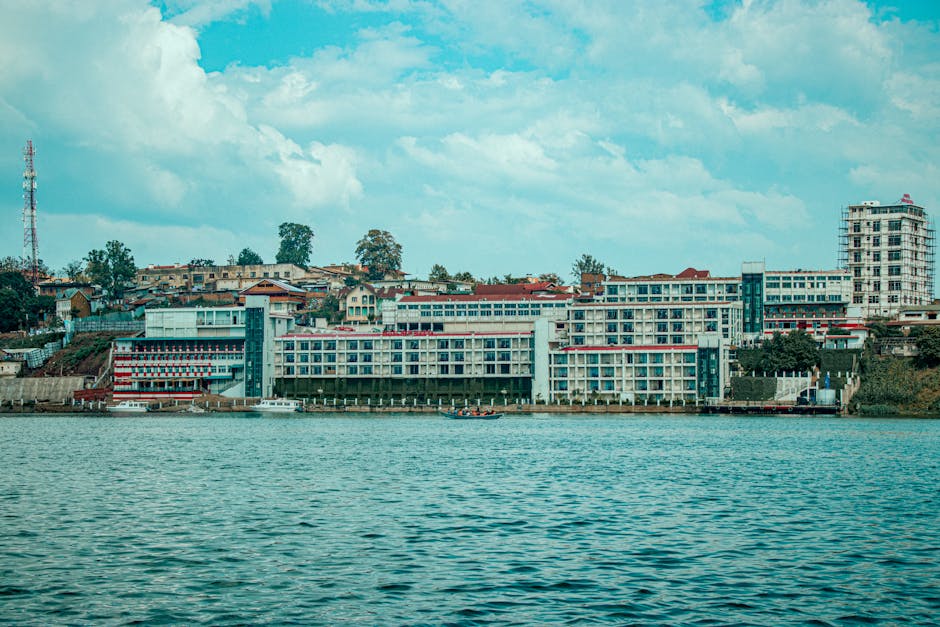
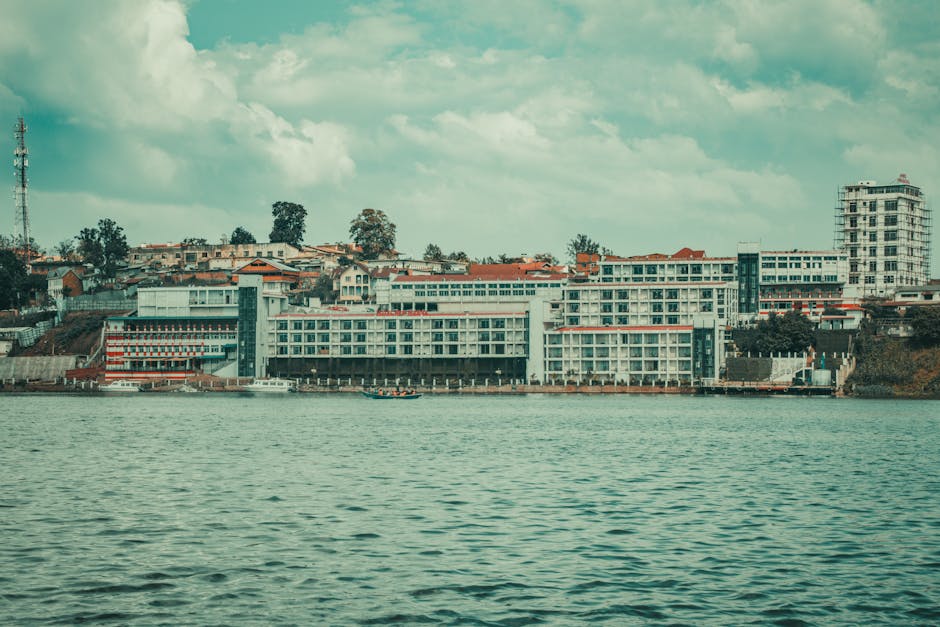
Urban landscape of Bukavu, Madingou, Republic of the Congo
- Historic Architecture: The striking, red-brick Prefecture building, a legacy of the French colonial administration from the early 20th century, stands as a silent testament to the region’s complex past.
- Cultural Scene: The annual celebration of local Kongo traditions, often featuring vibrant Likembé (thumb piano) music and spirited dance, offers a window into the soul of the region.
- Local Specialties: You must try Pondu, a flavorful stew made from finely crushed cassava leaves, often cooked with fish, peanuts, and palm oil, served with fufu or rice.
Pro Tip: Plan your visit for the dry season months of June through September. Not only will you avoid the heavy rains that can make rural travel difficult, but this period also coincides with several local harvest festivals, offering a chance to see vibrant community celebrations that aren’t on any official tourist calendar.
Map of Madingou, Republic of the Congo
Use these interactive maps to explore Madingou, Republic of the Congo and plan your route:
📍 View Madingou, Republic of the Congo on OpenStreetMap
🗺️ Open Madingou, Republic of the Congo in Google Maps
Planning Your Trip: Practical Essentials
Getting There and Around
- By Air: The nearest major airport is Maya-Maya Airport (BZV) in Brazzaville. From there, you’ll travel overland. Book flights at Skyscanner for best deals.
- By Train: Madingou is a key stop on the Congo-Ocean Railway (CFCO) line linking Brazzaville to Pointe-Noire. The journey from Brazzaville takes approximately 6-8 hours, offering stunning views of the Niari valley. Reserve tickets at the national railway office in advance, as schedules can be irregular.
- By Car: The National Road 1 (RN1) connects Brazzaville to Madingou. The drive is roughly 220km and takes about 4-5 hours. A 4×4 is recommended, especially in the rainy season. Compare car rentals at RentalCars.com in Brazzaville.
- Local Transport: Within Madingou, your primary options are motorcycle taxis (“moto-taxis”) for short trips (expect to pay 300-500 XAF) and shared taxis for longer routes. Always agree on the fare before starting your journey.
Best Time to Visit
Madingou’s tropical climate features a long rainy season and a dry season. Savvy travelers target the dry season for ease of exploration, though the landscape is lush and green just after the rains.
| Season | Weather | Highlights |
|---|---|---|
| Long Dry Season (Jun–Sep) | Warm, 24-28°C (75-82°F), low humidity, minimal rain. | Ideal for all travel, river activities, and attending local festivals. Peak travel time for domestic visitors. |
| Long Rainy Season (Oct–May) | Hot, 25-30°C (77-86°F), high humidity, frequent heavy downpours. | Landscape is intensely green; fewer visitors. Travel can be challenging due to muddy roads and potential transport delays. |
| Short Dry Spell (Jan–Feb) | A brief, slightly drier period within the rainy season. | A compromise for those wanting lush scenery with slightly less rain. Always carry a raincoat. |
Budgeting for Madingou, Republic of the Congo
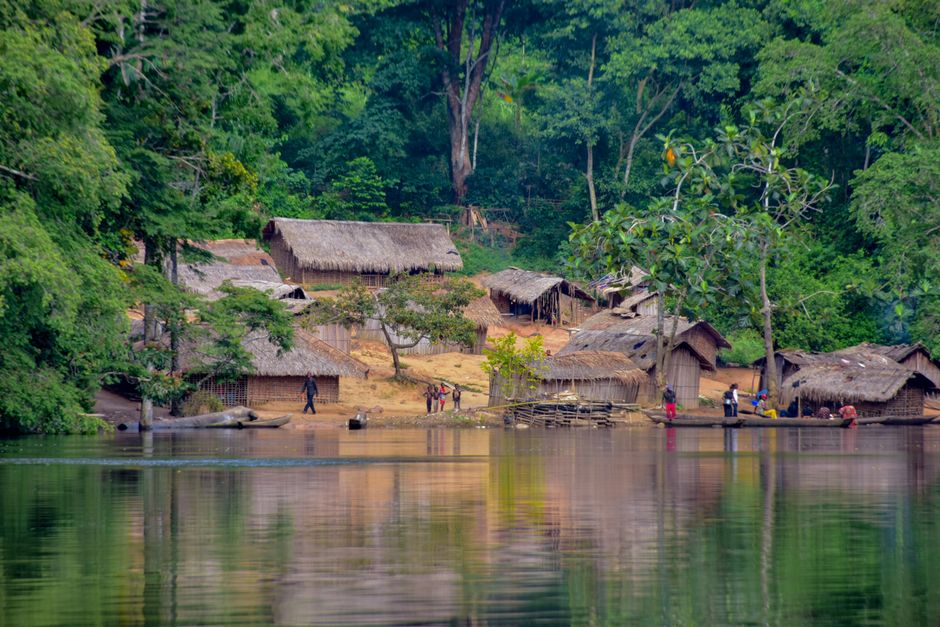
Scenic view of a rural village along a river in the lush Congo rainforest., Madingou, Republic of the Congo
| Category | Budget | Mid-range | Luxury |
|---|---|---|---|
| Accommodation | 15,000 – 25,000 XAF/night (basic guesthouse) | 40,000 – 70,000 XAF/night (local hotel with AC) | 80,000+ XAF/night (best available in region) |
| Meals | 3,000 – 5,000 XAF (street food, market meal) | 8,000 – 15,000 XAF (restaurant sit-down meal) | 20,000+ XAF (hotel restaurant) |
| Transport | 500-1,000 XAF/day (moto-taxis) | 10,000-20,000 XAF/day (private taxi hire) | 30,000+ XAF (private car & driver) |
| Activities | Free (market, river walks) | 5,000 – 10,000 XAF (guided local tour) | 15,000+ XAF (private cultural experience) |
| Daily Total | 20,000 – 35,000 XAF | 60,000 – 110,000 XAF | 140,000+ XAF |
Top Attractions and Must-See Sights
| Attraction | Description | Hours | Entry Fee |
|---|---|---|---|
| Madingou Central Market | A sensory explosion of colors, sounds, and smells, offering everything from fresh produce and smoked fish to vibrant textiles and local crafts. | Daily, 7 AM – 5 PM | Free |
| The Kouilou-Niari River Banks | The social and economic heart of the town; perfect for observing daily life, from laundry and fishing to children playing. | Always accessible | Free |
| Colonial Administrative Quarter | A quiet area featuring historic buildings like the Prefecture, offering a glimpse into the town’s past architectural style. | Viewable from outside always | Free |
| Local Artisan Workshops | Seek out small workshops where craftsmen create wooden sculptures, baskets, and traditional musical instruments like the Likembé. | Varies; mornings best | Free to view; purchase varies |
3-Day Itinerary: Madingou, Republic of the Congo’s Highlights & Hidden Gems
Day 1: Immersion in Town Life & History
- Morning (7-9 AM): Start at the **Kouilou-Niari River** to watch the morning activity as fishermen bring in their catch and the town wakes up. Your best bet is to find a spot near the main washing area.
- Afternoon (12-3 PM): Dive into the **Madingou Central Market**. For lunch, look for a market vendor serving **Mbika** (ground pumpkin seed cakes) with grilled fish for about 2,500 XAF.
- Evening (6-8 PM): Take a stroll through the **Colonial Administrative Quarter** in the softer light. For dinner, try a local eatery like **Chez Maman** for a hearty plate of Pondu and rice (approx. 4,500 XAF).
Day 2: Culture, Craft & Scenic Exploration
- Morning (8 AM): Hire a moto-taxi (approx. 3,000 XAF round-trip) to visit a **local pottery or woodcarving workshop** on the outskirts of town. You’ll see artisans using techniques passed down for generations.
- Afternoon (1 PM): Enjoy a relaxed lunch at a **maquis (open-air restaurant)**. Try **Poulet Moambé** (chicken in a rich palm nut sauce) with plantains. Afterwards, visit the **main Catholic church**, a simple but central community landmark.
- Evening (7 PM): Inquire locally if there are any **impromptu music gatherings**. Often, musicians play in courtyards or small bars—these unplanned events are where you’ll hear the most authentic sounds.
Day 3: River Perspectives & Local Flavors
- Morning (9 AM): Arrange with a local fisherman for a short **river trip** on a pirogue (dugout canoe). A one-hour trip might cost around 5,000 XAF per person and offers a unique view of the town.
- Afternoon (12 PM): Have a final feast at a restaurant known for its **Liboké** (fish or meat steamed in banana leaves). Ask for **Liboké de Capitaine** (Nile perch).
- Evening (5 PM): Take one last walk through the market as it winds down, picking up any last-minute crafts. Enjoy a simple, fresh dinner before your departure.
Cultural Insights & Etiquette
- Language: French is the official language. Learning a few phrases in Kituba (a national lingua franca), like “Mbote” (Hello) and “Matondo” (Thank you), will earn you warm smiles.
- Customs: Greetings are essential. Always greet people before asking questions or taking photos. A handshake is common, sometimes followed by a snap of the fingers—follow the local lead.
- Tipping: Not widely expected but greatly appreciated for good service. Rounding up a taxi fare or leaving 500-1,000 XAF at a restaurant is a kind gesture.
- Dress Code: Dress modestly. Avoid very short shorts or revealing tops, especially when visiting administrative areas or more rural communities.
- Business Hours: Shops and offices typically operate from 7:30 AM to 12 PM, and 3 PM to 6 PM, Monday to Friday, with a long midday break. The market is busiest in the morning.
Where to Eat: Madingou, Republic of the Congo’s Best Bites
Dining in Madingou is about authentic, home-style Congolese cuisine. You’ll find few formal menus; instead, daily specials are often presented or described. The communal spirit of sharing a meal is central to the experience here.
Must-Try Local Specialties
- Pondu: The iconic cassava leaf stew, packed with vitamins and flavor, often cooked with fish or meat. The best versions are found in local homes or small maquis like **Le Délicieux** near the market.
- Liboké: Fish, chicken, or wild game steamed to perfection in a parcel of banana leaves with spices and sometimes peanuts. A must-try for its smoky, concentrated flavor.
- Fufu: A staple side made from cassava or plantain flour, served with soups and stews. The skill is in eating it with your right hand, using it to scoop up sauce.
Restaurant Recommendations by Budget
| Type | Restaurant | Specialty | Price Range |
|---|---|---|---|
| Budget | Market Stalls (Central Market) | Grilled fish, beignets, fresh fruit | 1,000 – 3,000 XAF |
| Mid-range | Le Relais de Madingou (Town Center) | Grilled meats, Poulet Moambé, cold beers | 6,000 – 12,000 XAF |
| Fine dining | Hotel Restaurant (at the town’s main hotel) | International & Congolese dishes in an AC setting | 15,000 – 25,000 XAF |
Where to Stay
Accommodation in Madingou is functional rather than luxurious, focusing on providing a clean base for exploration. Options range from very basic guesthouses to a couple of established hotels. Compare prices and book at Booking.com for hotels or inquire locally for guesthouses.
Best Neighborhoods for Accommodation
- Town Center: Close to the market, train station, and main services. This is your most convenient bet, though it can be noisy. Suits first-time visitors wanting to be in the middle of the action.
- Near the Administrative Quarter: Generally quieter, with slightly better-kept streets and closer to historical buildings. Ideal for travelers seeking a more peaceful stay within walking distance of the core.
- Outskirts along the RN1: A few lodgings are found on the main road into town. These often have easier parking but require moto-taxis to reach the center. Best for those with their own vehicle.

Stunning aerial shot of Basílica Catedral Nuestra Señora de la Altagracia i…, Madingou, Republic of the Congo
FAQs: Your Madingou, Republic of the Congo Questions Answered
1. Is Madingou, Republic of the Congo safe at night?
Madingou is generally a calm town. Basic precautions apply: avoid walking alone in unlit areas after dark, use a moto-taxi for evening transport, and keep valuables discreet. The central areas around main hotels and restaurants are typically fine. Always trust your instincts and ask your accommodation host for area-specific advice.
2. What currency is used and are credit cards accepted?
The Central African CFA Franc (XAF) is the currency. Cash is king in Madingou. Very few, if any, establishments accept credit cards. You must bring enough cash for your entire stay. There are limited ATMs, and they are not always reliable, so it’s wise to withdraw cash in Brazzaville before traveling.
3. How do I get from the train station to the town center?
The Madingou train station is located within the town. Upon arrival, you’ll find plenty of moto-taxis waiting. A ride to any central hotel or guesthouse should cost between 300-500 XAF. It’s a short journey. For a more comfortable arrival with luggage, you can pre-arrange a pickup with your hotel.
4. Do I need to speak the local language?
French is essential for basic communication. Very little English is spoken. Learning a few polite phrases in French (Bonjour, Merci, S’il vous plaît) is crucial. Using even a single word in Kituba (like “Mbote”) shows respect and will be met with great enthusiasm, opening doors to warmer interactions.
5. What’s the appropriate dress code?
Opt for lightweight, breathable cotton or linen clothing that covers shoulders and knees, especially for men and women when not at the river. This shows respect in the community. For the river or very hot days, modest shorts and t-shirts are acceptable, but have a cover-up ready for moving back into town.
Final Thoughts: Madingou, Republic of the Congo Awaits
Madingou offers a travel experience defined not by checklist attractions, but by authentic immersion. This is where you feel the rhythm of the river, taste the depth of traditional Kongo cuisine, and connect with a community largely untouched by mass tourism. It requires a spirit of adventure and a willingness to embrace a different pace.

