
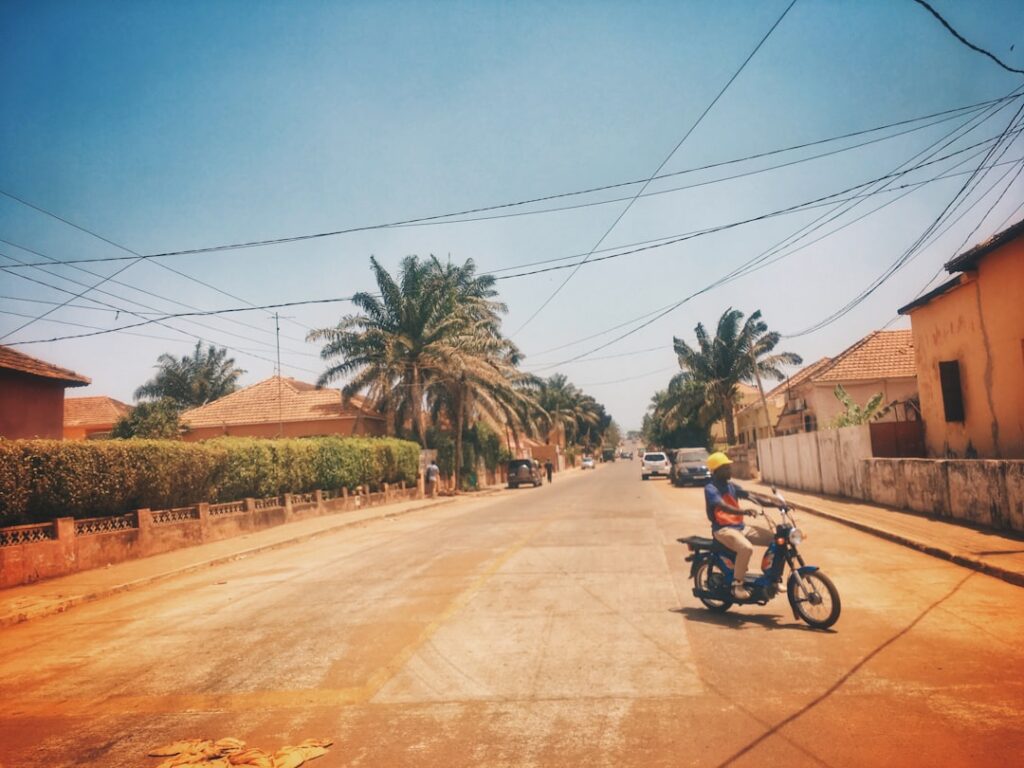
Lola, Guinea’s Essential Rainforests, Coffee & Untouched Culture (2026)
While crowds flock to the beaches of Conakry, Lola, Guinea delivers a profound immersion into West Africa’s green heart without a single souvenir stand in sight. Tucked into the southeastern corner of the country, this prefecture is the primary gateway to the sacred Mount Nimba Strict Nature Reserve, a UNESCO World Heritage site shared with Côte d’Ivoire. Here, you’re not just a tourist; you’re one of perhaps a few hundred international visitors a year stepping into a landscape where cloud forests shroud iron-rich peaks and local traditions pulse with an authenticity long lost elsewhere. This is where Guinea’s soul is most vividly on display.
Why Lola, Guinea Stands Out

A flag with stars, Lola, Guinea
- Historic Architecture: The colonial-era Governor’s Residence, built in the early 1900s, stands as a weathered testament to the region’s administrative past and offers a glimpse into its layered history.
- Cultural Scene: The annual Yam Festival celebrated by the local Guerzé and Manon peoples is a vibrant, rhythmic event marking the harvest with masked dances and community rituals rarely seen by outsiders.
- Local Specialties: You must try a cup of locally grown, forest-shaded coffee, considered some of Guinea’s finest, often brewed strong and served with generous hospitality.
Pro Tip: Plan your visit for the dry season, specifically between November and February. This window offers the most accessible trekking conditions on Mount Nimba and coincides with several post-harvest cultural celebrations. Avoid the peak rainy months of July and August when roads can become impassable.
Map of Lola, Guinea
Use these interactive maps to explore Lola, Guinea and plan your route:
📍 View Lola, Guinea on OpenStreetMap
🗺️ Open Lola, Guinea in Google Maps
Planning Your Trip: Practical Essentials
Getting There and Around
- By Air: The nearest major airport is in Nzérékoré (NZR), approximately a 2-3 hour drive from Lola town. There are limited domestic flights from Conakry. Book flights at Skyscanner for best deals.
- By Train: There are no passenger train services to Lola. All long-distance travel is by road.
- By Car: The journey from Conakry is long (12+ hours) but scenic. A 4×4 is highly recommended, especially in the rainy season. You can arrange a private driver or rental in Nzérékoré. Compare car rentals at RentalCars.com for options in larger cities.
- Local Transport: Within Lola town, motorcycle taxis (“motos”) are the primary and most efficient mode of transport. Expect to pay 2,000-5,000 GNF per short trip. For trips to villages or Mount Nimba, you’ll need to hire a vehicle and driver for the day.
Best Time to Visit
The climate is tropical, with a distinct dry season offering the best conditions for exploration. The lush greenery is most vibrant just after the rains, but accessibility is key.
| Season | Weather | Highlights |
|---|---|---|
| Dry Season (Nov–Feb) | 22°C – 30°C (72°F – 86°F), sunny, low humidity | Ideal for trekking Mount Nimba, road access is best, cultural festivals likely. Peak season for regional travelers. |
| Rainy Season (Jun–Oct) | 20°C – 28°C (68°F – 82°F), heavy, daily rainfall | Landscape is incredibly lush and green, but trails are muddy and some roads may be closed. Very few tourists. |
| Shoulder (Mar–May) | 24°C – 32°C (75°F – 90°F), increasing heat and humidity | A good balance, with rains building later in the period. You may find lower guide prices and quieter trails. |
Budgeting for Lola, Guinea

A view of the ocean from the top of a hill, Lola, Guinea
| Category | Budget | Mid-range | Luxury |
|---|---|---|---|
| Accommodation | 80,000 – 150,000 GNF ($9-$17) for a basic guesthouse | 200,000 – 350,000 GNF ($23-$40) for a comfortable local hotel | Limited true luxury; 400,000+ GNF ($45+) for the best available suite |
| Meals | 15,000 – 30,000 GNF ($1.70-$3.40) at street stalls & maquis | 30,000 – 60,000 GNF ($3.40-$6.80) at decent local restaurants | 70,000+ GNF ($8+) for a multi-course meal at a top hotel |
| Transport | Motorcycle taxis (2,000-5,000 GNF per ride) | Hired car with driver (~300,000 GNF/$34 per day) | Private 4×4 with experienced guide (~500,000 GNF/$57+ per day) |
| Activities | Market visits, town walks (free) | Guided village visit (~50,000 GNF/$6), Reserve entry fees | Multi-day guided trek on Mount Nimba with camping |
| Daily Total | 120,000 GNF ($14) | 400,000 GNF ($45) | 800,000+ GNF ($90+) |
Top Attractions and Must-See Sights
| Attraction | Description | Hours | Entry Fee |
|---|---|---|---|
| Mount Nimba Strict Nature Reserve | A UNESCO site with unique endemic species and breathtaking cloud forest hikes, accessible only with an official guide. | Daylight hours; guide required | ~50,000 GNF + guide fee (approx. 150,000 GNF/day) |
| Lola Central Market | The vibrant hub of daily life, where you can find everything from fresh coffee beans and spices to traditional textiles and crafts. | 7:00 AM – 6:00 PM daily | Free |
| Sacred Forests of Bossou | Home to a community of chimpanzees studied for decades, offering a chance for responsible primate observation. | Visits arranged via research station | ~30,000 GNF contribution |
| Local Coffee Cooperatives | Visit a small-scale farm to see the process from bean to cup and purchase some of Guinea’s most aromatic coffee directly. | By arrangement | Free (purchase expected) |
3-Day Itinerary: Lola, Guinea’s Highlights & Hidden Gems
Day 1: Immersion in Town & Culture
- Morning (7-9 AM): Start early at the **Lola Central Market** as it comes to life. Watch vendors arrange piles of fresh produce, smell the roasting coffee, and browse local fabrics. Your best bet is to go with a local guide who can explain the goods and help with introductions.
- Afternoon (12-3 PM): Visit the old **Governor’s Residence** for a photo, then enjoy lunch at **Maquis Chez Fatou**, a popular local spot known for its hearty _riz gras_ (rice with meat and vegetables) for about 20,000 GNF.
- Evening (6-8 PM): Take a stroll through the quieter neighborhoods as the day cools. For dinner, try **Restaurant Le Nimba** for grilled fish or chicken with attiéké (cassava couscous). Wind down with a potent, sweet local coffee.
Day 2: The Foothills of Mount Nimba
- Morning (7 AM): Depart with a pre-arranged guide and 4×4 (approx. 300,000 GNF for the day) for the **Mount Nimba Strict Nature Reserve**. A short 2-3 hour guided hike into the lower slopes reveals stunning vistas and unique flora. Remember to wear sturdy shoes.
- Afternoon (1 PM): Enjoy a packed lunch with a view. On the return journey, stop at a **village on the reserve’s periphery** to see traditional mud-brick architecture and, if welcomed, learn about local life.
- Evening (7 PM): Return to Lola tired but exhilarated. Dinner can be simple—perhaps a plate of _alloco_ (fried plantains) with spicy sauce from a street vendor, costing around 5,000 GNF.
Day 3: Chimpanzees & Coffee
- Morning (8 AM): Hire a car for the ~1.5 hour drive to **Bossou** (approx. 200,000 GNF round-trip). Visit the research station and, with luck and patience, observe the resident chimpanzee community from a respectful distance in their forest habitat.
- Afternoon (12:30 PM): Have lunch in Bossou or back in Lola. Then, visit a **local coffee cooperative** on the outskirts of town. A farmer will likely show you the drying beds and explain the process, ending with a tasting.
- Evening (6 PM): For your final evening, savor your last Guinean meal. Pick up some freshly roasted coffee beans (about 10,000 GNF per bag) from the market as the perfect authentic souvenir.
Cultural Insights & Etiquette
- Language: French is the official language. Learning a few phrases in Guerzé or Manon, like “_N’zere_” (Thank you), will delight locals. Most people in the market speak only local languages.
- Customs: Always greet people properly before asking questions or taking photos. A handshake is common, sometimes followed by touching your heart. Permission should always be sought before photographing individuals.
- Tipping: Not formally expected but deeply appreciated for good service. For a guide, rounding up the fee or adding 5-10% is a kind gesture. For small services, 1,000-2,000 GNF is sufficient.
- Dress Code: Modesty is key. Wear clothing that covers shoulders and knees, especially when visiting villages or religious sites. Light, breathable fabrics are best for the climate.
- Business Hours: Shops and markets are generally open from 8 AM to 6 PM, with a break around midday. Government offices keep shorter hours (8 AM – 4 PM). Friday is the Muslim holy day, so some businesses may close for prayers.
Where to Eat: Lola, Guinea’s Best Bites
Dining in Lola is a humble, authentic experience centered on shared meals and local ingredients. You won’t find fancy menus, but you will find flavor and generosity. Most eating happens at simple local restaurants called _maquis_ or from street vendors.
Must-Try Local Specialties
- Riz Gras: The national comfort food—rice cooked in a rich, tomato-based sauce with meat (often chicken or beef) and vegetables. Found at virtually every _maquis_ like **Maquis Chez Fatou**.
- Poulet Yassa: Marinated, grilled chicken or fish served with a tangy sauce of onions, lemon, and mustard, accompanied by rice. Ask if it’s available at **Restaurant Le Nimba**.
- Fouti: A hearty porridge made from corn, sorghum, or millet, typically served with a leafy green sauce. This is a true local staple, best experienced if invited to a home or at a very basic market stall.
Restaurant Recommendations by Budget
| Type | Restaurant | Specialty | Price Range |
|---|---|---|---|
| Budget | Market Street Stalls (near Central Market) | Alloco (fried plantains), grilled meat skewers, beignets | 1,000 – 10,000 GNF |
| Mid-range | Maquis Chez Fatou (Central Lola) | Riz Gras, Poulet Grillé, local stews | 15,000 – 35,000 GNF |
| Fine dining | Restaurant de l’Hôtel Mount Nimba (attached to the main hotel) | The most varied menu in town, including European dishes | 40,000 – 80,000 GNF |
Where to Stay
Accommodation in Lola is basic but functional. The focus here is on exploration, not luxury lodging. Most options are guesthouses or small local hotels. Book well in advance if visiting during a festival. Compare prices and book at Booking.com for some listings or Airbnb for rare local apartment options.
Best Areas for Accommodation
- Central Lola (Town Center): The most convenient location, close to the market, restaurants, and transport hubs. You’ll hear the buzz of daily life. Best for first-time visitors wanting easy access. Options like **Hôtel Mount Nimba** are here.
- Quiet Residential Streets: A few guesthouses are located on the outskirts of the main town center. These offer more peace and a closer feel to local living, but you’ll rely more on motorcycle taxis to get around.
- Near Mount Nimba Reserve: For serious trekkers, sometimes basic homestays or camping can be arranged with guides at the reserve entrance. This is for adventurous travelers seeking an early start on the trails.

Stunning twilight view of the iconic Brandenburg Gate in Berlin, Lola, Guinea
FAQs: Your Lola, Guinea Questions Answered
1. Is Lola, Guinea safe at night?
Lola is generally a peaceful town. Petty crime is low but not unheard of. The primary safety concern is road travel. Avoid walking alone in unlit areas at night; use a trusted motorcycle taxi even for short distances. Always heed local advice regarding travel to specific remote areas.
2. What currency is used and are credit cards accepted?
The Guinean Franc (GNF) is the currency. Cash is king in Lola. Bring enough CFA francs or Euros to exchange, or Guinean francs from a bank in Conakry or Nzérékoré. Credit cards are virtually never accepted, and ATMs are unreliable or non-existent. Plan your cash needs carefully.
3. How do I get from the airport to Lola town?
You will likely fly into Nzérékoré (NZR). From there, you need to pre-arrange a private taxi for the 2-3 hour drive to Lola, which can cost 400,000 – 600,000 GNF one way. Negotiate the price beforehand. There are no regular shuttle services. Book airport transfers at GetYourGuide for options originating in larger hubs, but for Lola, local arrangement is key.
4. Do I need to speak the local language?
French is essential for basic communication with hotel staff, guides, and in restaurants. Very little English is spoken

