
Lake Turkana, Kenya’s Amazing Ancient Fossils, Jade Waters & Tribal Traditions (2025)
What if the world’s largest permanent desert lake held secrets spanning 4 million years of human history? Lake Turkana proves this daily, where the same volcanic landscapes that preserved our earliest ancestors now cradle vibrant indigenous cultures. At dawn, the “Jade Sea” earns its name as sunlight transforms 250 cubic kilometers of water into a shimmering emerald expanse, while El Molo fishermen launch their handmade rafts using techniques unchanged for centuries. This is where humanity’s past and present collide in breathtaking scale.
Why Lake Turkana, Kenya Stands Out

Grey clouds hovering over lake, Lake Turkana, Kenya
- Historic Architecture: The 1932 Loyangalani Desert Museum showcases traditional Turkana and El Molo dwellings using indigenous building techniques passed down through generations.
- Cultural Scene: The annual Lake Turkana Cultural Festival each June brings together eight ethnic communities for traditional dances, camel races, and ancient rituals.
- Local Specialties: Freshly caught Nile perch grilled over acacia wood fires at local fishing camps – travelers still talk about the flavor years later.
Pro Tip: Visit during the June-August dry season when temperatures are bearable (around 35°C) and roads are passable – the July cultural festival makes this the absolute prime time, but book accommodations six months ahead as options are limited.
Map of Lake Turkana, Kenya
Use these interactive maps to explore Lake Turkana, Kenya and plan your route:
📍 View Lake Turkana, Kenya on OpenStreetMap
🗺️ Open Lake Turkana, Kenya in Google Maps
Planning Your Trip: Practical Essentials
Getting There and Around
- By Air: Fly to Lodwar Airport (LOK) via Safari Link from Nairobi Wilson, then arrange a 4×4 transfer (3-4 hours to lakeshore). Book flights at Skyscanner for best deals.
- By Train: No direct rail service exists – your best approach combines a flight to Lodwar with ground transport. Check national railway options at Trainline for regional connections.
- By Car: The A1 highway from Nairobi to Lodwar takes 12+ hours; from Lodwar to Loyangalani requires a rugged 4×4 vehicle. Compare car rentals at RentalCars.com.
- Local Transport: Boat hires (from $50/day) and guided 4×4 tours are essential – public transport is virtually nonexistent around the lake itself.
Best Time to Visit
Timing is everything at Lake Turkana – the extreme climate dictates when you can comfortably explore. Savvy travelers target the cooler dry months while avoiding the impassable rainy season.
| Season | Weather | Highlights |
|---|---|---|
| Summer (Jun–Aug) | 35-40°C, dry and windy | Cultural festival, best wildlife viewing, accessible roads |
| Winter (Dec–Feb) | 38-45°C, extremely hot | Fewer visitors, good fishing conditions, intense heat challenges |
| Shoulder (Apr–May/Sep–Oct) | Mixed conditions, some rain | Lower prices, green landscapes, but some areas inaccessible |
Budgeting for Lake Turkana, Kenya

Giraffe walking on brown grass field during daytime, Lake Turkana, Kenya
| Category | Budget | Mid-range | Luxury |
|---|---|---|---|
| Accommodation | $15-30 (basic camps) | $80-150 (lodge rooms) | $200-350 (full-service camps) |
| Meals | $5-10 (local eateries) | $15-25 (lodge dining) | $30-50 (private chefs) |
| Transport | Shared 4×4 $50/day | Private 4×4 $150/day | Charter flights $400+ |
| Activities | Free hiking, village visits | Guided tours $30-50 | Private boat charters $200 |
| Daily Total | $70-95 | $275-375 | $830-1050 |
Top Attractions and Must-See Sights
| Attraction | Description | Hours | Entry Fee |
|---|---|---|---|
| Sibiloi National Park | UNESCO World Heritage site with 4-million-year-old hominid fossils and petrified forest | 6 AM-6 PM | $35 |
| Central Island National Park | Volcanic island with three crater lakes filled with flamingos and crocodile breeding grounds | Sunrise to sunset | $25 + boat fee |
| South Island National Park | Remote wildlife sanctuary home to massive crocodile populations and rare bird species | Daylight hours | $25 + boat fee |
| Loyangalani Village | Traditional El Molo and Turkana community where ancient fishing traditions continue daily | All day | Village donation $10 |
3-Day Itinerary: Lake Turkana, Kenya’s Highlights & Hidden Gems
Day 1: Ancient Shores & Living Cultures
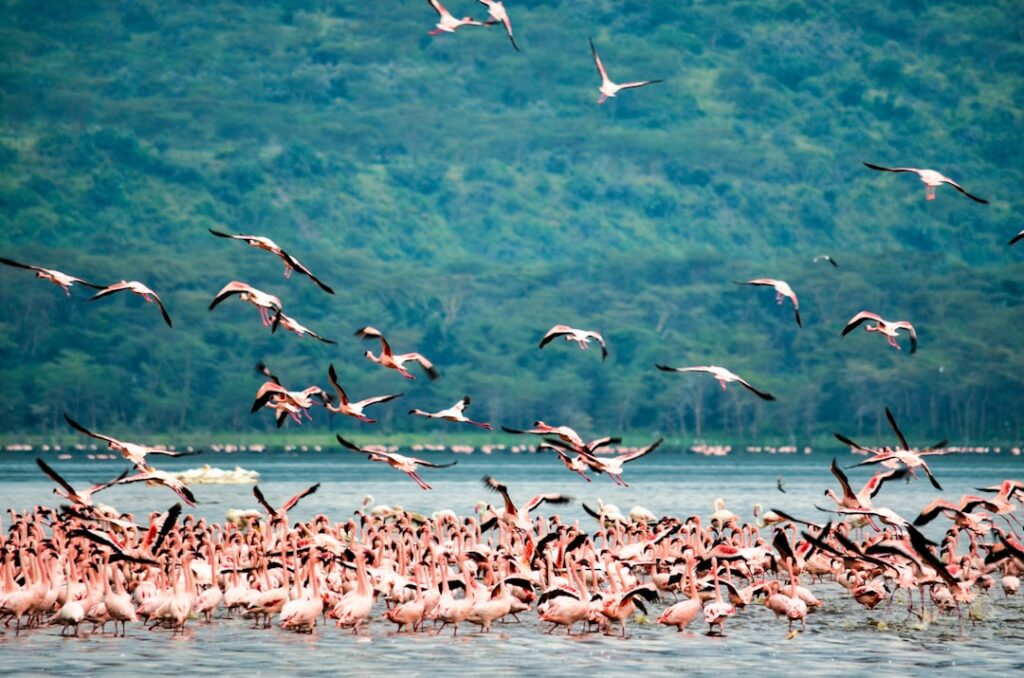
- Morning: 7 AM boat departure from Loyangalani to Central Island ($60 including park fees) to witness thousands of flamingos in the crater lakes and observe Nile crocodiles in their natural habitat.
- Afternoon: 1 PM El Molo village visit with traditional lunch of grilled tilapia and ugali at a family compound – don’t miss their handmade beadwork.
- Evening: 6:30 PM sunset viewing from Ferguson’s Gulf followed by dinner at Oasis Lodge ($25) featuring their signature spiced Nile perch.
Day 2: Fossil Beds & Volcanic Landscapes
- Morning: 6 AM 4×4 drive to Sibiloi National Park ($35 entry + $150 transport) to see Koobi Fora fossil beds where Richard Leakey’s team discovered Homo habilis.
- Afternoon: Petrified Forest exploration and lunch at the research station – pack extra water as temperatures exceed 40°C.
- Evening: Return to Loyangalani for traditional Turkana storytelling session at the cultural manyatta ($15 including refreshments).
Day 3: Jade Waters & Desert Adventures
- Morning: 7 AM boat hire to South Island ($80 including fees) for crocodile watching – the population density here is among the world’s highest.
- Afternoon: Visit a Turkana homestead for traditional lunch and learn about their intricate beadwork and pastoral traditions.
- Evening: Final sunset photography session at Allia Bay before farewell dinner featuring local specialties at your lodge.
Cultural Insights & Etiquette
- Language: Swahili and English work in lodges; learn basic Turkana greetings like “Ejoka” (hello) and “Asante” (thank you)
- Customs: Always ask permission before photographing people; remove shoes when entering homes; use right hand for eating and greetings
- Tipping: 10% in restaurants; $5-10 daily for guides; small gifts like school supplies appreciated in villages
- Dress Code: Modest clothing covering shoulders and knees; light colors reflect heat; sturdy shoes essential for rocky terrain
- Business Hours: Shops 8 AM-5 PM; most close 12-2 PM for heat break; limited Sunday operations
Where to Eat: Lake Turkana, Kenya’s Best Bites
Dining around Lake Turkana means fresh-caught fish, traditional starches, and simple but flavorful preparations. Most meals are enjoyed at lodges or local homesteads rather than formal restaurants.
Must-Try Local Specialties
- Grilled Nile Perch: Fresh from the lake and cooked over open fires – best at fishing camps along the eastern shore
- Nyirinyiri: Sun-dried fish pounded with spices – a Turkana staple that travelers often purchase as souvenirs
- Ugali with Sukuma Wiki: Maize porridge with collard greens – the region’s comfort food found everywhere
Restaurant Recommendations by Budget
| Type | Restaurant | Specialty | Price Range |
|---|---|---|---|
| Budget | Loyangalani Market Stalls | Fresh fish grilled to order | $3-7 |
| Mid-range | Oasis Lodge Restaurant | Full lakeside dining experience | $15-25 |
| Fine dining | Private camp chefs | Custom menus with local ingredients | $30-50+ |
Where to Stay
Accommodation ranges from basic campsites to comfortable lodges – book well ahead as options are limited. Compare prices and book at Booking.com or Airbnb for apartments.
Best Neighborhoods for Accommodation
- Loyangalani: Main tourist hub with best facilities, cultural access, and lake views – ideal for first-time visitors
- Allia Bay: Remote area near Sibiloi National Park perfect for fossil enthusiasts and wilderness seekers
- Ferguson’s Gulf: Fishing community offering authentic local experiences and budget options

Flock of seagulls, Lake Turkana, Kenya
FAQs: Your Lake Turkana, Kenya Questions Answered
1. Is Lake Turkana, Kenya safe at night?
Stay within lodge compounds after dark and avoid walking alone. The main safety concerns are wildlife (hippos and crocodiles near shorelines) and extreme remoteness rather than crime. Always travel with experienced local guides.
2. What currency is used and are credit cards accepted?
Kenyan shillings (KES) are essential – carry ample cash as credit cards are rarely accepted outside major lodges. There are no ATMs near the lake, so withdraw money in Nairobi or Lodwar.
3. How do I get from the airport to the lake?
From Lodwar Airport, pre-arrange a 4×4 transfer ($100-150) for the 3-4 hour journey to lakeshore communities. Book airport transfers at GetYourGuide for convenience.
4. Do I need to speak the local language?
English works at lodges and with guides, but learning basic Swahili greetings shows respect. In remote villages, guides will translate Turkana or El Molo languages for you.
5. What’s the appropriate dress code?
Lightweight, modest clothing covering shoulders and knees respects local customs while protecting from intense sun. Sturdy closed-toe shoes are essential for rocky terrain and wildlife areas.
Final Thoughts: Lake Turkana, Kenya Awaits
Lake Turkana offers what few places still can: genuine wilderness, living ancient cultures, and the profound sense of standing where humanity began. While the journey demands preparation and resilience, the rewards are immeasurable – from watching El Molo fishermen practice traditions unchanged for millennia to witnessing the jade waters transform at sunset. Your best approach is embracing the slow pace and extreme environment rather than fighting it. Come for the fossils and flamingos, but you’ll leave with something deeper – the understanding that in this harsh but beautiful landscape, human resilience and natural wonder have coexisted for millions of years, and with careful travel, will continue for generations to come. Don’t miss the early morning boat rides when the lake is calmest and wildlife most active – it’s worth every 5 AM wake-up call.

