
Lake Onega, Russia’s Hidden Petroglyphs, Wooden Wonders & Northern Solitude (2026)
While crowds flock to the Golden Ring for a curated Russian history lesson, Lake Onega, the second-largest lake in Europe, delivers a raw, elemental connection to the past without the tour buses. Here, you’ll find a 6,000-year-old open-air gallery of rock carvings, a UNESCO-listed island of 22 wooden churches built without a single nail, and a vast, silent expanse of water where the summer sun barely sets. This is where Russia’s soul feels ancient and undisturbed.
Why Lake Onega, Russia Stands Out

Discover the historic wooden Church of the Transfiguration in Kizhi, Karelia., Lake Onega, Russia
- Historic Architecture: The 22-domed Transfiguration Church on Kizhi Island, built in 1714 entirely of wood using only axes and no nails, is a masterpiece of Russian carpentry that defies belief.
- Cultural Scene: The annual Kizhi Regatta in August, where traditional wooden boats race across the lake, is a vibrant, living celebration of Pomor maritime heritage.
- Local Specialties: You must try *kalitki*, small Karelian pastries with a rye crust filled with mashed potatoes, millet, or tangy local berries.
Pro Tip: For the perfect balance of weather, manageable crowds, and the surreal “White Nights” phenomenon, aim for the last two weeks of June. The museums are fully open, the mosquitoes aren’t at their peak, and you can experience near-24-hour daylight for photography and exploration.
Map of Lake Onega, Russia
Use these interactive maps to explore Lake Onega, Russia and plan your route:
📍 View Lake Onega, Russia on OpenStreetMap
🗺️ Open Lake Onega, Russia in Google Maps
Planning Your Trip: Practical Essentials
Getting There and Around
- By Air: Fly into Petrozavodsk Airport (PES), served by domestic flights from Moscow and Saint Petersburg. A taxi to the city center takes 20 minutes and costs around 500 RUB. Book flights at Skyscanner for best deals.
- By Train: The overnight train from Saint Petersburg (Ladozhsky Station) to Petrozavodsk is a classic Russian experience, taking about 5-6 hours. From Moscow, the journey is longer, around 12-14 hours. Reserve tickets at Trainline or the national railway website.
- By Car: Driving from Saint Petersburg on the R-21 highway takes roughly 5 hours. It offers flexibility for exploring remote shores, but road conditions can vary. Parking in Petrozavodsk is generally easy. Compare car rentals at RentalCars.com.
- Local Transport: In Petrozavodsk, use buses and trolleybuses (25 RUB per ride). The essential journey is the hydrofoil or ferry from the city’s port to Kizhi Island. Check the official Kizhi Museum website for precise, seasonal schedules.
Best Time to Visit
The Lake Onega experience transforms dramatically with the seasons. Summer offers accessibility and endless light, while winter is a stark, frozen adventure for the intrepid.
| Season | Weather | Highlights |
|---|---|---|
| Summer (Jun–Aug) | Mild, 15°C to 22°C (59°F to 72°F), long days, occasional rain. | All attractions open, hydrofoils to Kizhi, White Nights, hiking, and festivals. Peak crowds in July. |
| Winter (Dec–Feb) | Very cold, -10°C to -20°C (14°F to -4°F), heavy snow, limited daylight. | Ethereal frozen landscapes, ice roads, cross-country skiing, and truly solitary exploration. Many services are limited. |
| Shoulder (Apr–May/Sep–Oct) | Cool, 5°C to 12°C (41°F to 54°F), unpredictable, fewer tourists. | Beautiful autumn colors (Sept), ice breakup/formation scenes, lower prices. Some transport may be intermittent. |
Budgeting for Lake Onega, Russia

A stunning view of the wooden church on Kizhi Island with a beautiful backd…, Lake Onega, Russia
| Category | Budget | Mid-range | Luxury |
|---|---|---|---|
| Accommodation | Hostel/Guesthouse: 800-1500 RUB/night | Hotel in Petrozavodsk: 3000-5000 RUB/night | Lakeside Lodge/High-end Hotel: 7000+ RUB/night |
| Meals | Stolovaya (cafeteria)/Market: 400-600 RUB/day | Local Restaurants: 1000-1500 RUB/day | Fine Dining: 2500+ RUB/day |
| Transport | Local Buses & Shared Taxis | Taxi in City, Standard Ferry to Kizhi | Private Car Hire, Premium Fast Ferry |
| Activities | Lakeside Hikes, City Museums (200-400 RUB) | Guided Kizhi Tour (~3500 RUB incl. ferry) | Private Boat Tour to Petroglyphs |
| Daily Total | 2000-3000 RUB | 6000-9000 RUB | 12,000+ RUB |
Top Attractions and Must-See Sights
| Attraction | Description | Hours | Entry Fee |
|---|---|---|---|
| Kizhi Pogost (Open-Air Museum) | The iconic ensemble of wooden churches, including the 22-domed Transfiguration Church, on Kizhi Island. | Museum: 10:00-18:00 (Summer), Island accessible by ferry schedule. | Island Entry: ~600 RUB. Ferry from Petrozavodsk: ~3500 RUB round-trip. |
| Petroglyphs of Cape Besov Nos | Over 1200 Neolithic rock carvings (dating to 4th-3rd millennium BC) depicting animals, boats, and rituals. | Accessible by boat tour; best visited in daylight hours. | Boat Tour from Shalsky: from 5000 RUB per person. |
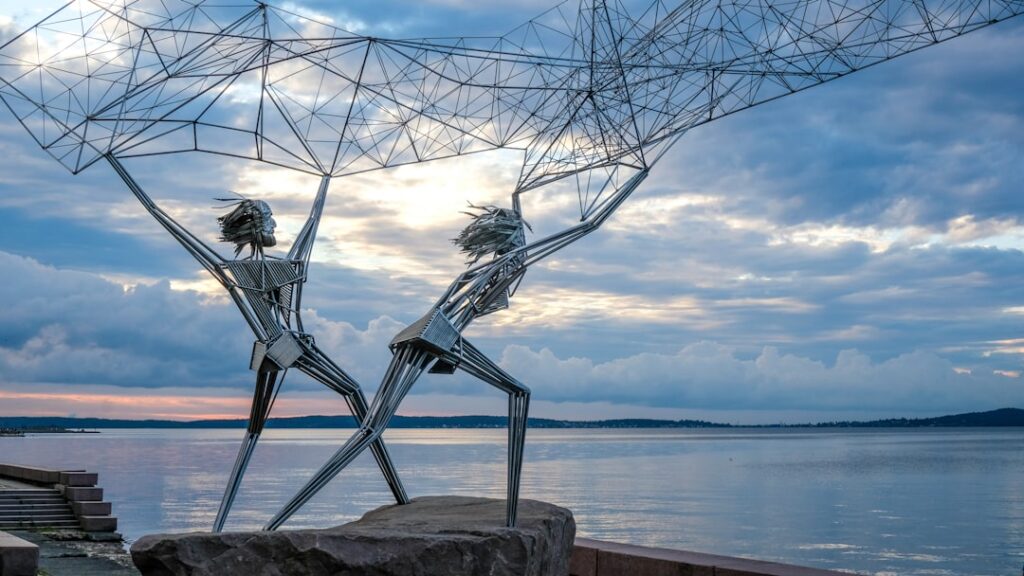
| Petrozavodsk Embankment | A scenic waterfront promenade dotted with quirky modern sculptures gifted by sister cities. | 24/7 | Free |
| Kivach Waterfall | One of Europe’s largest flat waterfalls, located in a serene nature reserve a 1-hour drive from the lake. | Reserve: 8:00-21:00 (Summer) | ~200 RUB |
3-Day Itinerary: Lake Onega, Russia’s Highlights & Hidden Gems
Day 1: Petrozavodsk & The Embankment
- Morning (7-9 AM): Start with a quiet walk along the **Petrozavodsk Embankment**. The morning light on Lake Onega is sublime, and you’ll have the whimsical sculptures—like the “Sleeping Beauty” from San Antonio—mostly to yourself.
- Afternoon (12-3 PM): Visit the **National Museum of the Republic of Karelia** (Lenina Ave., 1) to contextualize your trip. For lunch, head to **Karelskaya Gornitsa** (K. Marksa St., 20) for authentic *kalitki* and hearty Karelian fish soup.
- Evening (6-8 PM): Take an evening **public boat cruise** from the port (around 800 RUB, 1 hour) to see the city from the water. Dine at **Fregat** on the embankment for solid Russian cuisine with a stellar lake view.
Day 2: The Crown Jewel – Kizhi Island
- Morning (8:30 AM): Catch the **early hydrofoil** from Petrozavodsk River Station to Kizhi Island (approx. 1.5 hours, 3500 RUB round-trip). Book tickets online in advance during summer. The first arrival beats some of the larger tour groups.
- Afternoon (12-3 PM): Explore the **Kizhi State Open-Air Museum**. Join a guided tour (available in English) to understand the incredible craftsmanship of the churches and peasant houses. Pack a picnic or eat at the on-site cafe.
- Evening (6 PM): Return to Petrozavodsk. For a relaxed evening, try **Traktir “Petrovskiy”** (Pravdy St., 1) for traditional Russian dishes in a cozy, log-cabin-style setting.
Day 3: Ancient Art & Natural Power
- Morning (7 AM): Hire a **private taxi or join a tour** (from 7000 RUB) for the 2-hour drive to the **Kivach Nature Reserve**. Explore the powerful waterfall and the tranquil pine forest trails.
- Afternoon (1 PM): On the return journey, stop in the village of **Kondopoga** to see the stunning **Uspenskaya Church** (1774) on the shore of Lake Onega—a lesser-known wooden gem. Grab a quick lunch at a local *stolovaya*.
- Evening (6 PM): Back in Petrozavodsk, enjoy a final dinner at **Karelskaya Usadba** (Dzerzhinskogo St., 7), known for its elegant take on regional cuisine. Take a final stroll on the embankment to say goodbye to the lake.
Cultural Insights & Etiquette
- Language: Russian is essential outside Petrozavodsk tourist centers. Learn Cyrillic basics and key phrases: “Spasibo” (Thank you), “Zdravstvuyte” (Hello), “Gde tualet?” (Where is the toilet?).
- Customs: When visiting churches, even museum ones like on Kizhi, women should cover their heads with a scarf, and both men and women should dress modestly. It’s a sign of respect.
- Tipping: Not mandatory, but appreciated. In restaurants, rounding up the bill or leaving 5-10% is becoming common, especially in tourist areas.
- Dress Code: Practicality rules. Wear sturdy, waterproof walking shoes for uneven terrain on Kizhi and at the petroglyph sites. Always carry layers, as weather changes rapidly.
- Business Hours: Shops typically open 9:00-20:00. Museums often have a day off, usually Monday or Tuesday. Major holidays like New Year and Victory Day (May 9) can see closures.
Where to Eat: Lake Onega, Russia’s Best Bites
Karelian cuisine is hearty, simple, and born of the forest and lake. Expect mushrooms, berries, fish (like *syomga* – salmon and *ryapushka* – vendace), rye, and barley. Dining in Petrozavodsk offers the best concentration of options, from Soviet-style canteens to modern interpretations.
Must-Try Local Specialties
- Kalitki: Small, open-faced Karelian pastries with a rye crust. The potato filling is classic, but the berry ones are a perfect sweet snack. Best tried at **Karelskaya Gornitsa**.
- Karelian Fish Soup (Kalakeitto): A rich, creamy soup made with whitefish or salmon, milk, and potatoes. **Traktir “Petrovskiy”** serves an excellent version.
- Cloudberry Jam: The rare, amber-colored “Arctic gold” berry is a prized delicacy. Try it with blini or pancakes. You can buy jars at the **Central Market** in Petrozavodsk.
Restaurant Recommendations by Budget
| Type | Restaurant | Specialty | Price Range |
|---|---|---|---|
| Budget | Stolovaya No. 1 (Gertzena St., 25) | Authentic Soviet-era canteen with cheap, filling staples. | 200-400 RUB per meal |
| Mid-range | Karelskaya Gornitsa (K. Marksa St., 20) | The go-to for traditional Karelian dishes in a rustic setting. | 600-1000 RUB per meal |
| Fine dining | Onego Lounge (Pravdy St., 4) | Modern European and Russian fusion with a sophisticated atmosphere. | 1500+ RUB per meal |
Where to Stay
Petrozavodsk is the most practical base for exploring the lake, with the widest range of accommodations and transport links. For a unique experience, consider a guesthouse in a smaller village, but be prepared for fewer amenities. Compare prices and book at Booking.com or Airbnb for apartments.
Best Neighborhoods for Accommodation
- City Center (near Lenina Ave.): The most convenient area, close to restaurants, museums, and the embankment. Ideal for first-time visitors and those relying on public transport. Can be slightly noisier.
- Near the River Station: Perfect for early departures to Kizhi Island. This area is quieter and offers quick access to the lakefront, though it’s a short walk or bus ride to the main restaurant streets.
- Lakeside Villages (e.g., Shalsky, Pegrema): For ultimate solitude and nature. You’ll find family-run guesthouses (*gostinitsy*) offering *banya* (sauna) experiences and home-cooked meals. A car is essential here.

A breathtaking aerial view of Solovetsky Monastery surrounded by serene lak…, Lake Onega, Russia
FAQs: Your Lake Onega, Russia Questions Answered
1. Is Lake Onega, Russia safe at night?
Petrozavodsk is generally safe, but practice standard city caution. Avoid poorly lit parks late at night. The real consideration in the wider region is environmental safety: stick to marked trails, be prepared for sudden weather changes, and never venture onto the lake ice in winter without a local guide.
2. What currency is used and are credit cards accepted?
The Russian Ruble (RUB) is the currency. Credit/debit cards (Visa, Mastercard) are widely accepted in Petrozavodsk hotels and restaurants. However, once you leave the city—for villages, small museums, or private boat hires—cash is king. Always carry sufficient rubles.
3. How do I get from the airport to the city center?
Petrozavodsk Airport (PES) is small and close to the city. The most reliable option is a pre-booked taxi or the official airport taxi stand, costing around 500-600 RUB for the 20-minute ride. There is no regular public

