
Lake Natron, Tanzania’s Best Flamingos, Volcanoes & Surreal Landscapes (2026)
At dawn, the surface of Lake Natron glows a deep, otherworldly crimson, a phenomenon caused by salt-loving microorganisms thriving in water that can reach 140°F and a pH of 12. This caustic, beautiful brew creates a stark, mineral-encrusted shoreline where 75% of the world’s lesser flamingos come to breed, their pink feathers mirrored in the blood-red water. This isn’t a gentle lakeside retreat; it’s a raw, powerful encounter with one of Earth’s most extreme and visually arresting environments.
Why Lake Natron, Tanzania Stands Out

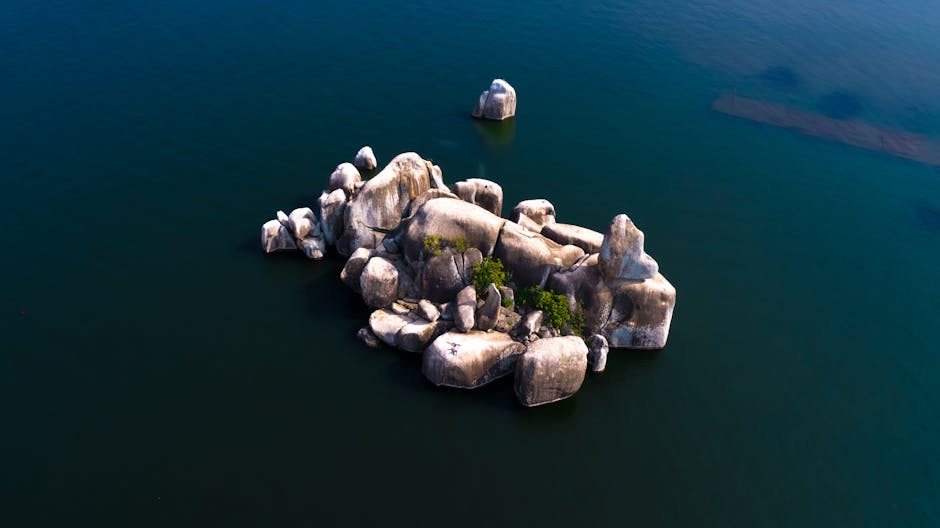
Iconic Bismarck Rock formation in Lake Victoria, Lake Natron, Tanzania
- Historic Architecture: The active volcano Ol Doinyo Lengai, known as the “Mountain of God” to the Maasai, has been shaping this landscape for over 370,000 years with its unique, low-temperature natrocarbonatite lava.
- Cultural Scene: Witness the profound connection of the Maasai people to this land, herding their cattle across the stark plains and sharing stories of the sacred mountain that defines their cosmology.
- Local Specialties: After a trek, savor a hearty, traditional meal of Nyama Choma (grilled goat) and Ugali (maize porridge) prepared by a local Maasai family, a taste of authentic pastoral life.
Pro Tip: The absolute best time to visit is during the dry season from June to October, but for the iconic flamingo breeding spectacle, aim for the period between August and October. Start all hikes and activities at first light (around 6:00 AM) to avoid the intense midday heat, which can be debilitating.
Map of Lake Natron, Tanzania
Use these interactive maps to explore Lake Natron, Tanzania and plan your route:
📍 View Lake Natron, Tanzania on OpenStreetMap
🗺️ Open Lake Natron, Tanzania in Google Maps
Planning Your Trip: Practical Essentials
Getting There and Around
- By Air: You’ll fly into Kilimanjaro International Airport (JRO) or Arusha Airport (ARK). From Arusha, it’s a 4-5 hour drive on rough roads; a 4×4 vehicle with an experienced driver is non-negotiable. Book flights at Skyscanner for best deals.
- By Train: There are no direct train services to Lake Natron. The nearest major transport hub is Arusha, accessible by bus or flight.
- By Car: The journey from Arusha follows the rough but scenic route through the Rift Valley escarpment. Self-driving is only for the highly experienced; most travelers book a tour with a dedicated 4×4 and driver. Compare car rentals at RentalCars.com if you’re confident.
- Local Transport: Your feet and your pre-arranged 4×4 are your transport. There is no public transport around the lake itself.
Best Time to Visit
Timing is everything at Lake Natron. The dry season offers accessibility and wildlife viewing, while the wet season transforms the landscape but makes travel difficult.
| Season | Weather | Highlights |
|---|---|---|
| Dry Season (Jun–Oct) | Hot & dry, 75-95°F (24-35°C), minimal rain | Peak flamingo breeding (Aug-Oct), accessible roads, best for volcano trekking, clear skies. |
| Wet Season (Nov–May) | Very hot with heavy rains, 80-100°F (27-38°C) | Lush green landscapes, migratory birds, fewer tourists. Roads often impassable, high humidity. |
| Shoulder (Late May/Early Nov) | Transitional, unpredictable showers | A chance to see the landscape change, potential for lower rates, but weather-dependent activities. |
Budgeting for Lake Natron, Tanzania

A herd of zebras grazes by Lake Manyara with flamingos in the background., Lake Natron, Tanzania
| Category | Budget | Mid-range | Luxury |
|---|---|---|---|
| Accommodation | $30-50/night (basic campsite or hostel bunk) | $80-150/night (comfortable tented camp/lodge) | $200+/night (exclusive eco-lodge with full board) |
| Meals | $10-15/day (simple camp meals) | $25-40/day (lodge restaurant meals) | $60+/day (fine dining at luxury lodges) |
| Transport | $50/day (shared 4×4 tour) | $100-150/day (private 4×4 & driver) | $200+/day (private charter flight options) |
| Activities | $20-50 (guided walk to lake) | $80-120 (full-day volcano hike with guide) | $150+ (private guided multi-day expeditions) |
| Daily Total | $110-165 | $285-460 | $610+ |
Top Attractions and Must-See Sights
| Attraction | Description | Hours | Entry Fee |
|---|---|---|---|
| Lake Natron Shoreline | Walk the crusted, red-tinged shores to see flamingo colonies and the lake’s surreal, calcifying effect. | Daylight hours, best early AM | $35-$50 (conservation fee, often included in tours) |
| Ol Doinyo Lengai Volcano | Challenging night hike to summit this active “Mountain of God” for a sunrise over the Rift Valley. | Night hike (10 PM start) | $100-$150 (includes guide, park fees) |
| Engare Sero Footprints | Site of 120,000-year-old hominid footprints preserved in mudflat, a profound historical record. | Guided tours only, usually AM | $20-$30 (guide fee) |
| Ngare Sero Waterfalls | A stunning series of cold, fresh waterfalls and pools in a narrow gorge—a perfect contrast to the lake. | Daylight hours | $10-$20 (guide fee) |
3-Day Itinerary: Lake Natron, Tanzania’s Highlights & Hidden Gems
Day 1: Arrival & Lakeside Immersion
- Morning: Depart Arusha at 7:00 AM for the 4-5 hour drive. Stop at a local market in Mto wa Mbu to buy fruit. The road descends the dramatic Rift Valley escarpment—have your camera ready.
- Afternoon: Arrive at your lodge/camp by 1:00 PM. After a quick lunch, take a 3:00 PM guided walk to the lake’s edge ($40) with a Maasai guide who will explain the ecosystem and point out flamingos.
- Evening: Sundowners overlooking the crimson lake at 6:30 PM, followed by a bush dinner under the stars at your camp, feasting on Nyama Choma.
Day 2: Volcanoes & Waterfalls
- Morning: An early start for the Ngare Sero Waterfalls (7:00 AM, $15 guide fee). Hike through the palm-lined gorge and take a refreshing swim in the natural pools—a rare treat in this arid region.
- Afternoon: Return for a late lunch. Rest during the peak heat. At 4:00 PM, visit a local Maasai boma (village, $10-20 cultural fee) to learn about their resilient pastoral life in this harsh environment.
- Evening: Relax at camp. After dinner, if you’re not climbing, stargazing here is phenomenal due to zero light pollution.
Day 3: Ancient History & Departure
- Morning: A final early game drive along the lake periphery at 6:30 AM for birdwatching. Then, visit the Engare Sero Footprints (9:00 AM, $25 with guide). Standing where early humans walked is a humbling experience.
- Afternoon: Enjoy a farewell lunch at your lodge. Depart by 1:00 PM for the return journey to Arusha, arriving by early evening. Alternatively, seasoned travelers often combine this with a direct transfer to the southern Serengeti.
- Evening: Back in Arusha, treat yourself to a well-earned dinner at **The Blue Heron** for excellent continental and Tanzanian cuisine in a garden setting.
Cultural Insights & Etiquette
- Language: Swahili is the national language; Maasai (Maa) is spoken locally. Key phrases: “Jambo” (Hello), “Asante” (Thank you), “Sawa” (Okay). Guides will translate, but a few words go a long way.
- Customs: Always ask permission before taking photos of Maasai people, often requiring a small agreed fee. When visiting a boma, receive offerings (like a beaded necklace) with both hands as a sign of respect.
- Tipping: Tip guides $10-$15 per day per group, and camp/lodge staff $5-$10 per day. Carry small US dollar bills or Tanzanian Shillings for this.
- Dress Code: Modesty is key, especially near Maasai communities. Cover shoulders and knees. For hiking, wear sturdy boots, breathable fabrics, and a wide-brimmed hat.
- Business Hours: This is wilderness; “business hours” revolve around daylight and activity schedules. Lodges operate full-service for guests.
Where to Eat: Lake Natron, Tanzania’s Best Bites
Dining at Lake Natron is almost exclusively provided by your lodge or camp. The experience is less about restaurant-hopping and more about enjoying hearty, well-prepared meals in incredible settings, from bush dinners to lodge verandas overlooking the lake.
Must-Try Local Specialties
- Nyama Choma: Succulent, charcoal-grilled goat or beef, often the centerpiece of a celebratory meal. Best tried at a camp’s bush dinner.
- Ugali: A staple maize porridge, used to scoop up stews and meats. Your lodge kitchen will prepare it perfectly.
- Fresh Tropical Fruit: Pineapple, mango, and passion fruit from the Rift Valley are incredibly sweet. Stock up at markets in Mto wa Mbu on your way in.
Restaurant Recommendations by Budget
| Type | Restaurant | Specialty | Price Range |
|---|---|---|---|
| Budget | Camp Kitchen Meals (at basic campsites) | Simple, filling pasta, rice, bean dishes, and grilled meats. | $5-$10 per meal |
| Mid-range | Lake Natron Tented Camp Restaurant | Solid buffet-style meals with Western and Tanzanian options, great lake views. | $15-$25 per meal |
| Fine dining | Nomad’s Lake Natron Luxury Camp Dining | Multi-course plated dinners with premium ingredients, served in an elegant open-air setting. | Part of all-inclusive rate ($50+ value) |
Where to Stay
Accommodation is clustered along the eastern and southern shores of the lake, ranging from basic campsites to sophisticated eco-lodges. Book well in advance, especially for the peak season. Compare prices and book at Booking.com or Airbnb for apartments in Arusha, but book Lake Natron lodges directly or through a specialized tour operator.
Best Neighborhoods for Accommodation
- Near Engare Sero: Offers proximity to the waterfalls and footprints. Lodges here feel more integrated with the riverine forest. Ideal for active travelers who want to explore on foot.
- Southern Shoreline: Provides the most iconic, unobstructed views of the lake and Ol Doinyo Lengai. You’ll pay for the vista, but waking up to that scene is unforgettable. Best for photographers and those seeking dramatic landscapes.
- Basic Campsites: Scattered around the area, these are for self-sufficient adventurers on a tight budget. You’ll need all your own gear. Offers the most raw, immersive experience.

Drone shot capturing fishing boats docked in Mwanza, Tanzania harbor., Lake Natron, Tanzania
FAQs: Your Lake Natron, Tanzania Questions Answered
1. Is Lake Natron, Tanzania safe at night?
Within the confines of your lodge or camp, yes, it is very safe. The main risks are environmental: never walk near the lake or in the bush at night without a guide due to uneven terrain and wildlife. Always follow your camp’s safety protocols.
2. What currency is used and are credit cards accepted?
The Tanzanian Shilling (TZS) is the local currency, but US Dollars are widely accepted for tours and park fees. Carry plenty of small-denomination USD bills ($1, $5, $10) for tips and village visits. Credit cards are only accepted at the higher-end lodges, and connectivity for processing can be unreliable. Assume you’ll need cash.
3. How do I get from the airport to Lake Natron?
You don’t go directly. Fly into Arusha or Kilimanjaro airport. From there, you must pre-book a 4×4 transfer or tour, which is a 4-5 hour drive. There are no taxis or buses for this route. For seamless planning, book a full package including transfers at GetYourGuide for convenience.
4. Do I need to speak the local language?
No. Your guide will be fluent in English and Swahili. However, learning a few basic Swahili greetings (“Jambo”, “Habari”, “Asante sana”) will be warmly appreciated by staff and locals you meet, enriching your cultural interactions.
5. What’s the appropriate dress code?
Practical and modest. For daytime: lightweight, long-sleeved shirts, convertible pants, a wide-brimmed hat, and broken-in hiking boots. Evenings can be cool, so pack a fleece. Swimwear is only appropriate at the waterfall pools, not in general camp areas. Neutral colors (khaki, green, brown) are best for wildlife viewing.
Final Thoughts: Lake Natron, Tanzania Awaits
Lake Natron is not a destination of comfort and convenience; it is a journey into the dramatic, untamed heart of the Rift Valley. It challenges and rewards in equal measure. You’ll come for the impossible pink flamingos against a red lake, but you’ll leave with a deeper understanding of resilience—of the life that thrives in extremes and the ancient cultures adapted to it. For a truly off-the-beaten-path experience that combines raw natural power with profound cultural insight, Lake Natron is unparalleled. Savvy travelers know to pair it with the Serengeti or Ngorongoro for the ultimate Tanzanian adventure. Just remember to pack your sense of wonder—and very sturdy shoes.

