
Lake Nasser, Egypt’s Essential Ancient Temples, Nile Cruises & Desert Solitude (2025)
While thousands crowd the pyramids at Giza each day, only about 50,000 annual visitors discover Lake Nasser’s 5,250 square kilometers of archaeological treasures floating in desert silence. Created in 1971 when the Aswan High Dam tamed the Nile’s floods, this massive reservoir saved 18 ancient temples from submersion while creating Africa’s second-largest artificial lake. Here, you can stand before colossal statues of Ramses II with only desert winds for company, then watch the sunset paint sandstone temples gold from the deck of your cruise ship.
Why Lake Nasser, Egypt Stands Out

Green trees beside body of water under blue sky during daytime, Lake Nasser, Egypt
- Historic Architecture: Abu Simbel’s twin temples (1264 BCE), relocated piece-by-piece to escape rising waters, featuring four 20-meter tall statues of Ramses II guarding the entrance.
- Cultural Scene: The biannual Sun Festival at Abu Simbel, where dawn light penetrates the temple’s inner sanctuary to illuminate statues of gods, drawing Nubian musicians and local celebrations.
- Local Specialties: Fresh Nile perch cooked over open fires aboard traditional felucca boats, served with sun-dried mulukhiyah and Nubian flatbread.
Pro Tip: Visit between October and April when temperatures hover around 25°C – the ideal conditions for temple exploration. Arrive at Abu Simbel by 5:30 AM to experience sunrise over the colossal statues before tour buses arrive around 8 AM.
Map of Lake Nasser, Egypt
Use these interactive maps to explore Lake Nasser, Egypt and plan your route:
📍 View Lake Nasser, Egypt on OpenStreetMap
🗺️ Open Lake Nasser, Egypt in Google Maps
Planning Your Trip: Practical Essentials
Getting There and Around
- By Air: Aswan International Airport (ASW) serves as the main gateway, with EgyptAir flights from Cairo (90 minutes). From there, take a 3-hour drive or domestic flight to Abu Simbel Airport (ABS). Book flights at Skyscanner for best deals.
- By Train: Overnight sleeper trains from Cairo to Aswan (12 hours) offer private cabins with meals. From Aswan, continue by road or cruise ship. Reserve tickets at Trainline or the national railway website.
- By Car: The desert highway from Aswan to Abu Simbel (280 km) requires military convoy escort for safety. Rental cars with drivers cost approximately $80-120/day. Compare car rentals at RentalCars.com.
- Local Transport: Lake Nasser cruise ships serve as floating hotels, transporting you between archaeological sites. Smaller motorboats available for fishing trips ($30-50/hour). Check official city transport websites for passes and schedules.
Best Time to Visit
Lake Nasser’s desert climate means extreme summer heat but perfect winter conditions. Savvy travelers target October-April when daytime temperatures allow comfortable temple exploration and evening breezes make deck dining delightful.
| Season | Weather | Highlights |
|---|---|---|
| Summer (Jun–Aug) | 38-45°C, intense sun, minimal rainfall | Lowest crowds, best cruise deals, early morning visits essential |
| Winter (Dec–Feb) | 20-25°C daytime, cool nights (8-12°C) | Perfect temple exploration weather, Nubian cultural festivals, premium pricing |
| Shoulder (Apr–May/Sep–Oct) | 25-35°C, pleasant evenings, occasional winds | Best value, comfortable conditions, ideal for photography with softer light |
Budgeting for Lake Nasser, Egypt

A group of ducks swimming in a lake, Lake Nasser, Egypt
| Category | Budget | Mid-range | Luxury |
|---|---|---|---|
| Accommodation | $25-40/night (Aswan guesthouses) | $150-250/night (3-night cruise) | $400-600/night (5-star cruise suite) |
| Meals | $8-15/day (street food, local cafes) | $25-40/day (cruise dining, restaurants) | $60-100/day (fine dining, premium drinks) |
| Transport | $5-10/day (local buses, shared taxis) | $30-50/day (private car with driver) | $100-200/day (private boat transfers) |
| Activities | $10-20 (temple entry fees) | $50-80 (guided tours, fishing trips) | $150-300 (private guides, special access) |
| Daily Total | $48-85 | $255-420 | $710-1200 |
Top Attractions and Must-See Sights
| Attraction | Description | Hours | Entry Fee |
|---|---|---|---|
| Abu Simbel Temples | Ramses II’s monumental cliff-carved temples relocated during UNESCO’s 1960s rescue operation | 6:00 AM – 5:00 PM | 260 EGP ($8.50) |
| Philae Temple | Island temple dedicated to Isis, featuring exquisite Ptolemaic columns and reliefs | 7:00 AM – 4:00 PM | 200 EGP ($6.50) |
| Kalabsha Temple | Roman-era temple with Nilometer and stunning lake views, dedicated to Nubian god Mandulis | 8:00 AM – 5:00 PM | 100 EGP ($3.25) |
| Wadi El Seboua | Avenue of Sphinxes leading to temples of Ramses II and Amun, accessible only by boat | 9:00 AM – 4:00 PM | 150 EGP ($5) |
3-Day Itinerary: Lake Nasser, Egypt’s Highlights & Hidden Gems
Day 1: Temple Grandeur & Nubian Culture
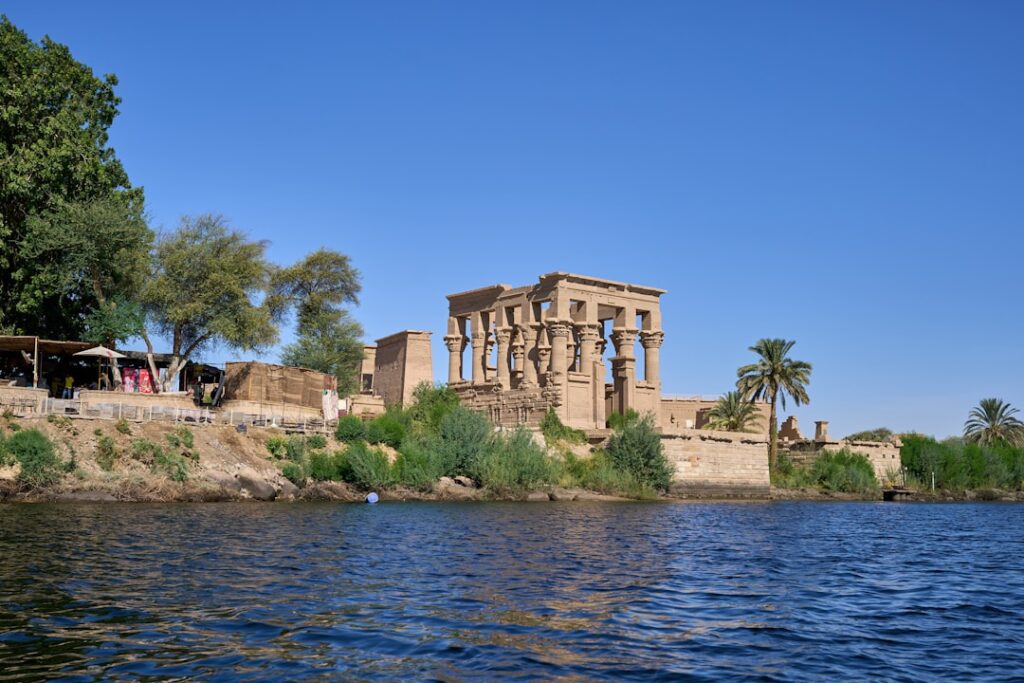
- Morning: 7:00 AM arrival at Philae Temple via motorboat ($5 roundtrip) to experience the island complex in golden morning light. Don’t miss the Kiosk of Trajan – its unfinished columns reveal ancient construction techniques.
- Afternoon: 12:30 PM Nubian Village tour and lunch at Nubian House Restaurant (try their stuffed pigeon with freekeh for 120 EGP). Learn about relocation stories from families displaced by the lake’s creation.
- Evening: 6:00 PM Sound and Light Show at Philae Temple (180 EGP) followed by dinner at 1902 Restaurant at Old Cataract Hotel for their famous mezze platter.
Day 2: Lake Cruise & Desert Monuments
- Morning: 8:00 AM board your Lake Nasser cruise from Aswan ($150-400/night). Watch desert landscapes unfold while sailing to Kalabsha Temple – the Roman-era complex features a Nilometer that measured ancient floods.
- Afternoon: 1:00 PM lunch aboard ship featuring freshly caught Nile perch. 3:00 PM visit to Beit El Wali, Ramses II’s rock-cut temple with vibrant battle reliefs rarely seen by tourists.
- Evening: 6:30 PM sunset viewing from deck with traditional Nubian music performance. Dinner featuring molokheyya soup and grilled meats.
Day 3: Colossal Statues & Ancient Engineering
- Morning: 5:00 AM flight from Aswan to Abu Simbel ($120-180 roundtrip) to witness sunrise illuminating Ramses II’s 20-meter tall statues. Explore both temples before crowds arrive at 8:30 AM.
- Afternoon: 12:00 PM visit to the Abu Simbel Sun Festival if timing aligns (Oct 22/Feb 22), otherwise explore the onsite museum detailing the temple’s monumental relocation. Lunch at Eskaleh Eco-Lodge with traditional Nubian dishes.
- Evening: 5:00 PM return flight to Aswan. Final dinner at Aswan Moon Restaurant floating on the Nile, watching feluccas sail past Kitchener’s Island.
Cultural Insights & Etiquette
- Language: Arabic predominates; learn “shukran” (thank you), “salaam alaikum” (hello), and “kam ath-thaman?” (how much?). Nubian languages still spoken in villages.
- Customs: Remove shoes before entering mosques and Nubian homes. Always accept tea when offered – it’s a sign of hospitality. Use right hand for eating and handing items.
- Tipping: “Baksheesh” expected for services: 10-15% at restaurants, 20-30 EGP for temple guards showing hidden details, 50 EGP/day for cruise staff.
- Dress Code: Conservative clothing recommended – cover shoulders and knees, especially at religious sites. Lightweight natural fabrics essential for desert heat.
- Business Hours: Major sites open 6:00 AM-5:00 PM; close earlier during Ramadan. Friday mornings quiet for prayers. Cruises typically depart Aswan Mondays and Fridays.
Where to Eat: Lake Nasser, Egypt’s Best Bites
Lake Nasser’s cuisine blends traditional Egyptian flavors with unique Nubian specialties, where freshwater fish meets aromatic spice blends. Dining often occurs aboard cruise ships or in simple family-run establishments near archaeological sites.
Must-Try Local Specialties
- Samak Mashwi: Whole grilled Nile perch stuffed with dill, coriander, and garlic, best enjoyed at Nubian House Restaurant in Aswan or aboard Movenpick MS Prince Abbas cruise
- Ful Medames: Slow-cooked fava beans with cumin and olive oil, served with flatbread for breakfast at Aswan’s street food stalls near the train station
- Nubian Red Tea: Sweet, strong tea infused with hibiscus and mint, traditionally served in colorful glasses at Eskaleh Eco-Lodge near Abu Simbel
Restaurant Recommendations by Budget
| Type | Restaurant | Specialty | Price Range |
|---|---|---|---|
| Budget | El Masry Restaurant (Aswan corniche) | Koshari and falafel sandwiches | 30-80 EGP ($1-2.50) |
| Mid-range | 1902 Restaurant (Old Cataract Hotel) | French-Egyptian fusion with Nile views | 300-600 EGP ($10-20) |
| Fine dining | MS Prince Abbas Dining Room | Five-course Nubian tasting menus with wine pairing | 800-1200 EGP ($26-40) |
Where to Stay
Accommodation ranges from Aswan city hotels to specialized Lake Nasser cruise ships that serve as floating hotels, transporting you between archaeological sites while providing full-board comfort. Compare prices and book at Booking.com or Airbnb for apartments.
Best Neighborhoods for Accommodation
- Aswan City Center: Convenient for Philae Temple access and train station, with bustling markets and Nile views – ideal for independent travelers on tighter budgets
- Elephantine Island: Peaceful Nubian villages with guesthouses, botanical gardens, and traditional architecture – perfect for cultural immersion and relaxation
- Lake Nasser Cruise Ships: Floating hotels like MS Eugenie or Steigenberger Omar El Khayam provide all-inclusive temple access – best for comprehensive archaeological exploration

A body of water with land in the distance, Lake Nasser, Egypt
FAQs: Your Lake Nasser, Egypt Questions Answered
1. Is Lake Nasser, Egypt safe at night?
Lake Nasser cruise ships and Aswan tourist areas remain very safe after dark. Desert roads between sites require military convoy travel for security. Travelers should avoid remote desert areas after sunset and use registered guides for evening activities.
2. What currency is used and are credit cards accepted?
Egyptian Pound (EGP) is the local currency, currently approximately 30 EGP to $1 USD. Credit cards accepted at hotels, cruise ships, and upscale restaurants, but cash essential for markets, small vendors, and tipping. ATMs available in Aswan and Abu Simbel.
3. How do I get from the airport to the city center?
Aswan Airport to city center takes 20 minutes by taxi (150-200 EGP) or airport shuttle (50 EGP). Abu Simbel Airport to temples is 10 minutes by shared minibus (30 EGP) or private transfer (100 EGP). Book airport transfers at GetYourGuide for convenience.
4. Do I need to speak the local language?
English widely spoken at tourist sites, hotels, and cruise ships. Learning basic Arabic phrases enhances interactions with vendors and Nubian community members. Many cruise directors and guides speak multiple languages including French, German, and Spanish.
5. What’s the appropriate dress code?
Lightweight, loose-fitting clothing covering shoulders and knees respects local customs while providing sun protection. Hat, sunglasses, and sturdy walking shoes essential for temple exploration. Evenings can be cool – bring a light jacket particularly December-February.
Final Thoughts: Lake Nasser, Egypt Awaits
Lake Nasser offers what modern Egypt rarely can: ancient wonders experienced in profound solitude. Here, you’ll trace the same temple corridors as pharaohs without jostling through crowds, hear desert winds whisper through colonnades that once echoed with priestly chants, and watch sunsets paint 3,000-year-old statues in golden light. Savvy travelers know this region delivers Egypt’s most spectacular archaeology with its most serene atmosphere. Don’t miss the early morning magic at Abu Simbel – arriving before sunrise lets you experience Ramses II’s colossal guardians emerging from darkness as they have for millennia, a moment that captures the eternal majesty of ancient Egypt.

