
Lake Albert, Uganda’s Stunning Wildlife, Waterfalls & Authentic Adventure (2026)
While crowds flock to the southern shores of Lake Victoria, savvy travelers head west to where the Nile River begins its thunderous journey north. Lake Albert, a 160km-long rift valley lake shared with the DRC, is where you’ll find Uganda’s raw, unfiltered spirit. Here, a $50 boat safari puts you eye-to-eye with hippos and elephants, and the roar of Murchison Falls—where the Nile explodes through a 7-meter gorge—drowns out any notion of a typical tourist trail. This is East Africa without the polish, and that’s precisely its power.
Why Lake Albert, Uganda Stands Out

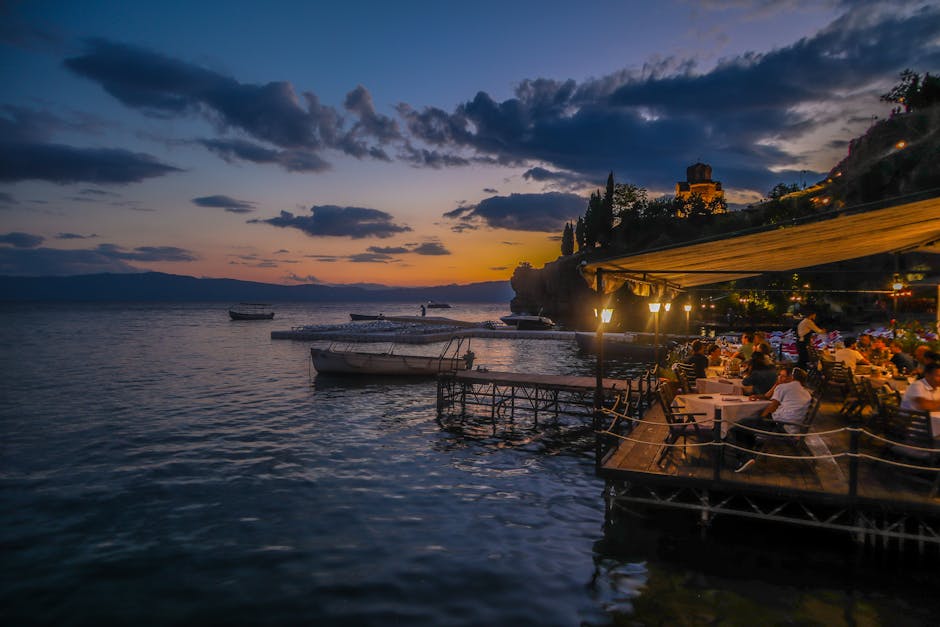
A serene view of a lake surrounded by lush greenery and mountains under a c…, Lake Albert, Uganda
- Historic Architecture: The Butiaba Port Store (c. 1900s), a weathered brick relic from the colonial steamers era, stands as a silent monument to the lake’s past life as a vital transport hub.
- Cultural Scene: Witness the vibrant, rhythmic dances of the Alur people during their annual cultural festivals, a celebration of heritage that feels genuinely communal rather than performative.
- Local Specialties: You must try fresh, smoked *Ngege* (Tilapia) straight from the lake, served with *posho* (maize meal) and a side of fiery *kachumbari* salsa.
Pro Tip: The absolute best time to visit is during the dry seasons from December to February and June to September. Not only are wildlife sightings in Murchison Falls National Park at their peak, but the roads—notably the route to the scenic Top of the Falls—are passable, and the risk of malaria is lower.
Map of Lake Albert, Uganda
Use these interactive maps to explore Lake Albert, Uganda and plan your route:
📍 View Lake Albert, Uganda on OpenStreetMap
🗺️ Open Lake Albert, Uganda in Google Maps
Planning Your Trip: Practical Essentials
Getting There and Around
- By Air: The nearest major airport is Entebbe International (EBB). From there, it’s a 4-5 hour drive. Chartered flights to Pakuba or Bugungu airstrips in Murchison Falls National Park are available. Book flights at Skyscanner for best deals.
- By Train: There are no direct passenger rail services to the Lake Albert region. Your best bet is a combination of bus and private hire.
- By Car: Hiring a 4×4 vehicle is highly recommended. The drive from Kampala via Masindi offers stunning scenery. Roads can be rough, especially after rain. Compare car rentals at RentalCars.com.
- Local Transport: *Boda-bodas* (motorcycle taxis) are common in towns like Hoima and Bulisa for short trips. For longer distances, shared taxis and minibuses operate but on irregular schedules. Private hire is the most reliable option for park visits.
Best Time to Visit
Timing is crucial for maximizing your Lake Albert experience, balancing wildlife viewing, weather, and accessibility.
| Season | Weather | Highlights |
|---|---|---|
| Dry Season (Jun–Aug, Dec–Feb) | Hot & sunny, 25-32°C (77-90°F), minimal rain. | Prime wildlife viewing as animals congregate at water sources; accessible park roads; excellent for boat cruises. |
| Wet Season (Mar–May, Sep–Nov) | Warm & humid, 22-28°C (72-82°F), frequent heavy showers. | Lush, green landscapes; fantastic birdwatching; fewer tourists and lower accommodation rates; some roads may be impassable. |
| Shoulder (Late Feb, Late Aug) | Transitional, mix of sun and short rains. | A good balance of decent weather, manageable crowds, and the beginning or end of peak wildlife activity. |
Budgeting for Lake Albert, Uganda
Aerial photo showcasing the vibrant architecture of an Italian lakeside tow…, Lake Albert, Uganda
| Category | Budget | Mid-range | Luxury |
|---|---|---|---|
| Accommodation | $15-30/night (basic guesthouse) | $80-150/night (comfortable lodge) | $250+/night (premium safari lodge) |
| Meals | $5-10 (local eateries, street food) | $15-25 (lodge restaurant) | $40+ (fine dining at top lodges) |
| Transport | $5/day (boda-boda/bus) | $80-120/day (private 4×4 hire with driver) | $150+/day (private charter flights) |
| Activities | $0-10 (village walks, scenic stops) | $30-50 (park entry, boat cruise) | $100+ (private guided tours, chimp tracking) |
| Daily Total | $25-55 | $150-300 | $500+ |
Top Attractions and Must-See Sights
| Attraction | Description | Hours | Entry Fee |
|---|---|---|---|
| Murchison Falls | Witness the Nile’s might as it forces 300 cubic meters of water per second through a narrow gorge. | Park gates: 7:00 AM – 7:00 PM | $45 (Foreign Non-Resident 24hr park fee) |
| Nile Delta Boat Cruise | A 3-hour safari from Paraa to the lake’s delta, teeming with hippos, crocodiles, and waterbirds. | Departs Paraa Jetty at 2:00 PM & 5:00 PM | $30 (plus park entry) |
| Bulisa Community Tours | Authentic cultural immersion with the local community, including traditional fishing demonstrations. | By arrangement, typically mornings | $15-25 per person |
| Top of the Falls Hike | A short, powerful walk to the precipice of Murchison Falls, feeling the spray and thunder. | Daylight hours | Included in park entry |
3-Day Itinerary: Lake Albert, Uganda’s Highlights & Hidden Gems
Day 1: The Mighty Nile & Falls
- Morning (7:00 AM): Enter Murchison Falls National Park ($45) from the southern gate. Drive north on the Buligi game tracks for a classic morning game drive, spotting elephants, giraffes, and lions.
- Afternoon (1:00 PM): Enjoy lunch at the **Pakuba Lodge Restaurant** overlooking the Albert Nile (try the Nile Perch burger). Then, take the 2:00 PM **Nile Delta Boat Cruise** ($30) from Paraa Jetty.
- Evening (6:30 PM): Check into your lodge. For dinner, head to **Bakers Fort** in Bulisa for a stunning sunset view over the lake with your grilled Tilapia.
Day 2: Culture & Conservation
- Morning (8:00 AM): Book a **Bulisa Community Tour** ($20) to learn traditional fishing methods on the lake and visit a homestead for local coffee.
- Afternoon (12:30 PM): Have lunch at a local spot like **Hopeful Inn** in Kaiso Tonya for a true Ugandan *katogo* (matooke stew). Then, visit the **Butiaba Port Store** for a dose of faded colonial history.
- Evening (5:00 PM): Drive to the **Top of the Falls** for golden hour. The sight and sound are unforgettable. Dine at your lodge under a blanket of stars.
Day 3: Exploration & Departure
- Morning (8:00 AM): Hire a local guide ($10) for a walk along the lakeshore near **Wanseko**, watching fishermen mend their nets. Visit a local market.
- Afternoon (12:00 PM): Enjoy a final lakeside lunch at **Simba Springs Camp**. Then, begin your journey back towards Masindi or Hoima.
- Evening: If staying in Hoima, have a farewell dinner at **Floriana Restaurant**, known for its excellent Indian and Ugandan fusion dishes.
Cultural Insights & Etiquette
- Language: English is widely spoken, but learning a few phrases in Luganda or Alur is appreciated. “Webale” (Thank you) and “Oli otya?” (How are you?) go a long way.
- Customs: Always greet people before asking questions or taking photos. Use your right hand for giving and receiving items, including money. Respect is paramount.
- Tipping: Not mandatory but expected for good service. Tip guides $10-$15 per day, restaurant staff 5-10% if service charge isn’t included, and porters $1-$2 per bag.
- Dress Code: Modest dress is recommended, especially in villages. Avoid very short shorts or revealing tops. In parks, wear neutral-colored clothing.
- Business Hours: Shops typically open 8:00 AM – 6:00 PM. Many close for lunch. Government offices operate ~9:00 AM – 5:00 PM. Sunday is a day of rest for many.
Where to Eat: Lake Albert, Uganda’s Best Bites
Dining here is about fresh, local ingredients and hearty portions. You’ll eat where the fishermen eat and where safari-goers refuel, with an emphasis on lake fish, stews, and tropical fruit.
Must-Try Local Specialties
- Smoked Ngege (Tilapia): The signature lake fish, often smoked over wood fires for a distinctive flavor. Best tried at simple lakeside shacks in Wanseko or Bulisa.
- Luwombo: A traditional dish of chicken, beef, or goat steamed in banana leaves with groundnuts, creating a rich, aromatic stew. Look for it at local eateries in Hoima.
- Rolex: Not the watch! A popular street food of an omelet rolled in a chapati. The perfect, cheap, and filling snack for a road trip, available from roadside vendors.
Restaurant Recommendations by Budget
| Type | Restaurant | Specialty | Price Range |
|---|---|---|---|
| Budget | Kaiso Tonya Village Eateries (near the lake) | Fresh fish & posho, authentic local vibe | $3-7 |
| Mid-range | Pakuba Lodge Restaurant (Murchison Falls NP) | International & Ugandan classics with a view | $12-20 |
| Fine dining | Murchison River Lodge Restaurant (near Paraa) | Upscale safari cuisine, excellent wine list | $25-40 |
Where to Stay
Accommodation ranges from rustic campsites to luxurious safari lodges, mostly clustered around Murchison Falls National Park and the lakeshore. Booking ahead in the dry season is essential. Compare prices and book at Booking.com or Airbnb for apartments in towns like Hoima.
Best Neighborhoods for Accommodation
- Paraa/Pakuba Area (Inside Murchison Falls NP): The heart of safari country. You’re close to the boat launch and game drives, but prices are higher and you’re reliant on lodge meals. Best for wildlife enthusiasts.
- Bulisa/Wanseko (Lakeshore): Offers a more local, authentic feel with guesthouses and campsites. Direct access to Lake Albert culture and fishing villages, but further from the main park attractions.
- Hoima Town: The regional capital, about 2 hours from the park. Offers a wider range of hotels, restaurants, and services. A practical base if you’re on a tighter budget or traveling overland.
Aerial view of Changsha skyline with river and park during the day., Lake Albert, Uganda
FAQs: Your Lake Albert, Uganda Questions Answered
1. Is Lake Albert, Uganda safe at night?
Within the confines of established lodges and campsites, yes. However, avoid walking alone at night in towns or rural areas. Wildlife, especially hippos, are dangerous and move on land at night—always heed your lodge’s safety advice. General precautions against petty theft, like securing valuables, are wise.
2. What currency is used and are credit cards accepted?
The Ugandan Shilling (UGX) is the local currency. Carry ample cash, especially smaller denominations, as credit cards are only accepted at major lodges and hotels in the park. ATMs are available in Hoima and Masindi, but not reliably near the lake itself.
3. How do I get from the airport to the Lake Albert region?
From Entebbe International Airport (EBB), you’ll need a pre-booked private transfer or rental car. The 4-5 hour drive to the park area costs approximately $150-$200 one-way for a car and driver. Chartered flights to Pakuba Airstrip are faster (1.5 hours) but cost $400+ per person roundtrip. Book airport transfers at GetYourGuide for convenience.
4. Do I need to speak the local language?
No. English is an official language and is spoken by guides, lodge staff, and in businesses. Learning a few basic greetings in Luganda or Alur, however, will delight locals and enrich your interactions.
5. What’s the appropriate dress code?
Opt for comfortable, lightweight, and modest clothing. Neutral colors (khaki, green, brown) are best for wildlife viewing. Pack a wide-brimmed hat, sunglasses, sturdy walking shoes, a swimsuit for lodge pools, and a light jacket for cooler evenings. Always dress respectfully when visiting villages.
Final Thoughts: Lake Albert, Uganda Awaits
Lake Albert offers something increasingly rare: an African adventure that feels discovered, not delivered. It’s in the rumble of Murchison Falls, the quiet concentration of a local fisherman, and the vast, shimmering expanse of the lake at sunset. This is where you trade curated perfection for genuine connection—with nature, culture, and a landscape of staggering power. For the traveler seeking to understand Uganda’s wild heart beyond the postcard, your journey begins here. Don’t leave without taking that late afternoon boat cruise; the golden light on the Nile Delta, with elephants bathing in the distance, is the memory you’ll carry home.

