
Kyrgyzstan’s Tian Shan Mountains: Best Nomadic Culture, Alpine Lakes & Silk Road Trails (2025)
While crowds flock to the Swiss Alps, Kyrgyzstan’s Tian Shan Mountains delivers pristine, crowd-free wilderness at a fraction of the cost. For under $35 a day, you can trek past turquoise glacial lakes, sleep in a traditional yurt with nomadic herders, and traverse high-altitude passes once used by Silk Road caravans. This is adventure travel at its most raw and authentic, where the only lines you’ll queue for are made by sheep crossing the trail.
Why Kyrgyzstan’s Tian Shan Mountains Stands Out

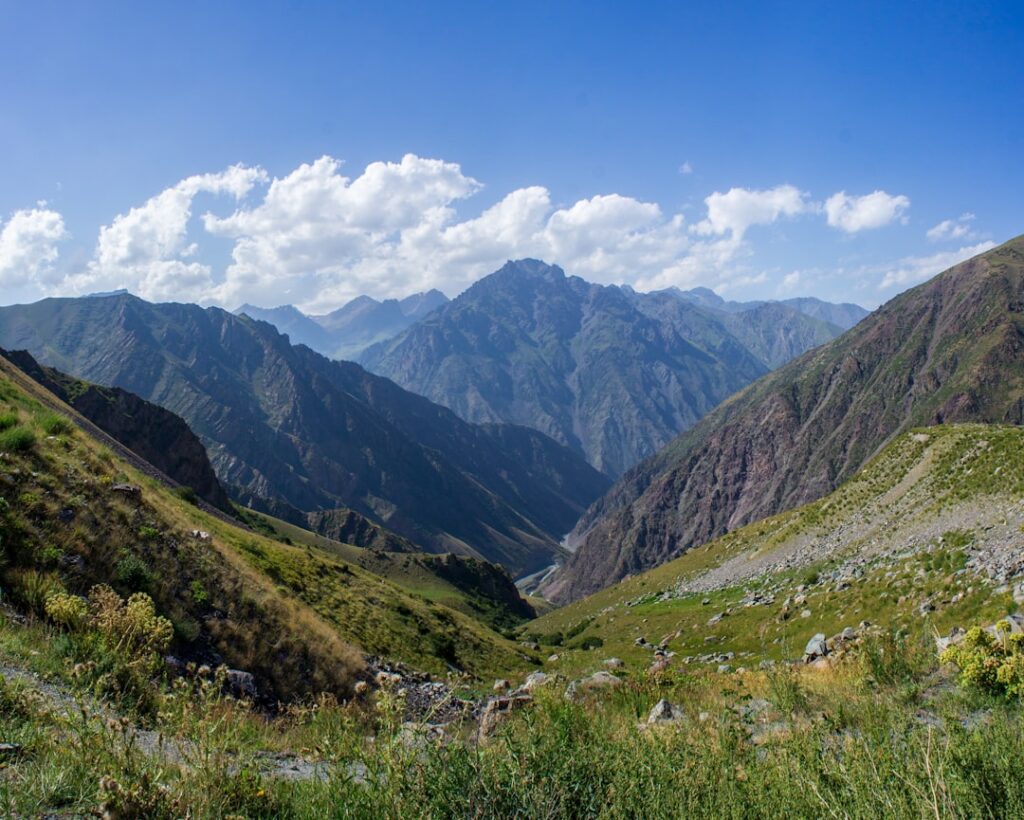
Landscape photography of mountain, Kyrgyzstan’s Tian Shan Mountains
- Historic Architecture: The 11th-century Burana Tower near Tokmok, a 25-meter minaret, is one of the last remnants of the ancient Silk Road city of Balasagun.
- Cultural Scene: The World Nomad Games, held every two years, is a spectacular celebration of traditional horse games, eagle hunting, and wrestling that you won’t find anywhere else on earth.
- Local Specialties: You must try beshbarmak, the national dish of hand-pulled noodles with boiled horse or lamb meat, traditionally eaten from a shared platter.
Pro Tip: The absolute best time to visit is from mid-July to late September. This window offers the most stable weather for high-altitude trekking, all mountain passes are snow-free, and you’ll catch the vibrant summer jailoos (highland pastures) where herders live with their flocks.
Map of Kyrgyzstan’s Tian Shan Mountains
Use these interactive maps to explore Kyrgyzstan’s Tian Shan Mountains and plan your route:
📍 View Kyrgyzstan’s Tian Shan Mountains on OpenStreetMap
🗺️ Open Kyrgyzstan’s Tian Shan Mountains in Google Maps
Planning Your Trip: Practical Essentials
Getting There and Around
- By Air: Most travelers fly into Manas International Airport (FRU) in Bishkek. Turkish Airlines, Air Astana, and flydubai offer good connections. A taxi to the city center costs about 800 KGS ($9) and takes 30 minutes. Book flights at Skyscanner for best deals.
- By Train: International rail is limited, but a scenic (and slow) route connects Bishkek to Moscow. For mountain access, shared taxis and minibuses are your primary transport. Reserve tickets at Trainline or the national railway website.
- By Car: Renting a 4×4 is highly recommended for flexibility. The road from Bishkek to Karakol (the gateway to Lake Issyk-Kul) is good. Off-road, conditions deteriorate quickly. Compare car rentals at RentalCars.com.
- Local Transport: Shared taxis (“marshrutkas”) are the backbone of travel. A seat from Bishkek to Karakol (6 hours) costs around 500 KGS ($6). For remote trailheads, you’ll need to hire a private driver.
Best Time to Visit
The Tian Shan experience is dramatically seasonal. Your activities will be dictated by the month you choose, from skiing in winter to epic multi-day treks in summer.
| Season | Weather | Highlights |
|---|---|---|
| Summer (Jun–Aug) | 10°C to 25°C (50°F-77°F) in valleys; sunny days, cold nights at altitude. Afternoon thunderstorms possible. | Prime trekking season; all high passes open; vibrant jailoo life; perfect for horseback riding and lake swimming. Busiest season, but crowds are relative. |
| Winter (Dec–Feb) | -5°C to -20°C (23°F to -4°F); heavy snow in mountains. | World-class skiing at Karakol Ski Resort; stunning frozen landscapes; cultural immersion in towns. Many remote areas are inaccessible. |
| Shoulder (Apr–May/Sep–Oct) | 0°C to 15°C (32°F-59°F); unpredictable, with spring snowmelt and autumn snowfall. | Fewer visitors; beautiful autumn colors in September; lower prices. Higher passes are often closed, limiting trekking options. |
Budgeting for Kyrgyzstan’s Tian Shan Mountains

Brown mountains view under blue cloudy sky, Kyrgyzstan’s Tian Shan Mountains
| Category | Budget | Mid-range | Luxury |
|---|---|---|---|
| Accommodation | Hostel/Guesthouse: 800-1500 KGS ($9-$17) | Comfortable B&B/Hotel: 3000-5000 KGS ($34-$57) | High-end Yurt Camp/Lodge: 8000+ KGS ($91+) |
| Meals | Street food/Bazaar meals: 200-400 KGS ($2.30-$4.60) | Local restaurant: 500-800 KGS ($5.70-$9) | Fine dining (limited): 1500+ KGS ($17+) |
| Transport | Marshrutkas: 100-500 KGS/day ($1-$6) | Shared taxi hires: 2000-4000 KGS/day ($23-$46) | Private 4×4 with driver: 6000+ KGS/day ($68+) |
| Activities | Self-guided trekking (free), visiting public lakes | Guided day hikes: 2500 KGS ($28), Horse rental: 1500 KGS/day ($17) | Multi-day guided trek with full support: 8000+ KGS/day ($91+) |
| Daily Total | 1500-2500 KGS ($17-$28) | 6000-10000 KGS ($68-$114) | 20000+ KGS ($228+) |
Top Attractions and Must-See Sights
| Attraction | Description | Hours | Entry Fee |
|---|---|---|---|
| Lake Issyk-Kul | The world’s second-largest alpine lake, a stunning 182km-long expanse of saline water that never freezes, surrounded by snow-capped peaks. | 24/7 | Free (beach access may have small fees) |
| Ala-Kul Lake (Ala-Köl) | A breathtaking turquoise glacial lake at 3,560m, reached via a demanding but rewarding 2-3 day trek from Karakol. | Accessible daylight hours in summer | Free (Trekking Permit required: ~500 KGS/$5.70) |
| Karakol Ski Resort | The country’s premier ski area, with off-piste terrain that rivals global destinations, offering a unique post-Soviet ski culture. | 9 AM – 5 PM (Winter season) | Lift Pass: ~1500 KGS/day ($17) |
| Jety-Oguz Gorge | Famous for its dramatic red sandstone rock formations known as the “Seven Bulls” and the “Broken Heart,” with lush valleys for hiking. | 24/7 | Free |
3-Day Itinerary: Kyrgyzstan’s Tian Shan Mountains’s Highlights & Hidden Gems
Day 1: Issyk-Kul & Karakol Culture
- Morning (7-9 AM): Start early with a drive from Bishkek to Lake Issyk-Kul’s north shore. Stop at the Burana Tower (2 hours from Bishkek, entry 60 KGS) to climb the ancient minaret and see the mysterious Balbals (Turkic grave markers).
- Afternoon (12-3 PM): Continue to Cholpon-Ata to visit the Open-Air Petroglyph Museum (150 KGS), where thousands of ancient rock drawings depict ibex, hunters, and sun deities. For lunch, grab laghman (hand-pulled noodle soup) at Café Faiza on the main strip.
- Evening (6-8 PM): Arrive in Karakol. Check into a guesthouse like Guesthouse Altamira. For dinner, head to the iconic Dungan restaurant Ashlan-Fu, run by a local family, for their signature spicy cold noodle dish, ashlan-fu.
Day 2: Trekking to Alpine Splendor
- Morning (7 AM): Hire a taxi (approx. 1000 KGS) to the Karakol Valley trailhead. Begin the hike to Ala-Kul Lake. The full trek to the lake and over the pass is strenuous; a good day hike is to the “Sirota” hut (about 4 hours up). Pack a picnic.
- Afternoon (1 PM): Enjoy your lunch with views of the towering Karakol Peak. Descend back to the valley. Savvy travelers know to soak their tired muscles in the natural hot springs of Ak-Suu, a 15-minute drive from Karakol (entrance ~300 KGS).
- Evening (7 PM): Experience a traditional dinner inside a yurt at the Karakol Yurt Camp. Pre-arrange a meal of beshbarmak and listen to stories from the herders.
Day 3: Gorges & Nomadic Life
- Morning (8 AM): Hire a car for the day (approx. 4000 KGS) to explore Jety-Oguz Gorge. Walk to the viewpoint for the iconic “Seven Bulls” formation, then hike 45 minutes to the hidden waterfall in the valley.
- Afternoon (12 PM): Drive to a working jailoo (summer pasture). Many herding families welcome visitors for a small fee (500-1000 KGS). Share a cup of kymyz (fermented mare’s milk) and see how felt is made. Enjoy a simple lunch of bread, jam, and cheese with the family.
- Evening (6 PM): Return to Karakol for a final feast. Try the Russian-influenced beer and pelmeni (dumplings) at Karakol Beer House before your journey back to Bishkek or onward adventure.
Cultural Insights & Etiquette
- Language: Kyrgyz and Russian are both official. Learn a few Kyrgyz phrases: “Salamatsyzby” (Hello), “Rakhmat” (Thank you), “Kanday” (How are you?). In towns, Russian is more common for business.
- Customs: Always remove your shoes before entering a home or yurt. When offered food or drink (especially bread or tea), it is polite to accept at least a small amount. Use your right hand for giving and receiving items.
- Tipping: Not traditionally expected, but appreciated in tourist-oriented restaurants (5-10%). For guides and drivers, a tip of 10% is a generous gesture.
- Dress Code: Modesty is key, especially outside Bishkek. Cover shoulders and knees when visiting villages. For trekking, pack layers—weather changes rapidly.
- Business Hours: Shops typically open 9 AM-6 PM. Bazaars are busiest in the morning. Many businesses close for a lunch break. Friday is the Muslim holy day, but it doesn’t significantly impact travel.
Where to Eat: Kyrgyzstan’s Tian Shan Mountains’s Best Bites
Kyrgyz cuisine is hearty, meat-centric, and designed for sustenance. Dining is a social, shared experience. You’ll find a blend of Kyrgyz nomadic dishes, Dungan (Chinese Muslim), Uighur, and Russian influences, especially around Karakol and Issyk-Kul.
Must-Try Local Specialties
- Beshbarmak: Literally “five fingers,” this is the national dish of boiled meat (often horse or lamb) over wide noodles, served with onion sauce. The best is in a local home, but restaurant “Navat” in Bishkek does a great version.
- Ashlan-Fu: A spicy, vinegary, cold noodle soup with starch jelly, a signature dish of the Dungan people. The undisputed place to try it is at the no-frills Ashlan-Fu in Karakol.
- Kymyz: Fermented mare’s milk, the traditional nomadic drink of summer. It’s slightly sour and fizzy. Travelers often discover it’s an acquired taste, but trying it is a rite of passage. Buy it from a yurt on a jailoo for the freshest experience.
Restaurant Recommendations by Budget
| Type | Restaurant | Specialty | Price Range |
|---|---|---|---|
| Budget | Ashlan-Fu (Karakol) | Authentic Dungan cold noodle soup | 150-250 KGS ($1.70-$2.80) |
| Mid-range | Supara Ethno-Complex (near Cholpon-Ata) | Traditional Kyrgyz food in a beautiful riverside setting with cultural shows | 600-1000 KGS ($7-$11) |
| Fine dining | Bugu Café & Bar (Bishkek) | Modern interpretations of Central Asian cuisine in a chic atmosphere | 1500+ KGS ($17+) |
Where to Stay
Accommodation ranges from Soviet-era hotels to charming guesthouses and the unforgettable experience of a community-based tourism (CBT) yurt stay. Booking ahead is wise in July and August. Compare prices and book at Booking.com or Airbnb for apartments.
Best Neighborhoods for Accommodation
- Karakol Town Center: The main hub for trekkers. You’ll find most guesthouses, gear rental shops, and the bus station here. It’s practical, walkable, and has the best food options. Ideal for first-time visitors and those organizing trips.
- Issyk-Kul South Shore (Tamga/Tosor): A quieter, more rustic alternative to the developed north shore. You’ll find family-run guesthouses right on the lake, perfect for relaxation and water activities. Suits travelers seeking peace and simple lakeside living.
- Jailoo Yurt Camps (Various Locations): Not a neighborhood, but the quintessential experience. Book through local CBT offices for authentic stays like those in Son-Kul or Tash Rabat. Offers incredible stargazing and cultural immersion. Best for adventurous spirits comfortable with basic facilities.
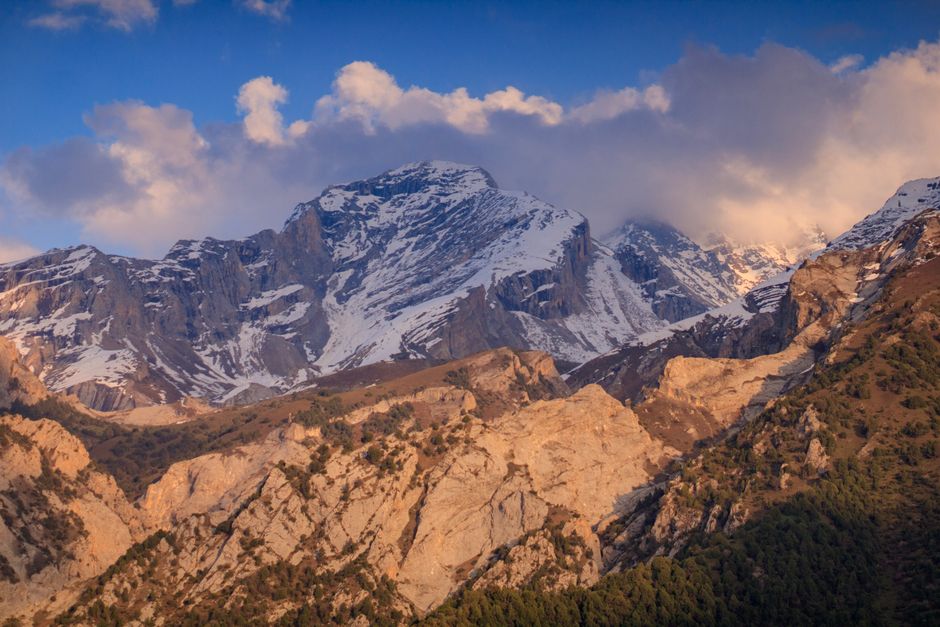
Breathtaking view of snow-capped mountains with a dramatic sky in Kyrgyzstan., Kyrgyzstan’s Tian Shan Mountains
FAQs: Your Kyrgyzstan’s Tian Shan Mountains Questions Answered
1. Is Kyrgyzstan’s Tian Shan Mountains safe at night?
Yes, it is generally very safe. Petty crime is low, and violent crime against tourists is rare. Standard precautions apply: be aware of your surroundings in towns after dark, avoid walking alone in unlit areas, and always secure your valuables. The greatest risks are environmental: altitude sickness, sudden weather changes, and difficult terrain while trekking.

