
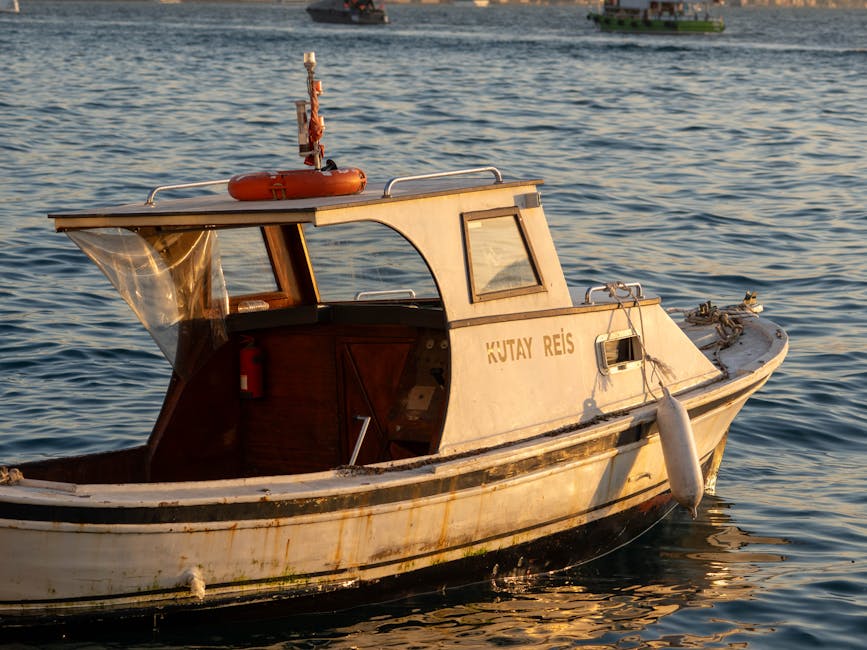
Kutai Kartanegara, Indonesia: Stunning Ancient Kingdoms, River Life & Untamed Rainforests (2026)
While crowds flock to the beaches of Bali, Kutai Kartanegara, Indonesia delivers a profound journey into the soul of Borneo without the tourist queues. As the cradle of one of the world’s oldest Hindu kingdoms, dating back to the 4th century, this regency in East Kalimantan is where you can trace the footsteps of ancient sultans along the mighty Mahakam River, then venture into a rainforest older than the Amazon. Savvy travelers choose differently for a reason: this is where Indonesia’s epic history and raw, natural grandeur converge.
Why Kutai Kartanegara, Indonesia Stands Out

Stunning view of the modern Grand Mosque in Bandung, West Java, Indonesia., Kutai Kartanegara, Indonesia
- Historic Architecture: The Mulawarman Museum, housed in the former Sultan’s Palace (built 1936), showcases the legacy of the Kutai Martadipura Kingdom with royal heirlooms and Dutch colonial design.
- Cultural Scene: The Erau International Folk & Art Festival, a week-long cultural extravaganza held annually, features traditional dances, water buffalo races, and the mystical *belian* healing rituals.
- Local Specialties: You must try *amplang*, the iconic crispy fish crackers from Tenggarong, best enjoyed fresh from the riverside vendors along the Mahakam.
Pro Tip: Plan your visit for the dry season between May and September, but aim for the shoulder months of May or September specifically. This avoids the peak humidity of mid-summer and positions you perfectly to potentially experience the Erau Festival, whose dates vary but are often set during these months.
Map of Kutai Kartanegara, Indonesia
Use these interactive maps to explore Kutai Kartanegara, Indonesia and plan your route:
📍 View Kutai Kartanegara, Indonesia on OpenStreetMap
🗺️ Open Kutai Kartanegara, Indonesia in Google Maps
Planning Your Trip: Practical Essentials
Getting There and Around
- By Air: You’ll fly into Sultan Aji Muhammad Sulaiman Airport (BPN) in Balikpapan. Garuda Indonesia, Lion Air, and Citilink offer domestic connections. From there, it’s a 2-3 hour drive to Tenggarong, the capital of Kutai Kartanegara. Book flights at Skyscanner for best deals.
- By Train: There are no direct passenger train services to Kutai Kartanegara. The primary rail lines are for coal transport. Your best bet is flying to Balikpapan and then traveling by road. Reserve tickets for other Indonesian journeys at Trainline or the national railway website.
- By Car: The drive from Balikpapan to Tenggarong via the Balikpapan-Samarinda Toll Road is straightforward. Renting a car with a driver is highly recommended for day trips. Compare car rentals at RentalCars.com.
- Local Transport: Within towns, use *angkot* (shared minivans) for cheap fares (around 5,000 IDR). For river exploration, public *ces* (longboats) or chartered klotok boats are essential. For land travel, ride-hailing apps like Gojek are available in Tenggarong.
Best Time to Visit
Kutai Kartanegara has a tropical rainforest climate—it’s warm and humid year-round, but precipitation defines the seasons. The dry season offers the best conditions for river travel and forest trekking.
| Season | Weather | Highlights |
|---|---|---|
| Dry Season (May–Sep) | Hot, 28-34°C (82-93°F), lower humidity, minimal rain. | Ideal for river cruises on the Mahakam, trekking in Kutai National Park, and outdoor festivals. Peak travel period. |
| Wet Season (Oct–Apr) | Very humid, 25-31°C (77-88°F), frequent heavy downpours. | Lush, vibrant greenery, fewer tourists, and lower prices. River travel can be challenging or impossible due to high water and strong currents. |
| Shoulder (May & Sep) | Transitional, 27-33°C (81-91°F), sporadic showers. | The sweet spot: decent weather, good river access, and a chance to catch the Erau Festival if timed right. Your best bet for value. |
Budgeting for Kutai Kartanegara, Indonesia
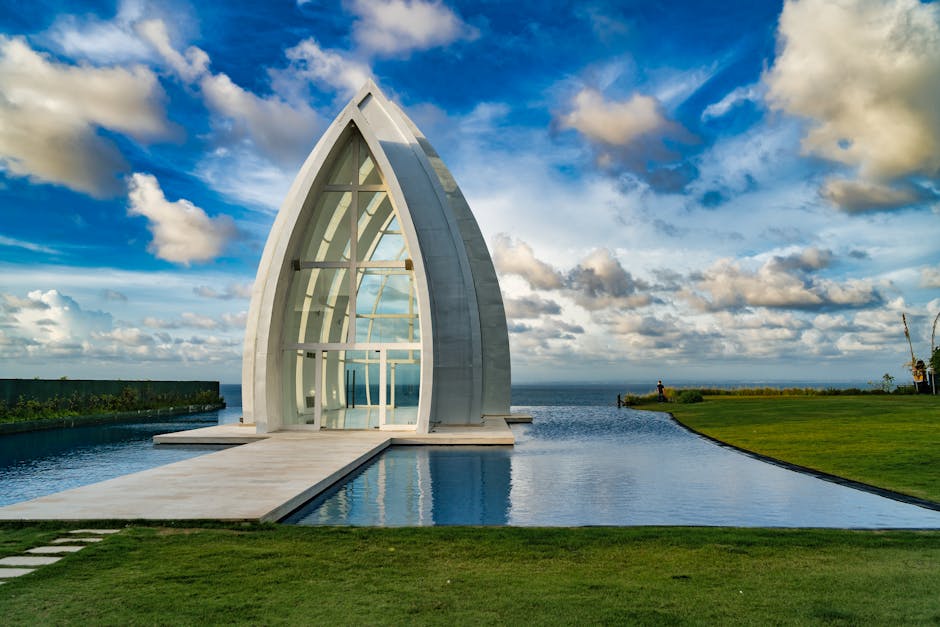
Stunning modern chapel located by the coast in Kuta, Kutai Kartanegara, Indonesia
| Category | Budget | Mid-range | Luxury |
|---|---|---|---|
| Accommodation | 150,000 – 300,000 IDR/night (homestay, basic losmen) | 500,000 – 1,200,000 IDR/night (comfortable hotel with AC) | 1,500,000+ IDR/night (resort-style or premium river lodge) |
| Meals | 20,000 – 50,000 IDR (warung street food, local eateries) | 75,000 – 200,000 IDR (restaurant meals, Western options) | 250,000+ IDR (fine dining, multi-course experiences) |
| Transport | 5,000 – 50,000 IDR (angkot, short boat rides) | 300,000 – 800,000 IDR/day (private car with driver, chartered boat) | 1,000,000+ IDR/day (private speedboat, premium transfers) |
| Activities | Free (museum gardens, waterfront walks) | 50,000 – 250,000 IDR (museum entry, guided village tours) | 500,000+ IDR (multi-day guided rainforest or river expeditions) |
| Daily Total | 225,000 – 450,000 IDR ($15-$30) | 1,000,000 – 2,500,000 IDR ($65-$165) | 3,500,000+ IDR ($230+) |
Top Attractions and Must-See Sights
| Attraction | Description | Hours | Entry Fee |
|---|---|---|---|
| Mulawarman Museum | Explore the history of the Kutai Kingdom in this elegant former palace, home to royal artifacts and the sacred *Salasilah* genealogy. | 8 AM – 4 PM, Closed Mondays | 10,000 IDR |
| Mahakam River Cruise | The lifeblood of the region; a boat journey reveals floating markets, stilt villages, and proboscis monkeys in the riverside mangroves. | Trips depart 7-9 AM | Varies; from 150,000 IDR for short tours |
| Kutai National Park | One of Borneo’s oldest conservation areas, a pristine rainforest sanctuary for orangutans, sun bears, and towering dipterocarp trees. | Park Office: 8 AM – 3 PM | 150,000 – 250,000 IDR (plus guide fees) |
| Tenggarong Islamic Center Mosque | A stunning modern architectural landmark with a distinctive golden dome, offering serene views over the city and river. | Open daily (prayer times for non-worshippers) | Free (donation appreciated) |
3-Day Itinerary: Kutai Kartanegara, Indonesia’s Highlights & Hidden Gems
Day 1: Royal Tenggarong & Riverfront Charms
- Morning (7-9 AM): Start at the Tenggarong Waterfront (*Tepian Pandang*). Watch local life unfold along the Mahakam River. Grab a breakfast of *lontong sayur* (rice cake in vegetable stew) from a vendor.
- Afternoon (12-3 PM): Visit the Mulawarman Museum (10,000 IDR). Afterward, have lunch at **Rumah Makan Sriwijaya** for their legendary *pindang patin* (sour and spicy catfish soup). Then, explore the nearby Kedaton Hotel area, another historic royal building.
- Evening (6-8 PM): Take a short evening *ces* boat ride (around 50,000 IDR) as the sun sets. For dinner, head to **Pondok Bahari** for fresh grilled river fish (*ikan bakar*) and a view of the illuminated Tenggarong Islamic Center Mosque.
Day 2: Mahakam River Village Life
- Morning (7 AM): Charter a klotok boat for a half-day trip (approx. 600,000 IDR for 4 people) to visit riverside Dayak villages like **Jantur** or **Melintang**. You’ll see traditional longhouses and handicraft weaving.
- Afternoon (12-3 PM): Enjoy a packed lunch on the boat. Keep an eye out for proboscis monkeys in the mangrove forests. Visit a sago processing workshop to see this staple food being made.
- Evening (6-8 PM): Return to Tenggarong. For a relaxed dinner, try **Warung Nasi Kuning Sederhana** for their flavorful yellow rice plates. Savvy visitors know to buy *amplang* crackers from the vendors near the boat docks for tomorrow’s adventure.
Day 3: Rainforest Immersion & Cultural Crafts
- Morning (7 AM): Hire a car with driver (approx. 500,000 IDR for the day) for the 2-hour journey to the **Sangkulirang-Mangkalihat Karst** area or a guided trek into a section of **Kutai National Park** near Sangatta. Your guide (mandatory, ~300,000 IDR) will point out flora and fauna.
- Afternoon (12-3 PM): Have a simple lunch arranged by your guide. Visit the **Kersik Luwai** (Black Orchid Forest) if time permits, or head to **Sentosa Keramik** in Tenggarong to see and buy traditional Borneo pottery.
- Evening (6-8 PM): Your final dinner should be at **Rumah Makan Pagi Sore**, famous for its Padang-style cuisine. Try the *rendang* (slow-cooked beef). Take a final stroll along the lit-up waterfront to reflect on your Borneo journey.
Cultural Insights & Etiquette
- Language: Indonesian (Bahasa Indonesia) is the official language. Basic phrases like *”Terima kasih”* (Thank you) and *”Permisi”* (Excuse me) are appreciated. In rural areas, local Dayak languages are spoken.
- Customs: Always use your right hand for giving, receiving, and eating. When visiting villages, especially Dayak longhouses, it is respectful to accept offers of drink or food. Always ask permission before taking photos of people.
- Tipping: Not mandatory but appreciated. Round up taxi fares, leave 5-10% for good restaurant service, and tip guides 50,000-100,000 IDR per day depending on the service.
- Dress Code: Modesty is key. Cover shoulders and knees, especially when visiting mosques, palaces, or traditional villages. Pack quick-dry clothing and sturdy shoes for the rainforest.
- Business Hours: Government offices and museums typically operate 8 AM to 4 PM, often with a lunch break, and are closed on Sundays. Shops open longer. Major Islamic holidays can see widespread closures.
Where to Eat: Kutai Kartanegara, Indonesia’s Best Bites
Dining here is a celebration of river and rainforest. The cuisine is hearty, often featuring freshwater fish, wild boar (in Dayak communities), and aromatic herbs. Don’t expect fancy plating; the focus is on robust, communal flavors.
Must-Try Local Specialties
- Pindang Patin: A tangy, spicy, and slightly sweet soup made with patin (silver catfish), tamarind, and local spices. Your best bet is at riverside restaurants like **Sriwijaya** or **Pondok Patin**.
- Amplang: The iconic crispy cracker made from ground fish (usually mackerel or tenggiri), starch, and spices. For the freshest, most authentic version, buy from producers in **Tenggarong Seberang** or at the Tenggarong waterfront market.
- Nasi Adan: A ceremonial rice dish cooked with coconut milk and spices, often served during festivals. Look for it at traditional food stalls during the Erau Festival or ask at local warungs if it’s available.
Restaurant Recommendations by Budget
| Type | Restaurant | Specialty | Price Range |
|---|---|---|---|
| Budget | Warung Nasi Kuning Sederhana (Tenggarong) | Nasi Kuning (Yellow Rice with sides) | 15,000 – 30,000 IDR |
| Mid-range | Rumah Makan Sriwijaya (Tenggarong) | Freshwater Fish Dishes, especially Pindang Patin | 50,000 – 150,000 IDR |
| Fine dining | Pondok Bahari (Tenggarong Waterfront) | Grilled Seafood Platters & Indonesian Fusion | 150,000 – 350,000 IDR |
Where to Stay
Accommodation ranges from basic homestays in river villages to comfortable city hotels in Tenggarong. For a unique experience, consider a multi-day boat tour that includes sleeping on a klotok. Compare prices and book at Booking.com or Airbnb for apartments.
Best Neighborhoods for Accommodation
- Tenggarong City Center: The most convenient base, with the best selection of hotels, restaurants, and easy access to the museum and waterfront. Ideal for first-time visitors and those relying on taxis/ride-hailing.
- Along the Mahakam River (outside city): For a more immersive experience, stay at a simple lodge or homestay in a riverside village like **Kembang Janggut**. You’ll get tranquility and direct access to river life, but fewer amenities.
- Sangatta (Gateway to Kutai NP): A practical, no-frills base if your primary goal is exploring Kutai National Park. Offers basic hotels and is closer to the park’s entry points than Tenggarong.

Aerial view of the historic Jam Gadang clock tower amidst Bukittinggi’s vib…, Kutai Kartanegara, Indonesia
FAQs: Your Kutai Kartanegara, Indonesia Questions Answered
1. Is Kutai Kartanegara, Indonesia safe at night?
Tenggarong is generally safe for travelers at night in well-lit, public areas like the waterfront. Exercise standard precautions: avoid isolated areas, don’t flash valuables, and use reputable transportation. In remote villages, safety is high, but always be respectful of local norms.

