
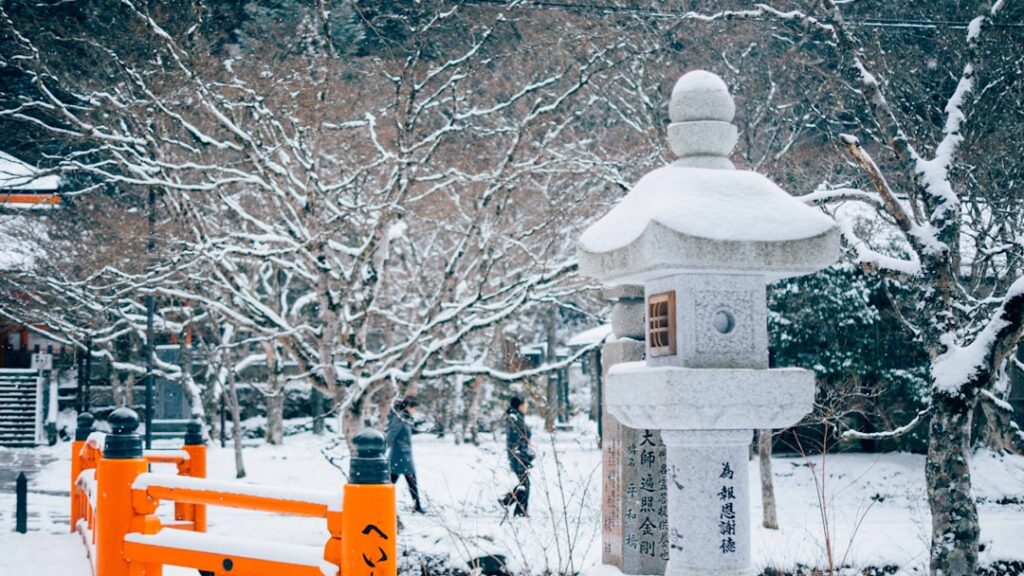
Koyasan, Japan: Incredible Monastic Serenity, Ancient Cedars & Spiritual Pilgrimage (2026)
At 5:30 AM, the resonant boom of the morning prayer bell echoes through the 1,200-year-old halls of Kongobuji Temple, rousing you from your futon in a temple lodging. The scent of incense and pine mingles with the crisp mountain air as you join robed monks for the Goma fire ritual, a daily ceremony unchanged since the 9th century. This isn’t just sightseeing; it’s an immersive plunge into the living heart of Japanese Buddhism.
Why Koyasan, Japan Stands Out

Person walking towards pagoda, Koyasan, Japan
- Historic Architecture: The Konpon Daito Pagoda, built in 816 AD, is the vibrant vermilion centerpiece of the sacred complex, representing the cosmic Buddha Vairocana.
- Cultural Scene: Participating in the Ajikan meditation session at Ekoin Temple offers a rare, hands-on experience of Shingon Buddhist esoteric practices.
- Local Specialties: You must try Shojin Ryori, the exquisite multi-course vegetarian Buddhist cuisine served at temple lodgings, where each dish carries symbolic meaning.
Pro Tip: For the most profound experience, visit mid-week in late October or early November. You’ll avoid the weekend crowds from Osaka and be rewarded with the fiery koyo (autumn foliage) transforming Okunoin Cemetery into a breathtaking tapestry of red and gold.
Map of Koyasan, Japan
Use these interactive maps to explore Koyasan, Japan and plan your route:
📍 View Koyasan, Japan on OpenStreetMap
🗺️ Open Koyasan, Japan in Google Maps
Planning Your Trip: Practical Essentials
Getting There and Around
- By Air: The nearest major airport is Kansai International (KIX). From there, take the Nankai Railway to Namba Station, then the Nankai Koya Line. Book flights at Skyscanner for best deals.
- By Train: The scenic Nankai Koya Line from Namba Station in Osaka takes about 90 minutes. The final leg is a breathtaking 5-minute cable car ride up the mountain. The World Heritage Ticket (¥3,860) is a fantastic value, covering round-trip travel and local buses. Reserve tickets at Trainline or the national railway website.
- By Car: Driving is possible but not recommended for first-time visitors, as parking within the central temple town is extremely limited and many areas are pedestrian-only. Compare car rentals at RentalCars.com.
- Local Transport: Two local bus lines (the Nishi-mawari and Higashi-mawari loops) connect all major sites. A 1-Day Bus Pass costs ¥830 and is your most economical option. Buses run every 20-30 minutes.
Best Time to Visit
Koyasan offers distinct beauty year-round, but your experience will vary dramatically with the seasons. Shoulder seasons provide the ideal balance of pleasant weather and manageable crowds.
| Season | Weather | Highlights |
|---|---|---|
| Summer (Jun–Aug) | Mild (15-25°C / 59-77°F), rainy, humid. | Lush green forests, fewer tourists. The Obon festival in August sees lanterns illuminate Okunoin. Can be foggy. |
| Winter (Dec–Feb) | Cold (-5 to 5°C / 23-41°F), frequent snow. | A stunning, silent winter wonderland. Okunoin Cemetery under snow is magical. Temple stays are cozy but some paths can be icy. |
| Shoulder (Apr–May/Sep–Oct) | Spring: 5-18°C (41-64°F); Autumn: 10-20°C (50-68°F). | Prime time. Cherry blossoms in April, spectacular autumn colors in late Oct/Nov. Clear skies and perfect walking weather. |
Budgeting for Koyasan, Japan

A person standing outside of a store at night, Koyasan, Japan
| Category | Budget | Mid-range | Luxury |
|---|---|---|---|
| Accommodation | ¥8,000-¥12,000 (Basic temple lodging/shukubo) | ¥15,000-¥25,000 (Premium shukubo with garden view) | ¥30,000+ (Largest temples like Kongobuji’s lodgings) |
| Meals | ¥1,500-¥2,500 (Simple noodle shops, temple breakfast included) | ¥4,000-¥6,000 (Full Shojin Ryori dinner at your temple) | ¥8,000+ (Multi-course kaiseki-style Shojin Ryori) |
| Transport | ¥830 (1-day bus pass) | ¥1,500 (Multiple bus days/taxis between distant sites) | ¥3,860 (World Heritage rail/bus pass from Osaka) |
| Activities | Free (Walking Okunoin, Danjo Garan) | ¥1,000-¥2,000 (Temple entry fees, meditation sessions) | ¥5,000+ (Private guided tours, calligraphy classes) |
| Daily Total | ¥10,330-¥15,330 (~$70-$105) | ¥21,500-¥34,500 (~$145-$235) | ¥46,860+ (~$320+) |
Top Attractions and Must-See Sights
| Attraction | Description | Hours | Entry Fee |
|---|---|---|---|
| Okunoin Cemetery | The largest in Japan, a mystical 2km path through 200,000 ancient tombs and monuments under towering cedars, leading to Kobo Daishi’s mausoleum. | Always open (Mausoleum: 6:00-17:30) | Free (Lantern Hall: ¥200) |
| Kongobuji Temple | The head temple of Shingon Buddhism, featuring Japan’s largest rock garden, Banryutei, and beautifully painted sliding doors (fusuma). | 8:30-17:00 (Last entry 16:30) | ¥1,000 |
| Danjo Garan Sacred Complex | The original monastic center founded in 819 AD, a powerful collection of over 20 halls and pagodas, including the iconic Konpon Daito Pagoda. | 8:30-17:00 | ¥1,000 (Combined ticket with Kongobuji: ¥1,500) |
| Reihokan Museum | Houses Koyasan’s artistic treasures, including stunning Buddhist statues and mandalas, many designated National Treasures. | 8:30-17:00 (Last entry 16:30) | ¥600 |
3-Day Itinerary: Koyasan, Japan’s Highlights & Hidden Gems
Day 1: Arrival & Spiritual Immersion
- Morning (10:00 AM): Arrive via the Nankai Koya Line cable car. Check into your shukubo (temple lodging) like Ekoin or Fudoin. Attend the temple’s orientation.
- Afternoon (1:00 PM): Explore the Danjo Garan complex (¥1,000). Feel the history at the Konpon Daito Pagoda. For lunch, grab sesame soba noodles at Bononsha, a charming 150-year-old shop.
- Evening (5:00 PM): Participate in your temple’s Ajikan meditation session. At 6:00 PM, savor your first Shojin Ryori dinner. After dark, take the temple’s guided night tour to Okunoin—an unforgettable, atmospheric walk.
Day 2: Cemetery Walk & Temple Treasures
- Morning (7:00 AM): Attend the morning prayer service (O-tsutome) with the monks, followed by a simple Buddhist breakfast at your temple.
- Afternoon (10:00 AM): Walk the full length of Okunoin from the Ichinohashi Bridge. Visit the Torodo (Lantern Hall) and the inner mausoleum. Have lunch at Hanabishi, known for its Koya-dofu (freeze-dried tofu) dishes.
- Evening (2:00 PM): Visit Kongobuji Temple (¥1,000) to see the rock garden. Then, enjoy matcha green tea and a sweet at the attached café. Your second Shojin Ryori dinner will feel even more appreciative.
Day 3: Art, Culture & Departure
- Morning (9:00 AM): Visit the Reihokan Museum (¥600) to see the sacred art. Then, browse the main street, Koya Sancho, for souvenirs like sesame crackers (Goma Senbei) and handmade Buddhist prayer beads (juzu).
- Afternoon (12:00 PM): Enjoy a final lunch at Souvenir Koya, trying their famous Koya-zen set meal. If time allows, take a short bus to Daimon Gate, the traditional entrance to the sacred mountain, for photos.
- Evening (3:00 PM): Bid farewell to your temple hosts and descend the cable car. Savvy travelers often extend their trip to the nearby hot spring town of Wakayama for a relaxing onsen bath.
Cultural Insights & Etiquette
- Language: Basic phrases like “Arigatou gozaimasu” (Thank you) and “Sumimasen” (Excuse me) are appreciated. At temples, you might hear “Gokuro-sama” (thank you for your hard work).
- Customs: Before entering temple buildings, remove your shoes. Bow slightly when entering and leaving worship halls. During ceremonies, observe silence and refrain from photography unless explicitly permitted.
- Tipping: Tipping is not practiced in Japan. Instead, show gratitude with a sincere bow and thank you. A small gift from your home country for your temple hosts is a thoughtful gesture.
- Dress Code: Modest, conservative clothing is essential. Cover shoulders and knees. Wear clean, easy-to-remove socks for temple interiors. The mountain is cool, so layers are key.
- Business Hours: Most temples and museums are open 8:30-17:00. Shops on the main street typically open around 9:00 AM. Many smaller establishments may be closed on weekdays outside peak seasons.
Where to Eat: Koyasan, Japan’s Best Bites
Dining in Koyasan revolves around the profound culinary tradition of Shojin Ryori, the vegan cuisine developed by Buddhist monks. It’s an art form emphasizing seasonal ingredients, balance, and mindful eating. Outside the temples, you’ll find simple, hearty fare centered on local mountain vegetables and tofu.
Must-Try Local Specialties
- Shojin Ryori: The pinnacle of the visit. A multi-course feast featuring sesame tofu (goma-dofu), simmered vegetables (nimono), and tempura. Best experienced at your temple lodging.
- Koya-dofu (Freeze-dried Tofu): A Koyasan invention. It has a unique, spongy texture that absorbs broths beautifully. Try it in a hot pot or simmered dish at Hanabishi.
- Goma Senbei: Crispy, savory-sweet sesame crackers. The perfect edible souvenir. The shops along Koya Sancho street offer endless varieties for sampling.
Restaurant Recommendations by Budget
| Type | Restaurant | Specialty | Price Range |
|---|---|---|---|
| Budget | Bononsha (Near Danjo Garan) | Hearty, handmade sesame soba noodles in a historic setting. | ¥800-¥1,500 |
| Mid-range | Hanabishi (On the main street) | Authentic Koyasan cuisine, especially their Koya-dofu hot pot sets. | ¥2,000-¥3,500 |
| Fine dining | Your Temple’s Shojin Ryori (Ekoin, Fudoin, etc.) | The definitive, authentic multi-course Buddhist vegetarian banquet served in a serene tatami room. | ¥4,000-¥8,000 (often included in lodging) |
Where to Stay
Staying in a shukubo (temple lodging) is non-negotiable for the full Koyasan experience. These aren’t just hotels; they are active temples where you participate in the daily rhythm of monastic life. Options range from large, well-known temples to smaller, more intimate ones. Compare prices and book at Booking.com or Airbnb for apartments (though traditional shukubo are best booked directly or via specialist sites).
Best Neighborhoods for Accommodation
- Central Koyasan (Near Kongobuji): The most convenient location, within walking distance of Danjo Garan and many shops. Ideal for first-time visitors. Can be slightly busier. (e.g., Kongobuji’s Fukuchiin).
- Near Okunoin Cemetery: Offers a profoundly peaceful atmosphere and easy access for early morning or late-night cemetery walks. Slightly further from the town center. (e.g., Ekoin Temple).
- Quiet Temple Districts: Smaller temples on the eastern or western edges offer the most secluded and personal experience. You’ll rely more on the bus system. (e.g., Rengejoin).

Rocks and sand in a rock garden at a beach, Koyasan, Japan
FAQs: Your Koyasan, Japan Questions Answered
1. Is Koyasan, Japan safe at night?
Extremely safe. Koyasan is a small, close-knit spiritual community with very low crime. Walking through Okunoin Cemetery at night is a popular and safe activity, especially on guided tours offered by temples. Standard travel precautions apply, but the atmosphere is one of profound peace.
2. What currency is used and are credit cards accepted?
Japan uses the Yen (¥). While major temples and some larger restaurants accept credit cards, many smaller shops, cafes, and even some temple lodgings are cash-only. Your best bet is to withdraw sufficient cash from an ATM at Kansai Airport or Osaka’s Namba Station before ascending the mountain. There are a few ATMs in Koyasan, but they are not always reliable for foreign cards.
3. How do I get from the airport to the city center?
From K

