
Koločep, Croatia: Amazing Car-Free Serenity, Ancient Olive Groves & Turquoise Coves (2026)
While crowds flock to Dubrovnik’s Stradun, just a 30-minute ferry ride away, Koločep, Croatia delivers the authentic, tranquil Dalmatian island life without the queues and cruise ship crowds. Here’s why savvy travelers choose differently: on this car-free, pine-scented isle, you’ll share secluded pebble beaches with just a handful of locals, wander through 1,000-year-old olive groves, and experience a pace of life governed by the sun and the Jadrolinija ferry schedule.
Why Koločep, Croatia Stands Out
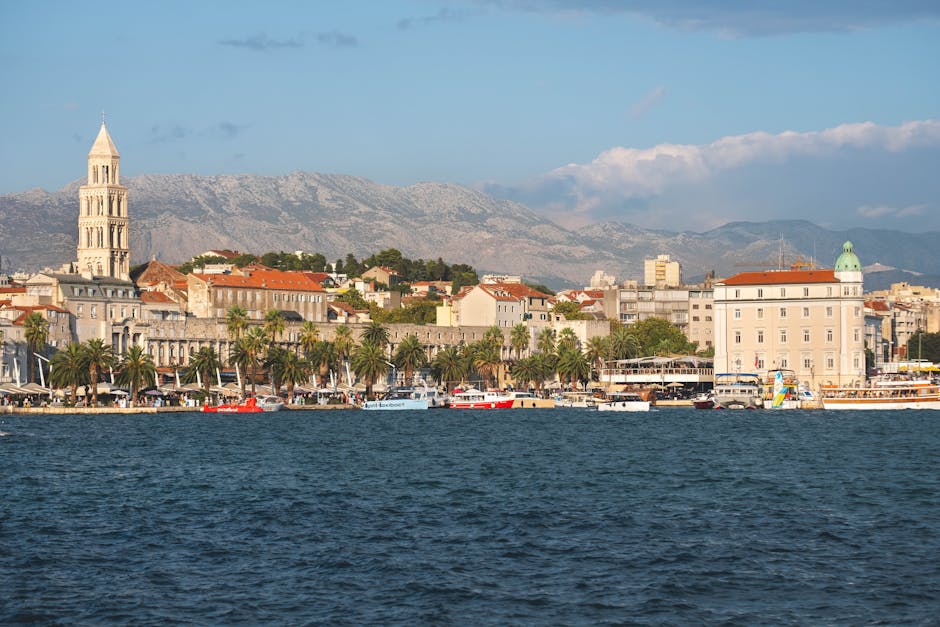
Panoramic view of Split, Koločep, Croatia
- Historic Architecture: The 9th-century Church of St. Nicholas in Donje Čelo, a pre-Romanesque gem built by Croatian rulers, features a unique three-apse design and ancient stone carvings.
- Cultural Scene: The annual Koločep Summer Festival in July transforms the island’s piazzas with klapa (a cappella) singing performances, local wine tastings, and traditional folk dancing under the stars.
- Local Specialties: You must try *škampi na buzaru* – fresh Adriatic shrimp stewed in a savory white wine, garlic, and tomato sauce, best enjoyed at a waterfront konoba.
Pro Tip: For the perfect balance of warm weather and solitude, visit in the second half of September. The sea is still a blissful 22°C (72°F), summer tourists have departed, and you’ll have the island’s famous Blue Cave practically to yourself.
Map of Koločep, Croatia
Use these interactive maps to explore Koločep, Croatia and plan your route:
📍 View Koločep, Croatia on OpenStreetMap
🗺️ Open Koločep, Croatia in Google Maps
Planning Your Trip: Practical Essentials
Getting There and Around
- By Air: Dubrovnik Airport (DBV) is your gateway. Major airlines like Lufthansa, British Airways, and easyJet operate seasonal flights. From the airport, a 45-minute taxi (approx. €40) or airport shuttle bus to Dubrovnik’s Gruž Port is your best bet. Book flights at Skyscanner for best deals.
- By Train: Croatia’s coastal rail network is limited; Dubrovnik is not connected by train. The nearest major rail hub is Split, a 3.5-hour bus ride north. Reserve tickets at Trainline or the national railway website for journeys to Split.
- By Car: Drive to Dubrovnik’s Gruž Port, where you’ll find secure, long-term parking for about €10-15 per day. You cannot bring a car to Koločep. Compare car rentals at RentalCars.com.
- Local Transport: The island is car-free. Transport is by foot, bicycle, or the island’s sole electric tourist train that shuttles between the two villages. The essential service is the public ferry from Dubrovnik (Gruž Port). A one-way ticket costs approx. 25 HRK (€3.30), with 6-8 daily crossings (fewer on Sundays). Check the Jadrolinija website for the latest schedule.
Best Time to Visit
The ideal window is late May through June and September to early October. You’ll enjoy long, sunny days, warm sea temperatures, and significantly fewer visitors than the peak July-August period, when day-trippers from Dubrovnik can swell the population.
| Season | Weather | Highlights |
|---|---|---|
| Summer (Jun–Aug) | Hot & dry, 26-30°C (79-86°F), minimal rain | Vibrant atmosphere, perfect swimming, all restaurants open; can be busy with day-trippers. |
| Winter (Dec–Feb) | Mild & wet, 8-12°C (46-54°F), frequent rain | Extremely quiet; many businesses close. For solitude only, not for beach-going. |
| Shoulder (Apr–May/Sep–Oct) | Pleasant, 18-24°C (64-75°F), occasional showers | Best overall experience: comfortable weather, peaceful ambiance, lower prices, and warm-enough sea for swimming. |
Budgeting for Koločep, Croatia

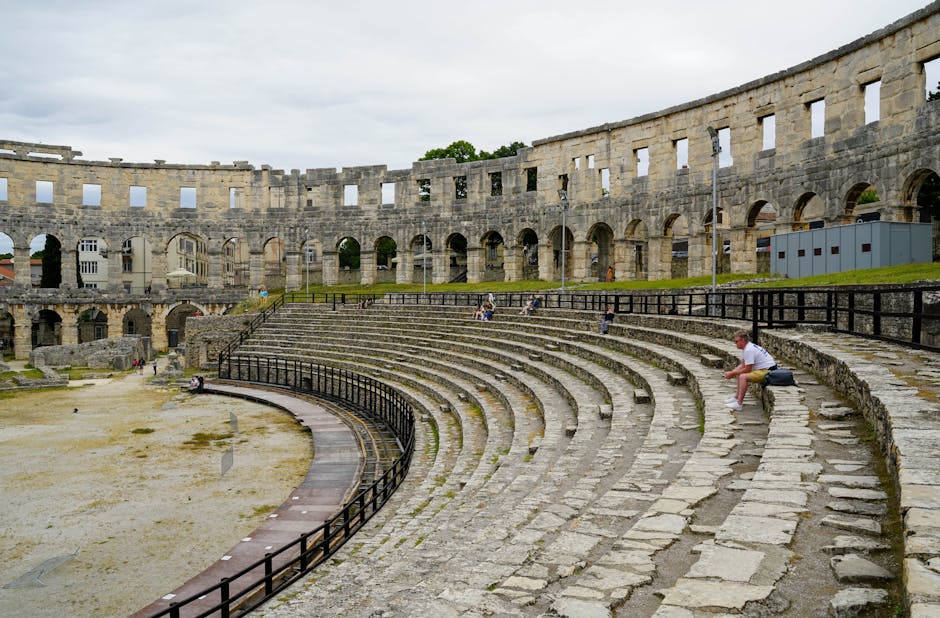
Discover the ancient Pula Amphitheater architectural marvel in Croatia, Koločep, Croatia
| Category | Budget | Mid-range | Luxury |
|---|---|---|---|
| Accommodation | Private room: 300-400 HRK (€40-53) | Apartment with sea view: 600-900 HRK (€80-120) | Boutique villa with pool: 1,500+ HRK (€200+) |
| Meals | Pizza & pasta: 70-90 HRK (€9-12) | Konoba meal with wine: 150-250 HRK (€20-33) | Multi-course seafood feast: 400+ HRK (€53+) |
| Transport | Ferry & walking only: 50 HRK (€6.60) | Bike rental: 100 HRK/day (€13), occasional taxi boat | Private speedboat charter: 1,500+ HRK (€200+) |
| Activities | Hiking, public beaches: Free | Blue Cave tour: 150 HRK (€20), kayak rental | Private sailing day-trip to Elaphiti Islands |
| Daily Total | 420-540 HRK (€55-72) | 900-1,300 HRK (€120-173) | 3,400+ HRK (€450+) |
Top Attractions and Must-See Sights
| Attraction | Description | Hours | Entry Fee |
|---|---|---|---|
| The Blue Cave (Modra Špilja) | A stunning sea cave where sunlight filters through an underwater opening, bathing the interior in an ethereal, glowing blue light. | Accessible by boat; best visited 11 AM-2 PM for optimal light. | Boat tour required: ~150 HRK (€20) |
| Donje Čelo & Gornje Čelo Villages | The island’s two serene, stone-built hamlets connected by a scenic coastal path, featuring ancient churches, pines, and fisherman’s houses. | Always open | Free |
| St. Nicholas’ Church (Crkva sv. Nikole) | The iconic 9th-century pre-Romanesque church, one of the oldest in the region, showcasing early medieval Croatian architecture. | Exterior always viewable; interior access may require inquiring locally. | Free (donation appreciated) |
| Island Hiking Trails | A network of trails through fragrant pine forests and ancient olive groves, leading to secluded coves like *Luka* and breathtaking viewpoints. | Always open | Free |
3-Day Itinerary: Koločep, Croatia’s Highlights & Hidden Gems
Day 1: Island Immersion & Village Life
- Morning (9 AM): Arrive via ferry from Dubrovnik Gruž Port (25 HRK). Check into your accommodation in Donje Čelo, then grab a coffee at **Café Bar Mlin** by the old mill. Walk the waterfront promenade.
- Afternoon (1 PM): Lunch at **Konoba Gverović-Orsan** for legendary *škampi na buzaru* (180 HRK). Afterwards, hike the 2km scenic path to Gornje Čelo village, exploring the tiny Church of St. Anthony.
- Evening (7 PM): Sunset swim at Donje Čelo’s main beach. For dinner, savor grilled fish at **Restoran Villa Ruža** with a view of the harbor lights (220 HRK).
Day 2: Coastal Adventures & The Blue Glow
- Morning (10 AM): Rent a kayak from Donje Čelo harbor (100 HRK/2 hours) and paddle east along the dramatic coastline, discovering tiny pebble inlets only accessible from the sea.
- Afternoon (1 PM): Simple lunch of *pršut* (Dalmatian prosciutto) and cheese at **Caffe Bar Tri Škole**. At 2:30 PM, join a small group boat tour from the pier to the **Blue Cave** (150 HRK per person).
- Evening (7 PM): Dine at **Konoba Porat** in Gornje Čelo for a quieter, family-run experience. Try the black cuttlefish risotto (130 HRK). Stargaze on the walk back along the illuminated path.
Day 3: History, Olives & Farewell Feast
- Morning (9 AM): Take the island’s electric train (20 HRK) to the trailhead for the interior olive groves. Walk among gnarled, centuries-old trees to the secluded **Luka Cove** for a pristine morning swim.
- Afternoon (1 PM): Final lunch at **Bistro Golf** near the island’s sole tennis court, known for its excellent pasta and relaxed garden setting. Pick up some local olive oil or lavender as a souvenir.
- Evening (5 PM): Catch the late afternoon ferry back to Dubrovnik, watching Koločep’s silhouette fade into the Adriatic twilight, perfectly relaxed.
Cultural Insights & Etiquette
- Language: Croatian is the official language. Key phrases: *Hvala* (Thank you), *Dobar dan* (Good day), *Oprostite* (Excuse me). English is widely spoken in tourism businesses.
- Customs: A warm but respectful greeting is standard. When visiting churches, modest dress (covered shoulders and knees) is expected, even if just viewing the exterior.
- Tipping: Tipping is appreciated but not obsessive. Round up the bill or leave 5-10% for good service in restaurants. For taxi boats, rounding up to the nearest 10 HRK is fine.
- Dress Code: Resort-casual is perfect everywhere. Swimwear is for the beach only; always cover up when walking through the villages or entering shops/cafés.
- Business Hours: Shops and services generally run from 8 AM to 2 PM and again from 5 PM to 8 PM. Many smaller places close on Sundays. Restaurants typically serve lunch from 1-4 PM and dinner from 7 PM onward.
Where to Eat: Koločep, Croatia’s Best Bites
Dining on Koločep is a celebration of hyper-local, sea-to-table cuisine. The island’s *konobas* (traditional tavernas) are the heart of social life, where menus change with the day’s catch and ingredients are sourced from family gardens.
Must-Try Local Specialties
- Škampi na Buzaru: The island’s signature dish: fresh shrimp in a garlic, wine, tomato, and parsley sauce, served with bread for dipping. Best at **Konoba Gverović-Orsan**.
- Brudet od Škarpina: A hearty fisherman’s stew made with scorpionfish, tomatoes, onions, and wine, slowly cooked to perfection. Find it at **Restoran Villa Ruža**.
- Olive Oil & Figs: Taste the liquid gold produced from ancient island groves, often paired with dried figs. Many families sell their own; ask at your accommodation.
Restaurant Recommendations by Budget
| Type | Restaurant | Specialty | Price Range |
|---|---|---|---|
| Budget | Caffe Bar Tri Škole (Donje Čelo) | Heartwarming pizzas, sandwiches, and simple pasta dishes. | 70-100 HRK (€9-13) |
| Mid-range | Konoba Porat (Gornje Čelo) | Authentic family cooking, especially their grilled fish and peka (clay-baked) dishes. | 130-200 HRK (€17-27) |
| Fine dining | Restoran Villa Ruža (Donje Čelo) | Elegant seafood platters, exquisite risottos, and a superb wine list with a panoramic terrace. | 250-400 HRK (€33-53) |
Where to Stay
Accommodation is almost entirely in private apartments, guesthouses, or a few small hotels. Staying in Donje Čelo puts you near the ferry, most restaurants, and amenities. Gornje Čelo offers deeper quiet and a more residential feel. Compare prices and book at Booking.com or Airbnb for apartments.
Best Neighborhoods for Accommodation
- Donje Čelo: The main village and ferry port. Pros: convenience, most dining options, easy beach access. Cons: can be slightly busier when ferries arrive. Ideal for first-time visitors and those who like to be in the center of things.
- Gornje Čelo: The quieter, more rustic upper village. Pros: supreme tranquility, stunning views, a true “getaway” feel. Cons: a 25-minute walk or short electric train ride from the port and main services. Perfect for couples and solitude-seekers.
- Scattered Villas & Houses: A few standalone properties are nestled in the pine forests between villages. Pros: absolute privacy and unique settings. Cons: you’ll be reliant on the (infrequent) island train or longer walks to get anywhere. Best for those planning a true retreat.

Stunning aerial view of Dubrovnik’s Old Town and the Adriatic Sea at sunset., Koločep, Croatia
FAQs: Your Koločep, Croatia Questions Answered
1. Is Koločep, Croatia safe at night?
Extremely safe. Violent crime is virtually unheard of. The main considerations are practical: as the island is car-free and has limited street lighting on paths between villages, carrying a small flashlight or using your phone’s light for the evening walk back from dinner is a smart move.
2. What currency is used and are credit cards accepted?
Croatia uses the Euro (€). While most hotels and larger restaurants accept credit/debit cards, it’s essential to carry cash. Smaller konobas, the ferry ticket office, and family-run shops often prefer or only take cash. There is no ATM on the island, so withdraw euros in Dubrovnik before you cross.
3. How do I get from the airport to Koločep?
First, travel from Dubrovnik Airport (DBV) to Dubrovnik’s Gruž Port. Take an airport taxi (45 mins, ~€40) or the airport shuttle bus to the main bus station, then a local bus or taxi

