
Kohima, India’s Amazing War History, Tribal Culture & Mountain Vistas (2025)
At 5:30 AM, the mist lifts from Kohima Ridge to reveal Commonwealth War Graves Commission headstones standing in perfect formation, each facing the tennis court where British and Japanese soldiers fought hand-to-hand in 1944. The scent of pine mixes with morning dew as local women in traditional Naga shawls begin their market preparations. This isn’t just another hill station—it’s where World War II’s turning point in Asia meets 16 distinct Naga tribes preserving ancient traditions against a backdrop of 1,800-meter Himalayan foothills.
Why Kohima, India Stands Out

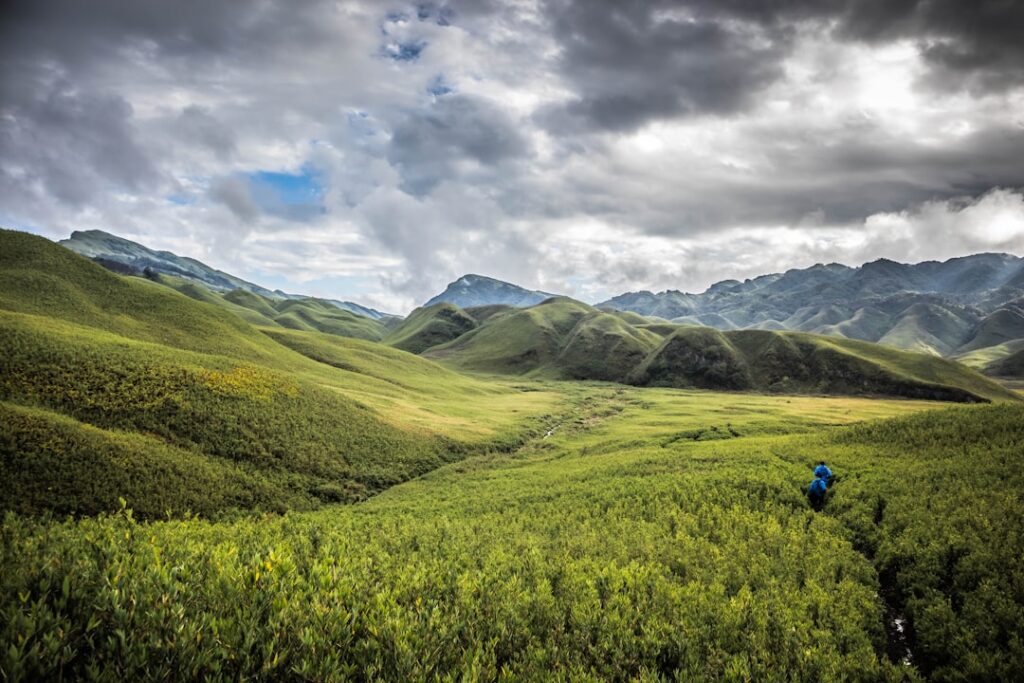
Green and brown mountains under white clouds during daytime, Kohima, India
- Historic Architecture: The Kohima War Cemetery (1946) contains 1,420 Commonwealth graves and the famous “When You Go Home, Tell Them of Us and Say, For Your Tomorrow, We Gave Our Today” memorial stone.
- Cultural Scene: The Hornbill Festival each December showcases all 16 Naga tribes through warrior dances, log drum performances, and indigenous games at Kisama Heritage Village.
- Local Specialties: Smoked pork with bamboo shoot curry, a fiery Naga staple you’ll find at local kitchens for under ₹200 per plate.
Pro Tip: Visit during the first week of December for the Hornbill Festival when all tribes gather, but book accommodation 3 months early as hotels fill rapidly. Avoid July-August monsoon when landslides can block mountain roads for days.
Map of Kohima, India
Use these interactive maps to explore Kohima, India and plan your route:
📍 View Kohima, India on OpenStreetMap
🗺️ Open Kohima, India in Google Maps
Planning Your Trip: Practical Essentials
Getting There and Around
- By Air: Dimapur Airport (70km away) connects via Air India and IndiGo from Kolkata and Delhi. Pre-book taxis for the 3-hour mountain drive (₹2,500-3,000). Book flights at Skyscanner for best deals.
- By Train: Dimapur Railway Station serves as the nearest major railhead with overnight trains from Kolkata (20 hours) and Guwahati (12 hours). Reserve tickets at Trainline or the national railway website.
- By Car: NH29 connects Kohima to Dimapur through stunning mountain passes—hire a local driver familiar with the winding roads (₹4,000/day). Compare car rentals at RentalCars.com.
- Local Transport: Shared taxis (₹50-100 per seat) connect key areas, while auto-rickshaws charge ₹30-80 for short hops. Walking is best within the compact city center.
Best Time to Visit
Kohima’s elevation creates pleasant weather year-round, but timing your visit right makes all the difference for festival access and clear mountain views.
| Season | Weather | Highlights |
|---|---|---|
| Summer (Jun–Aug) | 18°C-26°C, heavy monsoon rains | Lush landscapes but frequent road closures; 80% hotel discounts |
| Winter (Dec–Feb) | 4°C-16°C, crisp and clear | Hornbill Festival, perfect trekking weather, cultural immersion at its peak |
| Shoulder (Apr–May/Sep–Oct) | 15°C-22°C, minimal rainfall | Rhododendron blooms, comfortable exploring, 30% fewer tourists than winter |
Budgeting for Kohima, India

A person with a purple umbrella looking over a wall, Kohima, India
| Category | Budget | Mid-range | Luxury |
|---|---|---|---|
| Accommodation | ₹800-1,500 (guesthouses) | ₹2,500-4,000 (3-star hotels) | ₹6,000+ (boutique resorts) |
| Meals | ₹150-300 (local eateries) | ₹400-800 (restaurants) | ₹1,200+ (fine dining) |
| Transport | ₹200 (shared taxis/walking) | ₹800 (private taxi half-day) | ₹2,500 (full-day chauffeur) |
| Activities | Free (cemetery, markets) | ₹500 (museum entries, local guides) | ₹2,000 (private cultural tours) |
| Daily Total | ₹1,150-2,300 | ₹3,800-5,600 | ₹9,700+ |
Top Attractions and Must-See Sights
| Attraction | Description | Hours | Entry Fee |
|---|---|---|---|
| Kohima War Cemetery | Immaculately maintained WWII graves with the famous tennis court battle site | Sunrise to sunset | Free |
| Kisama Heritage Village | Living museum of Naga tribes with traditional huts and cultural performances | 9 AM-4 PM | ₹50 |
| Kohima State Museum | Comprehensive collection of Naga artifacts, weapons, and ceremonial costumes | 9:30 AM-3:30 PM (Closed Sun) | ₹20 |
| Catholic Cathedral | Stunning hilltop church with panoramic city views and unique tribal-inspired architecture | 7 AM-6 PM | Free |
3-Day Itinerary: Kohima, India’s Highlights & Hidden Gems
Day 1: War History & City Exploration
- Morning: 7:30 AM arrival at Kohima War Cemetery for peaceful contemplation before crowds. Locals recommend the early light for photography of the famous memorial stone inscription.
- Afternoon: 12 PM exploration of Kohima Market watching tribal women sell organic produce, followed by lunch at Dzukou Tribal Kitchen for authentic smoked pork curry (₹180).
- Evening: 6 PM sunset views from Catholic Cathedral, then dinner at The Heritage for Naga thali (₹350) with local rice beer.
Day 2: Tribal Culture Immersion
- Morning: 8 AM taxi to Kisama Heritage Village (₹400 roundtrip) to see traditional Naga morungs (youth dormitories) and watch craftsmen create tribal jewelry.
- Afternoon: 1 PM return to city for Kohima State Museum, then lunch at Bamboo Hut known for their axone (fermented soybean) chicken (₹220).
- Evening: 6:30 PM cultural performance if available (check tourist office) or explore local music scene at Café Republic.
Day 3: Mountain Vistas & Local Life
- Morning: 7 AM shared taxi (₹150) to Dzükou Valley trailhead for 2-hour moderate hike through rhododendron forests to stunning valley views.
- Afternoon: 1 PM picnic lunch from local bakeries, then return to explore Kohima Village—one of Nagaland’s oldest settlements with traditional wooden houses.
- Evening: 6 PM farewell dinner at Razhu Pru for their signature bamboo steamed fish (₹280) before early departure next day.
Cultural Insights & Etiquette
- Language: English is widely spoken, but learn “Thank you” (Mase mase) and “Hello” (Chizie) in local Angami dialect to connect with elders.
- Customs: Always remove shoes before entering Naga homes; accept tea when offered as refusal may offend; ask permission before photographing tribal elders.
- Tipping: Not expected but appreciated—round up taxi fares, leave ₹50-100 at restaurants for good service.
- Dress Code: Modest clothing preferred; women should avoid shorts in villages; carry a light jacket for cool evenings.
- Business Hours: Shops open 9:30 AM-5 PM with lunch breaks; most closed Sundays; government offices observe second Saturdays off.
Where to Eat: Kohima, India’s Best Bites
Kohima’s food scene revolves around fiery Naga cuisine featuring smoked meats, bamboo shoots, and the famous bhut jolokia pepper. Travelers discover that local kitchens often outperform restaurants for authentic flavors.
Must-Try Local Specialties
- Smoked Pork with Bamboo Shoot: The quintessential Naga dish you’ll find perfected at family-run Dzukou Tribal Kitchen near the market
- Axone (Fermented Soybean) Chicken: Strong, distinctive flavor best sampled at Bamboo Hut with their homemade rice beer
- Bamboo Steamed Fish: Delicate river fish with local herbs—Razhu Pru’s version with wild ginger is exceptional
Restaurant Recommendations by Budget
| Type | Restaurant | Specialty | Price Range |
|---|---|---|---|
| Budget | Naga Kitchen (Market Area) | Pork curry with local greens | ₹120-250 |
| Mid-range | The Heritage (Middle Point) | Naga thali with 6 accompaniments | ₹300-500 |
| Fine dining | De Oriental Grand (Hotel Vivor) | Fusion Naga-Continental dishes | ₹600-1,200 |
Where to Stay
Kohima offers everything from basic guesthouses to boutique properties, with location being crucial due to the city’s steep terrain. Most visitors prefer staying near the city center for walkable access to key sites. Compare prices and book at Booking.com or Airbnb for apartments.
Best Neighborhoods for Accommodation
- Middle Point: Central location with walking access to cemetery and markets; limited parking but best for first-time visitors
- PR Hill: Upscale area with better hotels and city views; 15-minute walk downhill to center, quieter at night
- New Market Area: Budget-friendly options amid local life; can be noisy but offers authentic cultural immersion

White and black concrete building near green trees under white clouds durin…, Kohima, India
FAQs: Your Kohima, India Questions Answered
1. Is Kohima, India safe at night?
Kohima is generally safe, but the hilly terrain and limited street lighting mean you should take taxis after dark. Locals recommend sticking to main roads and avoiding isolated areas. Women travelers report feeling comfortable, but should exercise normal precautions.
2. What currency is used and are credit cards accepted?
Indian Rupees (₹) are used everywhere. While hotels and larger restaurants accept credit cards, you’ll need cash for markets, taxis, and local eateries. ATMs are available but can run out of cash—withdraw in Dimapur before ascending to Kohima.
3. How do I get from the airport to the city center?
Dimapur Airport to Kohima takes 3 hours by pre-booked taxi (₹2,500-3,000). Shared taxis cost ₹400 per seat but can involve long waits. The mountain road has multiple checkpoints where you’ll need to show your Inner Line Permit. Book airport transfers at GetYourGuide for convenience.
4. Do I need to speak the local language?
English serves as the official language and is widely spoken, particularly by younger generations. Learning a few words of local Angami dialect will delight elders. Key phrases: “Mase mase” (thank you), “Chizie” (hello), “Kadi ming” (how much).
5. What’s the appropriate dress code?
Modest Western clothing is acceptable, but women should avoid shorts and sleeveless tops in villages. Carry layers—mornings can be cool (10°C) while afternoons warm up (22°C). Comfortable walking shoes are essential for Kohima’s steep streets.
Final Thoughts: Kohima, India Awaits
Kohima offers what few Indian destinations can—genuine cultural immersion amid living history. Between the solemn beauty of the war cemetery, the vibrant energy of tribal festivals, and the stunning Himalayan foothills, you’ll discover a destination that changes perspectives. Savvy travelers know to secure their Inner Line Permit early, pack for changeable mountain weather, and come with an open mind. The real magic happens when you slow down enough to hear the stories behind the headstones, taste the generations of tradition in each fiery curry, and watch mist transform ordinary valleys into something unforgettable. Don’t just visit—listen, taste, and remember.

