
Kitgum, Uganda’s Hidden Resilience, Rhythms & Untamed Savannah (2026)
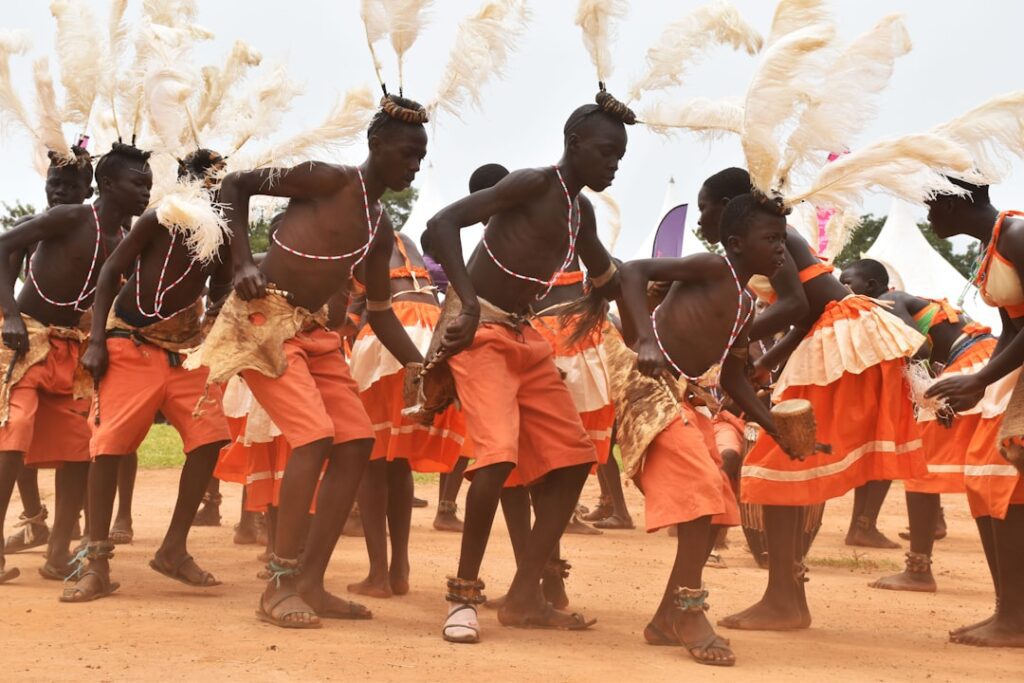
Ask locals about Kitgum, Uganda, and they’ll tell you about the Larakaraka dance, a powerful, rhythmic celebration of Acholi culture performed not for tourists, but for community. Most guidebooks miss this completely, focusing only on the region’s difficult past. Today, Kitgum offers a profound lesson in resilience and a gateway to some of East Africa’s most authentic cultural encounters and untouched wilderness, where you’re more likely to share a roadside tea with a cattle herder than see another traveler.
Why Kitgum, Uganda Stands Out

A cemetery with many white headstones, Kitgum, Uganda
- Historic Architecture: The Kitgum Matidi (White House), built in 1911 as a colonial administrative center, stands as a silent witness to the region’s complex history, its weathered facade a stark contrast to the town’s vibrant present.
- Cultural Scene: The energetic Larakaraka dance, performed during weddings and community gatherings, features intricate footwork, drumming, and singing that tells stories of Acholi heritage and social life.
- Local Specialties: You must try Malakwang, a signature Acholi dish of sour leafy greens stewed with groundnut paste, often served with sweet potatoes or boo (millet bread).
Pro Tip: Plan your visit for the dry seasons, from December to February or June to August. The roads to remote attractions like the Agoro-Agu Forest are passable, and the cooler evenings are perfect for community gatherings. Avoid the peak of the rainy season in April/May when travel can become challenging.
Map of Kitgum, Uganda
Use these interactive maps to explore Kitgum, Uganda and plan your route:
📍 View Kitgum, Uganda on OpenStreetMap
🗺️ Open Kitgum, Uganda in Google Maps
Planning Your Trip: Practical Essentials
Getting There and Around
- By Air: The nearest major airport is Entebbe International Airport (EBB). From there, you’ll take a domestic flight to Gulu Airport (ULU) with Aerolink Uganda, followed by a 1.5-hour drive to Kitgum. Book flights at Skyscanner for best deals.
- By Train: There is currently no passenger train service to Northern Uganda. The primary overland route is by road from Kampala.
- By Car: The drive from Kampala to Kitgum (approx. 450km) takes 6-8 hours via the Gulu Highway. A 4×4 is recommended, especially in the wet season. Compare car rentals at RentalCars.com.
- Local Transport: Within town, boda-bodas (motorcycle taxis) are the most common and affordable transport (1,000-3,000 UGX per short trip). For longer excursions, hire a private car and driver through your hotel or a local tour operator.
Best Time to Visit
Timing is key for a comfortable and accessible Kitgum experience. The dry seasons offer the best conditions for wildlife viewing, cultural visits, and smooth travel on unpaved roads.
| Season | Weather | Highlights |
|---|---|---|
| Dry Season (Dec–Feb) | Warm, sunny days (25-30°C) with low humidity and cool nights. Virtually no rain. | Prime time for visiting Kidepo Valley National Park. Excellent road conditions and clear skies for photography. Peak season for community events. |
| Long Dry Season (Jun–Aug) | Similar to Dec-Feb, slightly dustier landscapes. Pleasant temperatures. | Another ideal window for safari and cultural tours. Great for hiking in the Agoro-Agu range. |
| Wet Seasons (Mar–May / Sep–Nov) | Heavy, sporadic rainfall. Lush, green landscapes but muddy, difficult roads. | Fewer visitors, deeply discounted lodging. Birdwatching is spectacular. Some remote areas may be inaccessible. |
Budgeting for Kitgum, Uganda

A vibrant group dance celebration in Kitgum, Uganda, showcasing cultural unity.
| Category | Budget | Mid-range | Luxury |
|---|---|---|---|
| Accommodation | 20,000 – 50,000 UGX (guesthouse) | 70,000 – 150,000 UGX (local lodge) | 200,000+ UGX (safari camp) |
| Meals | 5,000 – 10,000 UGX (local eatery) | 15,000 – 30,000 UGX (hotel restaurant) | 40,000+ UGX (full-board safari lodge) |
| Transport | 1,000 – 5,000 UGX (boda-boda) | 80,000 – 150,000 UGX/day (private hire car) | 250,000+ UGX/day (4×4 with driver-guide) |
| Activities | Free (town walks, market visits) | 50,000 UGX (community tour) | $80+ (Kidepo park fees & guided safari) |
| Daily Total | ~40,000 UGX ($10) | ~200,000 UGX ($50) | $150+ per day |
Top Attractions and Must-See Sights
| Attraction | Description | Hours | Entry Fee |
|---|---|---|---|
| Kidepo Valley National Park | A remote, breathtaking savannah park with lions, cheetahs, elephants, and over 475 bird species, offering a truly wild, crowd-free safari. | Park gates open 7:00 AM – 7:00 PM | $40 (Foreign Non-Resident), 30,000 UGX (East African) |
| Kitgum Central Market | The vibrant heart of daily life, where you can find everything from fresh malakwang greens to colorful kitenge fabrics and local crafts. | 7:00 AM – 6:00 PM daily | Free |
| Agoro-Agu Forest & Hills | Sacred hills and dense forest believed to be inhabited by ancestral spirits, offering challenging hikes and stunning views over the plains. | Daylight hours | Donation to community guide (approx. 20,000 UGX) |
| Local Art & Craft Workshops | Visit cooperatives like the Kitgum Women’s Peace Initiative to see artisans creating beautiful beadwork, baskets, and pottery, supporting post-conflict livelihoods. | By appointment, typically 9 AM – 4 PM | Free (items for purchase) |
3-Day Itinerary: Kitgum, Uganda’s Highlights & Hidden Gems
Day 1: Immersion in Town & Culture
- Morning (7-9 AM): Start with a guided walk through the bustling Kitgum Central Market. Your best bet is to hire a local guide (approx. 20,000 UGX) who can explain the produce and introduce you to vendors.
- Afternoon (12-3 PM): Visit the Kitgum Women’s Peace Initiative craft workshop to see artisans at work. For lunch, head to Bomah Hotel Kitgum and order their signature Malakwang with grilled tilapia (around 15,000 UGX).
- Evening (6-8 PM): Enjoy a sundowner at your lodge, then for dinner, try The Boma Inn for a mix of local and international dishes. Inquire if any community Larakaraka dance performances are scheduled nearby.
Day 2: History & Community
- Morning (8 AM): Arrange a community-led tour (approx. 50,000 UGX per person) to a nearby village. You’ll learn about traditional Acholi homesteads, farming methods, and maybe even try your hand at grinding simsim (sesame).
- Afternoon (1 PM): Have a traditional lunch prepared by the community, often featuring boo (millet bread) and groundnut stew. Visit the historic Kitgum Matidi (White House) for a sobering reflection on the colonial and conflict eras.
- Evening (7 PM): Enjoy a relaxed dinner at Hotel Pearl Afrique. Savvy visitors know to ask for the day’s fresh juice blend.
Day 3: Wilderness Excursion
- Morning (6 AM): Depart early for a full-day safari to Kidepo Valley National Park (2.5-hour drive, park entry $40). Your highlight will be the Narus Valley, a wildlife hotspot where you can spot elephants, buffalo, and myriad birds.
- Afternoon (1 PM): Packed lunch in the park. Visit the hot springs at Kanangorok on the border with South Sudan, a surreal landscape in the remote northern sector.
- Evening (6 PM): Return to Kitgum for a final celebratory dinner. Travelers often discover that sharing stories of the day’s wildlife sightings with lodge staff is a memorable way to end the journey.
Cultural Insights & Etiquette
- Language: The local language is Acholi (Luo). English and Swahili are widely understood. Learn a few phrases: “Apwoyo” (Thank you), “Itye nining?” (How are you?), “Ber” (Good/Fine).
- Customs: Always greet people politely before asking questions or taking photos. It’s respectful to use your right hand for giving and receiving items, including money. When visiting homes, you may be offered a seat; it’s polite to accept.
- Tipping: Not mandatory but greatly appreciated. For guides, 5,000-10,000 UGX per day is standard. In restaurants, rounding up the bill is sufficient unless service is exceptional.
- Dress Code: Modest dress is recommended. For both men and women, knees and shoulders should be covered, especially when visiting villages or religious sites.
- Business Hours: Shops generally open from 8:00 AM to 6:00 PM, with a slower pace in the afternoon heat. Many businesses close on Sundays.
Where to Eat: Kitgum, Uganda’s Best Bites
Dining in Kitgum is a lesson in hearty, local flavors. You’ll find a focus on fresh vegetables, grains like millet and sorghum, and stews rich with groundnut (peanut) paste. Meals are social affairs, often shared from a common plate.
Must-Try Local Specialties
- Malakwang: The quintessential sour green vegetable stew, cooked with groundnut paste. For an authentic taste, try it at any local “hotel” (eatery) like those surrounding the market.
- Boo with G-nut Sauce: Soft, steamed millet bread served with a thick, savory groundnut sauce. Best enjoyed as part of a community meal during a village visit.
- Roasted Goat Meat (Nyama ya Mbuzi): A festive dish, often prepared for celebrations. You’ll find it at roadside barbecue spots in the evening, especially on weekends.
Restaurant Recommendations by Budget
| Type | Restaurant | Specialty | Price Range |
|---|---|---|---|
| Budget | Local Eateries near Central Market | Daily stews, Malakwang, rice & beans | 5,000 – 10,000 UGX |
| Mid-range | Bomah Hotel Kitgum Restaurant | Grilled fish, local dishes, continental options | 12,000 – 25,000 UGX |
| Fine dining | The Boma Inn Restaurant | Curated multi-course meals with local ingredients | 30,000 – 50,000 UGX |
Where to Stay
Accommodation ranges from basic guesthouses to comfortable lodges that serve as excellent bases for exploration. Most places offer secure compounds and on-site dining. Compare prices and book at Booking.com or Airbnb for apartments (limited selection).
Best Neighborhoods for Accommodation
- Kitgum Town Centre: Close to markets, banks, and restaurants. Offers convenience and a feel for daily town life. Can be noisier. Best for independent travelers and short stays.
- Outskirts along Gulu Road: Quieter, often with more garden space. Many lodges here have a relaxed, retreat-like atmosphere and are used to organizing tours. Ideal for safari-goers and those seeking tranquility.
- Inside Kidepo Valley National Park: For the ultimate wilderness experience, stay at one of the park’s lodges or safari camps (like Apoka Safari Lodge). You’ll be immersed in nature but far from town amenities.

Two children walking through a rural pathway carrying water containers on t…, Kitgum, Uganda
FAQs: Your Kitgum, Uganda Questions Answered
1. Is Kitgum, Uganda safe at night?
Kitgum is generally peaceful. Standard precautions apply: avoid walking alone in unlit areas at night, use a trusted boda-boda driver after dark, and keep valuables secure. Your lodge or hotel can advise on local conditions. The community is welcoming, but it’s wise to stay aware of your surroundings.
2. What currency is used and are credit cards accepted?
The Ugandan Shilling (UGX) is the currency. Carry ample cash, as credit cards are rarely accepted outside of a few larger hotels in town (Bomah, Boma Inn). There are several ATMs in Kitgum town that dispense Ugandan Shillings. US Dollars are sometimes accepted for park fees or larger tours but at a less favorable rate.
3. How do I get from the airport to the city center?
You will likely fly into Gulu Airport. Pre-arrange a pickup with your Kitgum hotel (cost: approx. 80,000-120,000 UGX for the 1.5-hour transfer). Alternatively, you can take a taxi from Gulu town to the main taxi park and catch a shared taxi (approx. 15,000 UGX) to Kitgum. Book airport transfers at GetYourGuide for convenience, though local operators are often more direct.
4. Do I need to speak the local language?
No, but it helps immensely. English is an official language and is spoken by most people in the tourism sector and in town. Learning a few basic Acholi greetings, however, will open doors, generate smiles, and show deep respect for the culture.
5. What’s the appropriate dress code?
Dress modestly and for the climate. Lightweight, breathable fabrics that cover the knees and shoulders are perfect. For safari, neutral colors

