
Kisoro, Uganda’s Ultimate Gorillas, Volcanoes & Untamed Wilderness (2026)
While crowds queue for hours in Rwanda’s Volcanoes National Park, paying upwards of $1,500 for a gorilla trekking permit, just across the border in Kisoro, Uganda, you can have an equally profound encounter with mountain gorillas for nearly half the price. Here, the Virunga volcanoes rise from a landscape of crater lakes, and the pace of life is dictated by the rhythms of the highlands, not tourist buses. This is where savvy travelers find Africa’s raw, unfiltered majesty.
Why Kisoro, Uganda Stands Out

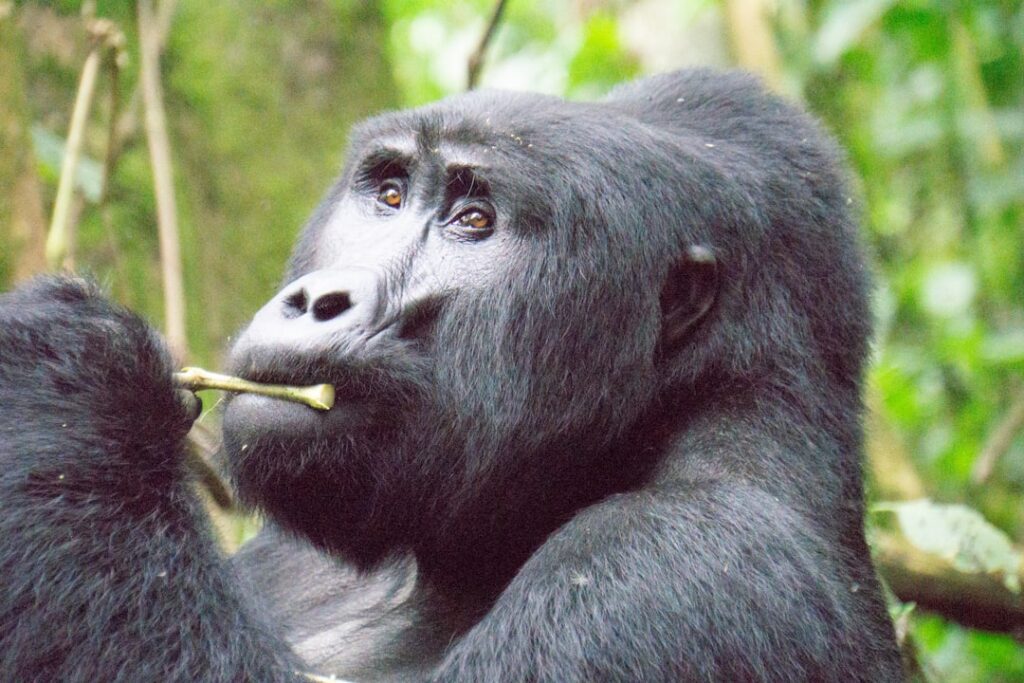
Shallow focus photography of black monkey, Kisoro, Uganda
- Historic Architecture: The Kisoro Cathedral, built in the 1960s, stands as a landmark of the town’s early Catholic missionary history and offers a quiet, reflective space.
- Cultural Scene: The annual Kwita Izina gorilla naming ceremony, inspired by Rwanda’s event, is a growing local celebration of conservation involving the Batwa and Bakiga communities.
- Local Specialties: Don’t miss Eshabwe, a savory ghee sauce made from cow’s milk cream, traditionally served with millet or potato bread (akaro).
Pro Tip: The absolute best time for gorilla trekking in Mgahinga is during the two dry seasons: June to August and December to February. Trails are less muddy, and the gorillas tend to stay at slightly lower, more accessible elevations. Book your permits through the Uganda Wildlife Authority (UWA) website at least 6-9 months in advance for these peak periods.
Map of Kisoro, Uganda
Use these interactive maps to explore Kisoro, Uganda and plan your route:
📍 View Kisoro, Uganda on OpenStreetMap
🗺️ Open Kisoro, Uganda in Google Maps
Planning Your Trip: Practical Essentials
Getting There and Around
- By Air: The nearest major airport is Kigali International Airport (KGL) in Rwanda, a 3-4 hour drive from Kisoro. From Uganda, fly into Entebbe (EBB) for a long but scenic 8-10 hour drive. Book flights at Skyscanner for best deals.
- By Train: No direct passenger train services reach Kisoro. The nearest railhead is in Kampala. Overland travel by road is the standard and most practical approach.
- By Car: The drive from Kampala via Kabale is paved but winding, offering stunning views. A 4×4 is recommended, especially in the rainy season. Compare car rentals at RentalCars.com for pickup in Kigali or Entebbe.
- Local Transport: Boda-bodas (motorcycle taxis) are the lifeblood of local transport for short trips in town (approx. 2,000-5,000 UGX). For longer trips to trailheads or lakes, private hire taxis or arranged transport through your lodge are your best bet.
Best Time to Visit
Kisoro’s climate is moderated by its high altitude. The key factor is rainfall, which impacts trekking conditions and road accessibility. The dry seasons offer the most reliable weather for outdoor activities.
| Season | Weather | Highlights |
|---|---|---|
| Dry Season (Jun–Aug, Dec–Feb) | Sunny days, cool nights (10-25°C), minimal rain. | Prime gorilla & golden monkey trekking, clear volcano hikes, busy and permits sell out fast. |
| Wet Season (Mar–May, Sep–Nov) | Frequent heavy showers, lush greenery, cooler (8-22°C). | Fewer tourists, lower trekking permit availability, vibrant landscapes, but trails can be slippery. |
| Shoulder (Late Feb, Late Aug) | Transitional, mix of sun and brief showers. | A good balance of decent weather and slightly smaller crowds, ideal for photography. |
Budgeting for Kisoro, Uganda

A couple of kids that are standing in the grass, Kisoro, Uganda
| Category | Budget | Mid-range | Luxury |
|---|---|---|---|
| Accommodation | Camping or basic guesthouse: $10-$30/night | Comfortable lodge: $80-$150/night | Premium safari lodge: $300-$600+/night |
| Meals | Local eateries/street food: $3-$7 per meal | Lodge restaurant: $10-$20 per meal | Full-board fine dining: $50+ per meal |
| Transport | Boda-boda: $1-$2 per ride | Private taxi hire: $30-$50/day | Private 4×4 with driver: $100+/day |
| Activities | Hiking local trails, visiting markets (free/low cost) | Gorilla permit (MAIN COST): $800, Golden Monkey trek: $100 | Private guided treks, Batwa cultural experience ($50) |
| Daily Total | $25-$50* | $150-$300* | $500-$1000+* |
*Excludes the major cost of the gorilla trekking permit ($800).
Top Attractions and Must-See Sights
| Attraction | Description | Hours | Entry Fee |
|---|---|---|---|
| Mgahinga Gorilla National Park | Trek to see the endangered mountain gorillas of the Nyakagezi group or the playful golden monkeys. | Trekking starts at 8:00 AM | Gorilla Permit: $800, Golden Monkey: $100 |
| Mount Muhabura Hike | A challenging full-day ascent of the “Guide” volcano for breathtaking panoramic views of three countries. | Start by 7:00 AM with a guide | Park Entry + Guide: ~$80 |
| Lake Mutanda | A stunning, serene crater lake perfect for canoe trips, birdwatching, and views of the Virungas. | Daylight hours | Canoe Hire: ~$15-$20 |
| Batwa Cultural Experience | A poignant and educational guided walk with the indigenous Batwa people, former forest dwellers. | Typically 9:00 AM or 2:00 PM | ~$50 per person |
3-Day Itinerary: Kisoro, Uganda’s Highlights & Hidden Gems
Day 1: Gorillas & Golden Hours
- Morning (7:00 AM): Presentation at the Mgahinga Gorilla National Park headquarters before embarking on your gorilla trek. The trek can last 2-6 hours. Remember to pack waterproof gear, even in the dry season.
- Afternoon (1:00 PM): Return from your trek, utterly exhilarated. Enjoy a late, well-earned lunch at your lodge, like the Traveler’s Rest Hotel, a historic haunt once frequented by Dian Fossey.
- Evening (6:00 PM): A gentle sunset canoe trip on Lake Mutanda ($15-$20), watching the volcanoes turn purple and gold, followed by dinner at your lodge sharing stories with other travelers.
Day 2: Volcanoes & Village Life
- Morning (7:00 AM): Hike to the summit of Mount Muhabura (4,127m). This strenuous 8-hour round-trip hike requires a guide (~$80 total cost) and rewards you with otherworldly views from the summit crater.
- Afternoon (3:00 PM): A relaxed, late lunch at the **Lake Mutanda Resort**, then visit a local village market to see vibrant produce and crafts. It’s a humbling glimpse into daily highland life.
- Evening (7:00 PM): Enjoy a quiet dinner and perhaps a local banana beer (obushera) by a fireplace, as the mountain air gets chilly.
Day 3: Culture & Crater Lakes
- Morning (9:00 AM): Take a guided Batwa Cultural Experience ($50). This isn’t a performance; it’s a profound walk where the Batwa share their forest heritage, demonstrating traditional hunting, honey gathering, and herbal medicine.
- Afternoon (12:30 PM): Lunch at **Kisoro Tourist Hotel** for solid local fare like matoke (steamed plantains) and beef stew. Then, take a scenic drive to Lake Chahafi, a smaller, less-visited crater lake perfect for a peaceful stroll.
- Evening (6:00 PM): Your final evening calls for a sundowner at a viewpoint overlooking the town and the distant peaks, reflecting on the raw, unforgettable beauty of this corner of Africa.
Cultural Insights & Etiquette
- Language: The local language is Rukiga. English is widely understood in tourist areas. A simple “Webale” (Thank you) or “Osiibire ota?” (How are you?) goes a long way.
- Customs: Always greet people before launching into requests or questions. It’s polite to use your right hand for giving and receiving items, including money. When visiting communities, always ask permission before taking photographs of people.
- Tipping: Tipping is appreciated. For guides, porters, and drivers, 5-10% of the activity cost is a good guideline. For restaurant staff where service isn’t included, rounding up or leaving 5-10% is fine.
- Dress Code: Dress modestly, especially in town and villages. For trekking, wear sturdy, broken-in hiking boots, long pants, and layers. It can be cold in the mornings at high altitude.
- Business Hours: Shops and markets are generally open from 8:00 AM to 6:00 PM. Many close for a lunch break. Government offices and the UWA park office operate roughly 8:30 AM to 5:00 PM on weekdays.
Where to Eat: Kisoro, Uganda’s Best Bites
Dining in Kisoro is largely lodge-based, but the town offers authentic local eateries. The cuisine is hearty and starch-based, designed to fuel a day in the highlands, with influences from Uganda, Rwanda, and the Congo.
Must-Try Local Specialties
- Eshabwe: The king of local sauces, a creamy, salty ghee served with akaro (millet bread) or potatoes. Try it at a local restaurant like **Ruhija Homely Restaurant** for the real deal.
- Matoke with Groundnut Sauce: Steamed green bananas (matoke) smothered in a rich, savory peanut sauce. A staple you’ll find at almost every lodge.
- Roasted Maize & Plantains: Sold by street vendors, perfect for a quick, warm snack. Look for the smoky grills along the main roads.
Restaurant Recommendations by Budget
| Type | Restaurant | Specialty | Price Range |
|---|---|---|---|
| Budget | Ruhija Homely Restaurant (Kisoro Town) | Authentic local plates like Eshabwe and beans | $3-$7 per meal |
| Mid-range | Traveler’s Rest Hotel Restaurant | Historic atmosphere, solid international and local menu | $10-$20 per meal |
| Fine dining | Mount Gahinga Lodge Restaurant | Gourmet, multi-course dinners with stunning volcano views | $30-$50+ per meal |
Where to Stay
Accommodation ranges from basic guesthouses in town to exquisite eco-lodges on the shores of Lake Mutanda or near the park. Your location choice depends on your budget and desire for convenience versus seclusion. Compare prices and book at Booking.com or Airbnb for apartments (limited in Kisoro).
Best Neighborhoods for Accommodation
- Kisoro Town Centre: The most convenient location for accessing shops, markets, and transport hubs. Offers budget guesthouses and simpler hotels. Best for backpackers and those on a tight budget.
- Lake Mutanda Shores: The premier area for scenic beauty and tranquility. Home to upscale eco-lodges with direct lake views and volcano vistas. Ideal for mid-range to luxury travelers seeking immersion in nature.
- Near Mgahinga Park Boundary: A handful of lodges are situated close to the Ntebeko Entrance Gate. This allows for the shortest possible transfer on your trekking morning, maximizing rest time.

Artistic shot of Ugandan coins featuring creative lighting and macro details, Kisoro, Uganda
FAQs: Your Kisoro, Uganda Questions Answered
1. Is Kisoro, Uganda safe at night?
Kisoro is generally very safe. Petty crime is low, but standard precautions apply: avoid walking alone in unlit areas at night, keep valuables secure, and use a boda-boda or taxi after dark. The greatest “danger” is often the uneven sidewalks!
2. What currency is used and are credit cards accepted?
The Ugandan Shilling (UGX) is the currency. U.S. dollars are widely accepted for major expenses like permits and lodge bills, but you’ll need shillings for markets, small eateries, and boda-bodas. Credit cards are accepted at most mid-range and luxury lodges, but always have cash as a backup due to intermittent connectivity.
3. How do I get from the airport to Kisoro?
From Kigali Airport (Rwanda), the most efficient transfer is a pre-booked private taxi (approx. $120-$150 one-way, 3-4 hours). Shared taxis are cheaper but less reliable. From Entebbe, it’s a full-day journey best broken up with a stop in Kabale. Book airport transfers at GetYourGuide for convenience or arrange directly through your lodge.
4. Do I need to speak the local language?
No. English is an official language of Uganda and is spoken by all staff in the tourism industry and most people in town. Learning a few basic greetings in Rukiga, however, will be met with delighted smiles and is a sign of great respect.
5. What’s the appropriate dress code?
Modest, practical clothing is key. In town, avoid very short shorts or revealing tops. For trekking, wear neutral-colored, moisture-wicking layers, a waterproof jacket, and sturdy hiking boots. A warm hat and gloves are recommended for early morning volcano hikes.
Final Thoughts: Kisoro, Uganda Awaits
Kisoro is not a destination of manicured luxury; it’s a place of elemental power and profound encounters. Here, you don’t just see a gorilla—you spend an hour in its world, hearing it chew bamboo mere feet away. You don’t just look at a volcano—you stand in its cold, windy crater. The landscape demands engagement, and the reward is a travel experience that feels genuinely earned and deeply personal.

