
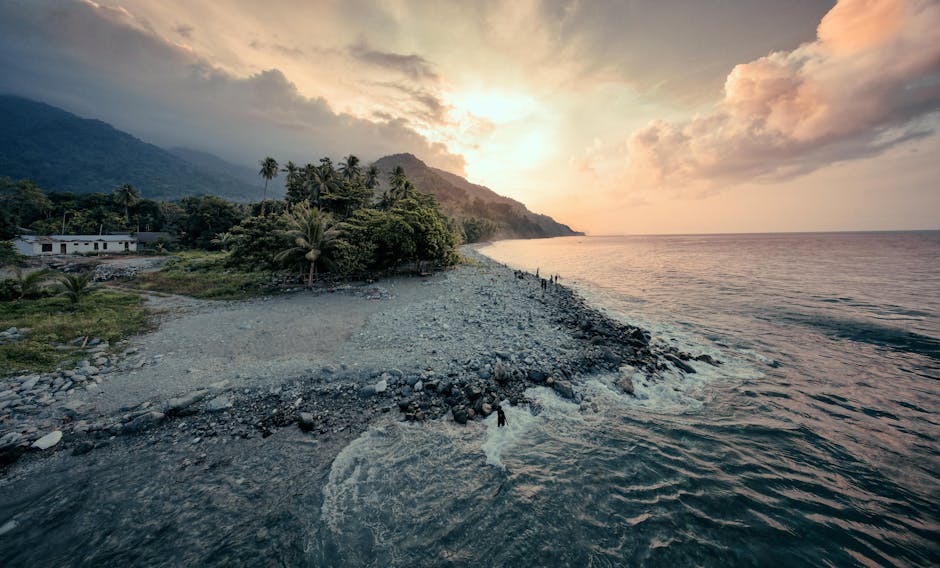
Kiriwina Island, Papua New Guinea’s Ultimate Culture, Canoes & Coral Atolls (2025)
While crowds flock to the resorts of Fiji or Bali, Kiriwina Island, the largest of the Trobriand Islands, delivers a profound cultural encounter that feels untouched by the 21st century. Here, the concept of currency is secondary to the ancient, intricate system of Kula exchange, where ceremonial shell necklaces and armbands travel a 200-mile ring of islands, binding communities in a web of tradition and obligation. This is a place where myth is history, and your visit becomes part of the living story.
Why Kiriwina Island, Papua New Guinea Stands Out
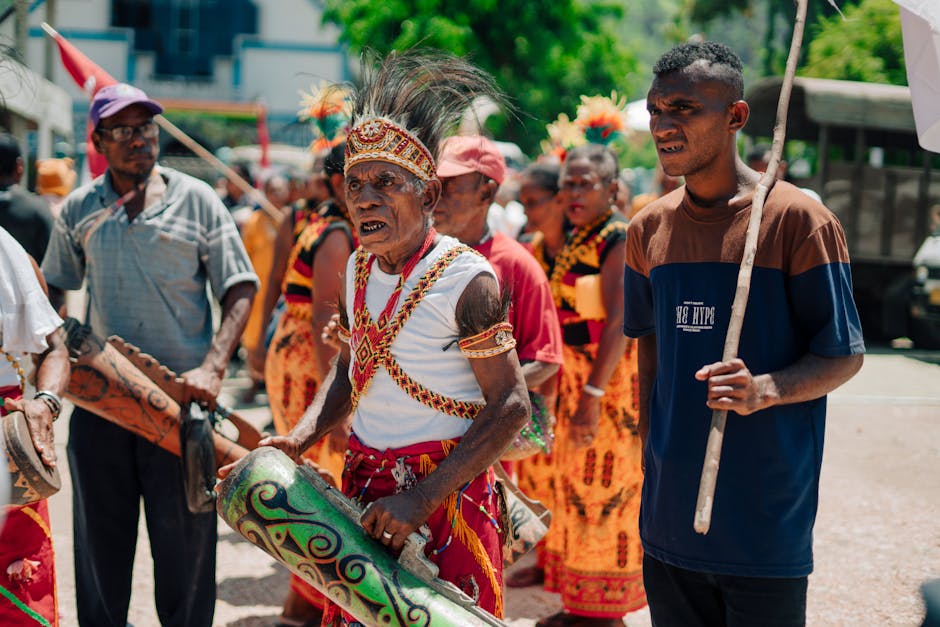
Vibrant cultural parade featuring traditional Papua costumes and instruments., Kiriwina Island, Papua New Guinea
- Historic Architecture: The traditional yam houses, or bwayma, with their steeply pitched, woven-leaf roofs and intricate carved posts, are not just storage but symbols of wealth and status, central to Trobriand social structure.
- Cultural Scene: The annual Milamala yam harvest festival, typically in June or July, transforms villages with days of rhythmic drumming, hypnotic mweki dances, and competitive cricket matches played with a unique local flair.
- Local Specialties: You must try mona, the staple pudding made from grated yams and coconut cream, steamed in banana leaves—a simple yet deeply satisfying taste of island sustenance.
Pro Tip: Plan your visit for the dry season, from May to October, specifically aligning with the Milamala festival if possible. This period offers calm seas for boat trips, fewer mosquitoes, and the chance to witness Trobriand culture at its most vibrant. Avoid the wet season (December to March) when flights are frequently canceled and travel becomes challenging.
Map of Kiriwina Island, Papua New Guinea
Use these interactive maps to explore Kiriwina Island, Papua New Guinea and plan your route:
📍 View Kiriwina Island, Papua New Guinea on OpenStreetMap
🗺️ Open Kiriwina Island, Papua New Guinea in Google Maps
Planning Your Trip: Practical Essentials
Getting There and Around
- By Air: The only practical access is via Air Niugini or PNG Air from Port Moresby (POM) to Losuia Airport (LSA) on Kiriwina. Flights are infrequent (2-3 times weekly) and weight-restricted; book months in advance. Book flights at Skyscanner for best deals.
- By Train: No train service exists in the Trobriand Islands or for accessing them.
- By Car: There are no car rental agencies. Transport is by foot, local PMV (public motor vehicle) trucks on the main laterite road, or by arranged boat. Compare car rentals at RentalCars.com for other parts of PNG.
- Local Transport: Your lodge will arrange transport. For independence, negotiate with a local boat owner for lagoon trips or hire a PMV truck for village tours. Expect to pay around 50-100 PGK per hour for a boat.
Best Time to Visit
The climate is tropical, with a distinct wet and dry season. The dry season is universally recommended for reliable travel and festival access.
| Season | Weather | Highlights |
|---|---|---|
| Dry Season (May–Oct) | Warm, 25-30°C (77-86°F), lower humidity, minimal rain. | Milamala Festival, ideal snorkeling conditions, reliable flights, best for trekking. |
| Wet Season (Dec–Mar) | Hot, 28-32°C (82-90°F), high humidity, daily heavy rainstorms. | Lush scenery, very few tourists; significant flight disruptions and difficult travel. |
| Shoulder (Apr & Nov) | Transitional, unpredictable showers, building or easing humidity. | Potential for good weather at lower prices, but festival timing is unlikely. |
Budgeting for Kiriwina Island, Papua New Guinea

Portrait of a Papua tribesman wearing traditional costume under clear blue sky., Kiriwina Island, Papua New Guinea
| Category | Budget | Mid-range | Luxury |
|---|---|---|---|
| Accommodation | Homestay: 100-150 PGK/night | Basic Lodge: 250-400 PGK/night | Kiriwina Lodge: 600+ PGK/night |
| Meals | Village market/local cooking: 30-50 PGK | Lodge meals: 70-120 PGK | Full-board at lodge: Included |
| Transport | Walking/PMV truck: 10-30 PGK | Private boat hire: 150-300 PGK/day | Lodge-arranged tours & boats |
| Activities | Village walks, beach time (Free) | Guided village tour: 50 PGK, Snorkel trip: 100 PGK | Custom multi-day Kula ring cultural tours |
| Daily Total | 140-230 PGK | 470-920 PGK | 1000+ PGK |
Note: 1 PGK (Papua New Guinean Kina) ≈ $0.27 USD. Cash is essential.
Top Attractions and Must-See Sights
| Attraction | Description | Hours | Entry Fee |
|---|---|---|---|
| Kaibola Beach & Village | A stunning crescent of white sand and brilliant turquoise water, perfect for swimming and snorkeling, with a friendly village known for its carvers. | Daylight | Free (Small gift to Chief appreciated) |
| Omarakana Village | The historical seat of the paramount chief, where you can see the chief’s house and learn about the intricate Kula exchange system firsthand. | Daylight, arrange visit | ~20 PGK gift/guide fee |
| Lusancay Islands Snorkeling | Pristine coral gardens and reefs a short boat ride from the main island, teeming with tropical fish in crystal-clear waters. | Daylight, tide-dependent | Boat hire: 150-250 PGK |
| Trobriand Cricket Match | Not the sport you know; a unique, theatrical version with chanting, costumes, and symbolic dances between innings—a cultural spectacle. | Weekends, Festivals | Free to watch |
3-Day Itinerary: Kiriwina Island, Papua New Guinea’s Highlights & Hidden Gems
Day 1: Arrival & Southern Shores
- Morning (7-9 AM): Arrive at Losuia Airport. Your lodge will collect you. Settle in and enjoy a breakfast of tropical fruit and local coffee.
- Afternoon (12-3 PM): Visit Losuia village market (if open) to see local produce. Then, take a 30-minute boat ride (approx. 150 PGK) to the idyllic Kaibola Beach. Swim, snorkel, and have a simple picnic lunch prepared by your lodge.
- Evening (6-8 PM): Return to your lodge. Enjoy dinner and an informal talk from your host about Trobriand history, including the fascinating story of the Kula ring, immortalized by anthropologist Bronisław Malinowski in the early 1900s.
Day 2: Culture & Chiefly Traditions
- Morning (8 AM): Travel by PMV truck (approx. 50 PGK) to Omarakana Village. Seek permission from the local guide to enter and learn about the paramount chief’s role. Observe the finely decorated yam houses.
- Afternoon (1 PM): Have lunch back at your lodge. Then, visit a nearby village known for woodcarving, where you can watch artisans create lagim (canoe prows) and purchase direct (carry small Kina notes).
- Evening (6 PM): If arranged, witness a casual mweki dance practice by village youth. Dinner at the lodge, featuring mona pudding and fresh grilled fish.
Day 3: Islands & Departure
- Morning (7 AM): Early boat trip (approx. 200 PGK) to the Lusancay Islands for two hours of world-class snorkeling. Look for clownfish, parrotfish, and vibrant soft corals.
- Afternoon (12 PM): Return to Losuia. Pack and have a final lunch. If time allows, take a short walk to see the WWII-era airstrip, a remnant of the Allied base established in 1943.
- Evening (Variable): Transfer to Losuia Airport for your evening flight back to Port Moresby, reflecting on a journey into a truly unique cultural heartland.
Cultural Insights & Etiquette
- Language: The local language is Kilivila. Tok Pisin and basic English are understood in tourist areas. Learn: “Bwanabwana” (greeting/thank you), “Boge bagida?” (How are you?).
- Customs: Always ask permission before entering a village, taking photos of people, or approaching a yam house. The village chief (guyau) holds authority. Respect is paramount.
- Tipping: Not a standard practice. Instead, a small gift (20-50 PGK) or buai (betel nut) offered to a guide or chief is the appropriate way to show appreciation for their time and knowledge.
- Dress Code: Modest dress is crucial. Women should wear skirts or sarongs below the knee; shorts and revealing tops are considered disrespectful. Men should avoid walking around shirtless in villages.
- Business Hours: Governed by daylight and custom. Shops in Losuia may be open 8 AM-4 PM. Sunday is a day of rest and church. Schedules are fluid.
Where to Eat: Kiriwina Island, Papua New Guinea’s Best Bites
Dining on Kiriwina is about experiencing local sustenance. There are no restaurants in the Western sense. Meals are provided by your lodge or homestay, crafted from what the sea, gardens, and trees provide. The cuisine is fresh, simple, and deeply connected to the land.
Must-Try Local Specialties
- Mona (Yam Pudding): The iconic Trobriand dish. Grated yam is mixed with coconut cream, wrapped in banana leaves, and steamed over hot stones. Your lodge will prepare it.
- Fresh Reef Fish: Grilled or baked in coconut milk with local greens. Snapper, trevally, and parrotfish are common catches.
- Betel Nut (Buai): Not a food, but a central social ritual. The nut is chewed with mustard stick and lime powder for a mild stimulant effect. You may be offered some; it’s polite to try, but be prepared for the bright red saliva it produces.
Restaurant Recommendations by Budget
| Type | Restaurant | Specialty | Price Range |
|---|---|---|---|
| Budget | Losuia Market Stalls | Fresh fruit (pineapple, mango), roasted sweet potato, fried dough balls. | 2-10 PGK per item |
| Mid-range | Your Lodge/Homestay Kitchen | Daily set meals featuring fish, yams, rice, and local vegetables. | 50-120 PGK per meal |
| Fine dining | Kiriwina Lodge Dining | Multi-course dinners with the best local ingredients, prepared for guests. | Included in stay |
Where to Stay
Accommodation is basic but authentic. Options range from village homestays for deep cultural immersion to the island’s sole dedicated tourist lodge. Book all arrangements well in advance through a PNG-based tour operator, as online booking is rarely available. Compare prices and book at Booking.com or Airbnb for apartments elsewhere in PNG.
Best Neighborhoods for Accommodation
- Losuia Area: Near the airstrip and “main” government station. Offers easiest logistics, access to the wharf, and Kiriwina Lodge. Best for first-time visitors and those wanting slightly more convenience.
- Kaibola Village Area: For a true beachfront experience. Usually involves a village homestay. You’ll wake up to the sound of the lagoon but be further from other villages. Ideal for snorkelers and those seeking tranquility.
- Other Village Homestays: Scattered across the island. Arranged through guides. Provides the most authentic cultural immersion. Be prepared for very basic facilities (pit toilets, bucket showers) and incredible hospitality.

Dancers in traditional Papuan attire performing under night lights in Jayapura, Kiriwina Island, Papua New Guinea
FAQs: Your Kiriwina Island, Papua New Guinea Questions Answered
1. Is Kiriwina Island, Papua New Guinea safe at night?
Kiriwina is generally safe, with low crime against tourists. However, you should not walk around alone at night due to uneven terrain, lack of lighting, and animals. Stay within your lodge or homestay compound after dark. Petty theft can occur, so keep valuables secure. Always heed the advice of your local hosts.
2. What currency is used and are credit cards accepted?
The Papua New Guinean Kina (PGK) is the currency. Credit cards are NOT accepted anywhere on Kiriwina. You must bring all the cash you will need for your entire stay in small denominations (5, 10, 20, 50 PGK notes). There are no ATMs. Exchange money in Port Moresby before flying out.
3. How do I get from the airport to the city center?
Losuia Airport is essentially in the “center” of island activity. Your pre-arranged lodge or guide will meet you at the airstrip—this is non-negotiable and must be organized beforehand. There are no taxis. The transfer to your accommodation is typically included or arranged for a small fee. Book airport transfers at GetYourGuide for convenience in other destinations.
4. Do I need to speak the local language?
No, but it helps immensely. Basic English is understood by those involved in tourism. Learning a few phrases in Kilivila or Tok Pisin (like “tenkyu” for thank you) will delight locals and show respect. A good guide is essential for bridging language and cultural gaps.

