
Kinabalu National Park, Malaysia: Incredible Peaks, Pools & Pristine Biodiversity (2026)
At 4,095 meters, Mount Kinabalu isn’t just Southeast Asia’s highest peak—it’s a 1.5-million-year-old granite batholith rising from the clouds, home to over 5,000 plant species found nowhere else on Earth. While only about 50,000 climbers attempt the summit annually, the park’s true magic unfolds in its lower montane forests, where pitcher plants big enough to drown rats and orchids with 2-meter-long blooms thrive. This is a living museum of evolution, where a single day’s hike traverses ecosystems from tropical jungle to alpine meadow.
Why Kinabalu National Park, Malaysia Stands Out

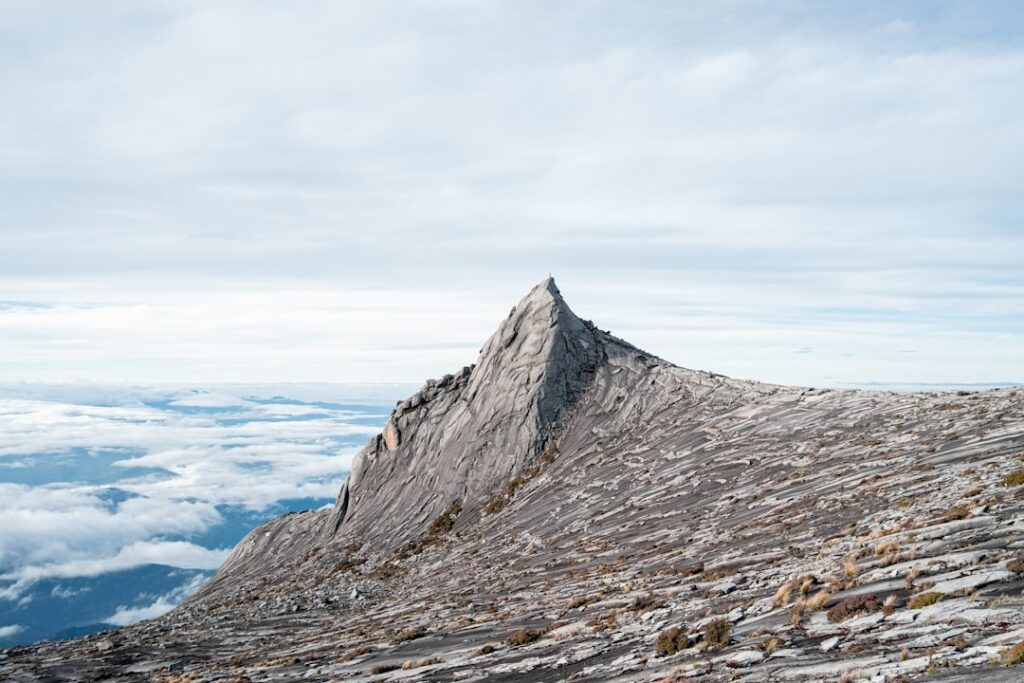
Majestic mountain range under a clear blue sky, Kinabalu National Park, Malaysia
- Historic Architecture: The 1964 Kinabalu Park Headquarters, with its distinctive Kadazan-Dusun-inspired pitched roofs, serves as the gateway to this UNESCO World Heritage site, blending modern function with traditional design.
- Cultural Scene: The annual Kaamatan (Harvest Festival) in May sees local Kadazan-Dusun communities performing the hypnotic Magunatip bamboo dance and offering ceremonial rice wine (tapai) to the mountain spirits.
- Local Specialties: You must try Hinava, a traditional Kadazan dish of fresh mackerel cured in calamansi lime juice and grated bambangan (a wild mango), offering a vibrant, tangy flavor unique to Sabah.
Pro Tip: Book your Mount Kinabalu summit climb permits and mandatory guides at least 6-9 months in advance through the official Sabah Parks website. The 135 daily permits sell out incredibly fast, especially for the dry season (March to September). For non-climbers, visit on a weekday to enjoy the botanical gardens and trails with near solitude.
Map of Kinabalu National Park, Malaysia
Use these interactive maps to explore Kinabalu National Park, Malaysia and plan your route:
📍 View Kinabalu National Park, Malaysia on OpenStreetMap
🗺️ Open Kinabalu National Park, Malaysia in Google Maps
Planning Your Trip: Practical Essentials
Getting There and Around
- By Air: Fly into Kota Kinabalu International Airport (BKI), served by airlines like AirAsia, Malaysia Airlines, and Singapore Airlines. From there, it’s a 2-hour drive (90km) to the park. Shared vans or private taxis are your best bet; book a transfer in advance through your accommodation or on GetYourGuide. Book flights at Skyscanner for best deals.
- By Train: While there’s no direct train to the park, the North Borneo Railway is a scenic heritage steam train from Kota Kinabalu to Papar, best for enthusiasts. For the park, road transport is essential. Reserve tickets at Trainline or the national railway website.
- By Car: Driving from Kota Kinabalu, take the Tuaran Bypass (Route 1) towards Ranau. The route is well-signposted. Parking is available at the Park HQ. An international driving permit is required. Compare car rentals at RentalCars.com.
- Local Transport: Within the park, shuttle buses (RM 5-15 per trip) connect key points like Timpohon Gate and Poring Hot Springs. Your own two feet are the primary transport on the trails. Check official city transport websites for passes and schedules.
Best Time to Visit
The park is open year-round, but conditions vary dramatically. The dry season (March to September) offers the clearest skies for climbing and photography. The wet season (October to February) brings lush greenery but also frequent afternoon downpours and leeches on lower trails. Savvy visitors know that the shoulder months of February and October can offer a good balance with fewer crowds.
| Season | Weather | Highlights |
|---|---|---|
| Dry Season (Mar–Sep) | 18-27°C (lowlands), near freezing at summit. Low rainfall, sunny mornings. | Optimal for summit climbs, excellent visibility, busy with climbers. |
| Wet Season (Oct–Feb) | 20-28°C (lowlands), cold and wet at top. Heavy afternoon rains. | Lush vegetation, vibrant orchids in bloom, fewer visitors, cheaper rates. |
| Shoulder (Feb/Oct) | Variable; mix of sun and showers. Summit can be clear or cloudy. | Good trekking on lower trails, Poring Hot Springs is pleasant, manageable crowds. |
Budgeting for Kinabalu National Park, Malaysia

Majestic mountain range with trees in the foreground., Kinabalu National Park, Malaysia
| Category | Budget | Mid-range | Luxury |
|---|---|---|---|
| Accommodation | RM 50-150/night (dorm or basic lodge outside park) | RM 250-500/night (Sutera Sanctuary Lodges inside park) | RM 600+/night (premium cabin or resort in Kundasang) |
| Meals | RM 15-30 (park canteen or roadside stalls) | RM 40-80 (restaurant at lodge or nearby town) | RM 100+ (multi-course dinner at a resort) |
| Transport | RM 30 (shared van from KK) | RM 150-200 (private taxi for day) | RM 300+ (private car with driver) |
| Activities | RM 15 (Botanical Garden entry) + free trails | RM 100 (Canopy Walkway) + guided nature walk (RM 50) | RM 2,000+ (Full summit climb package with porter) |
| Daily Total | RM 110-215/day | RM 540-830/day | RM 1,000+/day |
Top Attractions and Must-See Sights
| Attraction | Description | Hours | Entry Fee |
|---|---|---|---|
| Mount Kinabalu Summit Trail | A challenging 2-day, 1-night ascent to Low’s Peak for breathtaking sunrise views above the clouds. | Climb starts 7-10 AM at Timpohon Gate | From RM 1,500 (includes permits, guide, insurance, meals, lodging) |
| Poring Hot Springs & Canopy Walkway | Soak in sulfurous open-air baths and walk 41 meters high through the rainforest canopy on a swaying bridge. | 9:00 AM – 4:00 PM daily | RM 15 (Park entry) + RM 5 (Hot Springs) + RM 10 (Canopy Walk) |
| Kinabalu Park Botanical Garden | A curated collection of the park’s famed biodiversity, including the world’s largest flower, Rafflesia (when in bloom). | 9:00 AM – 4:00 PM daily | RM 5 (on top of park entry fee) |
| Kundasang War Memorial | A poignant, beautifully maintained garden memorial dedicated to Allied POWs of the Sandakan Death Marches of WWII. | 8:30 AM – 5:30 PM daily | RM 10 |
3-Day Itinerary: Kinabalu National Park, Malaysia’s Highlights & Hidden Gems
Day 1: Acclimatization & Alpine Gardens
- Morning (7-9 AM): Arrive at Park Headquarters, register (RM 15 conservation fee), and stroll the Mountain Garden Trail. The cool, misty air is perfect for spotting pitcher plants and over 1,200 orchid species. Your best bet is to hire a freelance nature guide (around RM 30) near the entrance—they’ll point out things you’d easily miss.
- Afternoon (12-3 PM): Take the park shuttle (RM 5) to the Liwagu Restaurant near the Power Station for a hearty lunch of Nasi Goreng Kampung (village-style fried rice). Then, explore the Botanical Garden (RM 5) systematically; check the visitor center first to see if the elusive Rafflesia is blooming nearby (a separate trip may be needed).
- Evening (6-8 PM): Enjoy a simple dinner at the Park Canteen. As dusk falls, take the quiet Silau-Silau Trail—this is when flying squirrels and palm civets become active. Stay at the Sutera Sanctuary Lodges (booked well in advance) to be immersed in the sounds of the forest.
Day 2: Canopy Walks & Hot Springs
- Morning (8 AM): Arrange a taxi (RM 80-100 one-way, 40-minute drive) to Poring Hot Springs. Go straight to the Canopy Walkway (RM 10) as soon as it opens to avoid crowds and have the treetops to yourself. The bridges sway gently—a thrilling but safe experience with incredible views.
- Afternoon (1 PM): After the walk, rent a private tub (RM 15 for 30 mins) at the hot springs to soak those muscles. For lunch, head to the simple stalls outside the entrance for a delicious bowl of Beef Noodle Soup. Then, hike the Kipungit Waterfall Trail (1.2km round trip) for a refreshing dip in a cold, clear pool.
- Evening (6 PM): Return to Park HQ. For dinner, venture 10 minutes down the road to Kundasang town. Restoran Sin Lian Shin is a local favorite for fresh vegetable dishes and steamed river fish. The strawberry farms here sell fresh produce and desserts.
Day 3: Cultural Insight & Majestic Views
- Morning (8 AM): Hire a driver for the day (approx. RM 200) to visit the Kundasang War Memorial (RM 10). Its four serene gardens represent the homelands of the fallen. Then, drive to the Desa Dairy Farm (RM 5) for a stunning view of Mount Kinabalu (weather permitting) and fresh yogurt.
- Afternoon (12 PM): Enjoy lunch at Hooga Cafe by the dairy farm, famous for its ice cream. Then, visit a local Kadazan-Dusun cultural village (often combined in tour packages) for a demonstration of traditional bamboo cooking and blowpipe use.
- Evening (5 PM): For your final evening, take the short Bukit Ular Trail near the headquarters for one last panoramic view of the mountain at sunset. Have a farewell dinner at Cottage Restaurant in Kundasang, trying the local wild boar dish (Babi Hutan).
Cultural Insights & Etiquette
- Language: Malay (Bahasa Malaysia) is official, but English is widely spoken in tourist areas. Learn a few Kadazan-Dusun phrases: “Kopivosian” (Hello), “Pounsikou” (Thank you), “Ih nogi” (Delicious).
- Customs: The mountain (Aki Nabalu) is considered sacred by locals. Always show respect—avoid shouting or disrespectful behavior on the trails. When visiting villages, accept offered refreshments politely.
- Tipping: Not customary, but appreciated for exceptional service. For mountain guides and porters, a tip of RM 50-100 is a generous gesture for a multi-day climb.
- Dress Code: Modest, practical clothing is key. For trails, wear long, quick-dry pants and layers. When visiting villages or towns, avoid overly revealing outfits out of respect.
- Business Hours: Park offices operate 7:00 AM – 5:00 PM. Shops in Kundasang typically open from 8:00 AM to 7:00 PM. Major holidays like Hari Raya and Kaamatan can see closures.
Where to Eat: Kinabalu National Park, Malaysia’s Best Bites
Dining here is about hearty, warming food for adventurers. You’ll find a mix of simple park canteens, local Kadazan-Dusun specialties, and Chinese-influenced cuisine in nearby towns. Don’t expect fine dining; instead, look for authentic flavors and generous portions.
Must-Try Local Specialties
- Hinava: This “Sabahan ceviche” of fresh fish, lime, chili, and grated bambangan is a tangy, refreshing must-try. Find it at cultural shows or local restaurants like Restoran Kinabalu in Kundasang.
- Bambangan Chicken: Chicken cooked with the flesh and seed of the wild bambangan fruit, giving it a unique sour and savory flavor. Often served in homestays or at the Kundasang Market.
- Tuak: A traditional rice wine, often homemade and offered during festivals. It’s mildly sweet and potent. You might be offered a taste at cultural village visits.
Restaurant Recommendations by Budget
| Type | Restaurant | Specialty | Price Range |
|---|---|---|---|
| Budget | Kinabalu Park Canteen (Park HQ) | Simple, filling Malay and Chinese noodle and rice dishes. | RM 10-20 per dish |
| Mid-range | Restoran Sin Lian Shin (Kundasang) | Fresh vegetable stir-fries, steamed river fish, and local chicken dishes. | RM 25-50 per person |
| Fine dining | Pine Resort Restaurant (Kundasang) | Western and Asian fusion with a stunning view of the mountain (on a clear day). | RM 60-120 per person |
Where to Stay
Accommodation ranges from basic hostels to comfortable lodges inside the park boundary and more resort-style options in the nearby Kundasang valley. Staying inside the park (Sutera Sanctuary Lodges) is the most convenient but must be booked far ahead. Kundasang offers more choice and often better mountain views. Compare prices and book at Booking.com or Airbnb for apartments.
Best Neighborhoods for Accommodation
- Kinabalu Park Headquarters Area: The most convenient location for starting trails and climbs. Accommodation is managed by Sutera Sanctuary (Liptis Lodge, Nepenthes Lodge). It’s basic but functional, with the forest at your doorstep. Best for serious climbers and early birds.
- Kundas
Green trees on mountain under white clouds during daytime, Kinabalu National Park, Malaysia


