
Kilwa Kisiwani, Tanzania: Essential Swahili Ruins, Untouched Beaches & Living History (2025)
In 1331, Moroccan explorer Ibn Battuta described Kilwa Kisiwani as “one of the most beautiful and well-constructed towns in the world.” Today, fewer than 5,000 annual visitors walk these same stone corridors where sultans once traded gold and ivory across the Indian Ocean. While crowds flock to Zanzibar’s beaches, here you’ll find 13th-century palaces emerging from jungle overgrowth and coral rag mosques where the call to prayer still echoes across the same courtyards that welcomed merchants from China to Portugal. This isn’t a reconstructed tourist site—it’s history breathing through every crumbling archway.
Why Kilwa Kisiwani, Tanzania Stands Out

A green field with a river running through it, Kilwa Kisiwani, Tanzania
- Historic Architecture: The Great Mosque (circa 1300 AD) features Africa’s first domed structure and original Chinese porcelain still embedded in its walls
- Cultural Scene: Witness the annual Mwaka Kogwa festival where locals settle disputes through banana stalk fights and traditional healing ceremonies
- Local Specialties: Octopus curry slow-cooked in coconut milk, caught daily from the surrounding reefs
Pro Tip: Visit between June and September when the southeast monsoon winds die down, making the boat crossing from Kilwa Masoko calm and allowing you to explore the ruins during cooler morning hours before the tropical heat peaks at noon.
Map of Kilwa Kisiwani, Tanzania
Use these interactive maps to explore Kilwa Kisiwani, Tanzania and plan your route:
📍 View Kilwa Kisiwani, Tanzania on OpenStreetMap
🗺️ Open Kilwa Kisiwani, Tanzania in Google Maps
Planning Your Trip: Practical Essentials
Getting There and Around
- By Air: Fly to Dar es Salaam (DAR) via Ethiopian Airlines or Qatar Airways, then take Coastal Aviation’s 1-hour flight to Kilwa Masoko airstrip. Book flights at Skyscanner for best deals.
- By Train: No direct rail service to Kilwa region; the TAZARA railway connects Dar es Salaam to Zambia but stops 300km northwest. Reserve tickets at Trainline or the national railway website.
- By Car: 5-hour drive from Dar es Salaam via the B2 highway; 4WD recommended during rainy season. Compare car rentals at RentalCars.com.
- Local Transport: Traditional dhows depart Kilwa Masoko daily (30-minute crossing, $10-15 round trip); arrange through your hotel or at the fishing harbor.
Best Time to Visit
Timing your visit around the monsoon seasons dramatically improves your experience, with dry conditions making ruins exploration comfortable and ocean crossings predictable.
| Season | Weather | Highlights |
|---|---|---|
| Summer (Jun–Aug) | 22-28°C, dry and breezy | Optimal ruins exploration, calm seas for dhow trips, best photography light |
| Winter (Dec–Feb) | 26-32°C, humid with occasional showers | Lush green landscapes, fewer visitors, vibrant local festivals |
| Shoulder (Apr–May/Sep–Oct) | 24-30°C, transitioning seasons | Lower accommodation rates, authentic local experiences without crowds |
Budgeting for Kilwa Kisiwani, Tanzania

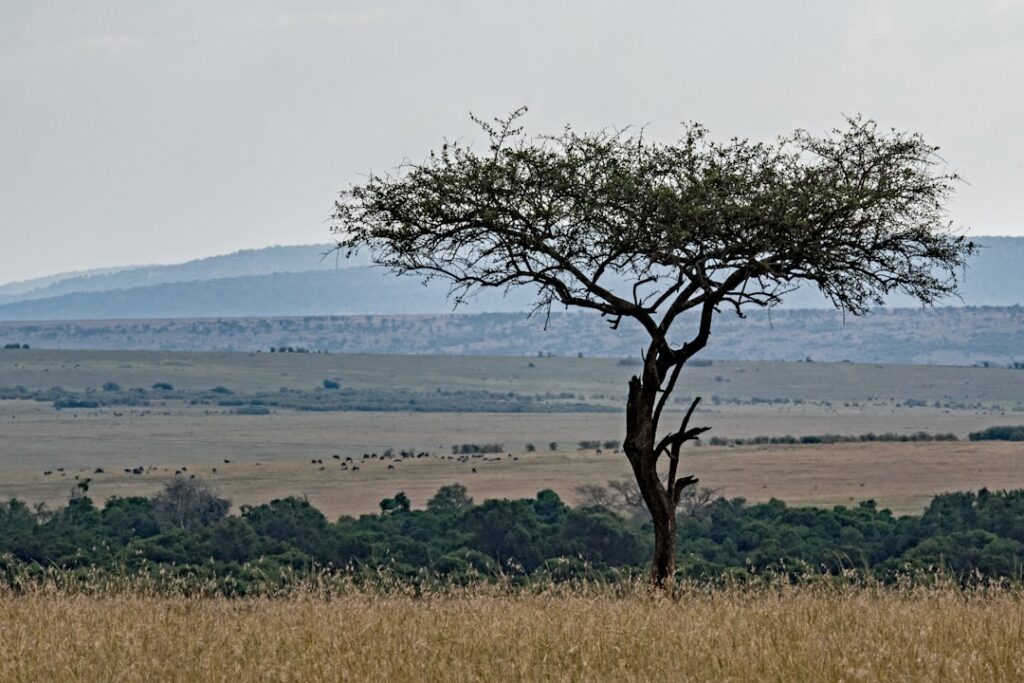
Green trees on brown grass field during daytime, Kilwa Kisiwani, Tanzania
| Category | Budget | Mid-range | Luxury |
|---|---|---|---|
| Accommodation | $15-30 (guesthouses) | $50-100 (boutique lodges) | $150-300 (beach resorts) |
| Meals | $5-10 (local eateries) | $15-25 (hotel restaurants) | $30-50 (resort dining) |
| Transport | $10 (dhow crossings) | $40 (private boat) | $100 (speedboat charter) |
| Activities | $15 (ruins entry) | $50 (guided tour) | $150 (private guide + boat) |
| Daily Total | $45-65 | $155-215 | $430-600 |
Top Attractions and Must-See Sights
| Attraction | Description | Hours | Entry Fee |
|---|---|---|---|
| Great Mosque & Dome | Southern hemisphere’s oldest standing mosque with original 11th-century coral rag construction | Sunrise to sunset | $10 (includes guide) |
| Husuni Kubwa Palace | Vast 14th-century sultan’s palace featuring over 100 rooms and an octagonal swimming pool | 8 AM-5 PM | $15 (UNESCO site fee) |
| Gereza Fort | Omani-built fortress with panoramic Indian Ocean views and original Portuguese cannons | 7 AM-6 PM | $5 |
| Makutani Palace | 16th-century royal residence where you can still see Chinese porcelain inlaid in the walls | 8 AM-4 PM | $8 |
3-Day Itinerary: Kilwa Kisiwani, Tanzania’s Highlights & Hidden Gems
Day 1: Medieval Marvels & Sultan’s Secrets
- Morning: 7:30 AM dhow crossing from Kilwa Masoko ($10 round trip) to arrive before the heat. Explore the Great Mosque with local guide Ali Hassan ($15), who shares stories passed down through generations of caretakers.
- Afternoon: Picnic lunch at Husuni Kubwa Palace overlooking the harbor, then descend to the underground storage chambers where gold was once weighed. Visit Mbuyuni Restaurant for grilled red snapper with coconut rice ($12).
- Evening: Sunset from Gereza Fort’s ramparts followed by dinner at Kilwa Dreams Lodge featuring octopus curry and cassava leaves ($18).
Day 2: Coastal Culture & Living Traditions
- Morning: 6:30 AM fishing trip with local fishermen ($20 including breakfast) – help haul nets and learn traditional navigation techniques using stars and currents.
- Afternoon: Visit the still-active Small Mosque where 14th-century mihrab orientation toward Mecca demonstrates early Islamic astronomical knowledge. Lunch at Mama Asha’s home kitchen for authentic urojo soup ($5).
- Evening: Traditional Taarab music performance at the village center ($5 donation), where Swahili poetry meets Omani instrumentation.
Day 3: Island Hopping & Marine Wonders
- Morning: Boat charter to Songo Mnara island ($40 for group), exploring the well-preserved 15th-century stone town and swimming in the coral-rich lagoon.
- Afternoon: Snorkeling at the marine sanctuary where you’ll see brain corals and parrotfish, followed by beachside lunch at Mtanzania Village’s community restaurant ($10).
- Evening: Final dhow ride back to Kilwa Masoko during golden hour, with the ruins silhouetted against the setting sun – the perfect farewell photograph.
Cultural Insights & Etiquette
- Language: Learn basic Swahili greetings – “Jambo” (hello), “Asante” (thank you), “Habari za asubuhi” (good morning) – locals appreciate the effort
- Customs: Always greet elders first; remove shoes before entering homes; use your right hand for eating and giving/receiving items
- Tipping: 5-10% for good service; round up taxi fares; $5-10 daily for guides depending on group size
- Dress Code: Modest clothing covering shoulders and knees, especially when visiting religious sites; lightweight natural fabrics recommended
- Business Hours: Shops open 8 AM-5 PM with midday break; closed Friday noon-2 PM for prayers; limited services during Ramadan
Where to Eat: Kilwa Kisiwani, Tanzania’s Best Bites
Kilwa’s cuisine reflects its trading history – Swahili coconut-based curries meet Arabic spice blends and Portuguese cooking techniques, creating flavors you won’t find elsewhere in Tanzania.
Must-Try Local Specialties
- Octopus Curry: Tender octopus slow-cooked in coconut milk with turmeric, chili, and lime – best at Kilwa Seafood Restaurant
- Wali wa Nazi: Fragrant coconut rice served with grilled fish or chicken – try the version at Mbuyuni Beach Cafe
- Urojo: Zanzibar-style soup with tamarind, mango, and potato fritters – Mama Asha’s street stall serves the most authentic
Restaurant Recommendations by Budget
| Type | Restaurant | Specialty | Price Range |
|---|---|---|---|
| Budget | Mtoni Local Food Stand (Kilwa Kisiwani village) | Fresh grilled fish with ugali | $3-7 |
| Mid-range | Kilwa Ruins View Restaurant (near Great Mosque) | Seafood platter for two | $15-25 |
| Fine dining | Kilwa Dreams Lodge (waterfront) | Lobster thermidor with sunset views | $30-50 |
Where to Stay
Most visitors stay in Kilwa Masoko on the mainland with day trips to the island, though a few basic guesthouses exist on Kilwa Kisiwani for those seeking complete immersion. Compare prices and book at Booking.com or Airbnb for apartments.
Best Neighborhoods for Accommodation
- Kilwa Masoko Waterfront: Convenient dhow access to ruins, best restaurants, and reliable electricity – ideal for first-time visitors
- Kilwa Kisiwani Village: Basic guesthouses within walking distance of ruins for sunrise photography – perfect for history enthusiasts
- Mikindani Bay: Upscale resorts with beaches and pools – best for travelers wanting comfort after exploring

Brown wooden house near trees under cloudy sky during daytime, Kilwa Kisiwani, Tanzania
FAQs: Your Kilwa Kisiwani, Tanzania Questions Answered
1. Is Kilwa Kisiwani, Tanzania safe at night?
Kilwa Kisiwani is generally safe, though the island has limited electricity after dark. Travelers should carry flashlights, stick to main paths, and avoid walking alone at night. Most visitors return to Kilwa Masoko by evening, where there’s more infrastructure.
2. What currency is used and are credit cards accepted?
Tanzanian Shilling (TZS) is the local currency, though US dollars are widely accepted. Carry sufficient cash as credit cards are rarely accepted outside major hotels in Kilwa Masoko. ATMs are available in Kilwa Masoko town but not on the island.
3. How do I get from the airport to the city center?
From Kilwa Masoko airstrip, taxis charge $10-15 for the 15-minute ride to waterfront hotels. Pre-arrange transfers through your accommodation for reliability. Book airport transfers at GetYourGuide for convenience.
4. Do I need to speak the local language?
Basic English is spoken in tourist areas, but learning simple Swahili phrases will enhance your experience. Guides are bilingual, and restaurant staff typically understand basic English menu items.
5. What’s the appropriate dress code?
Lightweight, modest clothing covering shoulders and knees is recommended, especially when visiting mosques and local villages. Bring sturdy walking shoes for ruins exploration and swimwear for beach visits.
Final Thoughts: Kilwa Kisiwani, Tanzania Awaits
Kilwa Kisiwani offers something increasingly rare in our connected world: the opportunity to walk through living history without barriers or crowds. Here, the line between past and present blurs as fishermen cast nets from the same shores that welcomed Ibn Battuta seven centuries ago, and coral stone walls whisper stories of sultans and traders. Savvy travelers know to hire local guide Mohammed for his family’s oral histories, and to time their visit for late afternoon when the low sun turns the ruins golden. Don’t just visit history—experience it breathing, with the Indian Ocean breeze as your constant companion and the genuine warmth of Kilwa’s people making you feel less like a tourist and more like a welcomed guest in this timeless sanctuary.

