
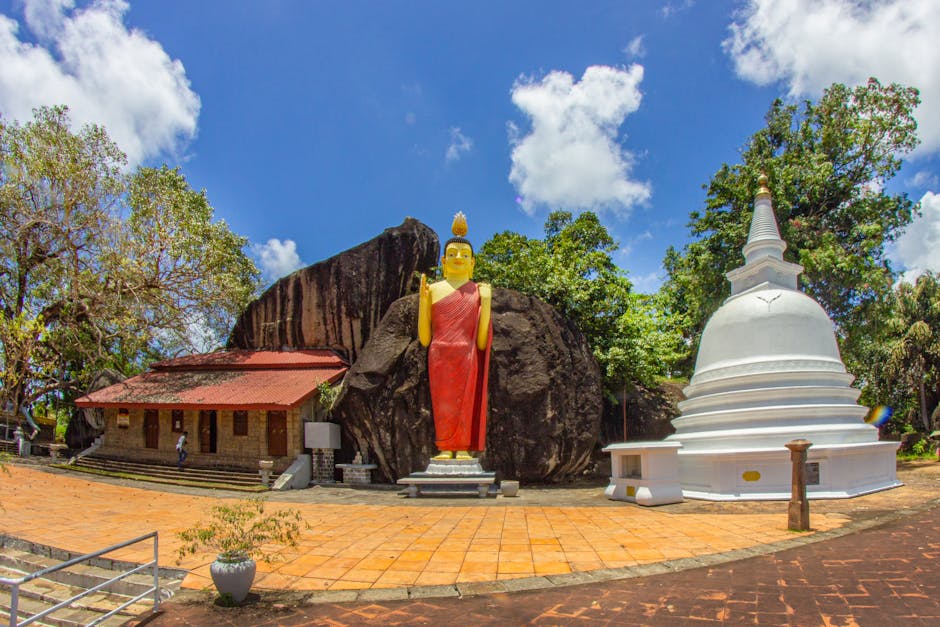
Kilinochchi, Sri Lanka’s Incredible Resilience, Ruins & Rural Life (2026)
While crowds flock to the southern beaches of Galle and Mirissa, Kilinochchi offers a profound, unfiltered look at Sri Lanka’s recent history and resilient spirit without the tourist trappings. Here, the scars of a 26-year civil war are visible, but so is the remarkable story of a community rebuilding. Savvy travelers choose differently to understand the nation’s soul, finding a place where every rebuilt road and bustling market stall tells a story of hope.
Why Kilinochchi, Sri Lanka Stands Out
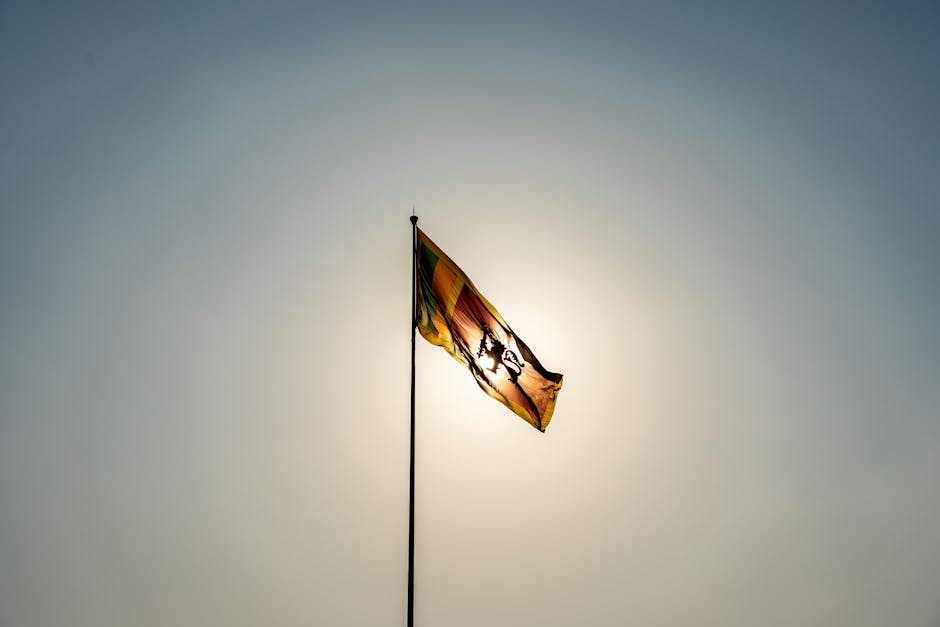
The Sri Lankan flag waves majestically in front of a bright sun in Colombo., Kilinochchi, Sri Lanka
- Historic Architecture: The iconic, war-damaged Kilinochchi Water Tower, a 1970s structure that became a strategic landmark, stands as a silent, powerful monument to the region’s past.
- Cultural Scene: The annual Thai Pongal harvest festival in January, celebrated with vibrant kolam (rice flour) drawings and community feasts, showcases the deep-rooted Tamil Hindu traditions of the region.
- Local Specialties: You must try a hearty plate of Kool, a unique Jaffna Peninsula seafood broth thickened with palmyra root flour and packed with crab, fish, and vegetables.
Pro Tip: Visit between January and March. The weather is hot but dry, perfect for exploration, and you’ll avoid the heavy rains of the Northeast Monsoon (October-December). Arrive early at any site to have it to yourself, as international tourist traffic is still very light.
Map of Kilinochchi, Sri Lanka
Use these interactive maps to explore Kilinochchi, Sri Lanka and plan your route:
📍 View Kilinochchi, Sri Lanka on OpenStreetMap
🗺️ Open Kilinochchi, Sri Lanka in Google Maps
Planning Your Trip: Practical Essentials
Getting There and Around
- By Air: The nearest major airport is Bandaranaike International Airport (CMB) in Colombo, 300km away. From there, your best bet is a domestic flight to Jaffna’s Palaly Airport (JAF), followed by a 90-minute drive. Book flights at Skyscanner for best deals.
- By Train: The Yal Devi train line, famously reopened in 2014, connects Colombo to Jaffna via Kilinochchi. The scenic journey from Colombo Fort takes about 6-7 hours. Reserve tickets at Trainline or the national railway website.
- By Car: Driving the A9 highway from Colombo (8-9 hours) offers a direct route through the heart of the island. Parking is generally easy. Compare car rentals at RentalCars.com.
- Local Transport: Three-wheelers (tuk-tuks) are the primary mode; always agree on a price before starting (approx. LKR 200-500 for short trips). For more freedom, hire a tuk-tuk with a driver for the day (LKR 5000-7000).
Best Time to Visit
Kilinochchi’s climate is defined by the Northeast Monsoon. The ideal window is during the dry season, when roads and sites are most accessible and the heat is manageable.
| Season | Weather | Highlights |
|---|---|---|
| Dry Season (May–Sep) | Hot and humid, 28-34°C (82-93°F), sporadic rain. | Best for travel, lush green landscapes, vibrant local markets in full swing. |
| Northeast Monsoon (Oct–Jan) | Heavy rainfall, especially Oct-Dec, cooler at 24-30°C (75-86°F). | Quietest time, dramatic skies, but some rural roads may be difficult. |
| Inter-monsoon (Feb–Apr) | Hot and increasingly dry, 30-35°C (86-95°F). | Excellent for photography with clear light, perfect for visiting before the main heat peaks. |
Budgeting for Kilinochchi, Sri Lanka
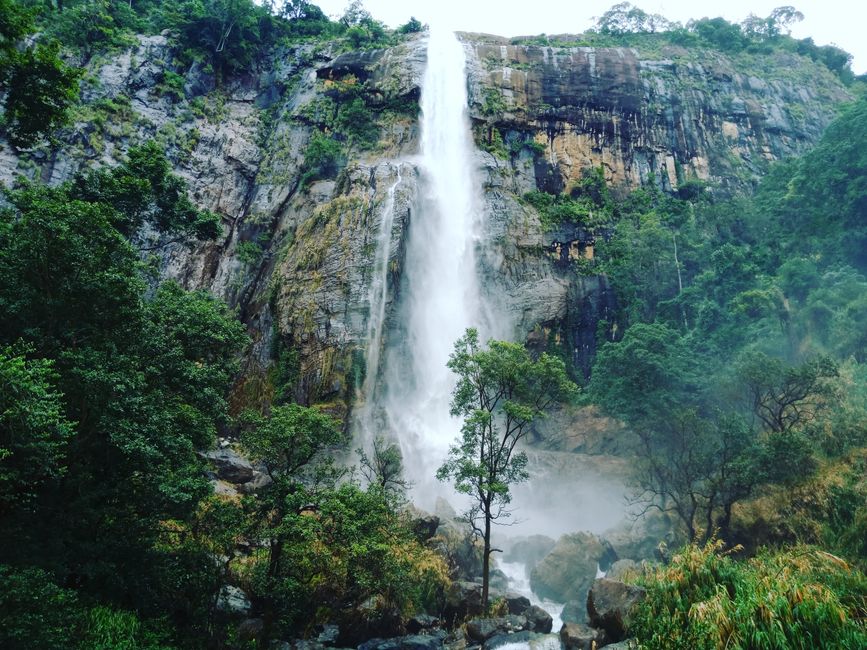
Discover the breathtaking beauty of Diyaluma Falls in Koslanda, Kilinochchi, Sri Lanka
| Category | Budget | Mid-range | Luxury |
|---|---|---|---|
| Accommodation | LKR 2,500-4,000 (basic guesthouse) | LKR 6,000-10,000 (comfortable hotel) | LKR 15,000+ (best available lodges) |
| Meals | LKR 300-600 (local *kadai* eatery) | LKR 800-1,500 (restaurant) | LKR 2,500+ (hotel dining) |
| Transport | LKR 1,500/day (tuk-tuk/train) | LKR 4,000/day (car hire with driver) | LKR 8,000+ (private van) |
| Activities | LKR 0-1,000 (most sites free) | LKR 2,000 (guided local tour) | LKR 5,000+ (private, in-depth guide) |
| Daily Total | LKR 4,300-7,100 (~$14-23) | LKR 12,800-17,500 (~$41-56) | LKR 30,500+ (~$98+) |
Top Attractions and Must-See Sights
| Attraction | Description | Hours | Entry Fee |
|---|---|---|---|
| Kilinochchi Water Tower | The bullet-riddled symbol of the town’s wartime significance, now a poignant peace memorial. | Daylight hours | Free |
| Pooneryn Fort | A 17th-century Dutch fort ruins on a narrow peninsula, offering stark, beautiful views over the Jaffna Lagoon. | Sunrise to Sunset | Free |
| Iranamadu Tank | A vast, ancient irrigation reservoir perfect for birdwatching and witnessing rural life at sunset. | Always accessible | Free |
| Kilinochchi Market | The bustling heart of daily commerce, where you can find everything from fresh produce to vibrant textiles. | 6:00 AM – 6:00 PM | Free |
3-Day Itinerary: Kilinochchi, Sri Lanka’s Highlights & Hidden Gems
Day 1: History & Heart of Town
- Morning (7-9 AM): Start at the **Kilinochchi Water Tower**. The morning light casts long shadows, making the structure’s scars most visible. Read the informational plaques detailing its history.
- Afternoon (12-3 PM): Explore the vibrant **Kilinochchi Market**. For lunch, grab a table at **New Pandyan Restaurant** near the bus stand for their famous mutton rolls and flavorful chicken curry (LKR 600).
- Evening (6-8 PM): Take a stroll around the **Town Center**, observing the new government buildings and bustling roundabouts. Enjoy dinner at **AG Restaurant** for a superb, no-frills local rice and curry spread (LKR 800).
Day 2: Forts & Rural Landscapes
- Morning (8 AM): Hire a tuk-tuk for the day (LKR 6000) for the 45-minute drive to **Pooneryn Fort**. The journey through palmyra groves and past salt pans is an attraction itself.
- Afternoon (1 PM): Have a packed lunch by the fort walls. On the return, stop at a local **palmyrah toddy tap** (with permission) to see the traditional sap collection. Your driver can help arrange this.
- Evening (5 PM): Head to the banks of **Iranamadu Tank** for sunset. Watch fishermen in traditional *paru* boats and flocks of birds returning to roost.
Day 3: Culture & Community
- Morning (9 AM): Visit a local **Hindu Kovil** (temple). The Sri Sivasubramaniya Swami Kovil is active and colorful. Remember to remove shoes and dress modestly.
- Afternoon (12 PM): Seek out a lunch of **Kool**. Ask your guesthouse to point you to a home-kitchen or small eatery that prepares it, as it’s often a specialty not on regular menus.
- Evening (4 PM): Take a final walk through quieter residential lanes to see the simple, neat homes and gardens that symbolize Kilinochchi’s remarkable recovery. Your last dinner should be another classic rice and curry feast.
Cultural Insights & Etiquette
- Language: Tamil is the primary language. Key phrases: *Vanakkam* (Hello/Thank you), *Nandri* (Thanks), *Eppadi irukkinga?* (How are you?). English is understood in shops and guesthouses.
- Customs: Always use your right hand for giving/receiving items and eating. Public displays of affection are frowned upon. When visiting temples, dress conservatively and follow local lead on rituals.
- Tipping: Not mandatory but appreciated. Round up tuk-tuk fares. In restaurants, 5-10% is generous if service isn’t included.
- Dress Code: Modest clothing is key. Cover shoulders and knees for both men and women, especially when visiting religious sites or rural areas.
- Business Hours: Government offices: 8:30 AM – 4:15 PM. Shops: 9 AM – 7 PM, often closing for a midday break. Many businesses close on Sunday.
Where to Eat: Kilinochchi, Sri Lanka’s Best Bites
Dining in Kilinochchi is about authentic, hearty Tamil cuisine. You’ll find few “tourist” menus here—meals are built around rice, an array of vegetable curries (paruppu), dhal, pickles, and seafood or meat dishes, all characterized by the distinct flavors of Jaffna cuisine: mustard seeds, curry leaves, and a measured use of chili.
Must-Try Local Specialties
- Kool: The regional superstar. This thick, spicy seafood soup-stew is a must. Your best bet is to ask locally where it’s being served that day, often at smaller eateries or as a weekend special.
- Jaffna Crab Curry: Famous for its fiery, complex gravy made with roasted spices. While more common in Jaffna, some Kilinochchi restaurants with good seafood connections will offer it.
- Palmyrah-based treats: Look for *Panang* (palm sugar), *Panaiverkum* (palm flour pancakes), or fresh *Thal* (palm fruit) juice. These are staples from the ubiquitous palmyrah trees.
Restaurant Recommendations by Budget
| Type | Restaurant | Specialty | Price Range |
|---|---|---|---|
| Budget | New Pandyan Restaurant (Town Center) | Flaky mutton rolls, short eats, and quick lunch packets. | LKR 300-600 |
| Mid-range | AG Restaurant (A9 Highway) | Extensive, delicious rice and curry buffets with fresh seafood options. | LKR 700-1,200 |
| Fine dining | Jetwing Jaffna (Requires a drive to Jaffna) | For a splurge, their in-house restaurant offers refined takes on Northern classics in a luxury setting. | LKR 2,500+ |
Where to Stay
Accommodation is functional and welcoming rather than luxurious. Most options are guesthouses or small hotels along the A9 highway or in the town center, offering clean rooms and home-cooked meals. Compare prices and book at Booking.com or Airbnb for apartments.
Best Neighborhoods for Accommodation
- Along the A9 Highway: Most hotels are here. It’s convenient for transport and has several eateries, but can be noisy. Ideal for those traveling by car or bus.
- Town Center: Puts you within walking distance of the market, water tower, and bus station. You’ll feel more immersed in daily life, though options are more basic.
- Outskirts near Iranamadu Tank: A few quieter guesthouses offer serene settings. Perfect for relaxation and birdwatchers, but you’ll need transport for everything else.
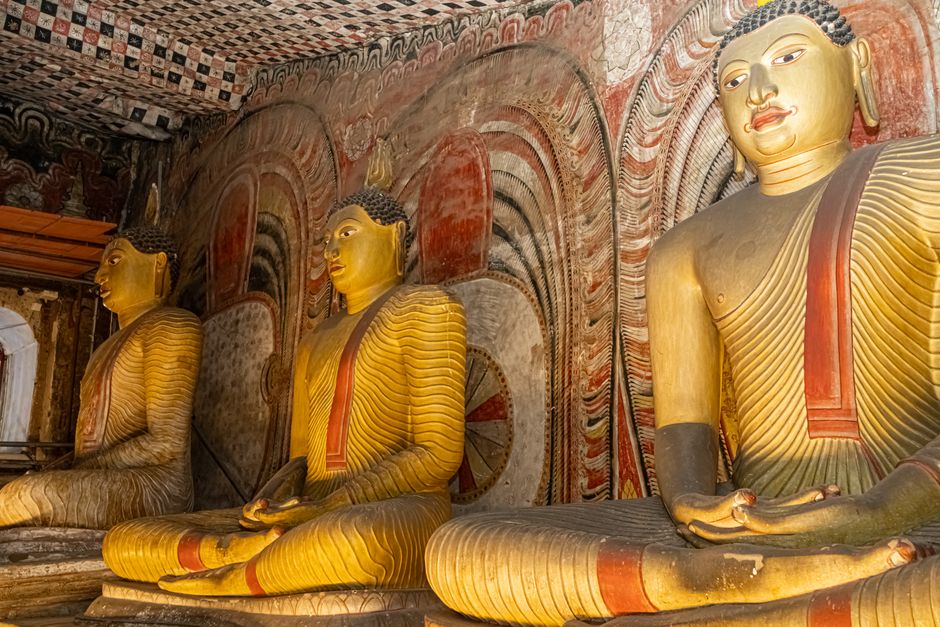
A captivating view of the intricately carved Buddha statues inside the hist…, Kilinochchi, Sri Lanka
FAQs: Your Kilinochchi, Sri Lanka Questions Answered
1. Is Kilinochchi, Sri Lanka safe at night?
Yes, Kilinochchi is generally safe. The community is welcoming. As in any unfamiliar place, exercise common sense: avoid poorly lit, isolated areas late at night, and keep valuables secure. The main concern for travelers is road safety—be cautious when walking along the A9 highway.
2. What currency is used and are credit cards accepted?
The Sri Lankan Rupee (LKR) is the currency. Carry ample cash, as credit cards are rarely accepted outside of a few larger hotels in Jaffna. ATMs are available in Kilinochchi town, but it’s wise to withdraw money in Jaffna or Colombo before arriving for better reliability.
3. How do I get from the airport to the city center?
From Bandaranaike International Airport (CMB), you won’t go directly to Kilinochchi. First, take a taxi (LKR 8000-10,000, 1.5 hours) or train to Colombo Fort. Then, board the Yal Devi train to Kilinochchi (6-7 hours, LKR 600-1200). Alternatively, book a private car with driver for the entire 8-9 hour journey (LKR 25,000-35,000). Book airport transfers at GetYourGuide for convenience.
4. Do I need to speak the local language?
Not strictly. Basic English is widely understood in guesthouses, restaurants, and shops. Learning a few Tamil phrases, however, will be met with warm appreciation and can greatly enrich your interactions. Locals recommend at least mastering “Vanakkam” (Hello/Thank you).
5. What’s the appropriate dress code?
Modest, lightweight clothing is essential. Cover shoulders and knees for both men and women. This is a sign of respect, especially in rural areas and at religious sites. Loose cotton or linen trousers and shirts are perfect. Have a scarf handy for temple visits.
Final Thoughts: Kilinochchi, Sri Lanka Awaits
Kilinochchi offers a travel experience unlike any other in Sri Lanka—one of contemplation, context, and profound human spirit. It’s not a destination for beach

