
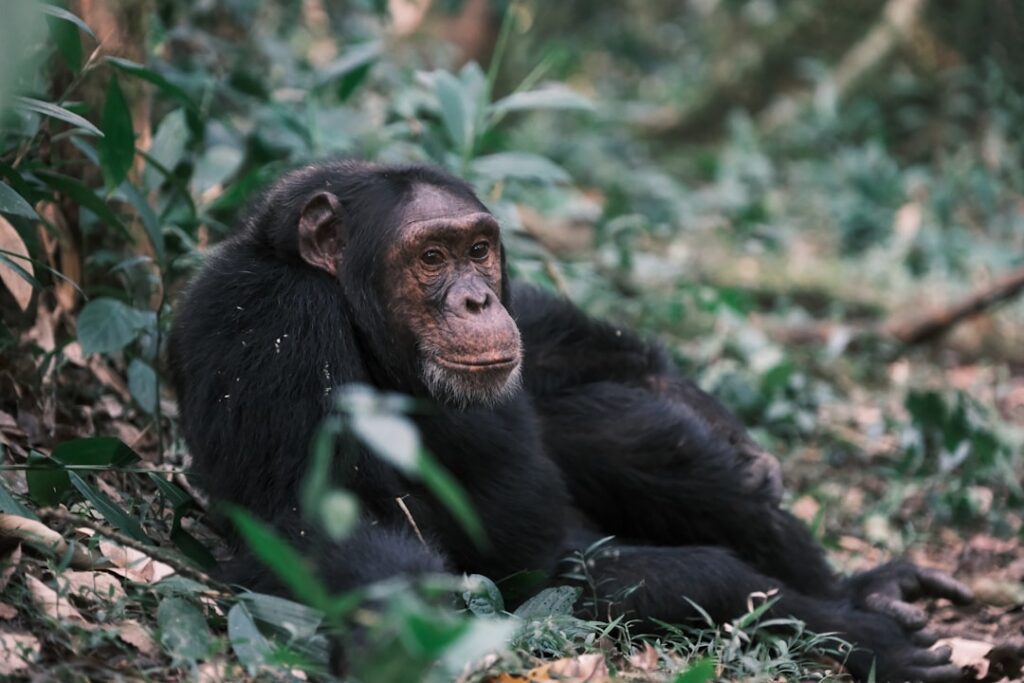
Kibale Forest, Uganda’s Amazing Primates, Rainforests & Authentic Encounters (2025)
While crowds flock to Bwindi for gorilla trekking, Kibale Forest, Uganda delivers the world’s highest concentration of primates—13 species, including 1,500 chimpanzees—without the steep $800 permit price or intense physical demand. Here, for $250, you can spend four hours tracking our closest relatives through a cathedral of mahogany trees, a more intimate and accessible wildlife encounter that savvy travelers are choosing for an unforgettable primate safari.
Why Kibale Forest, Uganda Stands Out
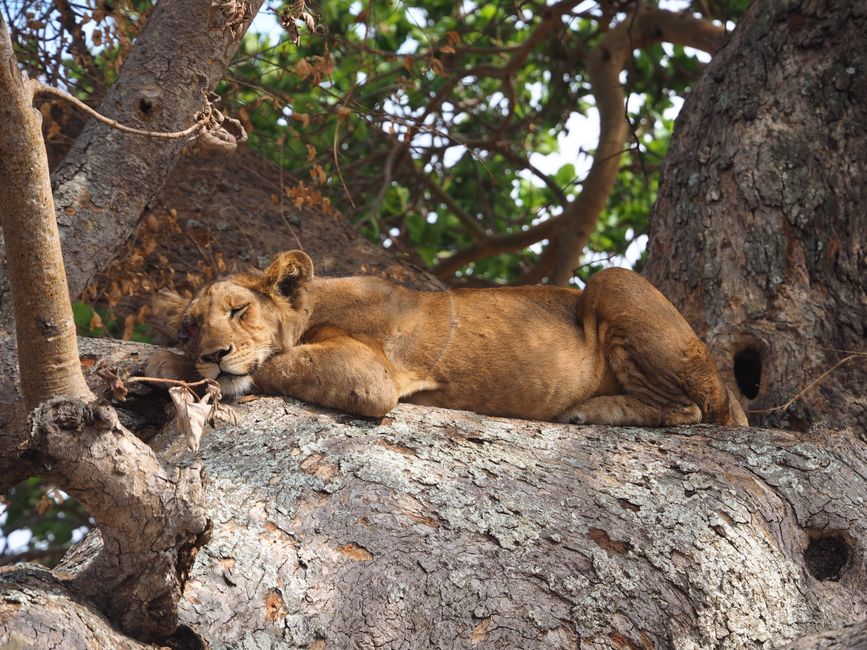
A peaceful lioness resting on a tree branch in Western Uganda’s savannah., Kibale Forest, Uganda
- Historic Architecture: The Bigodi Wetland Sanctuary boardwalk, constructed in 1992 by local communities, is a pioneering example of community-based ecotourism that directly funds schools and clinics.
- Cultural Scene: Participate in an Empaako naming ceremony with the Batooro people, where you receive a traditional praise name like “Akiiki” (beloved one) in a ritual of welcome.
- Local Specialties: You must try Katogo, a hearty breakfast stew of matooke (steamed green bananas) cooked with beef offal or beans, often served in local homestays.
Pro Tip: Book your chimpanzee tracking permit for the 8 AM slot. The forest is cooler, the chimps are most active after dawn, and you’ll finish in time for a 2 PM guided Bigodi Wetland walk, perfectly combining two major activities in one day. Avoid the crowded June-August peak; aim for the February-March or September-November shoulder seasons for thinner trails.
Map of Kibale Forest, Uganda
Use these interactive maps to explore Kibale Forest, Uganda and plan your route:
📍 View Kibale Forest, Uganda on OpenStreetMap
🗺️ Open Kibale Forest, Uganda in Google Maps
Planning Your Trip: Practical Essentials
Getting There and Around
- By Air: Fly into Entebbe International Airport (EBB). From there, take a domestic flight with Aerolink Uganda to Kasese Airstrip (approx. $250 one-way), followed by a 1.5-hour drive. Book flights at Skyscanner for best deals.
- By Train: No direct passenger train service operates to Kibale. The nearest major rail hub is in Kampala, from which road travel is necessary.
- By Car: The most scenic route is a 5-6 hour drive from Kampala via Fort Portal on paved roads. A 4×4 is recommended, especially in the rainy season. Compare car rentals at RentalCars.com.
- Local Transport: Special hire taxis from Fort Portal cost ~$50 for a round trip. For budget travelers, matatus (shared minibuses) run from Fort Portal to Kanyanchu Visitor Centre for about $3 but have irregular schedules.
Best Time to Visit
The best time for chimpanzee tracking is during the drier periods when trails are less muddy. However, the forest is lush and beautiful year-round, with each season offering different advantages for wildlife viewing and photography.
| Season | Weather | Highlights |
|---|---|---|
| Dry Season (Jun–Aug, Dec–Feb) | Warm, 22-28°C (72-82°F), low rainfall | Optimal trekking conditions, highest chance of clear chimp sightings, but also peak crowds; book permits 6+ months in advance. |
| Wet Season (Mar–May, Sep–Nov) | 22-26°C (72-79°F), frequent afternoon showers | Fewer tourists, dramatic storms, lush photography, lower prices; trails are muddier but wildlife is abundant. |
| Shoulder (Sep–Nov) | Mild, 23-27°C (73-81°F), sporadic rain | The sweet spot: decent weather, thinning crowds, and the forest is vibrantly green. Ideal for birders. |
Budgeting for Kibale Forest, Uganda
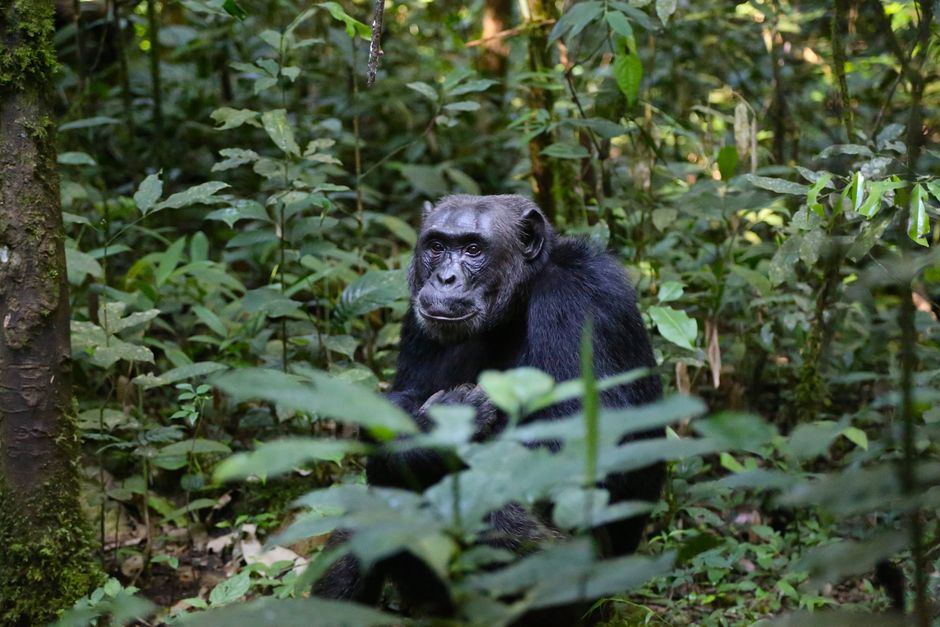
A chimpanzee in its natural jungle habitat surrounded by lush green foliage., Kibale Forest, Uganda
| Category | Budget | Mid-range | Luxury |
|---|---|---|---|
| Accommodation | $15-30 (camping/basic guesthouse) | $80-150 (comfortable lodge) | $250-500+ (full-board safari lodge) |
| Meals | $5-10 (local eateries/street food) | $15-25 (lodge restaurant) | $40+ (gourmet dining) |
| Transport | $3-10 (matatu/boda-boda) | $50/day (private taxi hire) | $150+/day (private 4×4 & driver) |
| Activities | $35 (Bigodi walk) + $250 (Chimp Permit) | $250 (Chimp Permit) + $50 (Night Walk) | $250 (Chimp Permit) + $100 (Primate Habituation) |
| Daily Total | $300-350* | $450-550* | $800+* |
*Note: Daily totals are skewed by the one-off cost of the chimpanzee permit. A typical day without a major permit would be $50-150.
Top Attractions and Must-See Sights
| Attraction | Description | Hours | Entry Fee |
|---|---|---|---|
| Chimpanzee Tracking | The crown jewel: a 4-hour guided trek to observe habituated chimpanzee families feeding, playing, and calling in the canopy. | Trackings at 8 AM & 2 PM | $250 (Permit, booked via UWA) |
| Bigodi Wetland Sanctuary Walk | A community-run 4km boardwalk trail through stunning swamp forest, home to 8 primate species and over 200 bird species. | Walks at 8 AM & 2 PM | $35 per person |
| Kibale Forest Night Walk | A magical 2-hour exploration to spot nocturnal creatures like bushbabies, pottos, and nightjars with a spotlight. | Departs at 7:30 PM | $40 per person |
| Primate Habituation Experience | A full-day (6 AM – 6 PM) scientific immersion with researchers, following chimps being acclimated to human presence. | Full day, starts at dawn | $100 (Permit, limited slots) |
3-Day Itinerary: Kibale Forest, Uganda’s Highlights & Hidden Gems
Day 1: Primate Prologue & Forest Immersion
- Morning (7:30 AM): Arrive at Kanyanchu Visitor Centre for chimpanzee tracking briefing. Your 4-hour trek begins at 8 AM sharp. Listen for the iconic pant-hoot calls echoing through the fig trees.
- Afternoon (1 PM): Enjoy a packed lunch back at the centre. Then, drive 10 minutes to Bigodi village for a 3-hour guided wetland walk ($35). Look for the great blue turaco.
- Evening (7 PM): Dinner at your lodge. For a mid-range option, the garden restaurant at Chimpanzee Forest Guesthouse serves excellent grilled tilapia. Turn in early for the night walk.
Day 2: Community Culture & Nocturnal Wonders
- Morning (9 AM): Visit the KAFRED community project in Bigodi ($10 donation). Take a traditional cooking class to prepare katogo or learn basket weaving from local women.
- Afternoon (12 PM): Lunch at Mugusu Homestay for an authentic meal. Then, take a guided village walk to a local school funded by tourism revenue.
- Evening (7:30 PM): Embark on the captivating Kibale Night Walk ($40). Your guide’s spotlight will reveal tree hyraxes, fiery-necked nightjars, and if you’re lucky, a slow-moving potto.
Day 3: Scenic Excursion & Crater Lakes
- Morning (8 AM): Hire a taxi (~$40 round trip) for the 1-hour drive to the Ndali-Kasenda Crater Lakes. Hike to the top of the “Top of the World” viewpoint for a breathtaking panorama.
- Afternoon (12:30 PM): Enjoy a lakeside lunch at Crater Valley Kibale, famous for its fresh avocado salad and stunning views of Lake Nyabikere.
- Evening (5 PM): Return to Kibale. For a final memorable dinner, book the “Candles in the Forest” experience at Primate Lodge Kibale, a private bush dinner under the stars.
Cultural Insights & Etiquette
- Language: The local language is Rutooro. Key phrases: “Webale” (Thank you), “Oraire ota?” (Good morning). English is widely spoken in tourist areas.
- Customs: Always greet people before asking questions. Use your right hand for giving/receiving items. When visiting homes, it’s polite to accept a drink.
- Tipping: For guides, tip 5-10% of the activity cost. For trackers and drivers, $5-10 per day is appreciated. Tip in USD or Ugandan Shillings.
- Dress Code: For trekking: long pants, long sleeves, and sturdy boots to protect from insects and nettles. In villages, modest dress (covering knees and shoulders) is respectful.
- Business Hours: Shops: 8 AM – 6 PM. Parks: Visitor centres open at 7 AM. Most businesses close on Sundays.
Where to Eat: Kibale Forest, Uganda’s Best Bites
Dining revolves around lodge restaurants, but venturing into local villages rewards you with authentic Ugandan cuisine. Meals are hearty and starch-based, featuring matooke, posho (maize meal), and fresh local produce.
Must-Try Local Specialties
- Katogo: A beloved breakfast stew. For the best, join a community cooking class in Bigodi or request it at a homestay.
- Roasted Gonja: Sweet, caramelized plantains cooked over charcoal. Buy these from roadside vendors for a quick, delicious snack.
- Fresh River Fish: Tilapia or Nile perch, often grilled whole with lemon and local spices. Chimpanzee Forest Guesthouse does an excellent version.
Restaurant Recommendations by Budget
| Type | Restaurant | Specialty | Price Range |
|---|---|---|---|
| Budget | Kanyanchu Visitor Centre Canteen | Simple packed lunches, samosas, and sodas for treks | $5-8 |
| Mid-range | Chimpanzee Forest Guesthouse Restaurant | Grilled meats, fresh fish, and a great garden setting | $12-20 |
| Fine dining | Primate Lodge Kibale Dining Room | Multi-course set menus with international and local flair | $30-50 |
Where to Stay
Accommodation clusters around the Kanyanchu Visitor Centre and the road to Fort Portal. Options range from basic campsites to luxurious forest-edge lodges. Book early during peak season. Compare prices and book at Booking.com or Airbnb for apartments in Fort Portal.
Best Neighborhoods for Accommodation
- Kanyanchu Area: Right by the park headquarters. Ideal for early chimp treks. You’ll hear the forest at night. Suits serious wildlife enthusiasts. (e.g., Primate Lodge Kibale).
- Bigodi Village: A community-focused stay. Offers homestays and guesthouses. Perfect for cultural immersion and easy access to the wetland walk. (e.g., Kibale Forest Camp).
- Fort Portal (30 mins drive): A bustling town with more amenities, banks, and a wider choice of restaurants. Better for those with a rental car. (e.g., Mountains of the Moon Hotel).

View of New York City’s skyscrapers from Central Park with autumn foliage., Kibale Forest, Uganda
FAQs: Your Kibale Forest, Uganda Questions Answered
1. Is Kibale Forest, Uganda safe at night?
Yes, within the confines of your lodge or on organized activities like night walks. However, it’s not advised to walk alone on unlit roads after dark due to wildlife (like elephants that occasionally roam) and the lack of lighting. Always use a guide or vehicle transport provided by your accommodation.
2. What currency is used and are credit cards accepted?
The Ugandan Shilling (UGX) is the local currency. US Dollars are widely accepted for major expenses like permits and lodge bills. Credit cards are accepted at most mid-range and luxury lodges, but always carry sufficient cash (USD or UGX) for tips, community visits, and small purchases, as ATMs are only reliably found in Fort Portal.
3. How do I get from the airport to Kibale Forest?
From Entebbe International Airport (EBB), your best bet is to book a private transfer (~$200-250, 5-6 hours) or take a domestic flight to Kasese. Many tour operators offer seamless packages. For independent planning, book reliable airport transfers at GetYourGuide for convenience.
4. Do I need to speak the local language?
Not at all. English is an official language and is spoken by all guides, lodge staff, and in tourist areas. Learning a few greetings in Rutooro, however, will earn you warm smiles and is a sign of great respect.
5. What’s the appropriate dress code?
For the forest: practical, muted colors (khaki, green, beige). Pack a waterproof jacket, hat, and broken-in hiking boots. In villages, dress modestly. Evenings can be cool, so a light sweater is recommended. Avoid bright blue or black clothing as they can attract tsetse flies.
Final Thoughts: Kibale Forest, Uganda Awaits
Kibale Forest offers more than just a wildlife checklist; it’s an immersive journey into a living, breathing ecosystem where the morning chorus is a symphony of chimpanzees and hornbills. It proves that an iconic African adventure can be both profound and accessible. Travelers often discover that the moments spent quietly observing a chimp family or sharing a meal in Bigodi become the most enduring memories. Your best bet is to plan ahead, pack your sense of wonder, and prepare to walk into a world where the boundary between human and wild gracefully blurs. Don’t leave without looking up—the forest canopy holds a drama millions of years in the making, and a ticket to the front row is waiting for you.

